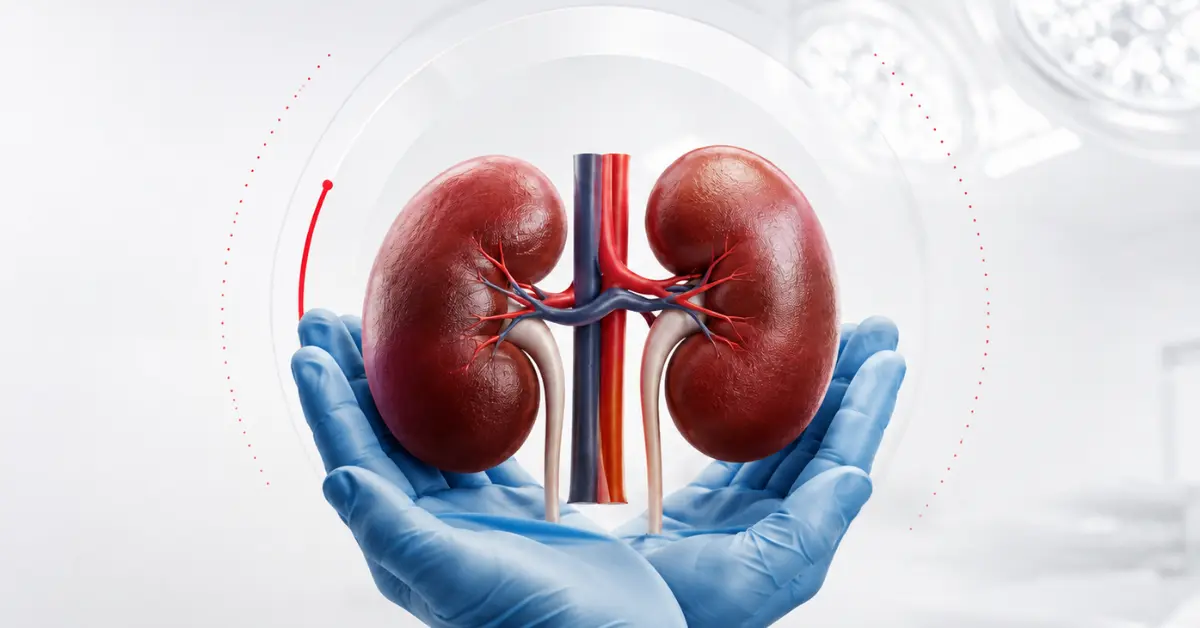
When your kidneys stop functioning the way they should, everyday life can start to feel like it revolves entirely around dialysis schedules, strict dietary restrictions and a fatigue that never really goes away. It affects far more than just your physical health — it can wear down your routine, your energy and your sense of normalcy over time. For people living with end-stage renal disease (ESRD), a kidney transplant offers something dialysis simply cannot provide: a genuine chance to get back to living fully, rather than just getting through each day.
This guide walks you through what kidney transplant treatment actually involves in practice — starting from that first conversation with a nephrologist, through the evaluation process and surgery itself, all the way to the years of follow-up care and lifelong monitoring that continue well after the operation is complete.
What Is Kidney Transplant Treatment?
Kidney transplant treatment is a surgical procedure in which a healthy kidney from a living or deceased donor is placed into a person whose own kidneys have failed. Unlike dialysis, which filters the blood mechanically and needs to be repeated several times a week, a transplanted kidney takes over the full range of kidney functions — filtering waste, balancing fluids and electrolytes, and producing hormones that regulate blood pressure and red blood cell production.
A transplant is not a cure for kidney disease. It is, however, widely regarded by nephrologists as the most effective treatment for eligible patients with ESRD, offering better long-term survival rates and a significantly improved quality of life compared with staying on dialysis indefinitely.
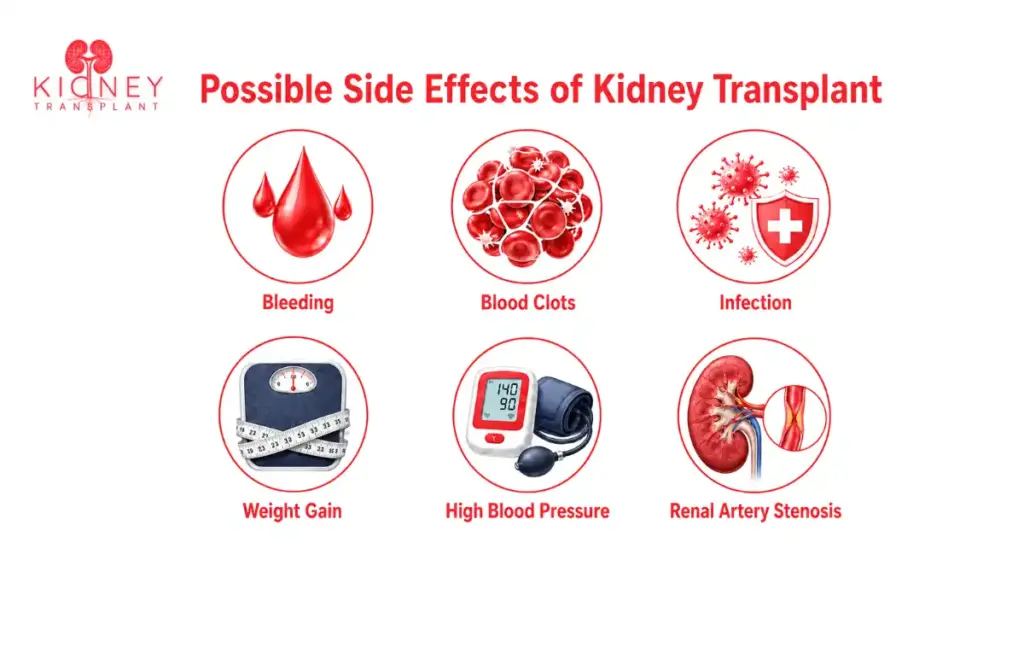
Who Needs a Kidney Transplant?
Kidney transplants are generally considered for patients whose kidney function has dropped to 10-15% of normal capacity or less — a stage classified as end-stage renal disease. Common underlying causes include:
- Diabetic nephropathy — kidney damage caused by long-standing diabetes, one of the leading causes of kidney failure worldwide
- Chronic glomerulonephritis — inflammation and scarring of the kidney’s filtering units
- Polycystic kidney disease — a genetic condition causing fluid-filled cysts to grow in the kidneys
- Hypertensive nephropathy — kidney damage resulting from prolonged, poorly controlled high blood pressure
- Congenital or structural abnormalities in children and young adults
Not everyone with kidney failure is automatically a transplant candidate. A thorough medical evaluation looks at heart health, infection risk, cancer history, and psychological readiness before a patient is placed on a transplant list.
Living Donor vs Deceased Donor Kidney Transplant
There are two main routes to receiving a donor kidney, and understanding the difference matters when planning treatment.
Living Donor Kidney Transplant
In a living donor transplant, a healthy person — often a family member, spouse or close friend — donates one of their two kidneys. Because the human body functions well on a single healthy kidney, living donation is considered safe for carefully screened donors. Living donor transplants tend to offer several advantages:
- Surgery can be scheduled in advance rather than depending on organ availability
- The kidney is typically transplanted within hours of removal, improving early function
- Long-term graft survival rates tend to be higher compared with deceased donor kidneys
- Patients can often avoid extended time on dialysis altogether, through pre-emptive transplantation
Deceased Donor Kidney Transplant
A deceased donor kidney comes from someone who has passed away and had registered as an organ donor, or whose family consented to donation. These kidneys are allocated through a regulated waiting list system based on factors like blood type compatibility, tissue matching, time on the waiting list and medical urgency. Wait times vary considerably depending on region, blood type and the local donor pool.
The Kidney Transplant Evaluation Process
Before a transplant can go ahead, patients undergo a comprehensive evaluation designed to confirm that surgery is safe and that the new kidney has the best chance of long-term success. This typically includes:
- Blood and tissue typing to determine compatibility between donor and recipient, including blood group matching and human leukocyte antigen (HLA) typing
- Cross-matching tests to check whether the recipient’s immune system is likely to reject the donor kidney
- Cardiac assessment, since heart disease is common in patients with long-standing kidney failure and surgery places strain on the cardiovascular system
- Infection screening for conditions such as hepatitis, tuberculosis and HIV
- Cancer screening appropriate to age and risk factors
- Psychosocial evaluation, assessing the patient’s support system, understanding of lifelong medication requirements, and mental readiness for major surgery
For living donor cases, the prospective donor goes through an equally rigorous evaluation to confirm they are medically and psychologically fit to donate, and that doing so will not put their own long-term health at risk.
The Kidney Transplant Surgery Itself
Kidney transplant surgery generally takes between two and four hours under general anaesthesia. Interestingly, in most cases the surgeon does not remove the patient’s own diseased kidneys — they are left in place unless they’re causing complications like infection, uncontrolled high blood pressure or significant pain. The donor kidney is instead placed in the lower abdomen, and its blood vessels are connected to the recipient’s iliac artery and vein, while the ureter is connected to the bladder.
Many recipients are surprised to learn that the new kidney often starts producing urine within hours of the connections being made, sometimes even while still on the operating table.
Recovery After Kidney Transplant
Hospital stays after a kidney transplant typically range from five to seven days, though this varies based on the individual’s overall health and whether any complications arise. Recovery unfolds in stages:
Immediate Post-Surgical Period (Days 1-7)
Medical teams monitor kidney function closely through regular blood tests, watch for signs of rejection, and begin the patient on a carefully calibrated regimen of anti-rejection (immunosuppressant) medications. Pain management, wound care and gradual mobilisation are priorities during this phase.
Early Recovery (Weeks 1-12)
Patients are usually advised to avoid heavy lifting and strenuous activity for around six to eight weeks. Frequent follow-up visits — sometimes two to three times a week initially — allow the transplant team to fine-tune medication doses and catch early signs of rejection or infection before they become serious.
Long-Term Recovery and Maintenance
Beyond the first three months, most patients can gradually return to work, exercise and normal daily activities, guided by their transplant team. However, kidney transplant treatment doesn’t end once recovery is complete — it shifts into a lifelong maintenance phase.
Life After a Kidney Transplant
Lifelong Immunosuppression
Because the immune system naturally treats a transplanted organ as foreign tissue, recipients need to take immunosuppressant medications for as long as the transplanted kidney functions. These medications reduce the risk of organ rejection but also increase susceptibility to infections and certain cancers, which is why regular monitoring remains essential for life.
Diet and Lifestyle After Transplant
Unlike the strict fluid and potassium restrictions often required during dialysis, most transplant recipients can eat a more varied, balanced diet once their new kidney is functioning well. That said, doctors generally recommend:
- Maintaining a healthy weight to reduce strain on the new kidney
- Limiting salt intake to help manage blood pressure
- Staying well-hydrated
- Avoiding grapefruit and grapefruit juice, which can interfere with certain immunosuppressant drugs
- Practising good food hygiene, since immunosuppression increases infection risk
Monitoring for Rejection and Complications
Warning signs that patients are taught to watch for include reduced urine output, unexplained weight gain, swelling in the legs or around the eyes, fever, and tenderness over the transplant site. Early reporting of these symptoms allows the medical team to intervene quickly, often preventing minor issues from progressing into organ-threatening rejection episodes.
How Successful Is Kidney Transplant Treatment?
Kidney transplantation is widely recognised as offering better survival outcomes and quality of life than long-term dialysis for eligible patients. Graft survival naturally varies based on factors such as donor type, how closely donor and recipient are matched, the recipient’s overall health, and how consistently anti-rejection medication is taken. Living donor kidneys generally have somewhat better long-term outcomes than deceased donor kidneys, which is one reason transplant teams often explore living donation options first when a suitable donor is available.
Choosing the Right Kidney Transplant Hospital
A kidney transplant isn’t a one-time procedure you walk away from — it’s the start of a relationship with your care team that can last years, sometimes a lifetime. From the first round of evaluations through surgery and every follow-up visit after, you’ll be relying on the same hospital again and again. That’s why picking the right transplant centre deserves just as much thought as picking the right surgeon.
A few things worth checking before you commit to a hospital:
- Surgical experience – How many transplants has the team actually performed? Higher case volumes usually mean more refined surgical skill and better handling of complications.
- A full care team, not just a surgeon – Look for a hospital that brings together nephrologists, transplant surgeons, immunologists, dietitians and dedicated transplant coordinators, all working as one unit around your case.
- Both living and deceased donor programmes – A hospital equipped to support both options gives you more flexibility, especially if a living donor match isn’t immediately available.
- Support that doesn’t stop after surgery – Ask whether the team is reachable round the clock for urgent post-transplant concerns. Complications don’t wait for office hours.
- Openness about outcomes – A hospital confident in its results should be willing to share success rates and how it manages complications, rather than keeping that information vague.
Conclusion
Kidney transplant treatment offers eligible patients an opportunity to improve their quality of life and regain greater independence from dialysis. The process begins with a comprehensive medical evaluation to determine whether transplantation is suitable for the patient. A specialized transplant team reviews overall health, kidney function, medical history, and other important factors before creating a personalized treatment plan.
The transplant procedure involves placing a healthy donor kidney into the recipient’s body to restore kidney function. After surgery, careful monitoring and follow-up are essential for recovery and long-term success. Patients usually need prescribed anti-rejection medications for life, along with regular medical checkups and healthy lifestyle habits.
Kidney transplantation can provide significant benefits, but it also involves risks and lifelong responsibilities. Patients considering this treatment should discuss their options with a qualified nephrologist and transplant specialist. Understanding the procedure, potential complications, recovery requirements, medications, and long-term care can help patients make informed decisions and prepare for life after transplantation.