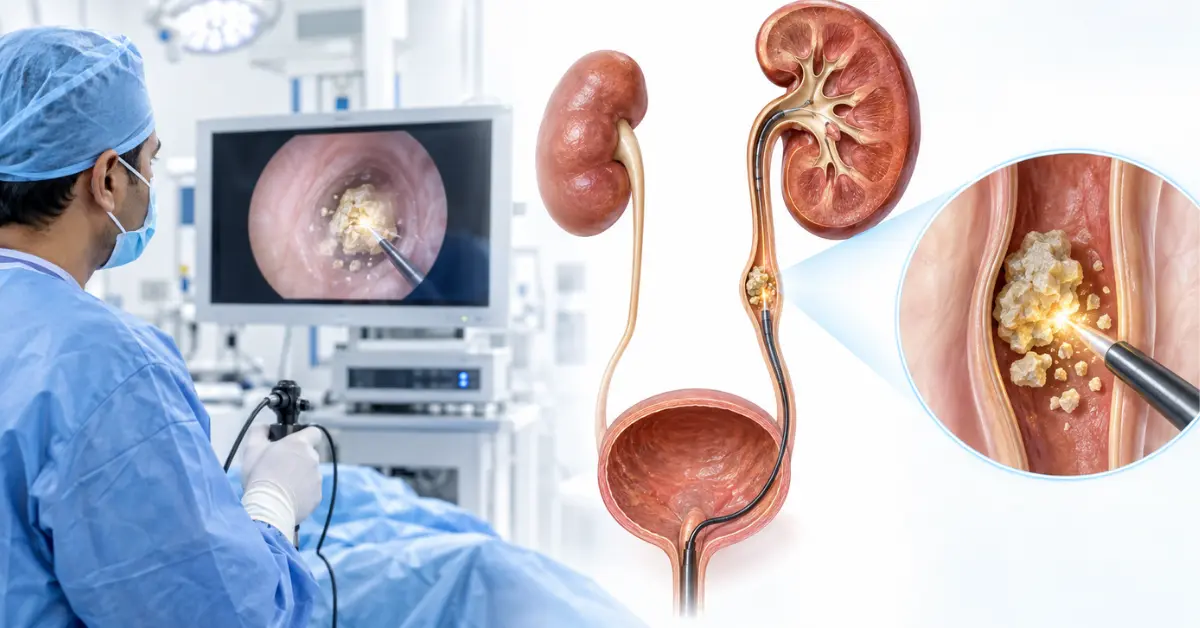
Precision treatment with Robotic Kidney Surgery helps improve recovery and surgical outcomes.

Conditions Treated

Comprehensive medical care for a wide range of conditions, focused on recovery, symptom management, and long-term wellness.

Being told that you need kidney surgery can bring a flood of questions and emotions. Many people immediately worry about large surgical incisions, significant pain, lengthy hospital stays, and a long recovery before life can return to normal. These concerns are understandable, especially when surgery involves an organ as vital as the kidney. Fortunately, remarkable advances in surgical technology have transformed the way many kidney procedures are performed. Robotic kidney surgery combines the expertise of highly trained surgeons with sophisticated robotic technology to perform complex operations through small incisions with exceptional precision. Despite the name, the robot never operates independently; every movement is carefully guided by the surgeon using advanced robotic instruments and a high-definition three-dimensional view of the surgical area.

Today, robotic assisted surgery is used for a wide range of kidney procedures, including kidney cancer surgery, reconstructive operations, and living donor nephrectomy for kidney transplantation. Understanding how this technology works helps patients replace uncertainty with confidence and make informed decisions about their treatment.

What is Robotic Kidney Surgery?

Robotic kidney surgery is a minimally invasive surgical technique that allows specially trained surgeons to perform complex kidney procedures using advanced robotic technology. Instead of making one large incision, surgeons operate through several small keyhole incisions. Sitting at a nearby console, the surgeon controls robotic instruments that precisely translate every hand movement into smaller, steadier, and highly accurate movements inside the body. The robotic system also provides a magnified, high definition three dimensional view of the surgical field, allowing the surgeon to visualize delicate blood vessels, nerves, and surrounding tissues with remarkable clarity.

Although the technology is highly advanced, one important fact remains unchanged:

The surgeon, not the robot, makes every decision throughout the operation. The robotic platform simply enhances the surgeon's ability to perform delicate procedures with greater precision while minimizing unnecessary disruption to surrounding healthy tissue. Today, robotic technology has become an important advancement in modern urology because it combines surgical expertise with enhanced visualization, precision, and control.

Why Choose Robotic Kidney Surgery?

The kidneys are located deep within the abdomen and are surrounded by major blood vessels and other important organs. Performing surgery in this area requires exceptional precision to remove diseased tissue while protecting healthy structures. Robotic assisted surgery was developed to help surgeons meet these challenges more effectively. Rather than replacing surgical skill, robotic technology expands what experienced surgeons can accomplish during carefully selected procedures.

Greater Surgical Precision

The robotic instruments are designed to move with extraordinary accuracy, allowing surgeons to perform delicate dissections and reconstructions with movements that are smaller and steadier than those possible with the human hand alone. This precision becomes especially valuable when preserving healthy kidney tissue or working near important blood vessels.

Enhanced Three Dimensional Visualization

Unlike traditional surgical approaches that may provide a limited view, robotic systems offer a high definition three dimensional image that magnifies the surgical field. This improved visualization helps surgeons identify important anatomical structures more clearly, contributing to safer and more precise operations.

Smaller Incisions, Less Tissue Trauma

Because robotic surgery is performed through several small incisions instead of one large opening, there is generally less disruption to muscles and surrounding tissues.

This minimally invasive approach often results in:

  • Reduced postoperative discomfort.
  • Smaller scars.
  • Lower blood loss.
  • Faster wound healing.
  • Earlier return to normal activities.

Better Preservation of Healthy Kidney Tissue

For procedures such as partial nephrectomy, preserving as much healthy kidney tissue as possible is a major goal. The enhanced precision offered by robotic surgery helps surgeons remove diseased tissue while protecting the healthy portions of the kidney whenever appropriate.

Improved Recovery Experience

Although every patient's recovery is different, many individuals undergoing robotic kidney surgery experience:

  • Shorter hospital stays.
  • Earlier mobilization after surgery.
  • Reduced need for pain medication.
  • Faster return to daily routines.
  • Improved overall comfort during recovery.

It is important to remember that recovery depends not only on the surgical technique but also on the patient's overall health, the complexity of the procedure, and careful postoperative care.

Expert Insight

One of the most common misconceptions is that the robot performs the surgery independently. In reality, the robotic system cannot make decisions or move on its own. Every movement is completely controlled by the surgeon, whose expertise remains the single most important factor in achieving a successful outcome.


Common Robotic Kidney Procedures

Robotic technology is now used for several kidney related operations because it offers surgeons greater precision while maintaining the benefits of minimally invasive surgery. The exact procedure depends on the patient's condition, overall health, and treatment goals.

Robotic Partial Nephrectomy

A partial nephrectomy involves removing only the diseased or cancerous portion of the kidney while preserving as much healthy kidney tissue as possible.

This procedure is commonly recommended for:

  • Small kidney tumors.
  • Selected benign kidney masses.
  • Patients in whom preserving kidney function is particularly important.

Because robotic surgery provides excellent visualization and precise instrument control, it is especially well suited for delicate procedures that require careful reconstruction of the remaining kidney tissue.

Robotic Radical Nephrectomy

  • When the entire kidney must be removed because of advanced disease, a radical nephrectomy may be recommended.
  • Robotic assisted radical nephrectomy allows surgeons to safely remove the kidney while minimizing surgical trauma compared with traditional open surgery in many suitable patients.
  • Recovery is often quicker because the procedure is performed through smaller incisions.

Robotic Donor Nephrectomy

One of the most important applications of robotic surgery within kidney transplantation is living donor nephrectomy. Healthy individuals who choose to donate one of their kidneys undergo surgery solely to help another person. For these donors, minimizing pain, reducing recovery time, and allowing a faster return to normal life are especially important.

Robotic donor nephrectomy offers several potential advantages, including:

  • Smaller incisions.
  • Reduced postoperative discomfort.
  • Earlier mobilization.
  • Shorter hospital stay.
  • Improved cosmetic outcomes.

These benefits can make the donation experience more comfortable while maintaining the highest standards of donor safety.

Expert Insight

In living kidney donation, the donor is a healthy individual undergoing surgery without receiving any direct medical benefit. Every aspect of donor surgery including the choice of surgical technique is carefully planned to prioritize donor safety, comfort, and long term well being.

Robotic Pyeloplasty

  • A pyeloplasty is performed to correct a blockage where the kidney joins the ureter, commonly known as ureteropelvic junction (UPJ) obstruction.
  • This condition can interfere with urine drainage and eventually damage kidney function if left untreated.
  • Robotic technology allows surgeons to reconstruct this delicate area with remarkable precision, often resulting in excellent long term outcomes.

Robotic Kidney Reconstruction

  • Certain complex kidney conditions require reconstruction rather than removal of kidney tissue.
  • Robotic-assisted reconstructive procedures enable surgeons to perform intricate repairs while minimizing trauma to surrounding tissues.

Although these operations vary considerably depending on the underlying condition, the enhanced precision of robotic surgery often makes reconstruction technically easier in experienced hands.

Robotic vs Traditional Kidney Surgery

Although both robotic and open surgery aim to achieve the same medical goal, the way the operation is performed and the patient's recovery experience can differ significantly. The most appropriate approach depends on the patient's condition, the complexity of the procedure, and the surgeon's expertise.

Feature Robotic Kidney Surgery Traditional Open Kidney Surgery
Incision Several small keyhole incisions One larger abdominal or flank incision
Surgical Precision High definition 3D visualization with articulated instruments Direct manual technique
Blood Loss Usually lower May be higher depending on the procedure
Pain After Surgery Generally less postoperative discomfort Often greater postoperative pain
Hospital Stay Usually shorter Usually longer
Recovery Time Faster return to daily activities Longer recovery period
Scarring Smaller, less noticeable scars Larger visible scar
Wound Complications Generally lower risk Slightly higher risk in some patients

It's important to note that "better" does not always mean "robotic." In certain complex situations, open surgery may still provide the safest and most effective treatment. The choice of surgical approach should always be individualized after discussion with an experienced urologist.

Who Can Benefit From Robotic Kidney Surgery?

Robotic kidney surgery offers many advantages, but it is not suitable for every patient or every kidney condition. The decision depends on several factors, including the type of kidney disease, overall health, previous surgeries, body structure, and the experience of the surgical team.

Patients who may benefit include:

Individuals With Small or Localized Kidney Tumors

Many patients diagnosed with early stage kidney tumors are candidates for robotic partial or radical nephrectomy. The precision of robotic surgery often helps surgeons preserve healthy kidney tissue whenever possible while effectively treating the tumor.

Living Kidney Donors

Healthy individuals donating a kidney often benefit from the minimally invasive nature of robotic donor nephrectomy, allowing many donors to recover more comfortably and return to normal activities sooner.

Patients Requiring Reconstructive Kidney Surgery

Conditions involving urinary obstruction or structural abnormalities may be successfully treated using robotic reconstructive procedures that require precise tissue repair.

Patients Seeking a Minimally Invasive Approach

When medically appropriate, robotic surgery may offer a less invasive alternative to traditional open surgery, resulting in reduced pain, smaller scars, and a faster recovery.

However, suitability should always be determined after a comprehensive medical evaluation.

Preparing for Robotic Kidney Surgery

Successful robotic kidney surgery begins long before the patient enters the operating room. Careful preparation helps the surgical team plan every detail of the procedure while ensuring that the patient is physically and emotionally ready for surgery. The evaluation process is tailored to each individual because no two patients or kidney conditions are exactly alike.

Comprehensive Medical Evaluation

Before recommending robotic surgery, your healthcare team performs a thorough assessment to determine whether the procedure is the most appropriate treatment option.

This evaluation may include:

  • Detailed medical history and physical examination.
  • Blood and urine tests to assess kidney function and overall health.
  • Imaging studies such as CT scans, MRI, or ultrasound to understand the kidney anatomy and plan the operation.
  • Heart and lung evaluation when necessary to ensure fitness for general anesthesia.
  • Review of current medications, allergies, and previous surgeries.

Every piece of information helps the surgeon develop a personalized surgical plan aimed at achieving the best possible outcome.

Preparing for the Day of Surgery

As the procedure approaches, patients receive detailed instructions to reduce surgical risks and support recovery.

These commonly include:

  • Fasting for a specified period before surgery.
  • Temporarily stopping certain medications, such as blood thinners, if advised by the healthcare team.
  • Following instructions regarding routine medications on the morning of surgery.
  • Arranging transportation and support at home after discharge.
  • Discussing any questions or concerns with the surgical team before the operation.

Understanding what to expect often helps reduce anxiety and allows patients to approach surgery with greater confidence.

Expert Insight

Choosing the right patient is just as important as choosing the right technology. Robotic surgery offers many advantages, but the best results are achieved when the procedure matches the patient's medical condition, overall health, and the experience of the surgical team.

What Happens During Robotic Kidney Surgery?

On the day of surgery, the patient is taken to the operating room and placed under general anesthesia, ensuring they remain asleep and pain free throughout the procedure. After carefully positioning the patient, the surgeon makes several small incisions through which specialized robotic instruments and a high definition camera are inserted. The surgeon then moves to the robotic console located within the operating room. From there, every movement of the robotic instruments is controlled directly by the surgeon with remarkable precision.

During the procedure:

  • The surgical field is viewed using a magnified three dimensional camera.
  • Robotic instruments allow delicate movements in confined spaces.
  • The surgeon carefully performs the planned operation while protecting nearby healthy tissues and blood vessels.
  • Once the procedure is complete, the instruments are removed, and the small incisions are closed.

The duration of surgery varies depending on the type of kidney procedure being performed and its complexity. Although advanced technology assists throughout the operation, the surgeon remains fully responsible for every decision made during the procedure.

Recovery After Robotic Kidney Surgery

One of the most recognized advantages of robotic assisted surgery is the potential for a smoother recovery compared with traditional open surgery. While recovery differs from one patient to another, many individuals experience less discomfort and regain normal activities more quickly because the procedure is performed through smaller incisions.

During the Hospital Stay

Following surgery, patients are monitored closely by the healthcare team.

The immediate focus is on:

  • Pain management.
  • Monitoring kidney function.
  • Encouraging early walking to improve circulation.
  • Gradually restarting fluids and food as tolerated.
  • Preventing complications such as blood clots or infections.

Many patients are surprised by how soon they are encouraged to sit up and walk after surgery. Early movement plays an important role in supporting recovery.

Returning Home

Once discharged, recovery continues at home.

Patients are generally advised to:

  • Walk regularly while avoiding strenuous activities.
  • Keep surgical wounds clean and dry.
  • Take medications exactly as prescribed.
  • Maintain adequate hydration if recommended by the healthcare team.
  • Attend scheduled follow up appointments.

Most individuals gradually return to work, driving, and normal daily activities over the following weeks, although recovery timelines vary depending on the type of surgery performed.

Expert Insight

Recovery is influenced by more than the surgical technique alone. Good nutrition, regular movement, careful wound care, and following medical advice are equally important in achieving the best possible outcome.

Understanding the Risks and Limitations

Although robotic kidney surgery offers many advantages, it remains a major surgical procedure and carries certain risks. Understanding these risks allows patients to make informed decisions while maintaining realistic expectations.

Potential complications may include:

  • Bleeding during or after surgery.
  • Infection.
  • Injury to nearby organs or blood vessels.
  • Blood clots.
  • Risks related to general anesthesia.
  • Leakage of urine following certain reconstructive procedures.
  • Rare need to convert to an open surgical approach if unexpected challenges arise during the operation.

Fortunately, serious complications are uncommon, particularly when surgery is performed by experienced teams in specialized centers. Patients should also remember that robotic surgery is not automatically the safest option for every medical condition. In some complex situations, an open operation may provide better access and improve surgical safety.

Is Robotic Surgery Always the Best Choice?

One of the biggest misconceptions about robotic surgery is that newer technology is always superior. The reality is more balanced. Robotic surgery is an excellent option for many kidney procedures, but it is not the best choice for every patient.

Several factors influence the decision, including:

  • The type and stage of kidney disease.
  • Tumor size and location.
  • Previous abdominal surgeries.
  • Overall health and body structure.
  • Kidney function.
  • The experience of the surgeon and healthcare facility.

In certain situations, traditional open surgery or conventional laparoscopic surgery may still provide the safest and most effective treatment. The goal is never to choose the newest technology. The goal is to choose the treatment that offers the greatest chance of a safe operation and an excellent long term outcome.

Expert Insight

The best surgery is not defined by the technology being used it is defined by selecting the right procedure for the right patient at the right time. Surgical expertise, careful planning, and individualized care remain the most important factors in successful outcomes.

Life After Robotic Kidney Surgery

Recovery does not end when the incisions heal. Long-term health depends on following your healthcare team's recommendations and adopting habits that support kidney function and overall well-being. Most patients gradually return to their regular routines, but continued attention to health remains essential.

Healthy recovery includes:

  • Attending all scheduled follow up appointments.
  • Taking prescribed medications exactly as directed.
  • Staying physically active after medical clearance.
  • Eating a balanced, nutritious diet.
  • Maintaining adequate hydration when appropriate.
  • Avoiding tobacco products and limiting alcohol consumption.
  • Monitoring blood pressure and other chronic health conditions.

Patients who have undergone surgery for kidney cancer or other chronic kidney diseases may also require periodic imaging studies and ongoing medical monitoring. The focus after surgery is not only recovery it is preserving long term kidney health and preventing future complications.

Patient Perspective

When patients think back on robotic kidney surgery, they rarely remember the robotic system itself.

  • Instead, they remember something much more personal.
  • They remember getting out of bed sooner than they expected.
  • They remember needing less pain medication.
  • They remember walking through their front door only a few days after surgery instead of spending an extended time in the hospital.
  • Most importantly, they remember returning to their families, work, and daily routines with renewed confidence.

For many patients, robotic surgery is not remarkable because a robot was involved it is remarkable because it helped make an important operation less physically demanding while maintaining excellent surgical care.

Conclusion

Robotic kidney surgery represents one of the most significant advances in modern urologic surgery. By combining surgical expertise with advanced technology, it allows many kidney procedures to be performed with greater precision, smaller incisions, and potentially faster recovery. However, technology alone does not determine success. The experience of the surgeon, careful patient selection, thoughtful surgical planning, and comprehensive postoperative care remain the true foundations of excellent outcomes.

For patients, the greatest benefit of robotic surgery is not simply a smaller scar or a shorter hospital stay. It is the opportunity to recover safely, return to everyday life with confidence, and move forward knowing that modern medicine continues to make complex kidney surgery safer and more patient centered than ever before.

Frequently Asked Questions

No. The robotic system never makes decisions or operates independently. Every movement is completely controlled by a specially trained surgeon throughout the procedure.

Many patients experience less postoperative pain because robotic surgery is performed through several small incisions rather than one large incision. However, the level of discomfort varies depending on the procedure and the individual patient.

Both approaches are safe when performed for the right patient. Robotic surgery offers several advantages in selected cases, but open surgery may still be the best option for certain complex conditions.

Recovery varies depending on the procedure performed and the patient’s overall health. Many individuals return to normal daily activities sooner after robotic surgery than after traditional open surgery.

Because the procedure is performed through small keyhole incisions, most patients have significantly smaller scars compared with traditional open surgery.

No. Suitability depends on the type of kidney disease, the complexity of the condition, the patient’s overall health, and the surgeon’s assessment. Your healthcare team will recommend the approach that is safest and most appropriate for your individual situation.

Please select listing to show.

Read Next