

Discover simple lifestyle changes for kidney disease that protect your kidneys and boost everyday wellbeing naturally.

Conditions Treated

Comprehensive medical care for a wide range of conditions, focused on recovery, symptom management, and long-term wellness.

Kidney disease can feel like a lot to manage, but small daily habits can make a huge difference in how your kidneys function over time. Lifestyle changes for kidney disease simply mean adjusting your diet, activity level, sleep, and daily routine to reduce pressure on your kidneys and slow down further damage. These changes help protect kidney function, lower the risk of complications, and improve overall energy and mood. Whether you are newly diagnosed or already managing an advanced stage, adopting healthy habits for happy kidneys can genuinely improve your day to day life and long term health outcomes.

Why Lifestyle Changes Matter for Kidney Disease

Making the right lifestyle changes for kidney disease is not just about following rules, it is about giving your kidneys the best possible chance to keep working well.

  • Slow the progression of kidney disease: Healthy habits reduce strain on kidney filters, slowing further damage.
  • Reduce complications: Good habits lower risks like high blood pressure, swelling, and heart problems.
  • Improve quality of life: Better energy, sleep, and mood come from consistent healthy routines.
  • Support overall health: These changes also protect your heart, bones, and blood vessels.

Eat a Kidney Friendly Diet

Healthy eating and lifestyle for your kidneys starts with what is on your plate every day.

  • Reduce Sodium Intake: Cutting down salt lowers blood pressure and reduces fluid retention, both of which protect kidney function.
  • Manage Protein Intake: Eating the right amount of protein, not too much or too little, prevents unnecessary strain on the kidneys.
  • Balance Potassium and Phosphorus: Keeping these minerals in check protects your heart rhythm and bone strength, especially in later stages of kidney disease.
  • Choose Heart Healthy Foods: Since kidney and heart health are closely linked, choosing foods low in unhealthy fats supports both organs together.
  • Read Food Labels: Checking labels for hidden sodium, phosphorus, and preservatives helps you make smarter grocery choices every time.

Stay Hydrated the Right Way

  • How much water you need: This varies by stage of kidney disease, so always follow your doctor's specific recommendation.
  • When fluid intake should be limited: Later stages or dialysis patients often need stricter fluid control.
  • Signs of dehydration and fluid overload: Watch for dizziness, dry mouth, sudden swelling, or breathlessness, and report these to your doctor.

Keep Blood Pressure Under Control

  • Target blood pressure: Most doctors recommend keeping levels below 130/80 mmHg for kidney patients.
  • Lifestyle habits that help: Reducing salt, staying active, and managing stress all support healthy blood pressure.
  • Importance of regular monitoring: Checking your blood pressure regularly helps catch problems early before they affect kidney function.

Manage Blood Sugar Levels

  • Why diabetes affects the kidneys: High blood sugar damages the tiny blood vessels inside kidney filters over time.
  • Tips for healthy blood sugar control: Eat balanced meals, avoid sugary drinks, exercise regularly, and take medicines as prescribed.

Maintain a Healthy Weight

  • Benefits of weight management: A healthy weight reduces strain on kidneys and lowers blood pressure naturally.
  • Healthy weight loss strategies: Focus on balanced meals, portion control, and regular movement rather than crash diets.

Exercise Regularly

Staying active is one of the simplest lifestyle changes to reduce the risk of kidney disease complications and improve overall wellbeing.

  • Best Exercises for Kidney Disease: Walking, light cycling, swimming, and gentle stretching are usually safe and effective options.
  • How Much Exercise is Recommended: Most doctors suggest around 30 minutes of moderate activity on most days of the week, adjusted to your fitness level.
  • Safety Tips Before you Start: Always check with your doctor before starting a new exercise routine, especially if you have advanced kidney disease or other health conditions.

Quit Smoking

  • How smoking damages the kidneys: Smoking reduces blood flow to the kidneys and speeds up the loss of kidney function.
  • Benefits of quitting: Kidney function decline slows down, and heart health improves significantly after quitting.

Limit Alcohol Intake

  • Effects of alcohol on kidney health: Excess alcohol raises blood pressure and can worsen kidney damage over time.
  • Safe drinking recommendations: If you drink, do so in moderation and always check safe limits with your doctor.

Get Enough Sleep

  • Why sleep supports kidney health: Poor sleep is linked to higher blood pressure and increased kidney disease risk.
  • Tips for better sleep: Keep a consistent sleep schedule, limit screen time before bed, and avoid heavy meals late at night.

Manage Stress

  • Connection between stress and kidney disease: Chronic stress can raise blood pressure and worsen kidney function over time.
  • Stress management techniques: Deep breathing, journaling, and spending time with loved ones can help lower stress levels.
  • Relaxation exercises: Gentle yoga, meditation, and calm breathing exercises support both mental and kidney health

Take Medications Safely

  • Follow prescriptions: Take medicines exactly as advised, without skipping doses.
  • Avoid unnecessary NSAIDs: Common painkillers can harm kidney function if used frequently.
  • Inform your doctor about supplements: Herbal products and over the counter supplements can sometimes interact badly with kidney medicines.

Monitor your Kidney Health Regularly

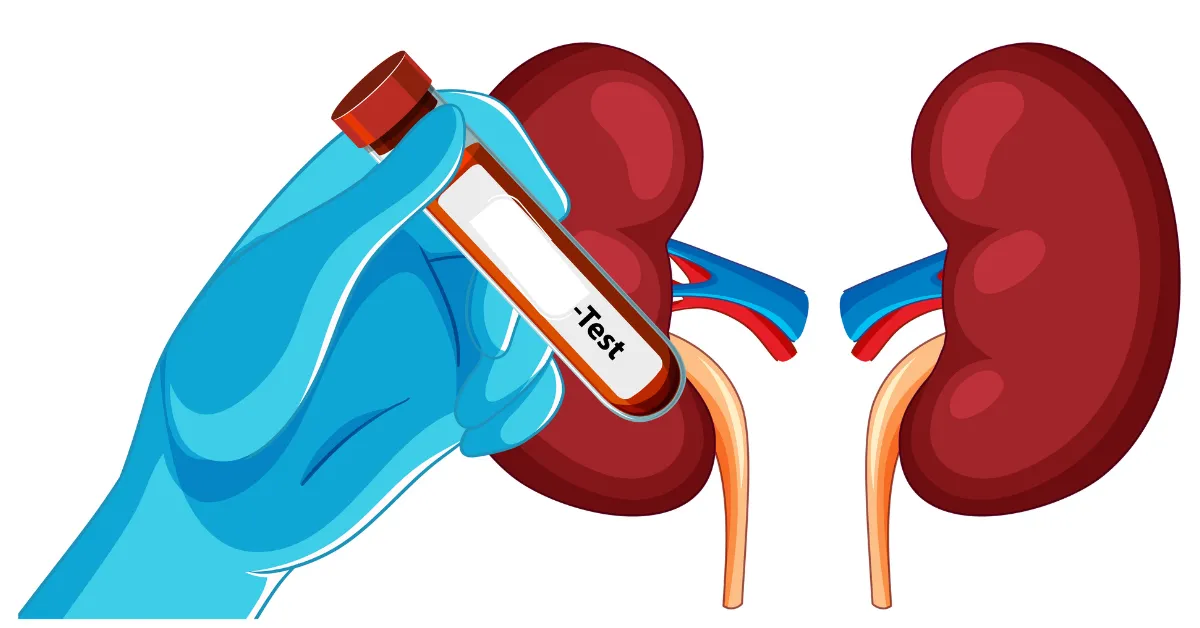
  • Blood tests: Track creatinine and eGFR levels to understand kidney function.
  • Urine tests: Check for protein leakage, which is an early sign of kidney damage.
  • Blood pressure checks: Regular monitoring helps catch spikes early.
  • Follow up appointments: Consistent visits allow your doctor to adjust your treatment plan as needed.

Lifestyle Changes for Different Stages

  • Early Stage Kidney Disease: Focus on healthy eating, regular exercise, and controlling blood pressure and blood sugar.
  • Advanced Kidney Disease: Stricter control over protein, potassium, phosphorus, and fluids often becomes necessary.
  • Dialysis Patients: Diet and fluid needs change significantly, often requiring more protein and careful fluid tracking between sessions.
  • After Kidney Transplant: A balanced diet, regular exercise, and strict medication adherence help protect the new kidney long term.

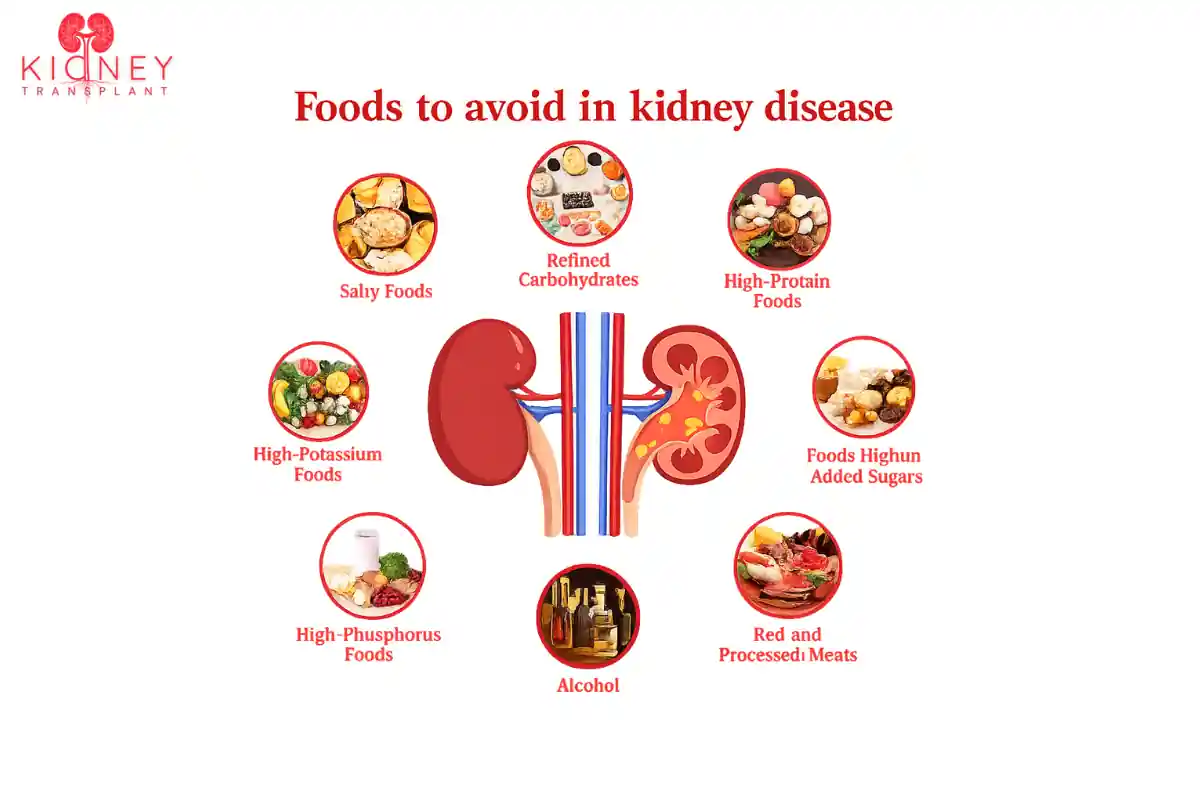
Foods and Habits to Avoid

  • High sodium foods
  • Processed foods
  • Sugary drinks
  • Excess alcohol
  • Smoking
  • Self medication without doctor approval

Daily Kidney Friendly Lifestyle Checklist

  • Eat healthy, balanced meals
  • Drink fluids as advised by your doctor
  • Exercise regularly
  • Take medications on time
  • Check blood pressure regularly
  • Get enough quality sleep
  • Avoid smoking
  • Limit alcohol intake

Common Mistakes that can Harm your Kidneys

  • Skipping medications without telling your doctor
  • Taking painkillers frequently without medical advice
  • Ignoring high blood pressure readings
  • Eating too much salt regularly
  • Missing scheduled medical appointments

When to Contact your Doctor

Seek medical attention immediately if you experience any of the following symptoms:

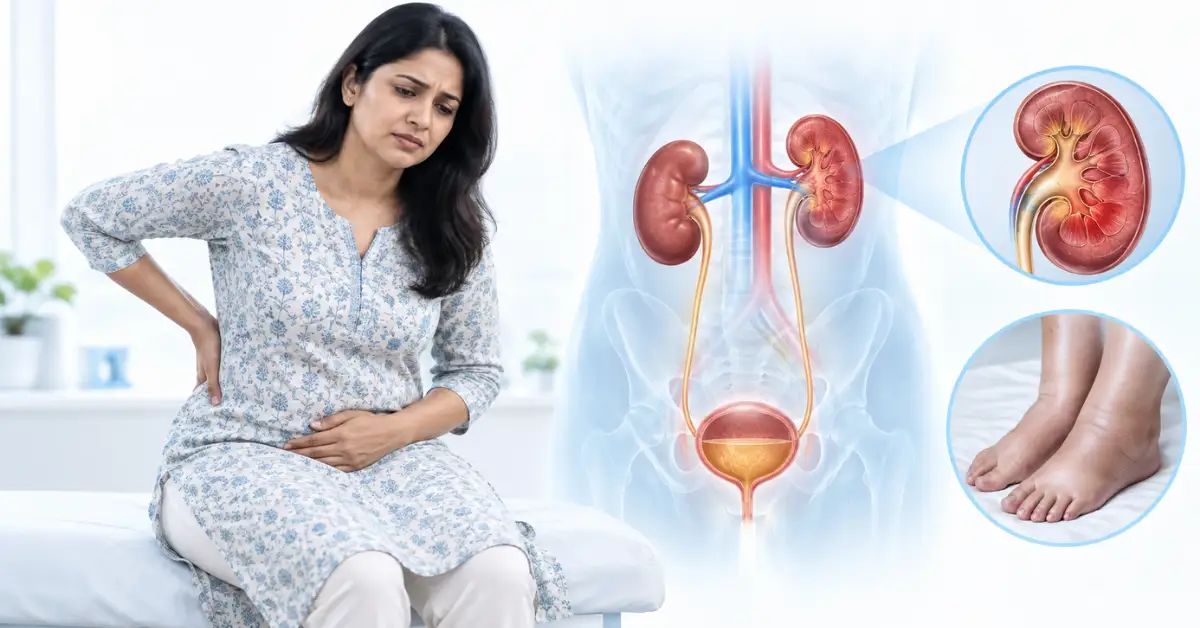
  • Sudden swelling of your face, hands, legs, or feet
  • Difficulty breathing or chest pain
  • Very little or no urine output
  • Persistent nausea or vomiting
  • Severe fatigue, weakness, or confusion
  • Rapid weight gain due to fluid retention
  • Extremely high blood pressure that is difficult to control
  • Blood in your urine accompanied by severe back or side pain

Conclusion

Making consistent lifestyle changes for kidney disease is one of the most powerful ways to protect your kidney health for years to come. From eating a kidney friendly diet and staying active to managing stress and monitoring your health regularly, these simple lifestyle changes and diet tips for kidney disease can meaningfully slow disease progression and improve daily wellbeing. The key is staying consistent and working closely with your healthcare provider and renal dietitian, so your habits stay aligned with your specific stage of kidney disease and overall health needs.

Frequently Asked Questions

Lifestyle changes usually cannot reverse existing kidney damage, but they can significantly slow progression and prevent further decline in kidney function.

Low impact activities like walking, swimming, and light cycling are generally considered safe and beneficial for most kidney disease patients.

Extra water does not automatically improve kidney function and may even be harmful in advanced stages, so fluid intake should always follow your doctor’s guidance.

Moderate coffee intake is usually fine for most kidney patients, but those with potassium or fluid restrictions should check with their doctor first.

High sodium, high phosphorus, and heavily processed foods are usually the first ones to limit, along with sugary drinks and excess alcohol.

No data was found

Read Next

Recognize kidney transplant complications early to protect your health and
Know how kidney transplant life expectancy varies with proper care
Understand Life After Kidney Transplant with healthy habits for lasting
Discover how Kidney transplant surgery helps restore kidney function and
Learn about Kidney Transplant Procedure for safer treatment and better