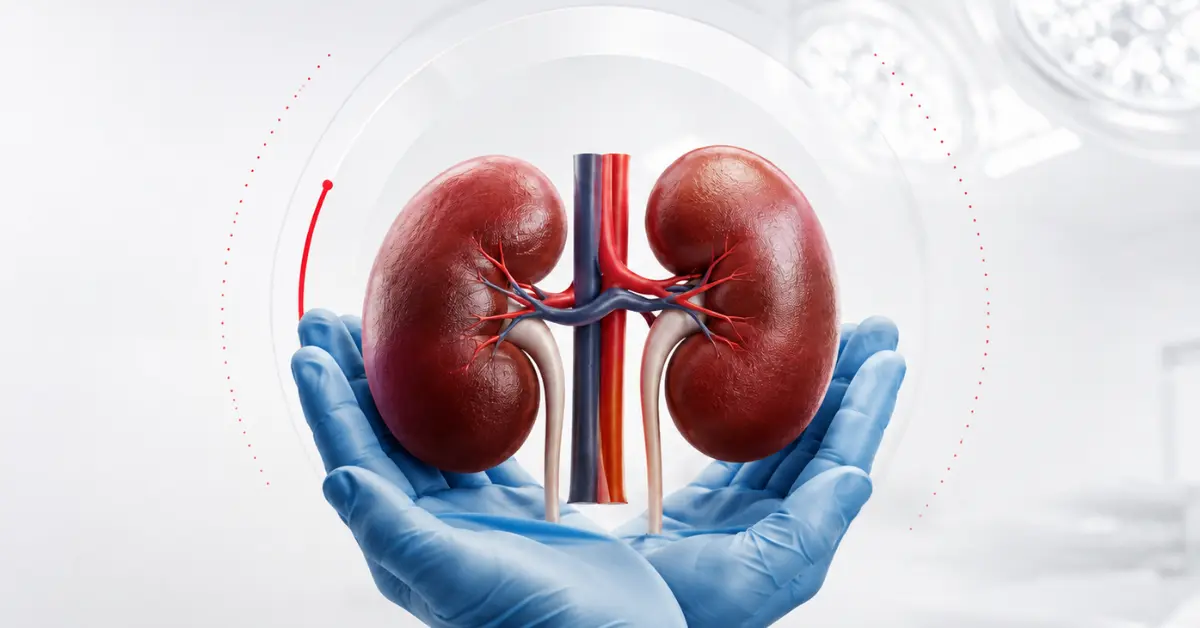
Hearing that you need a kidney transplant can bring a mix of emotions hope, uncertainty, and countless questions about what lies ahead. While the prospect of surgery may seem overwhelming, understanding each stage of the kidney transplant procedure can make the journey feel far more manageable. A kidney transplant is one of the most successful organ transplant procedures performed today, offering many patients with kidney failure the opportunity to regain independence and improve their quality of life. However, the success of the procedure depends not only on the surgery itself but also on careful preparation, expert surgical care, and proper recovery afterward. This guide walks you through every stage of the kidney transplant procedure from pre surgical evaluation and donor matching to the operation itself and what happens immediately after surgery helping you understand what to expect with confidence.
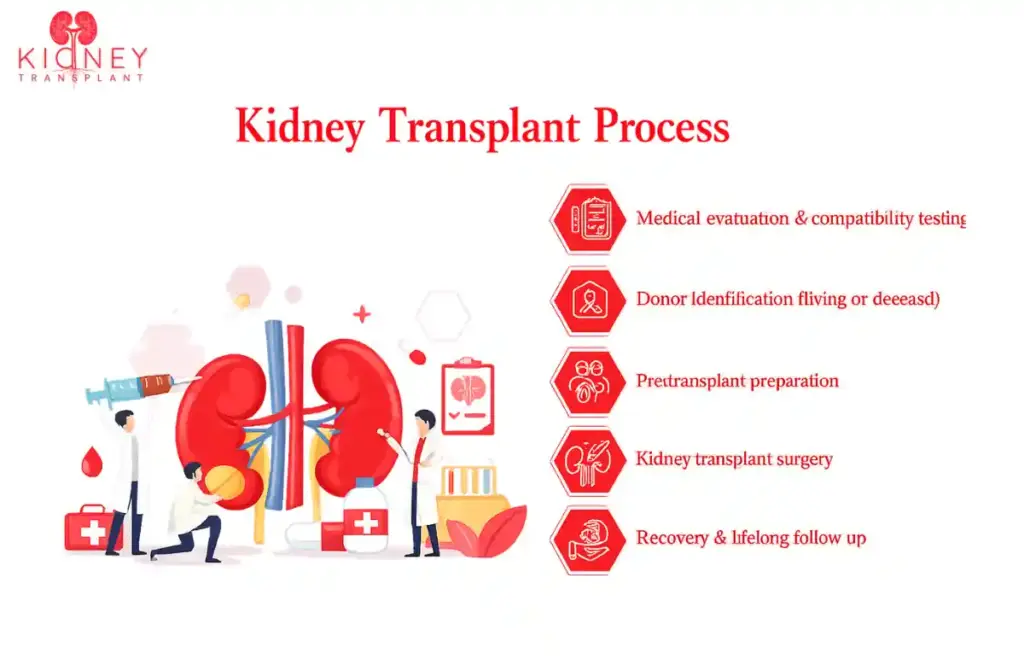
What is a Kidney Transplant Procedure?
A kidney transplant procedure is a surgical operation in which a healthy kidney from a compatible donor is implanted into a person whose kidneys have permanently lost their ability to function effectively. Instead of replacing the damaged kidneys, surgeons usually place the donor kidney in the lower abdomen, where it can be connected to nearby blood vessels and the bladder. In most cases, the patient’s original kidneys are left in place unless they are causing serious complications such as recurrent infections, uncontrolled high blood pressure, or persistent pain. Once blood circulation is restored, the transplanted kidney gradually takes over the vital functions of filtering waste, balancing body fluids, and producing urine. Although the surgery itself usually lasts only a few hours, a successful kidney transplant is the result of weeks or months of planning, detailed medical evaluations, donor compatibility testing, and coordinated care from a specialised transplant team.
Did you Know?
Unlike many other organ transplants, the new kidney is typically placed in the lower abdomen rather than in the location of the original kidneys. This approach provides easier access to major blood vessels and usually results in a safer, less complex surgical procedure.
Who Needs a Kidney Transplant Procedure?
A kidney transplant is generally recommended for individuals whose kidneys have permanently lost the ability to perform their essential functions. This stage, commonly known as end stage kidney disease (ESKD) or kidney failure, often requires either lifelong dialysis or kidney transplantation to sustain life.
Several medical conditions can eventually lead to kidney failure, including:
- Advanced Chronic Kidney Disease (CKD), where kidney function gradually declines over time.
- Diabetes, one of the leading causes of irreversible kidney damage worldwide.
- Long Standing High Blood Pressure, which damages the delicate blood vessels responsible for filtering waste.
- Polycystic Kidney Disease (PKD), an inherited condition that causes multiple cysts to develop within the kidneys.
- Glomerulonephritis, an inflammatory disease affecting the kidney’s filtering units.
- Certain Autoimmune or Congenital Kidney Disorders that progressively impair kidney function.
Not every patient with kidney disease requires immediate transplantation. Doctors carefully evaluate overall health, kidney function, and individual medical circumstances to determine whether a kidney transplant is the most suitable treatment option.
Before the Kidney Transplant Procedure
Every successful kidney transplant begins long before the day of surgery. A comprehensive pre transplant evaluation helps ensure that the patient is medically prepared, the donor kidney is compatible, and potential risks are minimised. This preparation phase is one of the most important steps in achieving a successful transplant outcome.
Medical Evaluation Before Surgery
Before approving a patient for kidney transplantation, the transplant team performs a series of detailed medical assessments to evaluate overall health and determine whether surgery can be performed safely.
- Blood Tests: Blood tests help determine the patient’s blood group, assess kidney and liver function, measure overall health, and identify infections that may require treatment before surgery. These tests also play an important role in matching the patient with a compatible donor.
- Tissue Typing (HLA Matching): Human Leukocyte Antigen (HLA) testing compares important immune system markers between the donor and recipient. A closer tissue match generally lowers the risk of the recipient’s immune system rejecting the transplanted kidney.
- Crossmatch Testing: Crossmatching is performed to determine whether the recipient has antibodies that could attack the donor kidney. A negative crossmatch indicates that transplantation is likely to be safer and more successful.
- Imaging Studies: Ultrasound scans, CT scans, and other imaging investigations help surgeons evaluate the kidneys, surrounding blood vessels, and pelvic anatomy. These images assist in planning the safest surgical approach.
- Heart and Lung Assessment: Because kidney transplantation is a major operation performed under general anaesthesia, patients undergo cardiovascular and respiratory evaluations to ensure they are fit enough for surgery.
- Infection Screening: Patients are screened for infections such as hepatitis, HIV, tuberculosis, and other communicable diseases. Identifying and treating infections beforehand significantly reduces complications after transplantation.
- General Health Assessment: The transplant team also reviews nutritional status, existing medical conditions, previous surgeries, medication history, and overall physical fitness to optimise surgical outcomes.
Expert Insight
The purpose of pre transplant testing is not simply to determine whether a patient qualifies for surgery it is to identify and address potential risks before the operation, giving both the patient and the transplanted kidney the best possible chance of long term success.
Finding a Compatible Donor
A successful kidney transplant depends on receiving a healthy kidney that is medically compatible with the recipient. The donor may be living or deceased, and both options provide excellent outcomes when carefully matched.
| Living Donor | Deceased Donor |
| Kidney donated by a healthy living individual, often a family member, friend, spouse, or altruistic volunteer. | Kidney donated after a person has passed away following consent for organ donation. |
| Surgery can usually be planned in advance. | Surgery is performed once a suitable donor organ becomes available. |
| Typically involves a shorter waiting period. | Waiting time depends on donor availability and compatibility. |
| Living donor kidneys often begin functioning sooner and may last longer. | Deceased donor kidneys also provide excellent long term outcomes for many recipients. |
What if My Donor is Not a Match?
Sometimes a willing donor is medically incompatible because of differences in blood type or tissue compatibility. Rather than ending the transplant process, doctors may recommend a paired kidney exchange, where two or more donor recipient pairs are matched so that each recipient receives a compatible kidney. This approach has significantly increased transplant opportunities for patients who otherwise might have faced much longer waiting periods.
Preparing for the Day of Surgery
Once a compatible kidney becomes available and surgery has been scheduled, patients receive detailed instructions to ensure they are fully prepared for the procedure.
- Fasting Before Surgery: Patients are usually instructed not to eat or drink for several hours before the operation. Fasting reduces the risk of complications while under general anaesthesia.
- Medication Adjustments: Certain medications, particularly blood thinners and specific diabetes medications, may need to be temporarily stopped or adjusted before surgery. Patients should always follow their transplant team’s instructions rather than making medication changes independently.
- Hospital Admission: Most patients are admitted to the hospital several hours before surgery. During admission, nurses review medical records, perform final health assessments, establish intravenous (IV) access, and prepare the patient for the operating room.
- Informed Consent: Before the procedure begins, the transplant surgeon explains the surgery, discusses its potential benefits and risks, answers any remaining questions, and obtains written consent.
- Final Compatibility Checks: Even after a donor kidney has been assigned, the transplant team performs final blood tests and compatibility assessments to ensure the organ remains suitable for transplantation.
Preparation Tip
Bring only essential personal belongings to the hospital and arrange for a family member or caregiver to assist you after discharge. Having a reliable support system can make the recovery process smoother and less stressful.
Kidney Transplant Procedure: Step by Step
Knowing what happens inside the operating room can help reduce anxiety and prepare patients for the transplant experience. Although every surgery is tailored to the individual’s medical needs, kidney transplantation generally follows a carefully planned sequence performed by a highly specialised surgical team.
Step 1: Administration of General Anaesthesia
The procedure begins with the administration of general anaesthesia, ensuring the patient remains completely asleep and pain free throughout the operation. After anaesthesia is administered, the medical team inserts an intravenous line for medications and fluids while continuously monitoring heart rate, blood pressure, oxygen levels, breathing, and body temperature. These vital signs are carefully observed throughout the surgery to maintain patient safety.
Step 2: Making the Surgical Incision
Once the patient is fully anaesthetised, the surgeon makes an incision in the lower abdomen, usually on either the right or left side of the pelvis. Unlike many people assume, the transplanted kidney is not placed where the original kidneys are located. Positioning it in the lower abdomen provides easier access to major blood vessels and the bladder, making the procedure safer and allowing future monitoring to be performed more easily. In most cases, the patient’s own kidneys remain in place unless they are causing ongoing medical complications that require removal.
Step 3: Positioning the Donor Kidney
Before implantation, the donor kidney is carefully examined to confirm that it remains healthy and undamaged during transport. The surgeon then gently positions the kidney in the prepared space within the lower abdomen. Great care is taken to orient the organ correctly so that its blood vessels and ureter can be connected without unnecessary tension or twisting, ensuring optimal blood flow and urine drainage after transplantation.
Step 4: Connecting the Blood Vessels
This is one of the most delicate and technically demanding stages of the kidney transplant procedure. Using highly precise surgical techniques, the donor kidney’s artery and vein are connected to the recipient’s nearby blood vessels. These connections restore circulation to the transplanted kidney, allowing oxygen and nutrients to reach the organ. Once blood flow is established, the surgical team carefully observes the kidney for healthy colour changes, adequate blood supply, and early signs that it is beginning to function normally.
Step 5: Connecting the Ureter
After the blood vessels have been successfully connected, the surgeon attaches the donor ureter the tube that carries urine from the kidney to the recipient’s bladder. In some patients, a small temporary stent may be placed inside the ureter to support healing and ensure urine flows freely while the surgical connection strengthens. This stent is usually removed a few weeks after the transplant during a simple outpatient procedure.
Step 6: Restoring Kidney Function
Once all surgical connections are complete, the transplant team closely monitors the donor kidney for signs that it has begun functioning. Many transplanted kidneys start producing urine almost immediately after blood flow is restored. However, some kidneys, particularly those from deceased donors, may take several days to regain full function. During this period, temporary dialysis may occasionally be required until the transplanted kidney begins working effectively. This delayed response does not necessarily indicate transplant failure and is a recognised part of recovery for some patients.
Step 7: Closing the Surgical Incision
After confirming that the kidney is well positioned, blood vessels are secure, and there is no significant bleeding, the surgeon carefully closes the incision using dissolvable sutures or surgical staples. A temporary surgical drain may occasionally be placed to remove excess fluid during the first few days after surgery. Finally, a sterile dressing is applied over the incision before the patient is transferred to the recovery area for close observation. Most kidney transplant procedures take approximately 3 to 5 hours, although the exact duration varies depending on the patient’s medical condition and the complexity of the operation.
Expert Insight
A successful kidney transplant is measured by more than the completion of surgery. Every stage from donor compatibility and meticulous surgical technique to careful monitoring during the first few hours after the operation plays a vital role in protecting the transplanted kidney and supporting long term success.
What Happens Immediately After the Kidney Transplant Procedure?
Once the surgery is complete, the focus shifts from transplantation to recovery and close monitoring. The first few hours after the procedure are critical because this is when the transplant team assesses how well the new kidney is functioning and ensures the patient is recovering safely from surgery. Although every patient’s recovery is unique, continuous monitoring during this period helps identify and manage any potential complications at the earliest possible stage.
- Recovery Room and Transplant Unit: Immediately after surgery, patients are moved to a recovery room or specialised transplant intensive care unit (ICU), depending on their medical condition. As the effects of anaesthesia gradually wear off, the healthcare team closely observes the patient’s overall condition. During this stage, several important parameters are monitored continuously:
- Vital Signs: Blood pressure, heart rate, oxygen saturation, respiratory rate, and body temperature are checked frequently. Stable circulation is essential because the transplanted kidney depends on an adequate blood supply to function properly.
- Kidney Function: One of the earliest signs of a successful transplant is urine production. Many transplanted kidneys begin producing urine within a few hours after surgery, although some may take longer to become fully functional. Regular blood tests, including serum creatinine levels, help doctors assess how well the kidney is performing.
- Pain Management: Some discomfort around the surgical incision is expected, but pain is carefully managed using medications tailored to the patient’s needs. Effective pain control not only improves comfort but also encourages early movement, which supports faster recovery.
- Intravenous Fluids and Medications: Fluids are administered through an intravenous (IV) line to maintain hydration and support kidney function. Patients also begin receiving immunosuppressive medications, antibiotics, and other essential treatments immediately after transplantation.
- Urinary Catheter and Surgical Drain: A urinary catheter is temporarily placed to accurately measure urine output during the first few days after surgery. Some patients may also have a small surgical drain near the incision to remove excess fluid and reduce swelling while healing begins.
Expert Insight
It is completely normal for the transplant team to perform frequent blood tests during the first few days after surgery. These routine assessments help detect even the smallest changes in kidney function, allowing doctors to respond quickly if needed.
Recovery Timeline After a Kidney Transplant Procedure
Recovery does not happen overnight. While many patients begin feeling better within a few weeks, complete healing takes time. Understanding the typical recovery timeline helps patients set realistic expectations and actively participate in their recovery.
| Recovery Period | What to Expect |
| First 24 Hours | Close monitoring in the recovery unit or ICU, pain management, urine output monitoring, and frequent blood tests. |
| Days 2 to 5 | Gradual increase in walking, removal of certain tubes or drains, medication adjustments, and continued monitoring of kidney function. |
| 5 to 10 Days | Most patients are discharged from the hospital once the transplanted kidney is functioning well and overall recovery is stable. |
| Weeks 2 to 6 | Recovery continues at home with regular follow up visits, wound healing, and a gradual return to light daily activities. |
| 2 to 3 Months | Many patients are able to resume work, driving, and other routine activities after receiving approval from their healthcare provider. |
| Around 6 Months | Most patients have recovered significantly, although lifelong follow up care and medications remain essential. |
Recovery timelines vary from person to person depending on age, overall health, donor type, and how well the transplanted kidney functions during the early postoperative period.
Possible Risks During and After the Kidney Transplant Procedure
Like any major operation, a kidney transplant carries certain risks. However, advances in surgical techniques, anaesthesia, and postoperative care have made the procedure safer than ever before. Understanding these potential complications allows patients to recognise symptoms early and seek timely medical attention.
- Bleeding: A small amount of bleeding is expected after surgery, but excessive bleeding is uncommon. In rare situations, additional treatment or surgery may be required to control significant blood loss.
- Infection: The surgical incision and temporary weakening of the immune system increase the risk of infection, particularly during the first few weeks after transplantation. Careful wound care and prescribed medications help minimise this risk.
- Blood Clots: Reduced mobility immediately after surgery can increase the risk of developing blood clots. Early walking, leg exercises, and preventive medications are commonly used to improve circulation and reduce this complication.
- Urine Leakage: Occasionally, the surgical connection between the donor ureter and the bladder may leak urine. Although uncommon, this complication can usually be treated successfully when identified early.
- Delayed Graft Function: Some transplanted kidneys, particularly those from deceased donors, require several days before they begin working efficiently. Temporary dialysis may be necessary during this period until kidney function improves.
- Organ Rejection: Despite careful donor matching and modern immunosuppressive therapy, the immune system may still recognise the transplanted kidney as foreign. Fortunately, many episodes of rejection can be successfully managed when detected early through routine monitoring.
Did you Know?
Delayed kidney function after transplantation does not necessarily mean the transplant has failed. Some kidneys simply need additional time to recover before functioning normally.
Tips for a Smooth Recovery After the Procedure
Recovery continues long after leaving the hospital. Following your transplant team’s instructions carefully helps protect the new kidney and reduces the risk of complications.
- Take Every Medication Exactly as Prescribed: Immunosuppressive medications are essential for preventing organ rejection. Taking every dose on time is one of the most important factors influencing the long term success of a kidney transplant.
- Walk Every Day: Gentle walking improves blood circulation, reduces the risk of blood clots, and gradually rebuilds strength. Physical activity should be increased gradually and always according to medical advice.
- Stay Well Hydrated: Adequate hydration supports healthy kidney function and assists the body during recovery. Fluid intake should follow the recommendations provided by the transplant team.
- Protect the Surgical Incision: Keep the incision clean and dry, avoid unnecessary pressure on the area, and watch for redness, swelling, drainage, or increasing pain that may indicate infection.
- Eat a Nutritious Diet: A balanced diet rich in lean proteins, fruits, vegetables, and whole grains supports wound healing, strengthens immunity, and promotes overall recovery. Dietary recommendations may vary depending on medications and kidney function.
- Avoid Heavy Lifting: Heavy lifting and strenuous exercise should be avoided for several weeks after surgery to allow the incision and surrounding tissues to heal properly.
- Never Miss Follow Up Appointments: Routine follow up visits allow doctors to monitor kidney function, adjust medications, and detect potential complications before symptoms develop.
Recovery Tip
Every patient’s recovery progresses at a different pace. Focus on steady improvement rather than comparing your recovery with someone else’s experience.
When Should you Contact your Doctor Immediately?
Although regular follow up appointments help monitor your recovery, certain symptoms require prompt medical attention.
| Symptom | Why Immediate Medical Care is Important |
| Fever above 38°C (100.4°F) | May indicate infection or early transplant rejection. |
| Sudden decrease in urine output | Could signal reduced kidney function or urinary obstruction. |
| Persistent vomiting or diarrhoea | Can lead to dehydration and interfere with medication absorption. |
| Severe swelling of the legs or face | May indicate fluid retention or declining kidney function. |
| Chest pain or difficulty breathing | Could represent a serious medical emergency requiring immediate evaluation. |
| Redness, swelling, or discharge from the incision | Possible signs of a surgical site infection. |
| Increasing pain around the transplant site | May indicate infection, bleeding, or another postoperative complication. |
| Sudden weight gain | Can result from fluid retention associated with reduced kidney function. |
Prompt medical attention often prevents small problems from becoming serious complications.
Conclusion
A kidney transplant procedure is a carefully coordinated process that extends far beyond the operating room. From detailed pre transplant evaluations and donor matching to the surgical procedure itself and structured postoperative care, every stage is designed to give the transplanted kidney the best possible opportunity to function successfully. Although the journey involves patience, commitment, and lifelong medical follow up, understanding what to expect at each stage can make the experience far less overwhelming. With advances in transplant medicine, experienced surgical teams, and consistent post transplant care, many patients go on to lead active, independent, and fulfilling lives. Receiving a kidney transplant is not simply the end of kidney failure treatment it is the beginning of a new chapter built on careful medical care, healthy lifestyle choices, and the opportunity for renewed health.
Read More: Chronic Kidney Disease