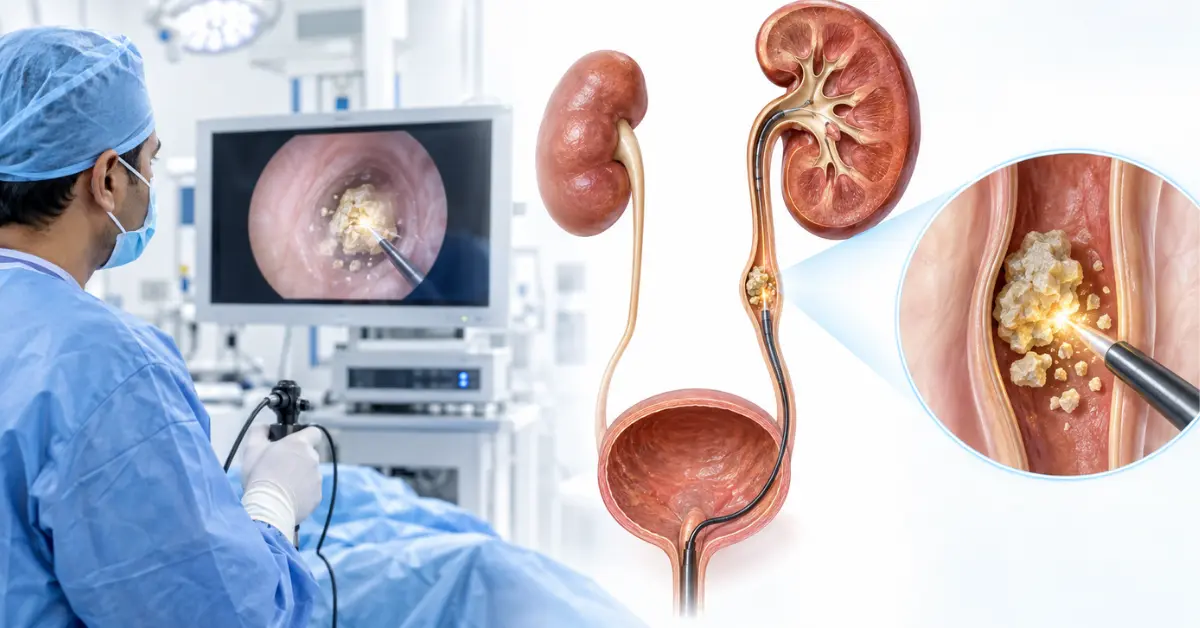
A kidney transplant is often described as a second chance at life and for good reason. It can free many people from dialysis, restore energy levels, improve overall health, and make everyday activities easier once again. Yet, while the surgery marks a significant milestone, it is not the final destination. The real journey begins after the transplant. Living with a transplanted kidney means embracing lifelong care, developing healthy habits, and working closely with your transplant team to protect the new organ. From taking anti rejection medications on time to maintaining a balanced lifestyle, every decision contributes to the long term success of the transplant. Whether you have recently undergone a kidney transplant, are preparing for one, or are supporting a loved one through recovery, understanding what lies ahead can make the journey less overwhelming and far more empowering. This guide explains what to expect during recovery, how to care for your transplanted kidney, and the practical steps that help you enjoy a healthy, active, and fulfilling life.
Life After a Kidney Transplant: A New Beginning
A successful kidney transplant does more than replace a failing organ it restores opportunities that kidney disease may have taken away. Many recipients experience improved energy, better appetite, enhanced physical strength, and greater independence compared to life on dialysis. However, the transplant is only the beginning of a lifelong partnership between you, your healthcare team, and your new kidney. Unlike a natural kidney, a transplanted kidney requires continuous protection through medications, regular health monitoring, and healthy lifestyle choices. Looking after the transplanted kidney every day significantly improves its chances of functioning well for many years.
Every recovery journey is unique and depends on several factors, including:
- Your age and overall health before transplantation.
- Whether the kidney came from a living or deceased donor.
- How quickly the transplanted kidney begins functioning.
- Other medical conditions such as diabetes or hypertension.
- Your commitment to medications, follow up appointments, and healthy daily habits.
Rather than comparing your recovery with someone else’s, focus on your own progress and follow the personalised guidance provided by your transplant team.
Did you Know?
Many transplanted kidneys begin producing urine immediately after surgery, while others may take several days or even weeks to reach their full function. Both situations can be completely normal depending on the patient’s condition and the donor kidney.
Recovery Timeline: What to Expect
Recovery after a kidney transplant is gradual. While every individual heals at a different pace, understanding the typical recovery timeline can help set realistic expectations and reduce unnecessary anxiety.
| Recovery Stage | What you Can Generally Expect |
| First Week | Hospital recovery, pain management, early walking, frequent blood tests, and close monitoring of kidney function. |
| Weeks 2 to 6 | Surgical wound continues healing, energy gradually improves, medications are adjusted, and regular follow up visits remain frequent. |
| 2 to 3 Months | Many patients begin returning to work, driving, light exercise, and everyday routines with medical approval. |
| 3 to 6 Months | Recovery becomes more stable, strength continues to improve, and hospital visits become less frequent. |
| Beyond 6 Months | Most patients resume a normal lifestyle while continuing lifelong medications and routine medical follow up. |
These timelines are only general guidelines. Some patients recover more quickly, while others require additional time depending on their overall health and individual circumstances.
The First Few Weeks After Surgery
The first few weeks following a kidney transplant are among the most important stages of recovery. During this period, your healthcare team carefully monitors both your surgical healing and the performance of your transplanted kidney. Although you may already notice positive changes, your body is still recovering from major surgery, and your medications are being adjusted to achieve the right balance between preventing rejection and minimising side effects.
Regular Follow Up Appointments
Initially, hospital visits are frequent because transplant specialists need to ensure that your new kidney is functioning properly and that your body is responding well to treatment.
| Follow Up Assessment | Why it is Important |
| Blood tests | Monitor kidney function, electrolyte levels, and anti rejection medication levels. |
| Urine tests | Evaluate how effectively the transplanted kidney is filtering waste. |
| Blood pressure monitoring | Helps protect long term kidney health and detect early complications. |
| Surgical wound examination | Confirms proper healing and identifies signs of infection early. |
| Weight monitoring | Detects fluid retention or sudden changes that require medical attention. |
| Medication review | Allows doctors to adjust immunosuppressive medicines safely. |
As recovery progresses, these appointments become less frequent, but they remain an essential part of lifelong transplant care.
What you May Experience During Recovery
Every person’s recovery is different, but several temporary changes are commonly experienced after kidney transplant surgery.
These may include:
- Mild discomfort or tenderness around the surgical incision.
- Feeling tired as the body heals from major surgery.
- Increased urine production compared to life on dialysis.
- Gradual improvement in appetite and energy levels.
- Temporary fluctuations in blood pressure.
- Frequent blood tests to monitor kidney function and medication levels.
Most of these changes improve steadily over the first few weeks as your body adjusts to the transplanted kidney.
Tips for a Smooth Recovery
The habits you develop during the early recovery period can influence your long term transplant success.
To support healing:
- Get enough sleep and allow your body adequate time to recover.
- Walk short distances several times a day to improve circulation and reduce the risk of complications.
- Stay well hydrated according to your transplant team’s recommendations.
- Keep the surgical incision clean and dry, and report any unusual redness, swelling, or discharge.
- Avoid lifting heavy objects or performing strenuous activities until your surgeon advises it is safe.
- Never miss scheduled follow up appointments, even if you feel completely well.
Anti Rejection Medicines: The Key to Protecting your New Kidney
One of the biggest adjustments after a kidney transplant is taking immunosuppressive medications for life. These medicines are essential because the body’s immune system naturally identifies the transplanted kidney as a foreign organ and attempts to attack it. Without anti rejection medications, even a healthy transplanted kidney can be damaged or rejected. Although taking lifelong medication may seem overwhelming initially, it soon becomes a routine that protects the kidney and supports long term health.
How Do Immunosuppressive Medicines Work?
Your immune system is designed to defend you against infections and other harmful substances. Unfortunately, it cannot naturally distinguish between harmful invaders and a donated kidney. Immunosuppressive medications reduce this immune response, allowing the transplanted kidney to function while still enabling your body to fight many everyday infections.
Your transplant team carefully adjusts medication doses based on:
- Blood test results.
- Kidney function.
- Age and body weight.
- Other medical conditions.
- Any side effects you may experience.
Because every patient responds differently, medication schedules are personalised and may change over time.
Why Medication Adherence is So Important
Missing anti rejection medicines even occasionally can significantly increase the risk of transplant rejection. Unlike many medications that allow some flexibility, immunosuppressive drugs work best when taken at exactly the prescribed times every day.
To help maintain consistent medication levels:
- Take every dose at the same time each day.
- Use smartphone reminders, alarms, or pill organisers.
- Refill prescriptions before they run out.
- Never stop or change medications without medical advice.
- Inform every doctor, dentist, or pharmacist that you have received a kidney transplant before starting any new medication.
Common Side Effects of Anti Rejection Medicines
Like all medications, immunosuppressive drugs may cause side effects. However, not every patient experiences them, and many can be effectively managed through regular monitoring, dose adjustments, and healthy lifestyle choices. Understanding these possible effects helps patients recognise changes early while avoiding unnecessary concern.
| Possible Side Effect | How it is Managed |
| Increased risk of infections | Regular monitoring, preventive measures, and prompt treatment when needed. |
| High blood pressure | Lifestyle changes and blood pressure medications if necessary. |
| Elevated blood sugar | Regular screening, healthy diet, exercise, and medication adjustments. |
| Increased cholesterol | Balanced nutrition, physical activity, and treatment when required. |
| Mild tremors | Often improve after adjusting medication doses under medical supervision. |
| Weight gain or increased appetite | Healthy eating habits and regular physical activity help maintain a healthy weight. |
Never stop taking your medications because of side effects without consulting your transplant specialist. In many cases, simple adjustments can improve symptoms while continuing to protect the transplanted kidney.
Recognising the Signs of Kidney Rejection
Modern transplant medicine has greatly reduced the risk of kidney rejection, but it remains a possibility throughout the life of the transplanted organ. The encouraging news is that many rejection episodes can be successfully treated when detected early. One important fact every transplant recipient should remember is that rejection does not always cause noticeable symptoms. Sometimes, the earliest indication is a change in routine blood test results, highlighting why regular follow up appointments remain essential even when you feel perfectly healthy.
Warning Signs That Should Never be Ignored
Contact your transplant team immediately if you notice:
- Reduced urine output.
- Swelling of the hands, feet, ankles, or face.
- Sudden weight gain caused by fluid retention.
- Persistent fever or chills.
- Pain or tenderness near the transplanted kidney.
- Unusual fatigue or weakness.
- Blood pressure that suddenly becomes difficult to control.
- Blood test results showing an increase in creatinine levels.
These symptoms do not always mean rejection has occurred, but they require prompt medical evaluation to identify the underlying cause.
Why Early Treatment Matters
When recognised early, many episodes of rejection respond well to adjustments in immunosuppressive therapy or additional medical treatment. Delaying evaluation may allow further damage to occur, potentially affecting the long term function of the transplanted kidney. For this reason, it is always better to contact your transplant team early rather than wait for symptoms to worsen.
Preventing Infections After a Kidney Transplant
One of the most important aspects of life after a kidney transplant is protecting yourself from infections. Anti rejection medicines are essential for preserving the transplanted kidney, but because they suppress the immune system, they also make it harder for your body to fight certain infections especially during the first few months after surgery. The good news is that most infections can be prevented or treated effectively with sensible precautions, good hygiene, and early medical attention.
Everyday Habits That Help Reduce Infection Risk
Simple daily practices can significantly lower your chances of developing infections without affecting your quality of life.
- Wash your Hands Regularly, Particularly before eating, after using the restroom, and after returning home from public places. Proper hand hygiene remains one of the most effective ways to prevent infections.
- Avoid Close Contact With People Who are Unwell: If family members or friends have a contagious illness such as influenza or a stomach infection, it is best to limit exposure until they recover.
- Practice Safe Food Hygiene: Thoroughly wash fruits and vegetables, cook meat and seafood completely, and avoid unpasteurised dairy products or undercooked foods that may carry harmful bacteria.
- Maintain Excellent Oral Hygiene: Healthy gums and teeth help reduce the risk of infections spreading through the bloodstream. Inform your dentist about your transplant before any dental treatment.
- Keep your Vaccinations Up to Date: Your transplant team will recommend vaccines that are safe and appropriate after transplantation.
- Take Care of your Skin: Clean even minor cuts or scratches promptly and monitor them for signs of infection.
Did you Know?
Because symptoms may progress more quickly in transplant recipients, even a persistent fever, painful urination, or an unexplained cough should be reported to your transplant team as soon as possible.
Eating Well After a Kidney Transplant
A kidney transplant often allows patients to enjoy a far more flexible diet than they had while receiving dialysis. However, healthy nutrition remains essential for protecting the transplanted kidney, maintaining a healthy weight, and reducing the risk of complications such as diabetes, high blood pressure, and heart disease. Rather than following a restrictive diet, the goal is to develop sustainable eating habits that support lifelong health.
Foods That Support Recovery and Long Term Health
A balanced diet should include a variety of nutrient rich foods that nourish the body while supporting the health of the transplanted kidney.
| Food Group | Benefits |
| Fresh fruits | Rich in vitamins, antioxidants, and fibre that support immunity and overall wellness. |
| Vegetables | Promote digestive health, heart health, and provide essential nutrients. |
| Whole grains | Supply long lasting energy while helping maintain healthy blood sugar levels. |
| Lean proteins | Support tissue healing, muscle strength, and recovery after surgery. |
| Healthy fats | Contribute to cardiovascular health when consumed in moderation. |
| Adequate fluids | Help maintain hydration according to your transplant team’s advice. |
Foods to Limit
Although dietary restrictions are generally fewer after transplantation, moderation remains important.
It is advisable to limit:
- Processed foods that are high in salt.
- Sugary drinks and sweets that can contribute to weight gain or diabetes.
- Foods high in saturated and trans fats.
- Excessive alcohol unless approved by your healthcare provider.
- Herbal supplements or over the counter remedies without consulting your transplant specialist.
Expert Insight
Some anti rejection medications may increase appetite or affect blood sugar and cholesterol levels. A balanced diet combined with regular physical activity can help minimise these long term effects.
Staying Physically Active
Exercise plays an important role in rebuilding strength after surgery and maintaining long term kidney health. Once your transplant team confirms that it is safe to begin exercising, regular physical activity becomes an essential part of a healthy lifestyle.
Benefits of Regular Exercise
Consistent physical activity offers benefits that extend well beyond fitness it can:
- Improve heart and lung health.
- Strengthen muscles and bones.
- Help maintain a healthy body weight.
- Lower blood pressure.
- Reduce the risk of diabetes and cardiovascular disease.
- Improve mood, confidence, and overall quality of life.
Recommended Activities
Most kidney transplant recipients can safely enjoy low impact exercises such as:
- Walking
- Cycling
- Swimming (after the surgical wound has completely healed)
- Yoga and stretching
- Light resistance training with medical approval
The key is to progress gradually rather than trying to return immediately to intense physical activity.
Returning to Everyday Life
One of the greatest benefits of a successful kidney transplant is the opportunity to regain independence and return to activities that may have been limited by kidney disease. Although every recovery is different, most patients gradually resume many aspects of normal life with guidance from their healthcare team.
Returning to Work
Many people return to work within six to twelve weeks after surgery, depending on the type of work they perform and how their recovery progresses. Those with physically demanding jobs may require a longer recovery period than individuals who work primarily in office settings.
Driving Again
Driving is generally safe once your surgical wound has healed, pain is well controlled, and you are able to move comfortably without restrictions. Always follow your surgeon’s recommendations before getting back behind the wheel.
Travelling After a Kidney Transplant
Travelling is possible for most transplant recipients once recovery has stabilised.
Before travelling:
- Carry enough medication for the entire trip.
- Keep medicines in their original packaging.
- Carry a copy of your medical records and transplant information.
- Stay well hydrated.
- Know where the nearest healthcare facility is if travelling internationally.
With proper planning, many transplant recipients safely enjoy holidays, business trips, and international travel.
Emotional Well Being: Caring for More Than your Kidney
Recovery after a kidney transplant involves emotional healing as well as physical recovery. Many recipients experience feelings of gratitude and excitement, while others may feel anxious about protecting their new kidney or adjusting to life after years of chronic illness. These emotions are completely normal and often improve with time.
Supporting your Mental Health
Looking after your emotional well being is just as important as caring for your physical health.
Helpful strategies include:
- Talking openly with family and close friends.
- Joining transplant support groups to learn from others with similar experiences.
- Practising stress management techniques such as meditation or deep breathing.
- Returning to hobbies and activities you enjoy.
- Seeking professional counselling if anxiety or low mood begins to affect your daily life.
A positive mindset does not mean ignoring challenges it means having the support and confidence to manage them effectively.
Lifelong Follow Up: Why Regular Monitoring Never Stops
Even if you feel completely healthy, routine follow up appointments remain essential throughout your life. Many transplant related complications develop gradually without causing obvious symptoms. Regular monitoring allows your transplant team to identify potential problems early, when treatment is often most effective.
| Routine Assessment | Why it is Performed |
| Blood tests | Monitor kidney function and anti rejection medication levels. |
| Urine tests | Detect early changes affecting the transplanted kidney. |
| Blood pressure checks | Help protect kidney function and cardiovascular health. |
| Blood sugar monitoring | Identify diabetes or medication related changes early. |
| Cholesterol testing | Reduce the long term risk of heart disease. |
| Cancer screening | Detecting certain cancers early, as immunosuppressive medicines may slightly increase risk over time. |
Think of these appointments as preventive care rather than treatment they help protect your transplanted kidney before problems develop.
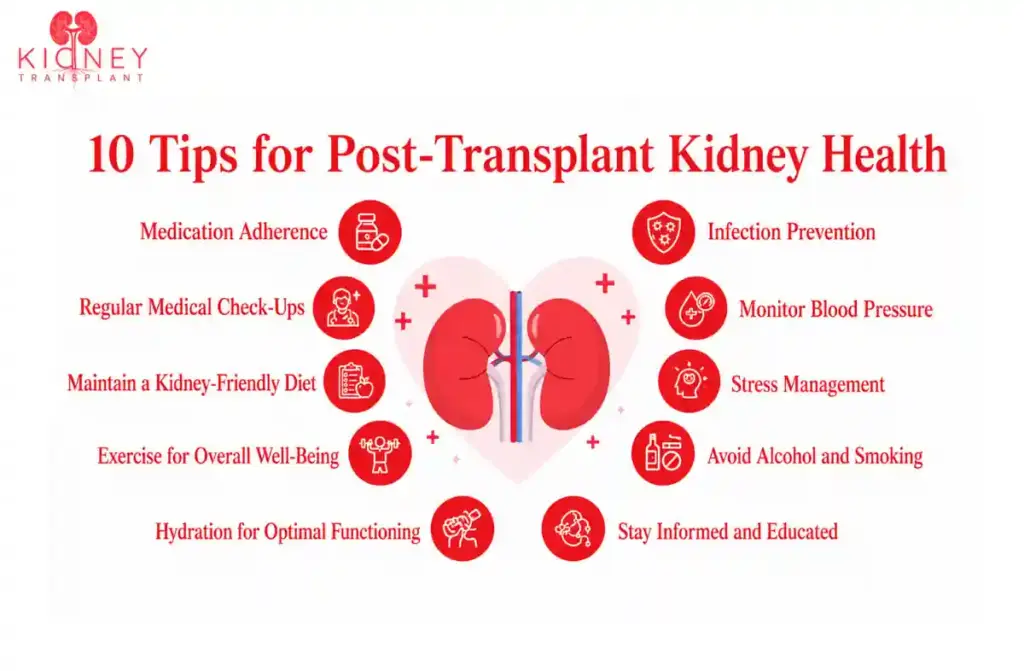
Healthy Habits That Protect your New Kidney
The long term success of a kidney transplant depends on the choices made every day. Small, consistent habits often have a greater impact than occasional efforts.
| Healthy Habit | Why it Matters |
| Take medications exactly as prescribed | Minimises the risk of rejection and protects kidney function. |
| Attend every follow up appointment | Allows early detection of potential complications. |
| Maintain healthy blood pressure | Reduces stress on the transplanted kidney. |
| Control blood sugar levels | Helps prevent diabetes related kidney damage. |
| Exercise regularly | Supports heart health and overall well being. |
| Eat a balanced diet | Helps maintain a healthy weight and good kidney health. |
| Avoid smoking | Improves circulation and reduces cardiovascular risk. |
| Limit alcohol as advised | Helps prevent unnecessary health complications. |
| Stay well hydrated | Supports overall kidney function according to medical advice. |
| Report unusual symptoms early | Enables timely treatment and better outcomes. |
Myth vs Fact: Understanding Life After a Kidney Transplant
Many misconceptions surround kidney transplantation. Understanding the facts helps patients make informed decisions and avoid unnecessary anxiety.
| Myth | Fact |
| My transplant means I no longer need medical care. | Lifelong follow up appointments and medications remain essential for protecting the transplanted kidney. |
| Missing one dose of medication is harmless. | Even occasional missed doses can increase the risk of rejection. |
| I cannot exercise after a kidney transplant. | Most recipients can safely return to regular physical activity once their doctor approves. |
| A kidney transplant cures all kidney related health problems. | While transplantation greatly improves quality of life, ongoing medical care is still necessary. |
| I cannot travel anymore. | Most transplant recipients can travel safely with appropriate planning and medical guidance. |
Can Kidney Transplant Recipients Live a Normal Life?
For many people, the answer is yes.
A successful kidney transplant allows many recipients to return to work, spend time with family, pursue hobbies, exercise regularly, travel, and participate fully in everyday life. Although lifelong medication and routine medical follow up become permanent responsibilities, they soon become part of a healthy routine rather than barriers to living independently. Many transplant recipients go on to enjoy productive careers, raise families, and lead active lifestyles for many years after surgery.
Long Term Outlook and Life Expectancy After a Kidney Transplant
One of the most common questions patients ask is, “How long will my transplanted kidney last?”
There is no single answer because every transplant is unique. Factors such as donor type, age, overall health, medication adherence, and regular medical follow up all influence long term outcomes.Thanks to advances in transplant medicine, many transplanted kidneys continue functioning successfully for 10 to 20 years or longer, and some last considerably beyond that. More importantly, many recipients experience a significant improvement in both life expectancy and quality of life compared with remaining on long term dialysis. While no transplant lasts forever, protecting your kidney through healthy daily habits gives it the best possible opportunity to function for many years.
When Should you Contact your Doctor Immediately?
Prompt medical attention can prevent many complications from becoming serious.
Contact your transplant team immediately if you experience:
- Persistent fever or chills.
- Blood in the urine.
- Difficulty or pain while passing urine.
- Sudden swelling of the hands, feet, or face.
- Severe abdominal pain near the transplanted kidney.
- Persistent vomiting that prevents you from taking medications.
- Shortness of breath.
- Sudden unexplained weight gain.
- Blood pressure that becomes unusually high.
- Redness, swelling, or discharge from the surgical wound.
- Missed doses of anti rejection medication or difficulty obtaining your medicines.
Never hesitate to contact your transplant team if something feels unusual. Early assessment is always preferable to delaying care.
Conclusion
A kidney transplant is far more than a surgical procedure it is the beginning of a lifelong commitment to better health. While the operation provides a new kidney, the years that follow are shaped by the daily choices you make to protect it. Taking medications exactly as prescribed, attending regular follow up appointments, eating a balanced diet, staying physically active, and recognising early warning signs all play a vital role in maintaining the health of your transplanted kidney. Most importantly, remember that a successful transplant is not defined simply by how long the kidney lasts, but by the life it allows you to live. With informed care, consistent medical support, and healthy habits, many transplant recipients go on to enjoy years of renewed independence, meaningful experiences, and a quality of life that once seemed out of reach. Your transplant is a second chance protect it, nurture it, and let it become the foundation for a healthier future.
Read More: Kidney Transplant Surgery