One of the first questions most patients ask after a kidney transplant is, “How long will my new kidney last?” It is an understandable concern. A kidney transplant represents a major medical milestone, and patients naturally want to know what to expect in the years ahead. The answer is encouraging: modern kidney transplantation has significantly improved life expectancy and long term survival. Many transplant recipients live for decades after surgery, and many transplanted kidneys continue functioning successfully for 10, 15, 20 years, or even longer. However, there is no single number that applies to everyone. Kidney transplant life expectancy depends on several factors, including the type of donor, the recipient’s overall health, medication adherence, blood pressure control, and ongoing medical follow up. This guide explains what kidney transplant life expectancy really means, how long transplanted kidneys typically function, and the factors that can help improve long term outcomes.
Understanding Kidney Transplant Life Expectancy
A common source of confusion is the difference between patient survival and graft survival.
- Patient survival: Person Refers to how long the transplant recipient lives after the transplant.
- Graft survival: Kidney Refers to how long the transplanted kidney continues to function properly.
These two measurements are not always the same. A transplanted kidney may eventually lose function, but the patient may still live many additional years with further treatment, dialysis, or even another transplant.
Did you Know?
Many patients who experience failure of a transplanted kidney can still be considered for a second kidney transplant, depending on their overall health and medical evaluation.
How Long Can you Live After a Kidney Transplant?
One of the first questions most patients ask after a kidney transplant is, “How long will my new kidney last?”
The answer is encouraging. Thanks to remarkable advances in transplant surgery, anti rejection medications, donor matching, and long term medical care, kidney transplant recipients are living longer than ever before. For many people, a successful transplant offers not only a longer life but also a significantly better quality of life compared to long term dialysis. Although no doctor can predict the exact lifespan of a transplanted kidney, many recipients enjoy years or even decades of healthy kidney function by following their treatment plan and maintaining healthy lifestyle habits.
Typical Long Term Outcomes
The table below provides a general overview of what many patients can expect. These figures represent broad clinical observations and may vary depending on individual health, donor type, and ongoing medical care.
| Outcome | What it Means | Typical Long Term Outlook |
| Patient Survival | Refers to how long a person lives after receiving a kidney transplant. | Many recipients live active, fulfilling lives for decades with appropriate medical care and healthy lifestyle choices. |
| Living Donor Kidney | Kidney donated by a healthy living donor. | Frequently remains functional for 15 to 20 years or longer, offering the best long term outcomes for many patients. |
| Deceased Donor Kidney | Kidney donated after a person’s death. | Commonly functions for 10 to15 years or longer, with many recipients experiencing excellent long term results. |
| Second Kidney Transplant | Another transplant if the first kidney eventually fails. | Many patients are suitable candidates for a second transplant, providing another opportunity for long term kidney function and improved quality of life. |
What Factors Influence Kidney Transplant Life Expectancy?
Long term outcomes are determined by a combination of medical, surgical, and lifestyle factors.
- Type of Donor: Kidneys from living donors generally have better long term survival rates because they are transplanted more quickly and often come from carefully screened healthy donors.
- Age of the Recipient: Younger recipients may have longer overall life expectancy, but older adults can also achieve excellent transplant outcomes and significant improvements in quality of life.
- Overall Health: Heart disease, obesity, diabetes, and other chronic conditions can affect both patient survival and kidney longevity.
- Blood Pressure Control: High blood pressure places extra stress on the transplanted kidney and can gradually reduce kidney function if not well controlled.
- Medication Adherence: Taking anti rejection medicines exactly as prescribed is one of the most important predictors of long term transplant success.
- Rejection Episodes: Early detection and treatment of rejection can help preserve kidney function and improve long term outcomes.
- Lifestyle Habits: Regular exercise, a balanced diet, maintaining a healthy weight, and avoiding smoking all contribute to better long term survival.
What Can Shorten Kidney Transplant Survival?
Although many transplanted kidneys function successfully for years or even decades certain medical conditions and lifestyle factors can gradually reduce their lifespan. The encouraging news is that many of these risks can be identified early and managed effectively through regular follow up care and healthy daily habits.
Factors That May Reduce the Lifespan of a Transplanted Kidney
- Chronic Rejection: Chronic rejection is one of the leading causes of long term transplant failure. Unlike acute rejection, which often develops suddenly, chronic rejection usually occurs gradually over months or years, slowly reducing the kidney’s ability to filter waste. Regular monitoring allows doctors to detect early changes and adjust treatment whenever possible.
- Poor Medication Adherence: Anti rejection medications are essential for protecting the transplanted kidney. Missing doses, taking medicines inconsistently, or stopping them without medical advice can significantly increase the risk of rejection, even many years after the transplant. Taking medications exactly as prescribed remains one of the most effective ways to preserve long term kidney function.
- Uncontrolled Diabetes: Persistently high blood sugar can damage the tiny blood vessels that supply the transplanted kidney. Over time, this may reduce kidney function and increase the likelihood of other complications. Maintaining healthy blood sugar levels through medication, diet, and regular physical activity helps protect both the kidney and overall health.
- High Blood Pressure: High blood pressure places continuous strain on the blood vessels within the transplanted kidney, gradually affecting its ability to function efficiently. Regular blood pressure monitoring, prescribed medications, and a heart healthy lifestyle play an important role in preventing long term damage.
- Recurrent Kidney Disease: In some patients, the condition that caused the original kidney failure may return and affect the transplanted kidney. Although this does not occur in every case, routine follow up appointments and early medical intervention can help identify and manage these changes as soon as possible.
- Severe or Repeated Infections: Because transplant recipients take immunosuppressive medications, serious infections can sometimes interfere with recovery and kidney function. Preventing infections through good hygiene, recommended vaccinations, and prompt medical treatment helps reduce their impact on long term transplant success.
Expert Insight
Many of the factors that affect kidney transplant survival are manageable. Consistently taking prescribed medications, attending routine follow up appointments, controlling blood pressure and diabetes, and adopting a healthy lifestyle can significantly improve the chances of your transplanted kidney functioning
How to Increase Life Expectancy After a Kidney Transplant
While no one can guarantee how long a transplanted kidney will last, certain habits consistently improve long term outcomes.
Patients who achieve the best results typically:
- Take anti rejection medicines exactly as prescribed.
- Attend every follow up appointment.
- Monitor blood pressure regularly.
- Maintain a healthy body weight.
- Follow a balanced, kidney friendly diet.
- Exercise regularly.
- Control diabetes effectively.
- Avoid smoking and tobacco products.
- Limit alcohol if advised by their healthcare provider.
- Seek medical attention promptly for unusual symptoms.
These habits not only protect the transplanted kidney but also reduce the risk of heart disease, stroke, and other major health complications that can affect overall life expectancy.
Although some factors affecting transplant outcomes such as age or donor type cannot be changed, many of the most important influences on long term survival are within the patient’s control. Protecting a transplanted kidney is not about making one major lifestyle change. Instead, it is about consistently following healthy habits every day. These small decisions, repeated over time, can have a significant impact on both kidney function and overall life expectancy.
Take Anti Rejection Medications Exactly as Prescribed
Immunosuppressive medications are the foundation of long term transplant success. They prevent the immune system from attacking the transplanted kidney and help maintain stable kidney function. Because these medicines work best when maintained at consistent levels in the bloodstream, even occasional missed doses can increase the risk of rejection.
To support medication adherence:
- Take every dose at the same time each day.
- Use reminders or pill organisers if needed.
- Refill prescriptions before they run out.
- Never stop or adjust medications without consulting your transplant specialist.
Expert Insight
Medication adherence remains one of the strongest predictors of long term kidney transplant survival. Even years after transplantation, taking anti rejection medicines exactly as prescribed continues to protect the transplanted kidney.
Maintain a Heart Healthy Lifestyle
The health of your heart and blood vessels is closely connected to the health of your transplanted kidney. Conditions such as high blood pressure, diabetes, obesity, and high cholesterol can gradually damage blood vessels throughout the body, including those supplying the transplanted kidney. A heart healthy lifestyle benefits both organs simultaneously.
This includes:
- Eating a balanced diet rich in fruits, vegetables, whole grains, and lean proteins.
- Limiting processed foods that are high in salt and unhealthy fats.
- Maintaining a healthy body weight.
- Staying physically active according to your doctor’s recommendations.
These habits not only protect the transplanted kidney but also reduce the risk of cardiovascular disease, which remains one of the leading health concerns for transplant recipients.
Stay Physically Active
Regular exercise supports long term health by improving circulation, maintaining muscle strength, controlling weight, and reducing the risk of chronic diseases. Once approved by your transplant team, aim for consistent, moderate physical activity rather than occasional intense workouts.
Suitable activities may include:
- Walking
- Cycling
- Swimming (after complete wound healing)
- Yoga
- Light strength training
The goal is not athletic performance but maintaining lifelong fitness and overall well being.
Keep Blood Pressure and Blood Sugar Under Control
High blood pressure and diabetes are among the leading causes of kidney damage worldwide. After transplantation, controlling these conditions becomes even more important. Regular monitoring, healthy lifestyle choices, and taking prescribed medications help reduce unnecessary stress on the transplanted kidney and support long term function.
Attend Every Follow Up Appointment
Feeling well does not always mean everything is functioning perfectly. Routine follow up appointments allow your transplant team to detect subtle changes in kidney function before symptoms appear.
These visits commonly include:
| Routine Assessment | Why it Matters |
| Blood tests | Monitor kidney function and medication levels. |
| Urine tests | Detect early kidney damage or infection. |
| Blood pressure checks | Help prevent long term kidney complications. |
| Blood sugar monitoring | Identify diabetes or medication related changes early. |
| Cholesterol testing | Supports long term cardiovascular health. |
Think of these appointments as preventive maintenance for your transplanted kidney rather than treatment for illness.
Daily Habits That Protect your Transplanted Kidney
Long term transplant success depends on consistency rather than perfection. The following habits help preserve kidney function while supporting overall health.
| Healthy Habit | Long Term Benefit |
| Take medications on time | Minimises the risk of rejection. |
| Eat a balanced diet | Supports kidney and heart health. |
| Exercise regularly | Improves circulation and physical fitness. |
| Stay well hydrated | Helps maintain healthy kidney function when advised by your doctor. |
| Avoid smoking | Reduces cardiovascular and transplant related risks. |
| Limit alcohol as recommended | Helps prevent unnecessary health complications. |
| Maintain a healthy weight | Lowers the risk of diabetes and hypertension. |
| Sleep adequately | Supports immune function and overall recovery. |
| Manage stress effectively | Encourages healthier long term lifestyle habits. |
Protecting your transplanted kidney is not about avoiding life it is about creating healthy routines that become part of everyday living.
Warning Signs you Should Never Ignore
Even years after transplantation, it is important to recognise symptoms that may indicate a problem with the transplanted kidney.
Seek medical advice promptly if you experience:
- Persistent fever or chills.
- Reduced urine output.
- Blood in the urine.
- Swelling of the hands, feet, ankles, or face.
- Sudden unexplained weight gain.
- Persistent vomiting that prevents medication intake.
- Pain or tenderness near the transplanted kidney.
- Difficulty controlling blood pressure.
- Increasing fatigue without an obvious reason.
Prompt medical evaluation often allows complications to be treated before they cause permanent damage.
Advances That Continue to Improve Kidney Transplant Survival
Kidney transplantation has advanced remarkably over the past several decades. These improvements continue to enhance both patient survival and graft longevity.
Some of the most important developments include:
- Improved Immunosuppressive Medications: Modern anti rejection medicines provide more effective protection while helping reduce the risk of severe rejection episodes.
- Better Donor Matching: Advances in tissue typing and compatibility testing improve donor recipient matching, contributing to better long term outcomes.
- Earlier Detection of Rejection: Sensitive blood tests, imaging techniques, and kidney biopsies allow transplant specialists to identify rejection at an earlier stage, when treatment is often more successful.
- Enhanced Infection Prevention: Improved preventive medications, vaccination strategies, and patient education have reduced many infection related complications following transplantation.
- Personalised Long Term Care: Today’s transplant care is increasingly tailored to each patient’s medical history, medication response, and overall health, helping optimize long term success.
Did you Know?
Continuous research in transplant medicine is improving outcomes every year, giving many patients the opportunity to enjoy longer lasting kidney function and better overall health than ever before.
Myth vs Fact
Misunderstandings about kidney transplantation can create unnecessary anxiety. Separating myths from facts helps patients make informed decisions and maintain realistic expectations.
| Myth | Fact |
| Every kidney transplant lasts forever. | Transplanted kidneys have varying lifespans, but proper care can significantly improve long term outcomes. |
| Once I feel healthy, I no longer need medication. | Anti rejection medicines remain essential throughout the life of the transplant. |
| A kidney transplant completely cures kidney disease. | Transplantation greatly improves health but requires lifelong monitoring and medical care. |
| Older adults cannot benefit from kidney transplantation. | Many older recipients achieve excellent quality of life and long term outcomes after transplantation. |
| If one transplant fails, there are no further options. | Many patients are eligible for another transplant or other treatments depending on their individual circumstances. |
Is a Kidney Transplant Better Than Long Term Dialysis?
For many eligible patients, kidney transplantation offers significant advantages over remaining on long term dialysis.
While dialysis is a life saving treatment, a successful kidney transplant often provides:
- Improved life expectancy for suitable candidates.
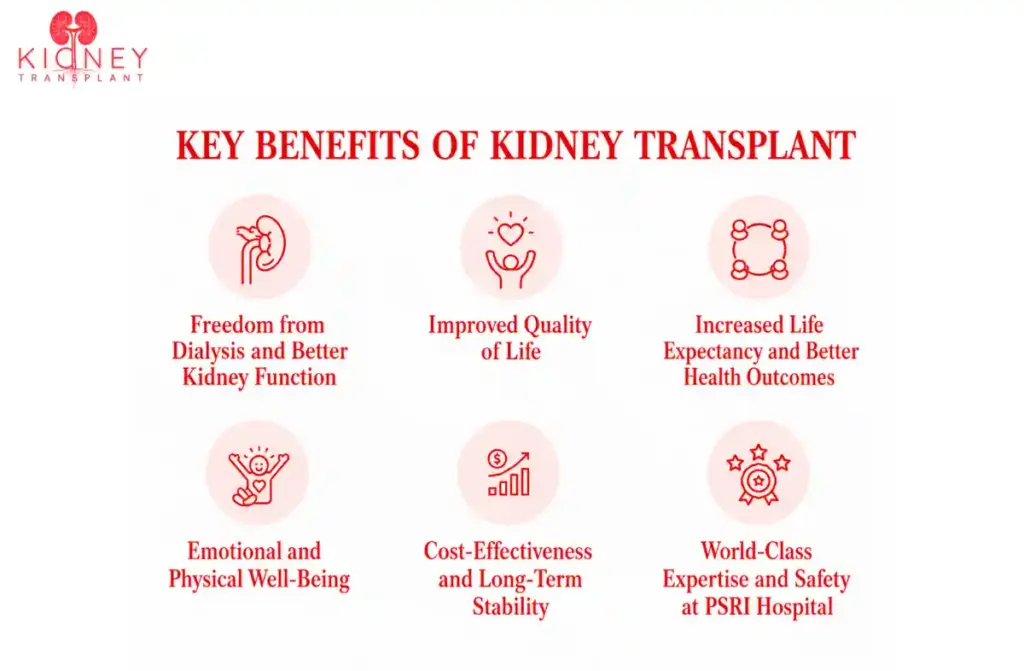
- Better quality of life and greater independence.
- Fewer dietary and fluid restrictions.
- Increased energy and physical activity.
- Improved ability to work, travel, and participate in everyday life.
- Better long term cardiovascular health for many patients.
Not every individual is a suitable candidate for transplantation, but for those who are, it often represents the most effective long term treatment for end stage kidney disease.
Conclusion
A kidney transplant is one of the most successful treatments for end stage kidney disease, offering many patients the opportunity to live longer, healthier, and more independent lives. Although there is no fixed answer to how long a transplanted kidney will last, modern advances in transplant medicine have dramatically improved both patient survival and graft longevity. Many recipients enjoy decades of active living, and some transplanted kidneys continue functioning for 20, 30 years, or even longer. While factors such as donor type and overall health influence these outcomes, the choices made after transplantation often play an equally important role. Taking anti rejection medications consistently, attending regular follow up appointments, maintaining a healthy lifestyle, and recognising potential problems early all contribute to protecting the transplanted kidney. Ultimately, the success of a kidney transplant should not be measured solely by the number of years it lasts, but by the quality of life it restores. With informed care, ongoing medical support, and a commitment to healthy living, many transplant recipients can look forward to a future filled with renewed possibilities and lasting hope.
Read More: Kidney Transplant Complications