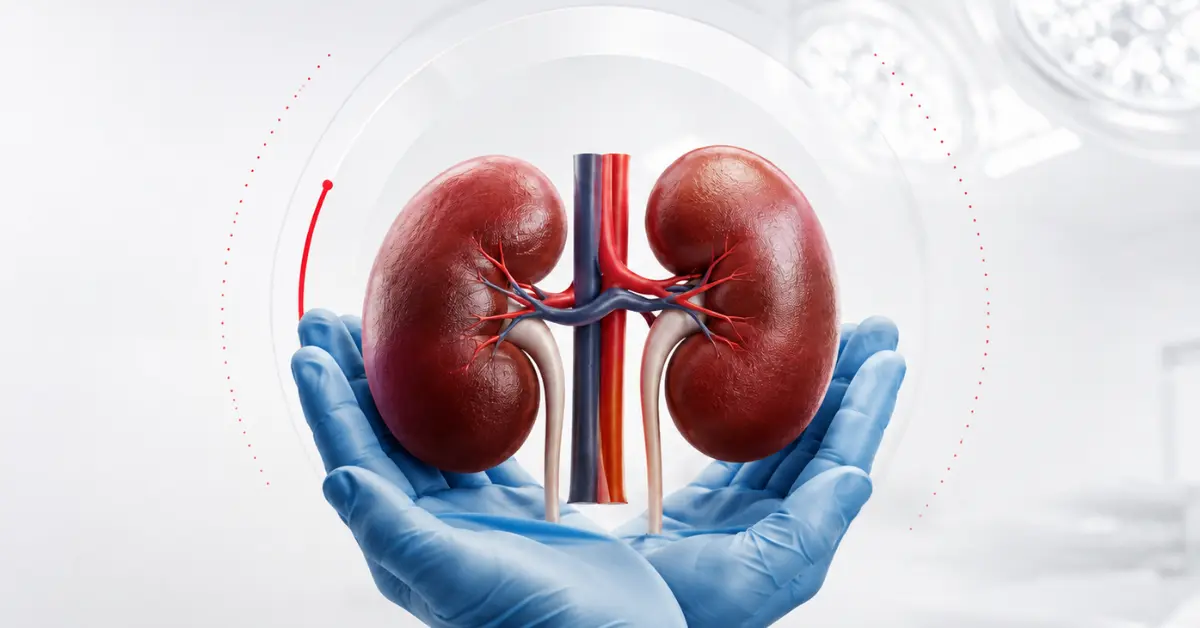
Compassionate care supports Pediatric Kidney Transplant with child focused treatment and long-term follow up.

Conditions Treated

Comprehensive medical care for a wide range of conditions, focused on recovery, symptom management, and long-term wellness.

Few experiences are as overwhelming for parents as learning that their child has kidney failure. In what feels like a single moment, everyday conversations about school, birthdays, sports, and family outings are replaced by discussions about dialysis, medications, blood tests, and the possibility of a kidney transplant. The emotional weight extends far beyond the diagnosis itself it affects the entire family, changing routines, priorities, and hopes for the future. Fortunately, remarkable advances in pediatric transplant medicine have transformed the outlook for children with advanced kidney disease. A kidney transplant does far more than replace a failing organ. It offers children the opportunity to grow, develop, attend school regularly, enjoy friendships, and experience a healthier, more active childhood.

Although the journey can seem complex, understanding each step helps families replace uncertainty with confidence. This guide explains everything parents need to know about pediatric kidney transplantation from deciding when a transplant is needed to preparing for surgery, recovery, and helping a child thrive for years to come.

Understanding Pediatric Kidney Transplant

A pediatric kidney transplant is a surgical procedure in which a healthy kidney from a living or deceased donor is transplanted into a child whose kidneys can no longer perform their essential functions. Unlike adults, children are still growing physically, emotionally, and mentally. Healthy kidneys play an important role not only in removing waste from the body but also in supporting growth, maintaining strong bones, regulating blood pressure, and producing hormones necessary for normal development. When kidney function declines permanently, these essential processes are disrupted. Children may experience delayed growth, poor appetite, fatigue, learning difficulties, and other complications that affect both their health and quality of life.

While dialysis can temporarily replace some kidney functions, it cannot fully support the developmental needs of a growing child. For many children with end stage kidney disease, transplantation offers the best opportunity to restore kidney function and improve long term health, growth, and overall well being. Rather than simply treating kidney failure, pediatric transplantation aims to give children the opportunity to live healthier childhoods and transition into adulthood with greater independence.

Why Do Children Need a Kidney Transplant?

Kidney failure in children develops for reasons that are often very different from those seen in adults. While diabetes and high blood pressure are common causes of kidney disease in older individuals, many children are born with conditions that affect kidney development or develop illnesses that gradually damage kidney function over time. Understanding the underlying cause helps families appreciate why transplantation may become the most appropriate long term treatment.

  • Congenital Kidney Abnormalities: Some children are born with kidneys that never develop normally during pregnancy. These congenital abnormalities may affect the size, structure, or function of one or both kidneys, gradually leading to chronic kidney disease. Because these conditions are present from birth, children often require long term monitoring before transplantation becomes necessary.
  • Kidney Dysplasia: Kidney dysplasia occurs when kidney tissue develops abnormally before birth. The affected kidneys may be smaller than expected or contain areas that cannot function properly. As children grow, kidney function may gradually decline until transplantation becomes the best treatment option.
  • Obstructive Uropathy and Reflux Nephropathy: Some children develop kidney damage because urine cannot drain normally or repeatedly flows backward from the bladder into the kidneys. Over time, repeated infections and increased pressure inside the urinary tract can permanently damage kidney tissue. Early diagnosis often slows disease progression, but severe cases may eventually require transplantation.
  • Genetic and Inherited Kidney Diseases: Certain kidney disorders run in families because they are caused by inherited genetic changes. Conditions such as polycystic kidney disease, Alport syndrome, and other hereditary disorders may gradually reduce kidney function throughout childhood or adolescence. The timing of transplantation depends on how quickly kidney function declines and the child's overall health.
  • Glomerular Diseases: The glomeruli are tiny filtering units inside the kidneys. Diseases that damage these filters, including certain forms of glomerulonephritis and steroid resistant nephrotic syndrome, can progressively reduce kidney function despite medical treatment. For some children, transplantation becomes the most effective long term solution.

Expert Insight

Children are not simply "small adults." Their transplant care must support growth, nutrition, hormonal development, emotional well being, and education all at the same time. This is why pediatric kidney transplantation is managed by multidisciplinary teams that include pediatric nephrologists, transplant surgeons, dietitians, psychologists, nurses, social workers, and child life specialists.

When is a Kidney Transplant Recommended?

A kidney transplant is not recommended immediately after every diagnosis of kidney disease. Instead, pediatric nephrologists carefully monitor kidney function over time while assessing how kidney disease is affecting the child's overall health, growth, and daily life. Transplantation is generally considered when the kidneys can no longer meet the body's needs despite appropriate medical treatment. Several factors influence this decision.

  • Progressive Loss of Kidney Function: As kidney disease advances, waste products and excess fluid begin to accumulate in the body. Blood tests help doctors determine how much kidney function remains and whether transplantation should be considered before serious complications develop.
  • Growth and Developmental Concerns: Healthy kidneys are essential for normal childhood growth.Children with advanced kidney disease may grow more slowly than expected, experience delayed puberty, or struggle with nutrition. When kidney disease begins interfering with healthy development, transplantation may provide the best opportunity to restore normal growth.
  • Dialysis is No Longer the Best Long Term Option: Although dialysis can sustain life, it places significant demands on children and their families. Frequent treatments, dietary restrictions, school absences, and physical fatigue may all affect a child's quality of life. Whenever appropriate, transplantation offers greater long term benefits than remaining on dialysis indefinitely.
  • Overall Medical Fitness: Before recommending transplantation, doctors ensure that the child is healthy enough to safely undergo surgery and recover afterward. This evaluation includes heart function, nutritional status, infection screening, vaccination review, and assessment of other medical conditions. The decision to proceed is always individualized, balancing medical readiness with the child's immediate and long term needs.

Living Donor or Deceased Donor

Children may receive a kidney from either a living donor or a deceased donor, and both options have helped thousands of young patients live healthier lives. However, when a medically suitable living donor is available, it is often considered the preferred option for pediatric transplantation.

Living Donor Kidney Transplant

A living donor is usually a parent, close relative, or occasionally another medically suitable adult who volunteers to donate one healthy kidney.

Living donation offers several advantages:

  • Surgery can often be planned before prolonged dialysis becomes necessary.
  • The donated kidney usually begins functioning more quickly.
  • Waiting time is significantly reduced.
  • The transplant can be scheduled when the child is in optimal health.
  • Long term outcomes are often excellent.

For many families, living donation also provides reassurance because they know exactly who the donor is and can prepare together for surgery.

Deceased Donor Kidney Transplant

If a suitable living donor is unavailable, children may be placed on the deceased donor waiting list. The timing of transplantation depends on several factors, including blood group compatibility, tissue matching, medical urgency, body size, and organ availability. Although the waiting period can be emotionally challenging, deceased donor transplantation remains a highly successful treatment that has transformed the lives of countless children worldwide.

Both Approaches Share the Same Goal: Providing a healthy kidney that allows the child to grow, thrive, and enjoy the best possible quality of life.

Preparing a Child for Kidney Transplant Surgery

Preparing for transplantation involves much more than scheduling an operation. The weeks leading up to surgery are used to ensure that both the child's body and the entire family are ready for the journey ahead.

Medical Preparation

Doctors perform a comprehensive health assessment to reduce surgical risks and improve transplant success.

This evaluation commonly includes:

  • Blood and urine tests.
  • Tissue matching and crossmatch testing.
  • Heart and lung evaluation.
  • Infection screening.
  • Vaccination review.
  • Nutritional assessment.
  • Imaging studies when required.

Every test helps the transplant team develop a personalized treatment plan for the child.

Nutritional Preparation

Children with kidney disease often experience poor appetite and slower growth. Dietitians work closely with families to improve nutrition before surgery because better nutritional status supports healing, immune function, and recovery after transplantation. Even small improvements before surgery can positively influence long term outcomes.

Emotional Preparation for the Child

Children experience transplantation differently depending on their age. Young children may worry about pain, separation from their parents, or unfamiliar hospital environments. Older children and teenagers may be more concerned about school, friendships, body image, or returning to normal life. Helping children understand the process in age appropriate language often reduces anxiety and builds confidence. Play therapy, child life specialists, and family centered education can make the hospital experience far less intimidating.

Expert Insight

Preparing the family is just as important as preparing the child. Parents and caregivers become lifelong partners in transplant care managing medications, attending follow up appointments, recognizing early warning signs, and providing emotional support. Families who understand the journey before surgery often feel more confident and better equipped to support their child's recovery.

Pediatric Kidney Transplant Procedure

  • By the time surgery is scheduled, the child has already undergone extensive medical evaluation to ensure that transplantation can be performed as safely as possible. On the day of surgery, a team of pediatric transplant surgeons, anesthesiologists, pediatric nephrologists, nurses, and other specialists work together to provide highly coordinated care. The child receives general anesthesia, meaning they remain asleep and pain free throughout the procedure.
  • In most cases, the child's own kidneys are not removed unless they are causing significant medical problems such as persistent infections, severe high blood pressure, or other complications. Instead, the donated kidney is placed in the lower abdomen and carefully connected to nearby blood vessels and the bladder.
  • Once blood flow is restored, the transplant team closely monitors the new kidney to ensure it begins functioning properly. Some transplanted kidneys start producing urine almost immediately, while others may take a little longer to recover from the transplantation process. Although the operation itself is a major milestone, it is only one part of the journey. Careful monitoring during the days and weeks that follow is equally important for long term success.

Recovery

Recovery after a pediatric kidney transplant is about much more than healing a surgical incision. It is about helping a child regain strength, return to normal routines, and gradually rediscover the joys of childhood. During the first few days, the transplant team carefully monitors kidney function, urine output, blood pressure, fluid balance, and medication levels. Frequent blood tests help ensure that the transplanted kidney is working well and that early signs of rejection or infection are identified promptly.

Most children can expect the following recovery milestones:

Recovery Stage       What Families Can Expect
First 24 to 48 Hours Close monitoring in the pediatric transplant unit, pain control, frequent blood tests, and assessment of kidney function.
First Week Gradual increase in physical activity, adjustment of medications, nutritional support, and education for parents about caring for the transplanted kidney.
First Few Weeks at Home Regular outpatient visits, blood tests, improving appetite and energy levels, and a gradual return to everyday activities.
Following Months Progressive return to school, social activities, age appropriate exercise, and continued monitoring by the transplant team.

Every child's recovery progresses at its own pace. Comparing one child's recovery with another's is rarely helpful because each transplant journey is unique.

Expert Insight

Children often recover physically faster than adults, but emotional recovery can take longer. Returning to familiar routines, spending time with friends, and receiving encouragement from family members all play an important role in rebuilding confidence after transplantation.

Life After a Pediatric Kidney Transplant

For many families, the greatest joy comes after recovery, when everyday life slowly begins to feel normal again. A successful kidney transplant allows children to focus less on illness and more on growing, learning, playing, and planning for the future. Although lifelong medical follow up remains essential, many children experience significant improvements in their overall health and quality of life.

Supporting Healthy Growth and Development

Healthy kidneys contribute to normal growth, bone development, hormone regulation, and nutrition.

After transplantation, many children experience:

  • Improved appetite and better nutritional intake.
  • Increased energy for learning and play.
  • Better physical growth.
  • Improved bone health.
  • Healthier progression through puberty when appropriate.

Regular monitoring helps doctors ensure that growth and development remain on track throughout childhood and adolescence.

Returning to School

Going back to school is an important milestone that represents more than education it signals a return to normal childhood experiences. Most children gradually resume school once their transplant team confirms they are medically ready.

Parents should work closely with teachers and school staff so they understand:

  • The child's medication schedule.
  • The importance of hand hygiene.
  • When medical appointments may be needed.
  • Signs of illness that require prompt attention.

Open communication between families, schools, and healthcare providers helps children transition back with confidence.

Physical Activity and Play

Children naturally want to run, play, and explore.

After sufficient healing and medical clearance, regular physical activity is strongly encouraged because it supports:

  • Healthy growth.
  • Strong bones and muscles.
  • Heart health.
  • Emotional well being.
  • Social development.

Contact sports may need additional discussion with the transplant team, but many children safely participate in swimming, cycling, walking, jogging, and numerous recreational activities.

Emotional Well Being Matters Too

A kidney transplant improves physical health, but emotional healing deserves equal attention.

Some children worry about:

  • Looking different from their friends.
  • Taking medicines every day.
  • Missing school.
  • Hospital visits.
  • Fear that the kidney might stop working.

Parents can help by encouraging honest conversations, celebrating small achievements, maintaining normal family routines whenever possible, and seeking professional psychological support if emotional concerns persist.

Expert Insight

Parents often focus on the transplant itself. Children usually focus on something much simpler when they can go back to school, play with friends, ride a bicycle, or sleep in their own bed again. Supporting these everyday milestones is just as important as monitoring medical recovery.


Understanding the Risks

Every major surgery carries some degree of risk, and pediatric kidney transplantation is no exception. However, today's transplant teams use advanced surgical techniques, carefully selected medications, and close follow up to minimize complications and support long term success.

Early Risks

During the initial recovery period, doctors carefully monitor for:

  • Bleeding after surgery.
  • Infection.
  • Blood clots.
  • Delayed function of the transplanted kidney.
  • Acute rejection.

Prompt recognition and treatment often allow these complications to be managed successfully.

Long Term Considerations

As children grow, long term care focuses on protecting both the transplanted kidney and overall health.

Potential challenges include:

  • Chronic rejection.
  • High blood pressure.
  • Medication related side effects.
  • Increased susceptibility to certain infections.
  • Recurrence of the original kidney disease in selected conditions.

Although these risks exist, regular follow up appointments, medication adherence, and healthy lifestyle habits significantly improve long term outcomes. The goal is not only to preserve kidney function but also to help children enjoy healthy, active lives well into adulthood.

Growing into a Healthy Future

One of the most encouraging aspects of pediatric kidney transplantation is that it allows children to look beyond their illness.

With successful transplantation and consistent medical care, many children go on to:

  • Complete their education.
  • Participate in sports and recreational activities.
  • Build meaningful friendships.
  • Pursue higher education and careers.
  • Transition successfully into adult transplant care.
  • Lead fulfilling family and professional lives.

As children become teenagers and young adults, they gradually learn to take responsibility for their own medications, appointments, and healthy lifestyle choices. This transition is an important part of becoming independent while continuing to protect their transplanted kidney. A pediatric transplant is not simply about treating childhood illness it is about investing in decades of healthier living.

Important Do's and Don'ts

Daily care after transplantation plays a major role in protecting the transplanted kidney and supporting healthy growth.

Do

  • Give all medications exactly as prescribed and at the same time each day.
  • Attend every follow up appointment and scheduled blood test.
  • Encourage a balanced diet that supports growth and overall health.
  • Promote regular physical activity once approved by the transplant team.
  • Teach good hand hygiene and healthy infection prevention habits.
  • Keep vaccinations updated according to recommendations from the transplant team.
  • Encourage your child to talk openly about their feelings, fears, and questions.
  • Celebrate milestones whether it's returning to school, participating in sports, or simply feeling well enough to enjoy everyday childhood activities.

Don't

  • Don't stop or adjust medications without medical advice.
  • Don't ignore fever, vomiting, swelling, reduced urine output, or unusual tiredness.
  • Don't miss clinic appointments or routine blood tests, even if your child appears healthy.
  • Don't give over the counter medicines, herbal products, or supplements without consulting the transplant team.
  • Don't encourage strenuous contact sports until they have been medically approved.
  • Don't let your child feel defined by their transplant. Encourage independence, friendships, hobbies, and a positive outlook while continuing appropriate medical care.

A Family's Perspective

  • For children, a kidney transplant is often remembered as a hospital stay, new medicines, and eventually feeling stronger. For parents, it is something much deeper. It is watching your child regain an appetite after months of struggling to eat.
  • It is seeing them return to school with renewed confidence, laugh with friends, celebrate birthdays with more energy, and run across a playground without becoming exhausted.
  • These moments may seem ordinary to others, but for families who have lived through kidney failure, they become extraordinary reminders of how far their child has come.
  • Although transplant care continues for life, many parents say that the greatest reward is not simply improved kidney function it is watching their child enjoy the everyday experiences that every childhood deserves.

Conclusion

A pediatric kidney transplant is far more than a life saving medical procedure. It is an opportunity to restore growth, independence, confidence, and the simple joys that define childhood. While the journey involves surgery, lifelong medications, and ongoing medical care, it also offers children the chance to attend school more regularly, build friendships, explore their interests, and dream about the future with greater confidence. For parents, the path may feel challenging at times, but they never walk it alone. Pediatric transplant specialists, nurses, psychologists, dietitians, teachers, and support networks work together to help every child achieve the best possible outcome. Ultimately, the success of a pediatric kidney transplant is measured not only by healthy laboratory results but also by something far more meaningful a child who can grow, learn, play, and embrace life with hope once again.

Frequently Asked Questions

There is no single ideal age. Eligibility depends on the child’s size, overall health, kidney disease, and readiness for transplantation. Even infants and very young children may be considered in specialized transplant centers when appropriate.

When a medically suitable living donor is available, it is often preferred because surgery can be planned, waiting time is reduced, and long term outcomes are frequently excellent. However, deceased donor transplantation also provides outstanding results for many children.

Many children experience significant improvements in growth, nutrition, and development after successful transplantation, although individual outcomes depend on age, underlying kidney disease, and overall health.

Yes. Most children gradually return to school and participate in age appropriate physical activities once their transplant team confirms it is safe. Certain contact sports may require additional guidance.

The lifespan of a transplanted kidney varies depending on donor type, overall health, medication adherence, and regular follow up. Many transplanted kidneys function successfully for many years.

Yes. Even when a child feels completely healthy, regular appointments, blood tests, and immunosuppressive medications remain essential to protect the transplanted kidney and support long term health.

Please select listing to show.

Read Next