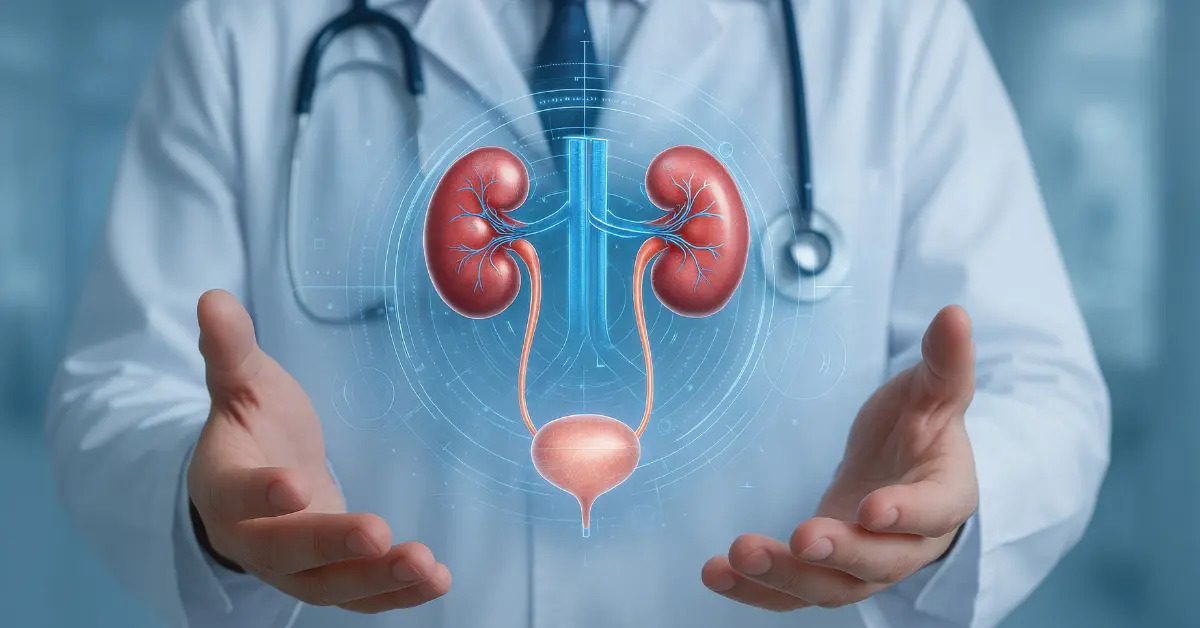
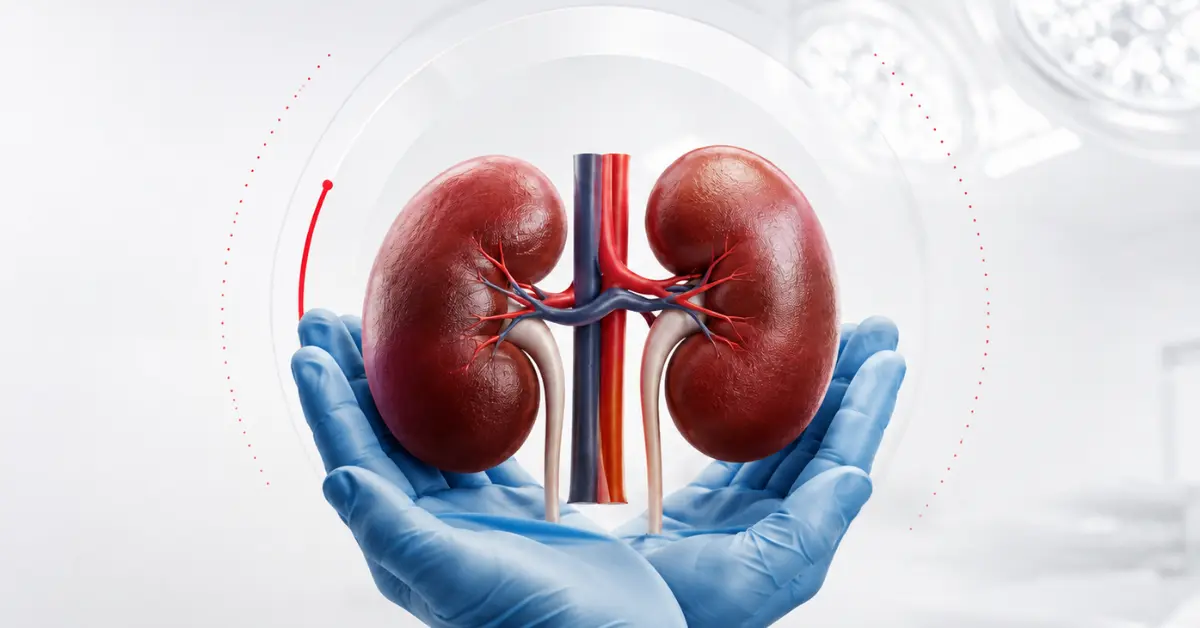
Comprehensive Nephrology Care helps manage kidney diseases through personalized diagnosis and treatment.

Conditions Treated

Comprehensive medical care for a wide range of conditions, focused on recovery, symptom management, and long-term wellness.

Most people rarely think about their kidneys until they stop working as they should. Unlike many other organs, the kidneys can lose a significant portion of their function without causing noticeable symptoms. During this silent phase, they continue filtering blood, balancing fluids, regulating blood pressure, and supporting countless essential processes while gradual damage progresses unnoticed. By the time fatigue, swelling, changes in urination, or other symptoms appear, kidney disease may already be well advanced.

This is why nephrology care is so important. It is not simply about treating kidney disease after it develops, it is about protecting kidney health, detecting problems early, slowing disease progression, and helping people maintain healthy kidney function for as long as possible. Whether someone is living with diabetes, high blood pressure, recurrent kidney stones, inherited kidney disorders, or chronic kidney disease, specialized nephrology care provides expert guidance throughout every stage of the journey. Understanding what nephrology care involves and when to seek it can empower individuals to make informed decisions that protect one of the body’s most vital organs for years to come.

What is Nephrology Care?

Nephrology care is a specialized branch of medicine dedicated to the prevention, diagnosis, treatment, and long term management of diseases affecting the kidneys.

While many people associate nephrologists only with dialysis, their role begins much earlier often before symptoms even develop. Their primary goal is to preserve kidney function, prevent complications, and improve overall health through personalized medical care.

Comprehensive nephrology care includes:

  • Early detection of kidney disease.
  • Evaluation of abnormal kidney function tests.
  • Management of chronic kidney disease (CKD).
  • Treatment of acute kidney injury (AKI).
  • Blood pressure control to protect kidney health.
  • Management of electrolyte and fluid imbalances.
  • Dialysis planning and supervision when necessary.
  • Kidney transplant evaluation and lifelong follow up care.

Rather than focusing on a single treatment, nephrology care provides continuous support throughout the entire course of kidney health from prevention to advanced disease management.

Why Kidney Health Deserves More Attention

The kidneys are often described as the body's natural filtration system, but their responsibilities extend far beyond removing waste products. Every minute, these remarkable organs work continuously to maintain the body's delicate internal balance.

Removing Waste Products

  • As the body breaks down food and carries out normal metabolic activities, waste products are produced.
  • Healthy kidneys filter these wastes from the bloodstream and eliminate them through urine, preventing harmful toxins from accumulating.

Maintaining Fluid Balance

  • The kidneys carefully regulate the amount of water retained by the body.
  • They help prevent both dehydration and fluid overload, ensuring that organs such as the heart and lungs function efficiently.

Regulating Blood Pressure

  • Healthy kidneys help control blood pressure by balancing sodium, water, and hormones involved in circulation.
  • When kidney function declines, blood pressure often rises, creating a cycle in which high blood pressure can further damage the kidneys.

Balancing Electrolytes

  • Essential minerals such as potassium, sodium, calcium, and phosphorus must remain within a narrow range for the body to function properly.
  • The kidneys continuously adjust these levels to support healthy nerve function, muscle contraction, and heart rhythm.

Supporting Red Blood Cell Production

  • The kidneys produce a hormone called erythropoietin, which stimulates the bone marrow to produce red blood cells.
  • Reduced kidney function can therefore contribute to anemia and persistent fatigue.

Maintaining Bone Health

  • Healthy kidneys activate vitamin D and help regulate calcium and phosphorus metabolism.
  • These functions play an essential role in maintaining strong bones and reducing the risk of fractures.

Expert Insight

One of the greatest challenges in kidney medicine is that early chronic kidney disease often develops silently. Many people remain completely unaware they have kidney damage until routine blood or urine tests reveal the problem. Regular health screenings are therefore one of the most effective tools for protecting long term kidney health.

When Should you See a Nephrologist?

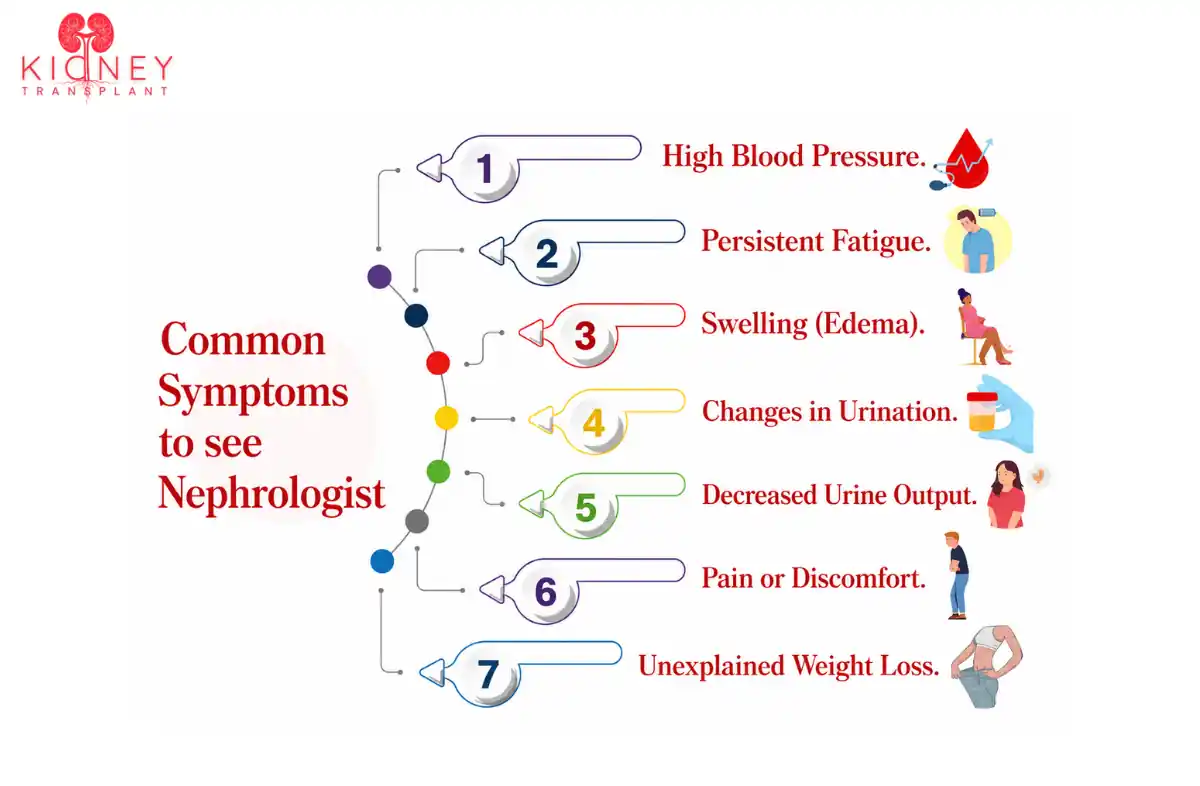
Many people assume they only need a nephrologist after developing kidney failure. In reality, consulting a kidney specialist before significant damage occurs often provides the greatest opportunity to preserve kidney function and prevent complications. You should consider nephrology evaluation if any of the following situations apply.

Persistent Protein in the Urine

  • Protein normally remains in the bloodstream rather than passing into urine.
  • When repeated urine tests detect protein, it may indicate early kidney damage even if no symptoms are present.
  • Early evaluation helps identify the underlying cause and guide appropriate treatment.

Blood in the Urine

  • Visible or microscopic blood in the urine should never be ignored.
  • Although the cause may sometimes be harmless, it can also indicate kidney disease, urinary tract disorders, kidney stones, or inflammatory conditions that require specialist evaluation.

Declining Kidney Function

  • Abnormal blood tests showing reduced kidney function or a falling estimated glomerular filtration rate (eGFR) should be assessed promptly.
  • Early intervention may help slow disease progression and reduce future complications.

Diabetes

  • Diabetes remains one of the leading causes of chronic kidney disease worldwide.
  • People living with diabetes benefit from regular kidney monitoring because early treatment can significantly delay kidney damage.

High Blood Pressure

  • Long standing hypertension places continuous stress on the kidneys.
  • At the same time, kidney disease itself can worsen blood pressure control, creating a harmful cycle that requires specialized management.

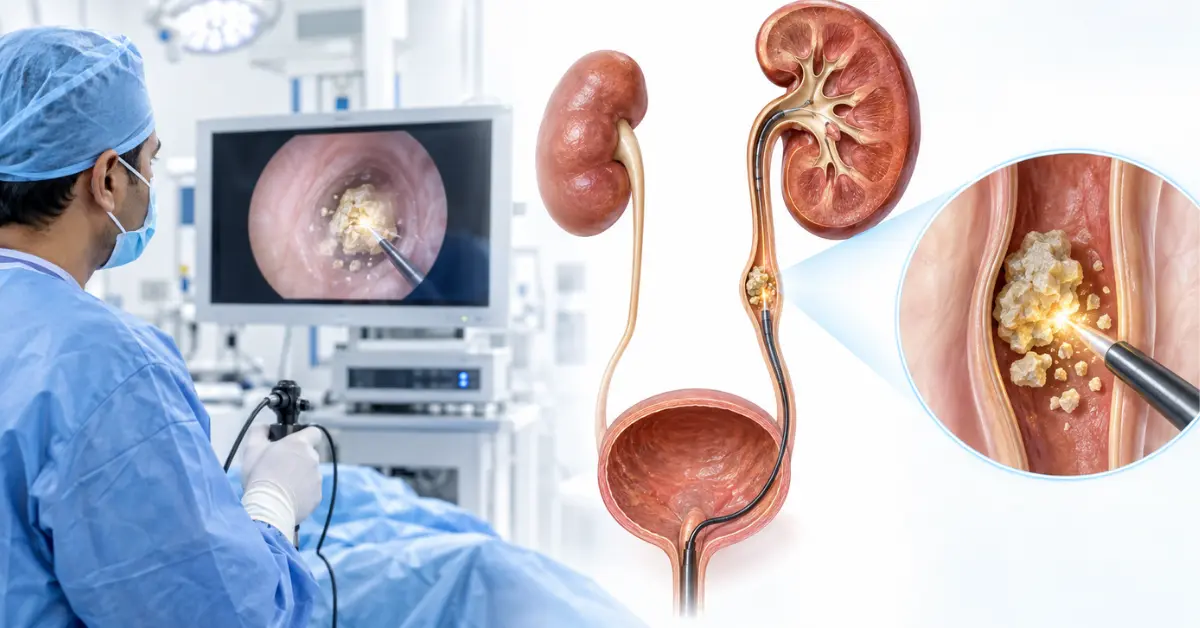
Recurrent Kidney Stones

  • Repeated kidney stones may indicate an underlying metabolic disorder or other kidney related condition.
  • A nephrologist can investigate contributing factors and recommend strategies to reduce future stone formation.

Persistent Swelling

  • Swelling of the legs, ankles, face, or hands may indicate fluid retention caused by impaired kidney function.
  • Specialist evaluation helps determine whether kidney disease is responsible and identifies appropriate treatment.

Family History of Kidney Disease

Individuals with close relatives affected by inherited kidney disorders, such as polycystic kidney disease, may benefit from early screening even before symptoms develop.

Expert Insight

Many kidney diseases progress slowly over several years. Seeking nephrology care during the early stages often provides the best opportunity to preserve kidney function, reduce complications, and delay or even prevent the need for dialysis.

Conditions Treated by Nephrologists

Nephrologists diagnose and manage a wide range of kidney related conditions, from temporary problems to lifelong chronic diseases. Their expertise extends beyond kidney failure to include many disorders affecting fluid balance, blood pressure, and the body's internal chemistry.

Chronic Kidney Disease (CKD)

CKD develops gradually over time as kidney function slowly declines. The primary goals of treatment include slowing disease progression, managing complications, protecting remaining kidney function, and improving quality of life.

Acute Kidney Injury (AKI)

Unlike chronic kidney disease, AKI develops suddenly. It may occur due to severe infections, dehydration, medications, surgery, or reduced blood flow to the kidneys. Prompt diagnosis and treatment often allow partial or complete recovery of kidney function.

Kidney Stones

Nephrologists help identify the underlying causes of recurrent kidney stones and develop personalized strategies to reduce the likelihood of future episodes through dietary changes, hydration, and medical management.

Glomerular Diseases

The glomeruli are tiny filtering units inside the kidneys. Inflammation or damage affecting these structures can lead to protein leakage, blood in the urine, declining kidney function, and, if untreated, progressive kidney disease.

Polycystic Kidney Disease (PKD)

PKD is an inherited condition characterized by the development of multiple fluid filled cysts within the kidneys. Regular nephrology follow up helps monitor disease progression and manage associated complications.

Electrolyte and Fluid Disorders

Abnormal levels of potassium, sodium, calcium, phosphorus, or body fluids can affect multiple organs. Nephrologists carefully evaluate these imbalances and develop individualized treatment plans to restore normal body function.

Resistant Hypertension

High blood pressure is both a cause and a consequence of kidney disease. When blood pressure remains uncontrolled despite appropriate medications and lifestyle changes, it is known as resistant hypertension. Nephrologists investigate whether underlying kidney disease, hormonal disorders, or other medical conditions are contributing to poor blood pressure control. Effective management not only protects the kidneys but also reduces the risk of heart disease, stroke, and other serious complications.

Dialysis Care

When kidney function declines to the point where it can no longer adequately remove waste products and excess fluid, dialysis may become necessary.

Nephrologists oversee every stage of dialysis care, including:

  • Determining the right time to begin dialysis.
  • Helping patients choose between hemodialysis and peritoneal dialysis.
  • Monitoring treatment effectiveness.
  • Managing dialysis related complications.
  • Adjusting treatment plans according to changing medical needs.

Their role extends beyond prescribing dialysis they provide continuous medical supervision to ensure treatment remains safe and effective.

Kidney Transplant Evaluation and Follow Up

For eligible patients with advanced kidney disease, kidney transplantation may offer the best long term treatment option.

Nephrologists play an essential role by:

  • Evaluating transplant eligibility.
  • Preparing patients before transplantation.
  • Monitoring kidney function after surgery.
  • Managing immunosuppressive medications.
  • Detecting and treating potential complications early.

Lifelong nephrology follow up helps protect the transplanted kidney and supports long term transplant success.

What Happens at a Nephrology Consultation?

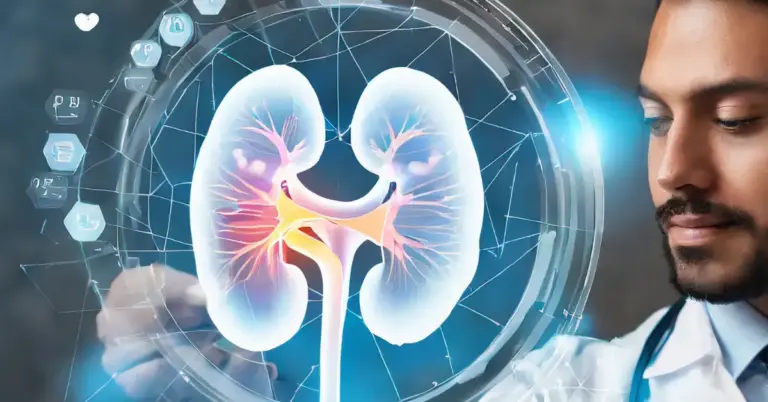
Many people feel anxious before seeing a nephrologist because they are unsure what to expect. In reality, the first consultation is designed to build a clear understanding of your kidney health and identify the most appropriate plan for preserving kidney function. A nephrology consultation is comprehensive, personalized, and focused on identifying both the current condition of your kidneys and the factors that may affect them in the future.

Reviewing your Medical History

Your nephrologist will begin by discussing:

  • Your current symptoms.
  • Previous medical conditions.
  • Diabetes or high blood pressure history.
  • Family history of kidney disease.
  • Current medications, including over the counter drugs and supplements.
  • Lifestyle factors such as diet, smoking, and physical activity.

This information often provides valuable clues about the underlying cause of kidney problems.

Physical Examination

A careful examination helps assess your overall health.

Your doctor may evaluate:

  • Blood pressure.
  • Body weight.
  • Signs of swelling.
  • Heart and lung function.
  • Hydration status.
  • General physical well being.

These findings help determine how well your kidneys are functioning.

Blood and Urine Tests

Laboratory investigations provide essential information about kidney health.

Common tests include:

  • Serum creatinine.
  • Estimated glomerular filtration rate (eGFR).
  • Blood urea nitrogen (BUN).
  • Electrolyte levels.
  • Urinalysis.
  • Urine protein testing.

Together, these tests help assess kidney function, identify abnormalities, and guide treatment decisions.

Imaging Studies

If necessary, your nephrologist may recommend imaging such as an ultrasound, CT scan, or MRI to evaluate kidney size, structure, blood flow, or possible blockages.

Developing a Personalized Treatment Plan

Based on all available information, your nephrologist creates an individualized management plan.

This may include:

  • Lifestyle modifications.
  • Blood pressure management.
  • Diabetes control.
  • Dietary recommendations.
  • Medication adjustments.
  • Regular monitoring.
  • Planning for dialysis or transplantation if required.

Every treatment plan is tailored to the patient's medical condition, lifestyle, and long term goals.

Primary Care vs Nephrology Care

Both primary care physicians and nephrologists play important roles in maintaining kidney health. However, their responsibilities differ as kidney disease becomes more complex.

Aspect Primary Care Nephrology Care
Routine health screening
Initial kidney function evaluation
Management of mild kidney abnormalities
Comprehensive chronic kidney disease management Limited ✔ Specialized
Electrolyte and fluid imbalance management Basic Advanced
Dialysis planning and supervision
Kidney transplant evaluation and follow up Referral ✔ Long term management

A collaborative approach between primary care providers and nephrologists often produces the best outcomes, ensuring both general health and kidney specific concerns are addressed effectively.

Expert Insight

The greatest benefit of nephrology care is often seen before kidney disease becomes severe. Early referral allows more time to slow disease progression, reduce complications, and prepare patients for future treatment if necessary.

Nephrology Care for Every Stage

Kidney care is not static. As kidney function changes, the focus of treatment also changes to meet the patient's evolving needs.

Early Stages: Prevention and Risk Reduction

When kidney function is still largely preserved, the primary goals include:

  • Identifying risk factors.
  • Controlling diabetes and blood pressure.
  • Encouraging healthy lifestyle habits.
  • Monitoring kidney function regularly.
  • Preventing further damage.

Early intervention can significantly slow disease progression.

Moderate Disease: Preserving Kidney Function

As kidney disease advances, treatment becomes more focused on maintaining remaining kidney function and preventing complications.

Patients may require:

  • More frequent monitoring.
  • Medication adjustments.
  • Nutritional counseling.
  • Treatment of anemia or mineral imbalances.

The emphasis remains on delaying progression for as long as possible.

Advanced Kidney Disease: Preparing for the Future

When kidney function becomes severely reduced, nephrologists help patients understand future treatment options.

Discussions may include:

  • Hemodialysis.
  • Peritoneal dialysis.
  • Kidney transplantation.
  • Conservative kidney care where appropriate.

Planning ahead allows patients and families to make informed decisions before emergency treatment becomes necessary.

Protecting your Kidney Health Every Day

Although some kidney diseases cannot be prevented, many lifestyle choices play a powerful role in preserving kidney function. Simple daily habits can have a lasting impact.

Control Blood Pressure

Keeping blood pressure within the recommended range reduces ongoing stress on the kidneys and lowers the risk of progressive kidney damage.

Manage Diabetes Carefully

Good blood sugar control remains one of the most effective ways to reduce the risk of diabetic kidney disease. Regular monitoring and adherence to treatment plans are essential.

Stay Physically Active

Regular exercise supports healthy blood pressure, improves circulation, helps maintain a healthy weight, and contributes to overall kidney health.

Eat a Kidney Friendly Diet

A balanced diet rich in fruits, vegetables, whole grains, and appropriate amounts of lean protein supports long term health. Individuals with existing kidney disease should follow personalized dietary advice provided by their healthcare team.

Stay Hydrated

Adequate hydration supports normal kidney function. However, patients with advanced kidney disease should always follow individualized fluid recommendations from their nephrologist.

Avoid Unnecessary Medication Use

Frequent or prolonged use of certain pain relievers, particularly non steroidal anti inflammatory drugs (NSAIDs), may contribute to kidney damage in some individuals.

Always consult a healthcare professional before using long term medications or supplements.

Living Well With Chronic Kidney Disease

A diagnosis of chronic kidney disease changes many aspects of life, but it does not define who a person is. With appropriate medical care and healthy lifestyle choices, many people continue to work, raise families, travel, and remain active in their communities. Successful kidney care extends beyond medications and laboratory values.

It also includes:

  • Looking after mental and emotional well being.
  • Building a strong support system.
  • Staying physically active.
  • Following medical advice consistently.
  • Attending regular follow up appointments.
  • Asking questions and participating in treatment decisions.

The partnership between patient and healthcare team is one of the strongest predictors of long term success.

Do's and Don'ts for Better Kidney Health

Do

  • Attend regular health check ups.
  • Monitor blood pressure and blood sugar consistently.
  • Drink adequate water unless otherwise advised.
  • Follow your prescribed medications carefully.
  • Maintain a healthy body weight.
  • Stay physically active.
  • Seek medical evaluation for persistent urinary symptoms or abnormal kidney tests.

Don't

  • Don't ignore swelling, blood in the urine, or persistent fatigue.
  • Don't self medicate with long term painkillers or herbal supplements without medical advice.
  • Don't skip routine kidney function testing if you have diabetes or hypertension.
  • Don't smoke or neglect cardiovascular health.
  • Don't wait for symptoms before seeking medical attention—many kidney diseases progress silently.

Patient Perspective

Many people living with chronic kidney disease say they never felt seriously ill when their diagnosis was first made. For some, the condition was discovered during a routine diabetes review. Others learned about it while undergoing a health check for high blood pressure or before an unrelated surgical procedure.

Although the diagnosis often comes as a surprise, early detection provides something incredibly valuable time.

  • Time to slow disease progression.
  • Time to make healthier lifestyle changes.
  • Time to begin appropriate treatment.
  • And, in many cases, time to delay or even prevent the need for dialysis.

That is one of the greatest strengths of modern nephrology care.

Conclusion

Your kidneys work quietly every moment of every day, filtering blood, balancing fluids, regulating blood pressure, supporting bone health, and performing countless tasks that keep your body functioning normally. They rarely demand attention until significant damage has already occurred. Nephrology care is about changing that story.

Rather than waiting for kidney disease to progress, it emphasizes early detection, personalized treatment, continuous monitoring, and long term partnership between patients and healthcare professionals. Whether the goal is preventing kidney disease, slowing its progression, preparing for dialysis, or caring for a transplanted kidney, every stage of nephrology care is focused on preserving both kidney function and quality of life. The greatest success in nephrology is not simply treating kidney failure it is helping people protect their kidneys before they reach that point.

Frequently Asked Questions

A nephrologist specializes in diagnosing and managing kidney diseases, including chronic kidney disease, acute kidney injury, kidney stones, electrolyte disorders, resistant hypertension, dialysis care, and kidney transplant follow-up.

You should consider seeing a nephrologist if you have abnormal kidney function tests, protein or blood in your urine, uncontrolled high blood pressure, diabetes with kidney concerns, recurrent kidney stones, or a family history of kidney disease.

This depends on your healthcare system and insurance requirements. Many patients are referred by their primary care physician, although direct consultation may also be possible in some settings.

Some causes of acute kidney injury can improve with timely treatment. However, chronic kidney disease is usually not reversible. Early nephrology care can often slow progression and reduce complications.

The frequency depends on your individual risk factors. People with diabetes, hypertension, or known kidney disease generally require regular monitoring as advised by their healthcare provider.

Yes. Early diagnosis, appropriate treatment, lifestyle modifications, and careful monitoring can slow the progression of many kidney diseases and, in some cases, delay or reduce the need for dialysis.

Please select listing to show.

Read Next