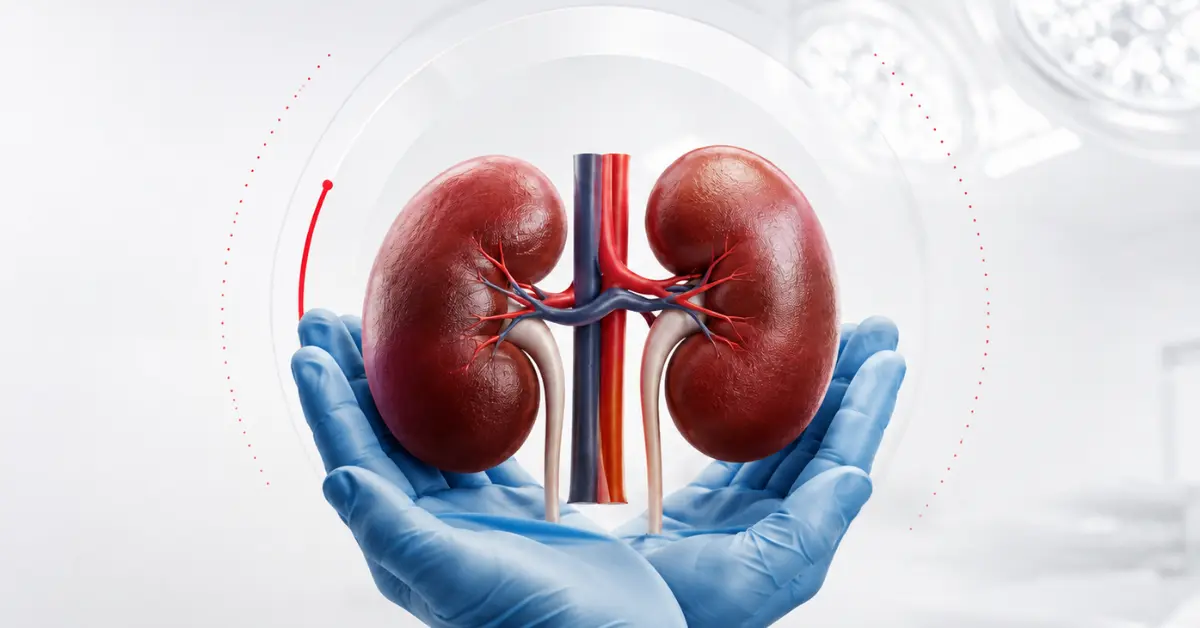
Nephrologists diagnose and manage a wide range of kidney related conditions, from temporary problems to lifelong chronic diseases. Their expertise extends beyond kidney failure to include many disorders affecting fluid balance, blood pressure, and the body's internal chemistry.
Chronic Kidney Disease (CKD)
CKD develops gradually over time as kidney function slowly declines. The primary goals of treatment include slowing disease progression, managing complications, protecting remaining kidney function, and improving quality of life.
Acute Kidney Injury (AKI)
Unlike chronic kidney disease, AKI develops suddenly. It may occur due to severe infections, dehydration, medications, surgery, or reduced blood flow to the kidneys. Prompt diagnosis and treatment often allow partial or complete recovery of kidney function.
Kidney Stones
Nephrologists help identify the underlying causes of recurrent kidney stones and develop personalized strategies to reduce the likelihood of future episodes through dietary changes, hydration, and medical management.
Glomerular Diseases
The glomeruli are tiny filtering units inside the kidneys. Inflammation or damage affecting these structures can lead to protein leakage, blood in the urine, declining kidney function, and, if untreated, progressive kidney disease.
Polycystic Kidney Disease (PKD)
PKD is an inherited condition characterized by the development of multiple fluid filled cysts within the kidneys. Regular nephrology follow up helps monitor disease progression and manage associated complications.
Electrolyte and Fluid Disorders
Abnormal levels of potassium, sodium, calcium, phosphorus, or body fluids can affect multiple organs. Nephrologists carefully evaluate these imbalances and develop individualized treatment plans to restore normal body function.
Resistant Hypertension
High blood pressure is both a cause and a consequence of kidney disease. When blood pressure remains uncontrolled despite appropriate medications and lifestyle changes, it is known as resistant hypertension. Nephrologists investigate whether underlying kidney disease, hormonal disorders, or other medical conditions are contributing to poor blood pressure control. Effective management not only protects the kidneys but also reduces the risk of heart disease, stroke, and other serious complications.
Dialysis Care
When kidney function declines to the point where it can no longer adequately remove waste products and excess fluid, dialysis may become necessary.
Nephrologists oversee every stage of dialysis care, including:
- Determining the right time to begin dialysis.
- Helping patients choose between hemodialysis and peritoneal dialysis.
- Monitoring treatment effectiveness.
- Managing dialysis related complications.
- Adjusting treatment plans according to changing medical needs.
Their role extends beyond prescribing dialysis they provide continuous medical supervision to ensure treatment remains safe and effective.
Kidney Transplant Evaluation and Follow Up
For eligible patients with advanced kidney disease, kidney transplantation may offer the best long term treatment option.
Nephrologists play an essential role by:
- Evaluating transplant eligibility.
- Preparing patients before transplantation.
- Monitoring kidney function after surgery.
- Managing immunosuppressive medications.
- Detecting and treating potential complications early.
Lifelong nephrology follow up helps protect the transplanted kidney and supports long term transplant success.