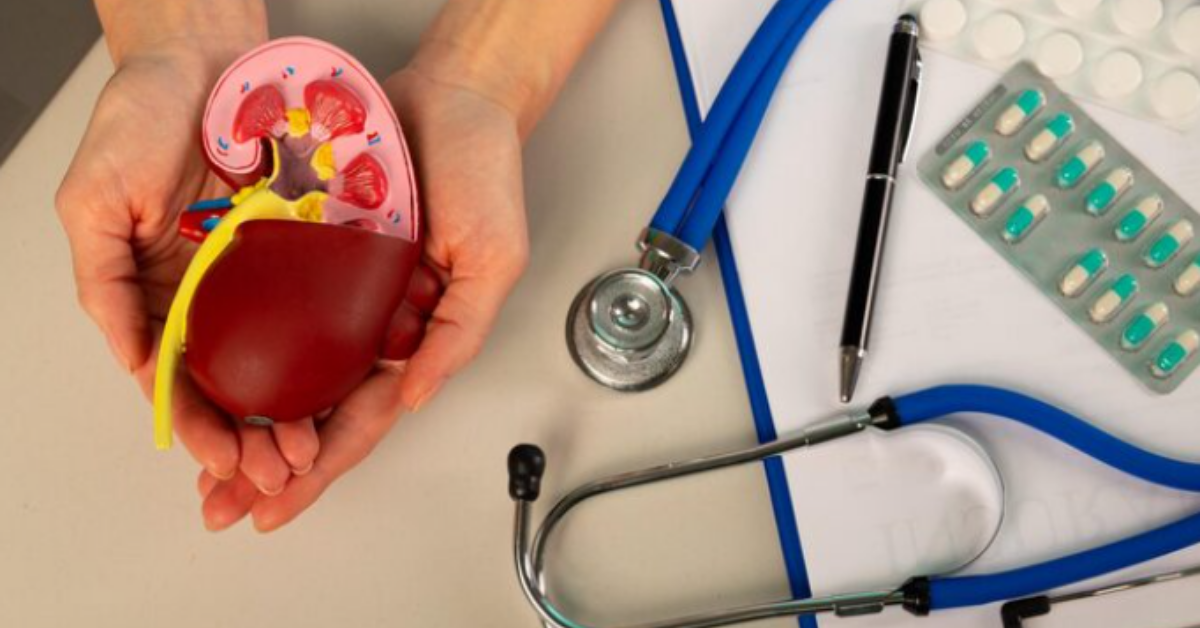
Complete Urology Services provide expert care for urinary and male reproductive health conditions.

Conditions Treated

Comprehensive medical care for a wide range of conditions, focused on recovery, symptom management, and long-term wellness.

Urinary problems are among the most common health concerns affecting people of all ages, yet they are also some of the most overlooked. Many individuals silently live with frequent urination, burning while passing urine, poor urine flow, blood in the urine, kidney stones, bladder leakage, or prostate related symptoms because they feel embarrassed, assume the symptoms are a normal part of aging, or hope they will disappear on their own. Unfortunately, delaying medical attention can allow minor problems to become more complex and, in some cases, lead to permanent damage or serious disease.

This is where urology services play a vital role. Urologists specialize in diagnosing, treating, and preventing conditions affecting the urinary tract in both men and women, as well as disorders of the male reproductive system. From urinary tract infections and kidney stones to enlarged prostate, urinary incontinence, and urologic cancers, modern urology combines advanced diagnostics, minimally invasive treatments, and personalized care to help patients regain comfort, confidence, and a better quality of life. Understanding when to seek urological care is the first step toward protecting your urinary health and preventing unnecessary complications.

What are Urology Services?

Urology services encompass the diagnosis, treatment, prevention, and long term management of disorders affecting the urinary tract and the male reproductive system. Although many people associate urology only with surgery, the specialty is much broader. Urologists manage a wide spectrum of conditions using lifestyle guidance, medications, minimally invasive procedures, advanced surgical techniques, and long term follow up care when needed.

Comprehensive urology services include:

  • Evaluation of urinary symptoms.
  • Treatment of urinary tract infections (UTIs).
  • Management of kidney stones.
  • Care for enlarged prostate (Benign Prostatic Hyperplasia).
  • Treatment of bladder disorders and urinary incontinence.
  • Diagnosis and management of male infertility.
  • Evaluation and treatment of erectile dysfunction.
  • Surgical care for urologic cancers.
  • Pediatric urology services for congenital urinary disorders.
  • Robotic and minimally invasive urological surgery.

The primary goal of urology is not simply to treat disease but to restore normal urinary function, relieve discomfort, and improve the patient's overall quality of life.

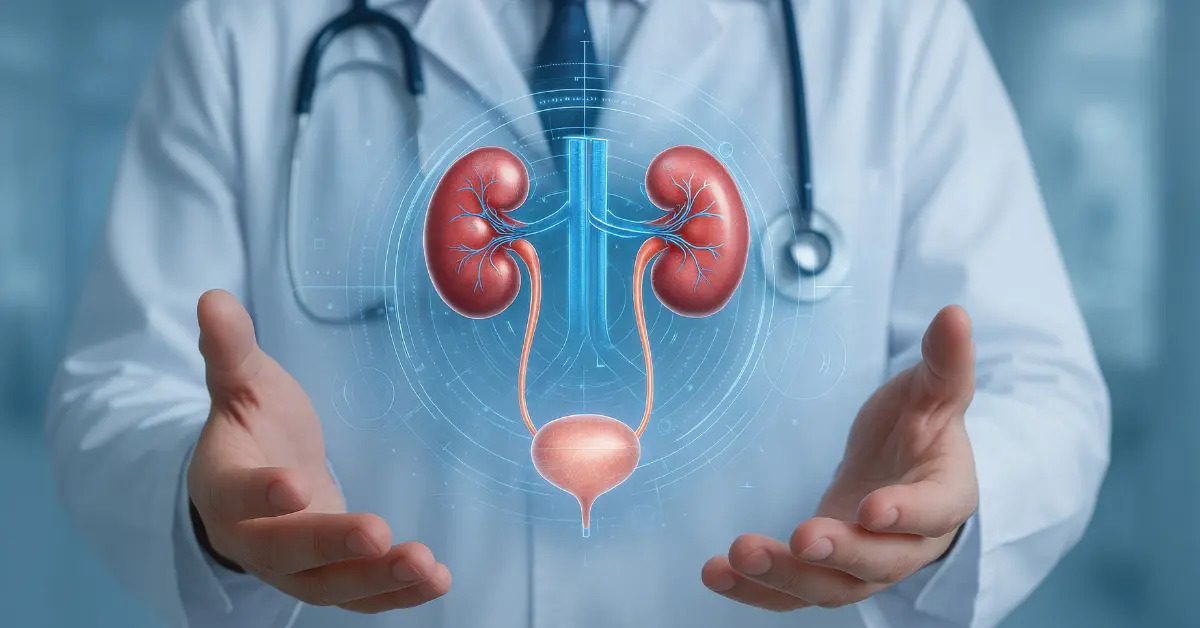
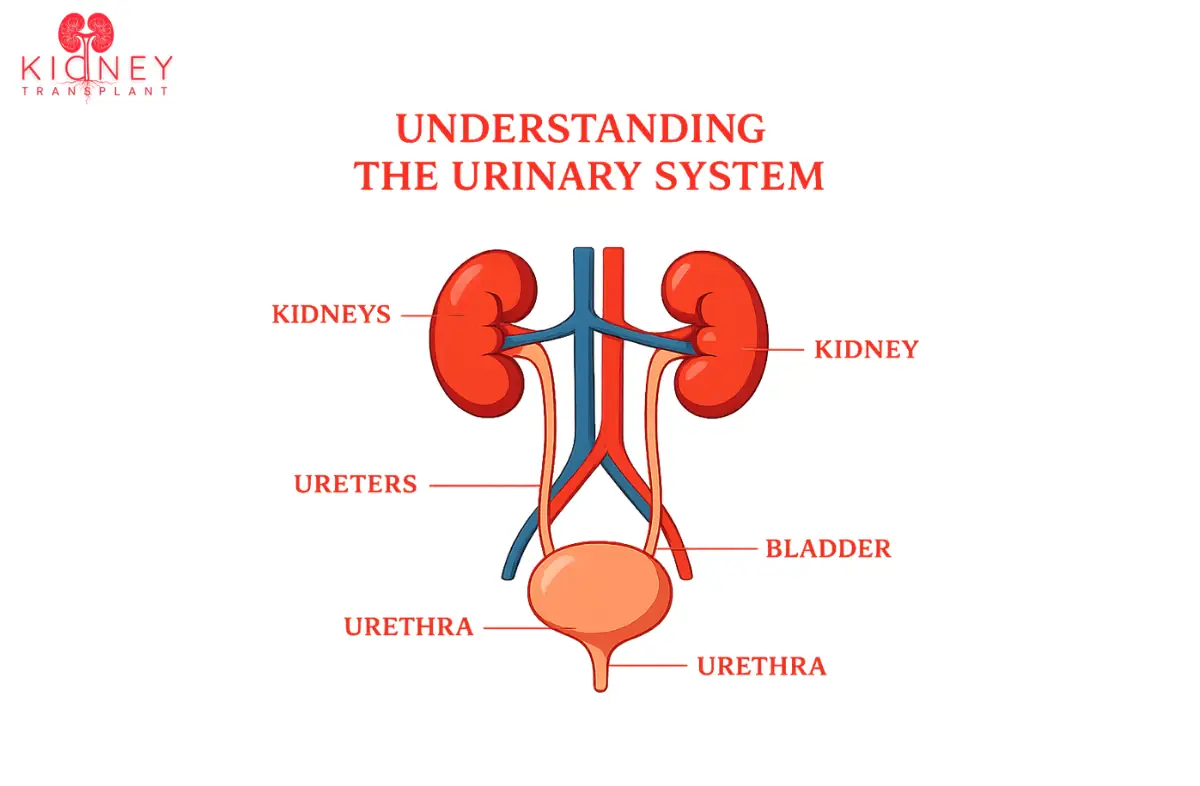
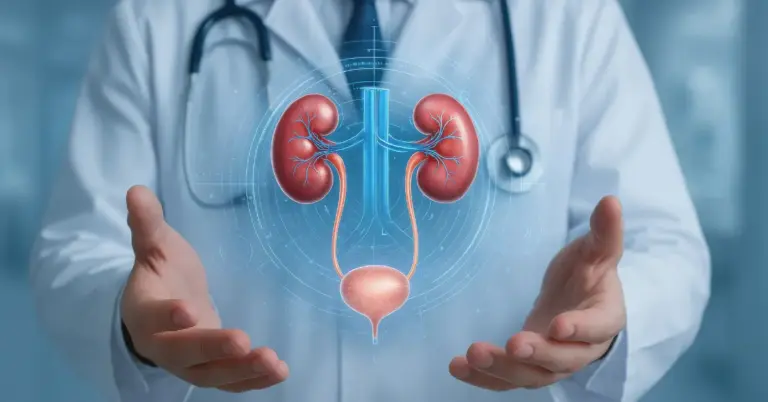
Understanding the Urinary System

To appreciate how urology helps maintain urinary health, it is useful to understand how the urinary system works. Each organ plays a specific role, and when one part is affected, the entire system can be disrupted.

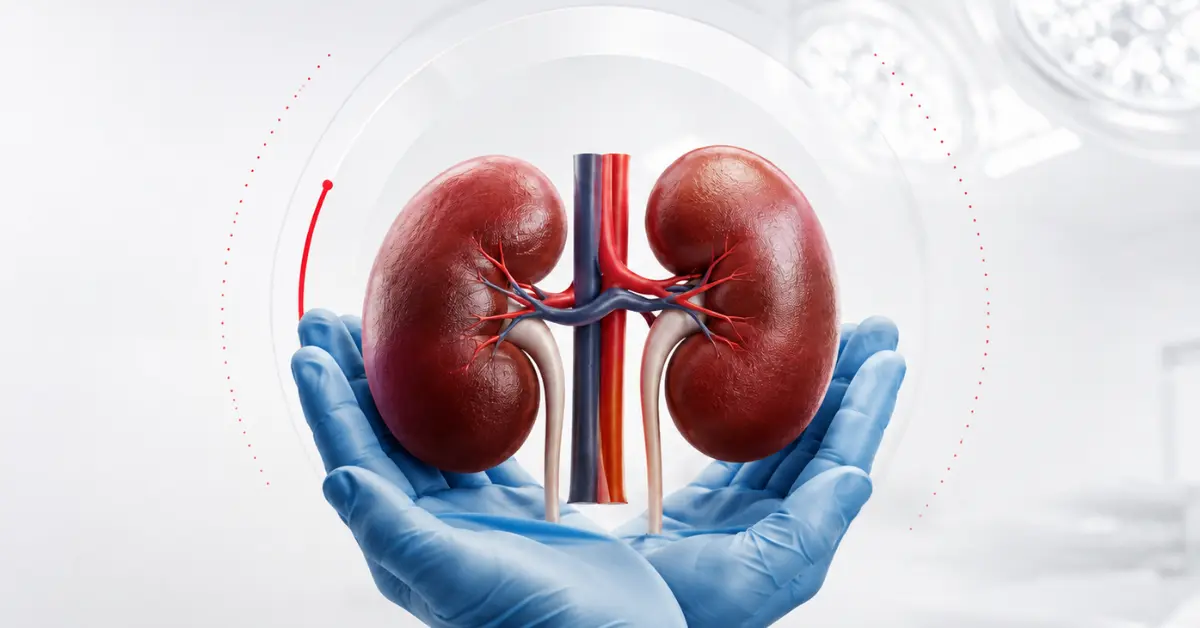
Kidneys

  • The kidneys continuously filter waste products, excess water, and toxins from the bloodstream to produce urine.
  • They also regulate blood pressure, electrolyte balance, and red blood cell production, making them essential for overall health.

Ureters

  • The ureters are two narrow muscular tubes that transport urine from each kidney to the bladder.
  • Smooth muscle contractions gently move urine downward, even when a person is lying down.

Bladder

  • The bladder acts as a temporary storage organ for urine.
  • As it gradually fills, nerves send signals to the brain, creating the urge to urinate when it is appropriate.
  • Healthy bladder function allows controlled storage and complete emptying of urine.

Urethra

  • The urethra carries urine from the bladder out of the body.
  • Its structure differs between men and women, contributing to differences in certain urinary conditions such as urinary tract infections.

Male Reproductive Organs

  • In men, urologists also care for organs involved in reproductive health, including the prostate gland, testes, penis, vas deferens, and related structures.
  • These organs play important roles in fertility, hormone production, sexual function, and urinary control.

Expert Insight

Many urinary symptoms are mistakenly accepted as a normal part of aging. In reality, persistent urinary frequency, poor urine flow, bladder leakage, or blood in the urine should never be ignored. Early evaluation often leads to simpler and more effective treatment.

When Should you See a Urologist?

Many urinary conditions begin with subtle symptoms that are easy to overlook. Seeking medical advice early often leads to quicker diagnosis, less invasive treatment, and better long term outcomes. You should consider consulting a urologist if you experience any of the following symptoms.

Blood in the Urine

Blood in the urine whether visible or detected during routine testing should always be evaluated. Possible causes range from infections and kidney stones to more serious conditions such as bladder or kidney cancer. Prompt assessment is essential to identify the underlying cause.

Burning or Pain During Urination

Painful urination commonly indicates infection or inflammation but may also result from bladder stones, sexually transmitted infections, or other urinary disorders. Persistent symptoms should never be ignored.

Frequent or Urgent Urination

Needing to urinate more often than usual, especially at night, may indicate bladder dysfunction, diabetes, urinary tract infection, or prostate enlargement. A thorough evaluation helps determine the cause and appropriate treatment.

Difficulty Passing Urine

A weak urine stream, difficulty starting urination, or the feeling of incomplete bladder emptying may suggest an enlarged prostate, urethral narrowing, or bladder outlet obstruction. Early treatment can significantly improve symptoms and reduce complications.

Recurrent Urinary Tract Infections

Occasional urinary tract infections are common, particularly in women. However, repeated infections may indicate an underlying structural or functional problem that requires specialist evaluation.

Kidney Stones

Sudden severe pain in the side or back, blood in the urine, nausea, or repeated stone formation should prompt consultation with a urologist. Early treatment may prevent obstruction, infection, and long term kidney damage.

Loss of Bladder Control

Urinary leakage is not an inevitable part of aging. Modern treatments including pelvic floor rehabilitation, medications, minimally invasive procedures, and surgery can significantly improve bladder control for many patients.

Erectile Dysfunction or Male Infertility

Difficulties related to sexual function or fertility deserve professional evaluation. Many underlying causes are treatable, and early intervention often improves outcomes while addressing broader health concerns.

Expert Insight

Many patients postpone visiting a urologist because they feel embarrassed discussing urinary or reproductive health. In clinical practice, these conversations are routine, confidential, and focused entirely on improving your health. Seeking help early often prevents more complex problems later.

Common Conditions Treated by Urologists

Urologists diagnose and manage a wide range of conditions affecting the urinary tract and male reproductive system. Treatment plans are individualized according to the patient's symptoms, overall health, and the underlying cause of the condition.

Kidney Stones

  • Kidney stones develop when minerals in the urine crystallize and form hard deposits.
  • Small stones may pass naturally, while larger stones can cause severe pain, urinary obstruction, infection, or bleeding.
  • Treatment may include hydration, medications, shock wave therapy, laser procedures, or minimally invasive surgery depending on the size and location of the stone.

Benign Prostatic Hyperplasia (BPH)

Benign Prostatic Hyperplasia, commonly known as an enlarged prostate, affects many men as they grow older. As the prostate enlarges, it may compress the urethra and interfere with normal urine flow.

Common symptoms include:

  • Frequent urination.
  • Difficulty starting urination.
  • Weak urine stream.
  • Interrupted flow.
  • Feeling that the bladder has not emptied completely.
  • Waking several times during the night to urinate.

Treatment ranges from lifestyle modifications and medications to advanced minimally invasive procedures or surgery when symptoms become severe.

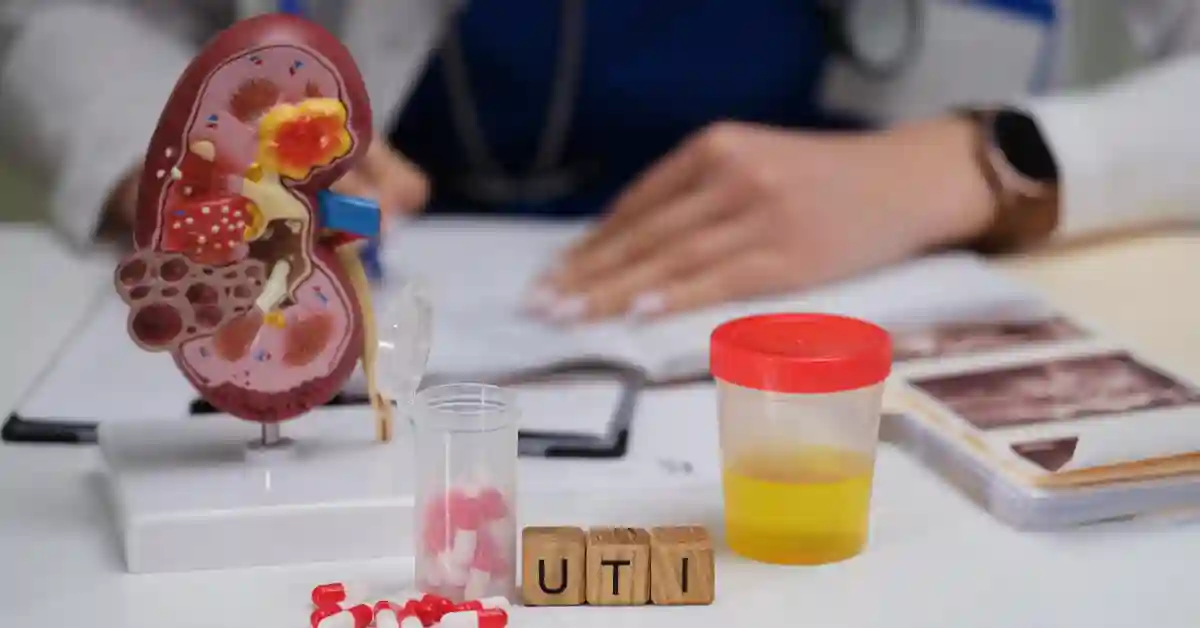
Urinary Tract Infections (UTIs)

  • Urinary tract infections occur when bacteria enter the urinary system.
  • Although most infections respond well to antibiotics, recurrent UTIs require careful investigation to identify contributing factors such as urinary obstruction, kidney stones, anatomical abnormalities, or incomplete bladder emptying.
  • Proper evaluation helps reduce the risk of repeated infections and protects long term urinary health.

Bladder Disorders

The bladder is responsible for storing urine until it is convenient to empty. When it does not function properly, it can significantly affect comfort, sleep, work, and overall quality of life.

Common bladder conditions include:

  • Overactive bladder.
  • Bladder inflammation (cystitis).
  • Bladder stones.
  • Neurogenic bladder caused by nerve disorders.
  • Difficulty emptying the bladder completely.

Depending on the underlying cause, treatment may involve lifestyle modifications, bladder training exercises, medications, minimally invasive procedures, or surgery.

Urinary Incontinence

  • Urinary incontinence refers to the involuntary leakage of urine. Although it is common, particularly among older adults and women after childbirth, it should never be considered a normal part of aging.
  • There are several types of urinary incontinence, including stress incontinence, urge incontinence, overflow incontinence, and mixed incontinence. Identifying the specific type is essential because treatment varies accordingly.
  • Many patients achieve excellent symptom control through pelvic floor exercises, behavioral therapy, medications, or minimally invasive surgical procedures.

Urologic Cancers

Urologists play a central role in diagnosing and treating cancers affecting the urinary tract and male reproductive organs.

These include:

  • Kidney cancer.
  • Bladder cancer.
  • Prostate cancer.
  • Testicular cancer.
  • Penile cancer.

Early diagnosis often provides more treatment options and improves long term outcomes. Modern urology combines advanced imaging, minimally invasive surgery, robotic techniques, and multidisciplinary cancer care to deliver personalized treatment.

Male Infertility

  • Male infertility contributes to nearly half of infertility cases among couples.
  • A urologist evaluates potential causes such as hormonal imbalances, varicoceles, genetic conditions, infections, or problems with sperm production and transport.
  • Treatment is individualized and may include medications, surgical correction, or assisted reproductive techniques in collaboration with fertility specialists.

Erectile Dysfunction

Erectile dysfunction (ED) is more than a quality of life concern it can sometimes be an early indicator of conditions such as diabetes, high blood pressure, heart disease, or hormonal disorders. Rather than focusing only on symptom relief, urologists aim to identify and treat the underlying cause.

Management may include:

  • Lifestyle modifications.
  • Oral medications.
  • Hormonal therapy where appropriate.
  • Vacuum erection devices.
  • Injectable medications.
  • Penile prosthesis surgery in selected cases.

Addressing both the physical and emotional aspects of ED is an important part of comprehensive urological care.

Modern Urology: Advanced Treatments

Over the past two decades, urology has undergone remarkable advancements. Many conditions that once required large surgical incisions can now be treated using minimally invasive techniques, resulting in less pain, shorter hospital stays, and quicker recovery. Depending on the condition, treatment options may include:

Medical Management

Many urinary conditions improve with medications, lifestyle changes, and regular follow up, making surgery unnecessary for a large number of patients.

Endoscopic Procedures

Using specialized instruments passed through the natural urinary passage, urologists can diagnose and treat conditions such as bladder stones, urethral strictures, enlarged prostate, and certain bladder tumors without external incisions.

Laser Surgery

Laser technology is widely used for kidney stones, enlarged prostate, and selected urinary tract conditions. Its precision helps minimize bleeding and reduces damage to surrounding tissues.

Laparoscopic Surgery

Laparoscopic procedures use small incisions and specialized instruments to perform complex operations with less postoperative discomfort and faster recovery compared with traditional open surgery.

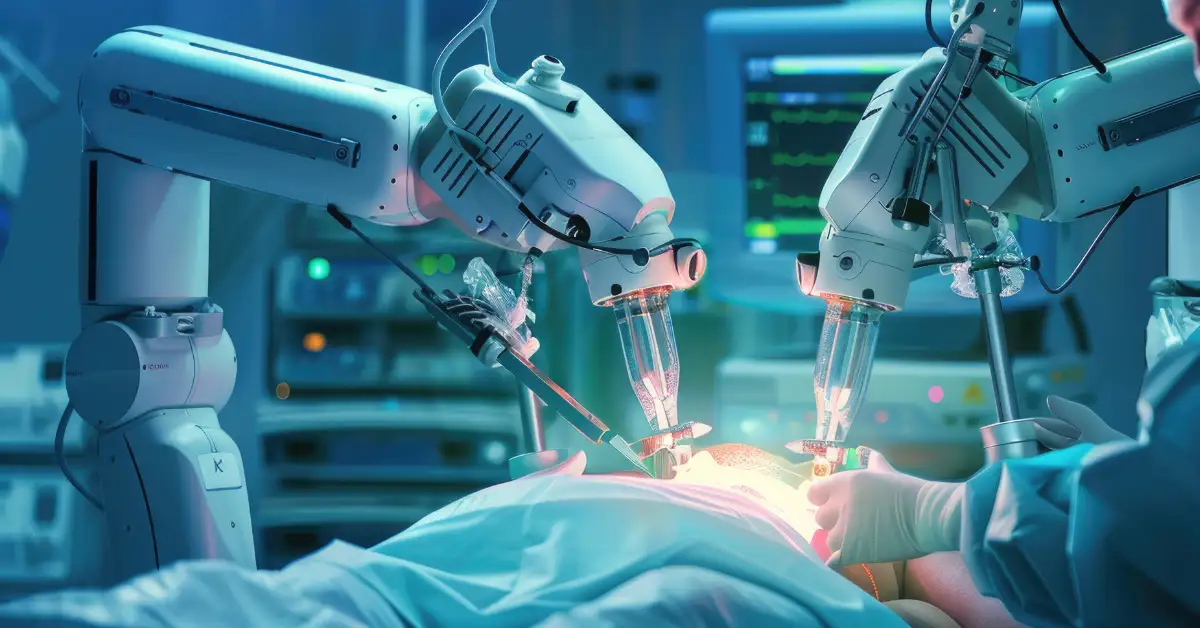
Robotic Assisted Surgery

Robotic surgery offers enhanced precision, improved visualization, and greater surgical control during delicate procedures involving the kidneys, bladder, and prostate.

For carefully selected patients, it may contribute to reduced blood loss, smaller incisions, shorter hospitalization, and quicker return to daily activities.

Traditional vs Minimally Invasive Surgery

Advances in surgical technology have transformed the way many urological conditions are treated. While traditional open surgery remains the best option in certain situations, minimally invasive approaches are now suitable for many patients.

Feature Traditional Open Surgery Minimally Invasive Surgery (Laparoscopic/Robotic)
Incision Size Larger incision Small keyhole incisions
Postoperative Pain Usually greater Usually less
Hospital Stay Often longer Frequently shorter
Recovery Time Slower Faster
Scarring More noticeable Minimal scarring

Expert Insight

Not every urinary condition requires surgery. Many patients experience significant improvement with medications, lifestyle modifications, pelvic floor therapy, or minimally invasive procedures. The most appropriate treatment is always based on the diagnosis, overall health, and the patient's individual needs.

What Happens During a Urology Consultation?

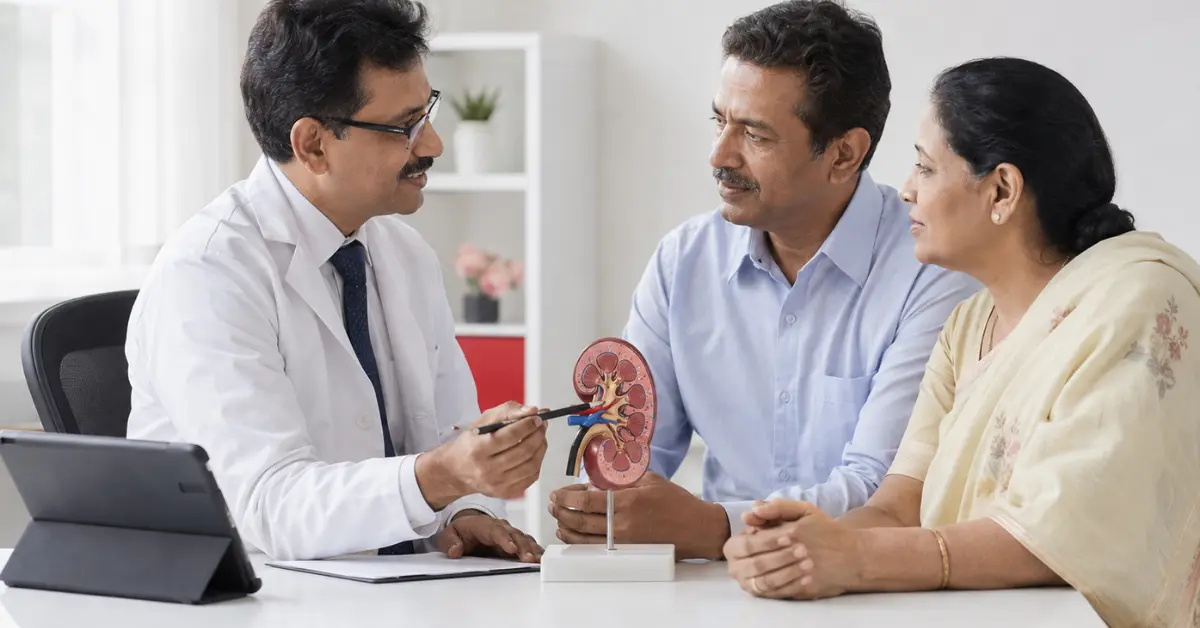
A first visit to a urologist is designed to identify the cause of your symptoms and develop a treatment plan tailored to your individual needs. The evaluation is comprehensive, yet patient centered, ensuring that every concern is carefully assessed.

Medical Assessment

Your urologist will review your symptoms, medical history, current medications, lifestyle habits, and any previous urinary or kidney related conditions to better understand your overall health.

Physical Examination

A focused physical examination may be performed based on your symptoms. For men, this may include a prostate examination when clinically indicated.

Diagnostic Evaluation

If required, your urologist may recommend investigations such as:

  • Urinalysis and urine culture.
  • Blood tests.
  • Ultrasound or CT scan.
  • MRI in selected cases.
  • Cystoscopy to examine the bladder and urethra.

These tests help establish an accurate diagnosis and guide appropriate treatment.

Personalized Care Plan

Based on the findings, your urologist will explain the diagnosis, discuss suitable treatment options, recommend lifestyle modifications when appropriate, and outline a clear follow up plan to support long term urinary health.

Protecting your Urinary Health

Many urinary conditions can be prevented or their progression slowed through healthy daily habits. Simple lifestyle choices often make a meaningful difference.

Stay Well Hydrated

Drinking adequate water helps dilute urine, supports normal kidney function, and may reduce the risk of urinary tract infections and certain types of kidney stones.

Don't Ignore the Urge to Urinate

Frequently delaying urination may increase bladder discomfort and, in some individuals, contribute to urinary problems. Responding to your body's natural signals supports healthy bladder function.

Practice Good Personal Hygiene

Proper hygiene reduces the risk of urinary tract infections and promotes overall urinary health.

Maintain a Healthy Weight

Excess body weight increases pressure on the bladder and pelvic floor, contributing to urinary leakage and other bladder problems.

Avoid Smoking

  • Smoking is one of the most important risk factors for bladder cancer and contributes to several other urological conditions.
  • Quitting smoking benefits both urinary health and overall well being.

Manage Chronic Medical Conditions

  • Good control of diabetes and high blood pressure helps reduce the risk of kidney damage, bladder dysfunction, and other urinary complications.
  • Regular medical follow up remains an important part of prevention.

Do's and Don'ts for Better Urinary Health

Do

  • Drink adequate water throughout the day unless medically restricted.
  • Seek medical attention for persistent urinary symptoms.
  • Practice good personal hygiene.
  • Maintain a healthy body weight.
  • Stay physically active.
  • Attend regular health check ups, especially if you have diabetes or high blood pressure.
  • Follow treatment recommendations and complete prescribed medications.

Don't

  • Don't ignore blood in the urine, even if it occurs only once.
  • Don't delay treatment for recurring urinary infections.
  • Don't smoke or use tobacco products.
  • Don't self medicate repeatedly with antibiotics without medical advice.
  • Don't assume urinary leakage or poor urine flow is simply a normal part of aging.
  • Don't postpone consultation because of embarrassment—early evaluation often leads to simpler and more effective treatment.

Patient Perspective

Many patients who visit a urologist describe the same experience they initially dismissed their symptoms. Some believed frequent urination was simply part of getting older. Others ignored a weak urine stream, occasional urinary leakage, or blood in the urine because it disappeared after a day or two.

When they finally sought medical advice, many discovered that the underlying problem was highly treatable. In some cases, simple medications, lifestyle adjustments, or minimally invasive procedures provided significant relief without major surgery. This is one of the most important lessons in urology: early attention to small symptoms often prevents much bigger problems in the future.

Conclusion

Healthy urinary function plays a vital role in everyday comfort, confidence, and overall quality of life. Whether it is emptying the bladder without difficulty, sleeping through the night without frequent interruptions, preventing recurrent infections, or addressing concerns related to prostate or reproductive health, these functions deserve the same attention as any other aspect of well being. Modern urology offers far more than surgery. Through early diagnosis, advanced technology, minimally invasive treatments, and personalized care, many urinary conditions can be managed effectively with excellent outcomes.

The most important step is often the simplest one listening to your body and seeking expert care when symptoms first appear. Acting early not only protects your urinary health but also helps you continue living comfortably, confidently, and without unnecessary limitations.

Frequently Asked Questions

A urologist treats conditions affecting the urinary tract and the male reproductive system, including kidney stones, urinary tract infections, enlarged prostate, urinary incontinence, male infertility, erectile dysfunction, and urologic cancers.

Consult a urologist if you experience blood in the urine, painful or frequent urination, recurrent urinary infections, kidney stones, urinary leakage, difficulty passing urine, or persistent pelvic pain.

No. Many urinary conditions are easily treatable, but persistent or recurring symptoms should always be evaluated to rule out more serious underlying problems.

Yes. Depending on the cause, urinary incontinence can often be managed with lifestyle changes, pelvic floor exercises, medications, minimally invasive procedures, or surgery.

No. Many small kidney stones pass naturally with hydration and medication, while larger or complicated stones may require medical procedures or surgery.

A nephrologist manages medical kidney diseases, while a urologist diagnoses and treats disorders of the urinary tract and male reproductive system, including surgical conditions.

Please select listing to show.

Read Next