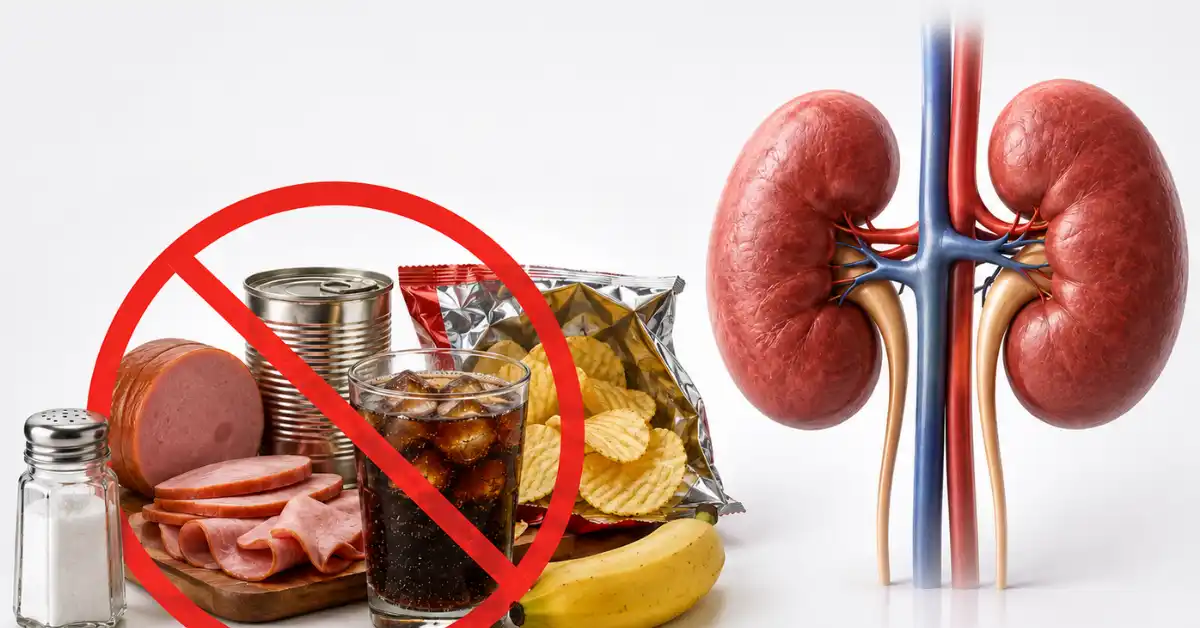
Hearing that you have kidney disease can make an ordinary meal feel surprisingly complicated. A banana suddenly raises questions. A glass of milk makes you wonder about phosphorus. Pickles, chips, instant noodles and restaurant food may all look different on the plate, but they can affect the body in ways the kidneys may struggle to handle.The important thing is that there is no single list of Foods to Avoid With Kidney Disease that every person with kidney disease must follow.
What you need to limit depends on your kidney function, blood potassium and phosphorus levels, blood pressure, fluid balance, diabetes, medications, and whether you are on dialysis. So rather than giving you a long list of nutrients to memorise, this guide looks at the everyday foods that commonly need attention, what they can affect, and which people with kidney disease need to be especially careful with them.
What Foods Should You Avoid With Kidney Disease?
Some foods may need to be limited because damaged kidneys cannot remove certain substances from the body as efficiently as healthy kidneys.
| Food you may recognise | What may become a problem | Why it matters |
| Pickles, papad, chips, instant noodles | Sodium | Can raise blood pressure and contribute to fluid retention |
| Cola and foods with phosphate additives | Phosphorus | Can become difficult to control as kidney function declines |
| Large amounts of banana, coconut water or dried fruit | Potassium | May become dangerous when blood potassium is high |
| Large portions of red meat and processed meat | Protein/purines | May need adjustment depending on kidney function and stone or uric-acid concerns |
| Packaged and processed foods | Sodium, phosphorus and additives | Can combine several dietary concerns in one meal |
| Sugary drinks and sweets | Added sugar | Particularly important in diabetes and diabetic kidney disease |
The key point is not that these foods are automatically forbidden. Their importance depends on your individual kidney condition and laboratory results.
Common Foods to Avoid With Kidney Disease
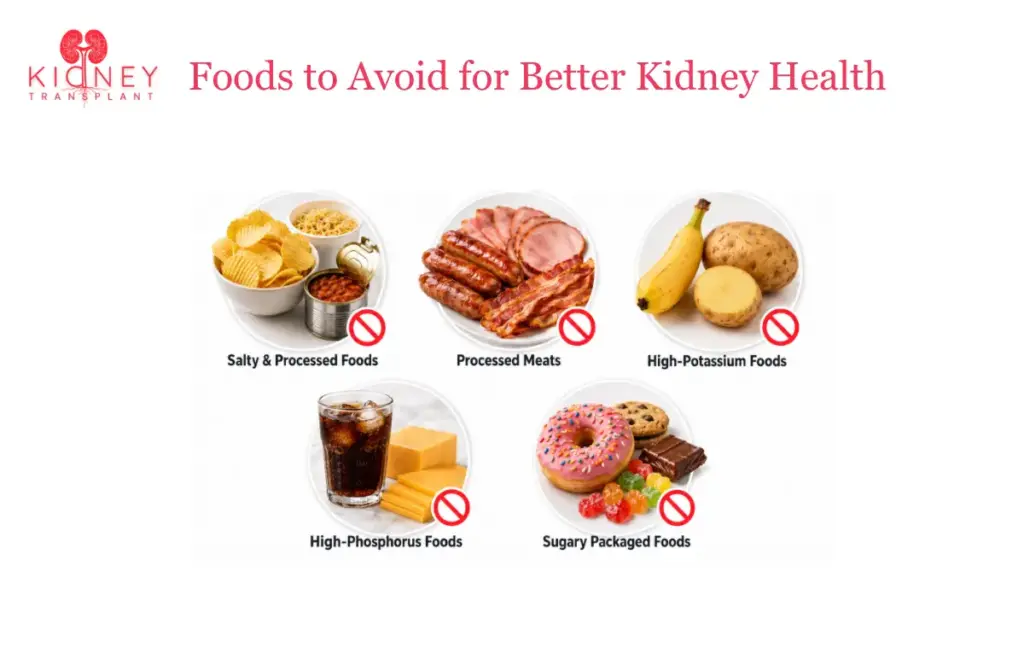
When managing kidney disease, certain foods may need to be limited depending on your kidney function and blood-test results. Common Foods to Avoid With Kidney Disease or reduce include:
- Salty foods: Pickles, papad, chips, instant noodles, canned foods and processed meals can contain large amounts of sodium, which may contribute to high blood pressure and fluid retention.
- High-potassium foods: Bananas, coconut water, dried fruits, potatoes, tomatoes and avocados may need portion control if your blood potassium is elevated.
- High-phosphorus foods: Cola, processed foods, some dairy products and foods containing phosphate additives may need to be limited when phosphorus levels are high.
- Processed meats: Sausages, bacon, salami and other processed meats can contain significant sodium and phosphorus additives.
- Large portions of meat: Protein needs vary with kidney function and dialysis status, so excessive protein intake may not be appropriate for everyone with CKD.
- Sugary drinks and sweets: These are especially important to limit if diabetes or high blood sugar is contributing to kidney disease.
Foods That May Need Limiting With Kidney Disease
There is no single “kidney disease food list.” What you need to limit depends on your kidney function, blood tests, blood pressure, fluid balance and whether you are on dialysis.
Instead of memorising nutrients, start with the foods you actually eat.
| Food to watch | Why it may matter |
| Pickles, papad, chips & salted snacks | High sodium can worsen blood pressure and fluid retention. |
| Instant noodles & packaged meals | Often combine high sodium with processed ingredients and additives. |
| Cola & processed foods | Phosphate additives may become important when phosphorus levels are high. |
| Bananas, coconut water & dried fruits | May need limiting when blood potassium is elevated. |
| Potatoes, tomatoes & avocado | Nutritious foods, but portions may need adjustment with high potassium. |
| Large portions of meat | Protein requirements change with kidney function and dialysis status. |
| Protein shakes & high-protein diets | May provide more protein than some people with CKD need. |
| Sausages, bacon & salami | Can combine high sodium, protein and phosphate additives. |
| Soft drinks, sweetened juices & energy drinks | Particularly important when diabetes is contributing to kidney disease. |
Kidney disease does not automatically mean you must avoid all potassium, phosphorus, protein or dairy. If your potassium and phosphorus are normal, you may not need the same restrictions as someone whose levels are elevated. Your diet should follow what your kidneys and blood tests actually need, rather than a generic internet list.
And when possible, choose fresh, minimally processed foods more often. That single change can make it easier to control sodium, added sugars and food additives without making every meal feel restrictive.
Foods You May Not Need to Avoid
Kidney disease often creates unnecessary fear around foods that are actually nutritious.
- Milk and yogurt: These contain phosphorus and potassium, so portion size may matter in advanced kidney disease. But they also provide protein and calcium. They should not automatically be eliminated simply because you have CKD.
- Fruits and vegetables: These provide fibre, vitamins and other protective nutrients. Only some people need significant potassium restriction, and that decision should be based on blood potassium and medical advice.
- Tomatoes: Tomatoes are not automatically “bad for the kidneys.” If potassium restriction is required, the amount may need to be adjusted, but there is no universal rule that everyone with CKD must avoid tomatoes.
- Nuts and seeds: These contain protein, minerals and healthy fats, but they may also contain potassium and phosphorus. Whether they need to be limited depends on your individual dietary requirements.
- Dairy products: Dairy can contribute phosphorus and potassium, but it also provides valuable nutrients. The appropriate amount depends on kidney function and blood-test results.
A food does not become unhealthy simply because you have kidney disease. Its suitability depends on what your kidneys can currently regulate.
Your Kidney Diet May Change as the Disease Changes
One of the most important things to understand about kidney nutrition is that your diet today may not be the same as your diet next year. In earlier stages of kidney disease, the emphasis may be on controlling blood pressure, diabetes, sodium intake and overall dietary quality. As kidney function declines, doctors may need to pay closer attention to potassium, phosphorus, protein, acid balance and fluid intake.
For someone on dialysis, nutritional requirements can change again.
| Situation | Dietary focus may include |
| Early CKD | Blood pressure, diabetes, sodium and overall diet quality |
| More advanced CKD | Sodium, potassium, phosphorus, protein and fluid depending on results |
| Dialysis | Individualised protein, fluid, sodium, potassium and phosphorus management |
This is why copying another person’s kidney diet can be misleading.Your kidney diet should follow your kidney function—not someone else’s diagnosis.
Myth about Kidney Detox
There is no special juice, tea, powder or supplement that can cleanse chronic kidney disease away.
Be particularly cautious about products marketed as:
- Kidney detoxes
- Kidney cleanses
- Herbal kidney flushes
- “Natural” kidney supplements
“Natural” does not automatically mean safe for damaged kidneys. Some supplements can contain substances that may interfere with medicines or place additional stress on the kidneys. If you have CKD, it is better to discuss supplements with your healthcare professional before taking them regularly.
The Best Way to Think About Foods With Kidney Disease
Instead of carrying a long list of forbidden foods in your head, use a simpler approach.
For example:
Pickle → sodium → important if blood pressure/fluid balance is a concern.
Cola → phosphate additives → important if phosphorus is elevated.
Banana → potassium → important if blood potassium is high.
Large meat portions → protein → important when protein intake needs adjustment.
This approach is far more useful than simply labelling foods as “kidney foods” or “non-kidney foods.”
When Should You Ask for Personalised Kidney-Diet Advice?
A general article can help you understand the principles, but your actual diet should be based on your medical situation.
Ask your doctor or renal dietitian for personalised guidance if you have:
- Persistently high potassium or phosphorus levels, because the foods you need to restrict may be quite specific.
- Swelling, breathlessness or fluid retention, because your fluid and sodium requirements may need careful adjustment.
- Advanced kidney disease or dialysis, because nutritional requirements change as kidney function declines.
- Unintentional weight loss or poor appetite, because excessive dietary restriction can lead to malnutrition.
- Diabetes or difficult-to-control blood pressure, because dietary management becomes an important part of protecting remaining kidney function.
Conclusion
Having kidney disease does not mean that every meal has to become complicated.The right approach is not to fear bananas, milk, tomatoes or every food that contains potassium or phosphorus. It is to understand which substances your kidneys are struggling to regulate and which foods are contributing the most to them.
For one person, the biggest issue may be salty packaged foods. For another, it may be high potassium. Someone else may need to focus more carefully on phosphorus, protein, blood sugar or fluid intake. That is why the best kidney diet is rarely the most restrictive one. It is the one that matches your kidney function, blood-test results, medical condition and nutritional needs—while still allowing you to eat a balanced and enjoyable diet.