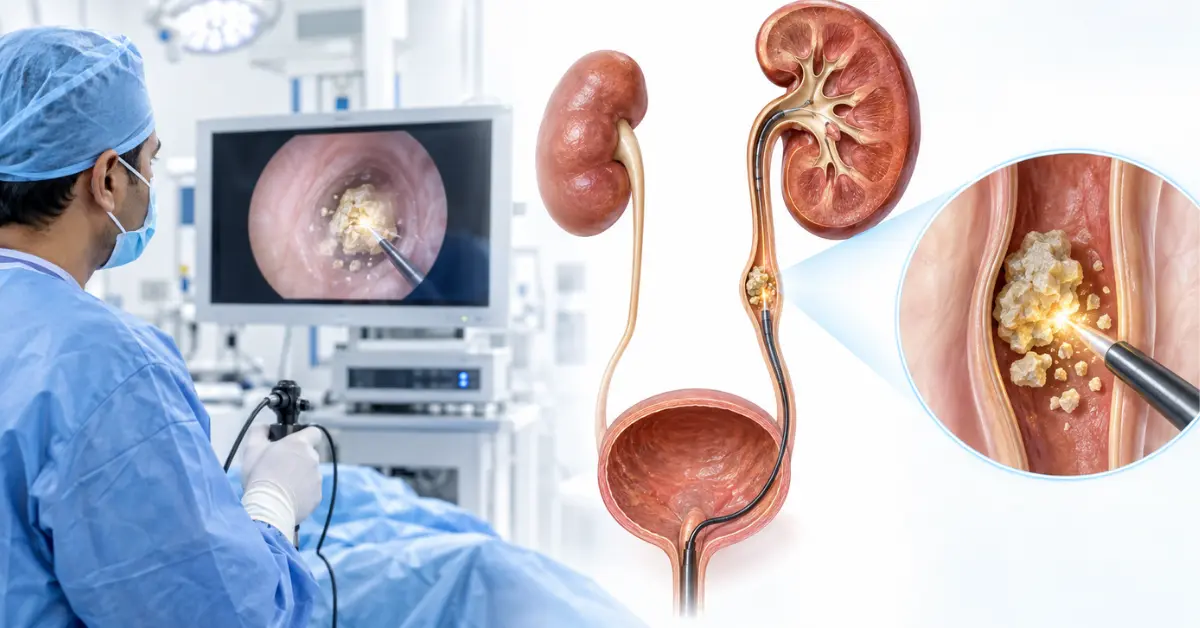
Your kidney are working every day, even when you never think about them. When you drink a glass of water, eat a salty meal, exercise, or spend hours in the heat, your body has to constantly adjust. Your kidney quietly respond by deciding what to keep, what to remove, and what needs to be brought back into balance.
They clear waste products from your blood, regulate water and minerals, help control blood pressure, maintain the right chemical balance in your body, and produce hormones that support your blood and bones. These essential Functions of the Kidney processes happen continuously, often without you even noticing.
Your kidney simply keep adapting to what your body needs, day after day, without asking for your attention. That quiet, continuous work is exactly why understanding your kidney—and protecting them before problems begin—matters so much.
Your Kidney at a Glance
| What your kidney do | Why your body needs it |
| Filter the blood | Removes waste products and substances the body no longer needs. |
| Make urine | Provides a route for waste and excess substances to leave the body. |
| Control water balance | Prevents excessive water loss or unnecessary fluid accumulation. |
| Balance electrolytes | Supports normal heart, nerve, and muscle function. |
| Help regulate blood pressure | Controls fluid balance and participates in hormonal blood-pressure regulation. |
| Maintain acid-base balance | Keeps blood chemistry within the range needed for normal cell function. |
| Produce erythropoietin | Signals the bone marrow to produce red blood cells. |
| Activate vitamin D | Helps the body absorb calcium and supports healthy bones and muscles. |
The Functions of the Kidney are not separate jobs performed one after another. They happen together, continuously, to keep your body balanced and healthy.
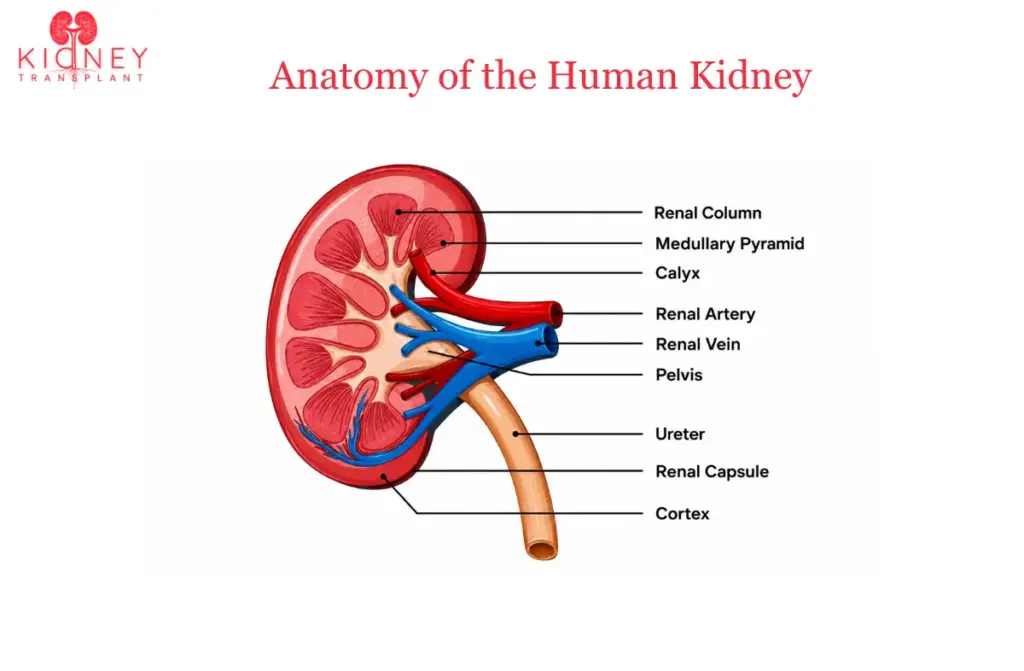
How Do the Kidney Filter Your Blood?
Think about everything travelling through your bloodstream at any given moment. There is oxygen, water, nutrients, hormones, minerals, medicines, and waste produced by millions of cells. Your kidney have to sort through this mixture and decide what should leave the body and what should stay.
This happens largely through tiny functional units called nephrons. Each kidney contains roughly one million of them. Inside each nephron is a microscopic filtering structure called the glomerulus. Blood passes through this network of tiny vessels, allowing water and small dissolved substances to move into the nephron while blood cells and most larger proteins normally remain in the bloodstream.
But filtering is only the beginning. If everything that passed through the filter simply left the body, you would quickly lose substances that are essential for life. So the nephron carefully sorts the filtered fluid again.
| Step | What happens |
| Filtration | Small substances move from the blood into the nephron. |
| Reabsorption | Useful substances are returned to the bloodstream. |
| Secretion | Additional unwanted substances are moved into the forming urine. |
| Excretion | The finished urine eventually leaves the body. |
This is why the kidney are better understood as filtering and recycling organs, rather than simple waste-disposal systems.They remove what the body no longer needs while recovering what it still needs.
The Major Functions of the Kidney
Your kidney perform several essential jobs at the same time. Each one contributes to a different aspect of your health, but together they help maintain the stable internal environment your body needs to function normally.
- Filtering waste from the blood: Your cells constantly produce waste as they generate energy and carry out their normal activities. The kidney remove substances such as urea and creatinine from the bloodstream and eliminate them through urine, preventing waste products from building up to harmful levels.
- Maintaining water balance: Your body’s water requirements change throughout the day. When you lose fluid through sweating or do not drink enough, the kidney conserve more water and produce more concentrated urine. When you consume excess fluid, they can increase urine production and remove the surplus.
- Balancing electrolytes: Sodium, potassium, calcium, and other electrolytes are essential for nerve signals, muscle contraction, heart rhythm, and many cellular processes. The kidney continuously adjust how much of these minerals are retained or excreted so their levels remain within an appropriate range.
- Maintaining acid-base balance: Normal metabolism produces acids that must be controlled to keep the blood’s pH stable. The kidney remove excess acid and help preserve bicarbonate, an important buffer that protects the body’s chemical balance.
- Helping regulate blood pressure: The kidney influence blood pressure by controlling sodium and water balance and by releasing hormones such as renin. This creates a close relationship between kidney function and cardiovascular health.
- Supporting red blood cell production: Healthy kidney produce erythropoietin, a hormone that signals the bone marrow to produce red blood cells. When kidney function becomes significantly impaired, reduced erythropoietin production can contribute to anaemia.
- Supporting bone health: The kidney activate vitamin D into a form the body can use and help regulate calcium and phosphorus. These functions contribute to calcium absorption, healthy bones, and normal muscle function.
The important point about the Functions of the Kidney is that they extend far beyond urine production. The kidneys influence the blood, heart, muscles, bones, nerves, circulation, and the overall chemical balance of the body.
How Do Your Kidney Control Water Balance?
Think about a hot day when you have been sweating for several hours. Your body loses water, so your kidney respond by conserving more of what remains. Your urine may become darker and more concentrated because less water is being lost.
Now imagine drinking a large amount of water. The situation changes. Your body does not need to retain all of that fluid, so the kidney can increase urine production and remove the excess.
This constant adjustment is one of the kidney most important jobs.They do not simply produce a fixed amount of urine every day. They adjust urine production according to what your body needs.
Why Do the Kidney Regulate Sodium and Potassium?
Sodium and potassium may be familiar from conversations about hydration and electrolytes, but their importance goes much further.
Your nerves need them to transmit signals. Your muscles need them to contract. Your heart depends on carefully controlled electrolyte concentrations to maintain a normal rhythm.
The kidney help maintain this balance by deciding how much sodium, potassium, and other electrolytes should remain in the bloodstream and how much should be removed through urine.
This is one reason significant kidney dysfunction can affect the whole body rather than simply changing urination.
How Do the Kidney Help Control Blood Pressure?
The relationship between the kidney and blood pressure works in both directions.
- The kidney influence blood pressure: They regulate how much sodium and water remain in the body, which affects blood volume. They also produce renin, a hormone involved in a system that regulates blood pressure and blood-vessel tone.
- Blood pressure affects the kidney: Persistently high blood pressure can damage the delicate blood vessels inside the kidney, gradually affecting their ability to filter blood effectively.
This creates an important connection: high blood pressure can contribute to kidney damage, while kidney disease can make blood pressure harder to control.
How Do the Kidney Keep Your Blood Chemically Stable?
Your blood has to remain within a very narrow chemical range for your cells to function properly. Normal metabolism continuously produces acids. The kidney help manage this acid load by removing excess acid and conserving bicarbonate, which helps buffer the blood.
The lungs are also involved in maintaining acid-base balance, so the two systems work together. You will never feel your kidney performing this task, but without it, many of the chemical reactions required for normal cell function would gradually become disrupted.
How Do the Kidney Help Make Red Blood Cells?
- This is one of the kidney’s functions that often surprises people. The kidney produce erythropoietin (EPO), a hormone that tells the bone marrow to increase red blood cell production when necessary.
- Red blood cells carry oxygen from the lungs to tissues throughout the body. When kidney function becomes significantly impaired, EPO production may decrease.
- As a result, some people with advanced kidney disease develop anaemia, which can contribute to tiredness, weakness, and reduced exercise tolerance.
- So the kidney are involved not only in cleaning the blood but also in helping the blood carry oxygen efficiently.
What Do the Kidney Have to Do With Bone Health?
- The connection may seem unexpected, but the kidney have an important role in maintaining healthy bones.
- Vitamin D needs to be converted into its active form before the body can use it effectively. The kidney perform a crucial part of this process.
- They also help regulate calcium and phosphorus levels, both of which are important for normal bone structure and mineralisation.
- This means that significant kidney dysfunction can eventually affect bones and muscles, not simply the urinary system.
How Do the Kidney Work With the Rest of Your Body?
The kidney are deeply connected with other organs and systems.
| Body system | How the kidney are connected |
| Heart and blood vessels | Fluid, electrolyte, and blood-pressure regulation influence cardiovascular function. |
| Brain and nerves | Stable water and electrolyte levels are essential for normal nerve signalling. |
| Muscles | Potassium, calcium, and other minerals help muscles contract and relax normally. |
| Bones | Vitamin D activation and calcium-phosphorus regulation support skeletal health. |
| Blood | Erythropoietin helps regulate red blood cell production. |
| Lungs | The lungs and kidney work together to maintain acid-base balance. |
This explains why significant kidney disease can eventually affect several parts of the body. The problem is not simply that the kidney may produce less urine. As kidney function declines, the body can gradually lose its ability to regulate fluid, electrolytes, blood pressure, acid-base balance, red blood cell production, and mineral metabolism.
Your Kidney Are Constantly Keeping You in Balance
Perhaps the easiest way to understand the kidney is to think of them as the body’s filter, recycling system, and regulator all at once. They remove what you no longer need, return valuable substances to your bloodstream, and constantly adjust water, minerals, and acid levels according to your body’s changing requirements.
- You eat a salty meal.
- You drink more water.
- You exercise and sweat.
- You wake up after several hours without drinking.
Your kidney respond to each of these situations without you having to consciously direct them.That quiet adaptability is one of the most remarkable things about kidney function.
Why Protecting Kidney Function Matters
Kidney disease can develop gradually, and early kidney damage may cause few or no noticeable symptoms. Conditions such as diabetes and high blood pressure are particularly important because they can damage the kidney over time without necessarily making you feel unwell.
That is why understanding the Functions of the Kidney should not be based only on how you feel or how often you urinate. For people with important risk factors, appropriate kidney function testing can help identify changes early, when there may still be an opportunity to slow further damage.
Conclusion
The kidneys may be small organs, but their responsibilities are enormous. Functions of the Kidney include filtering waste from your blood, deciding how much water your body should retain, balancing electrolytes, helping regulate blood pressure, maintaining acid-base balance, supporting red blood cell production, and activating vitamin D for healthy bones. And perhaps the most remarkable part is that all of these jobs happen continuously and largely unnoticed..
You do not feel your kidney balancing potassium. You do not notice them adjusting your urine when you become dehydrated. You do not think about them producing hormones or regulating your blood chemistry.