If you’ve ever had a kidney stone, you know how quickly the pain can take over your day. It can come on suddenly, make it difficult to sit still, and leave you wondering when it will finally pass. While some small stones pass naturally, larger or stubborn stones may need medical treatment.
Thankfully, kidney stone treatment has changed a lot over the years. Open surgery is no longer the usual approach for most patients. Kidney Stone Laser Treatment offers a minimally invasive way to break stones into smaller pieces, making them easier to remove or pass through the urinary tract.
But what happens during the procedure? Is it painful? How long does recovery take? And is laser treatment suitable for everyone?
In this guide, we’ll answer these questions in simple language. We’ll explain how kidney stone laser treatment works, who may need it, what to expect before and after the procedure, and how it compares with other treatment options.
What Is Kidney Stone Laser Treatment?
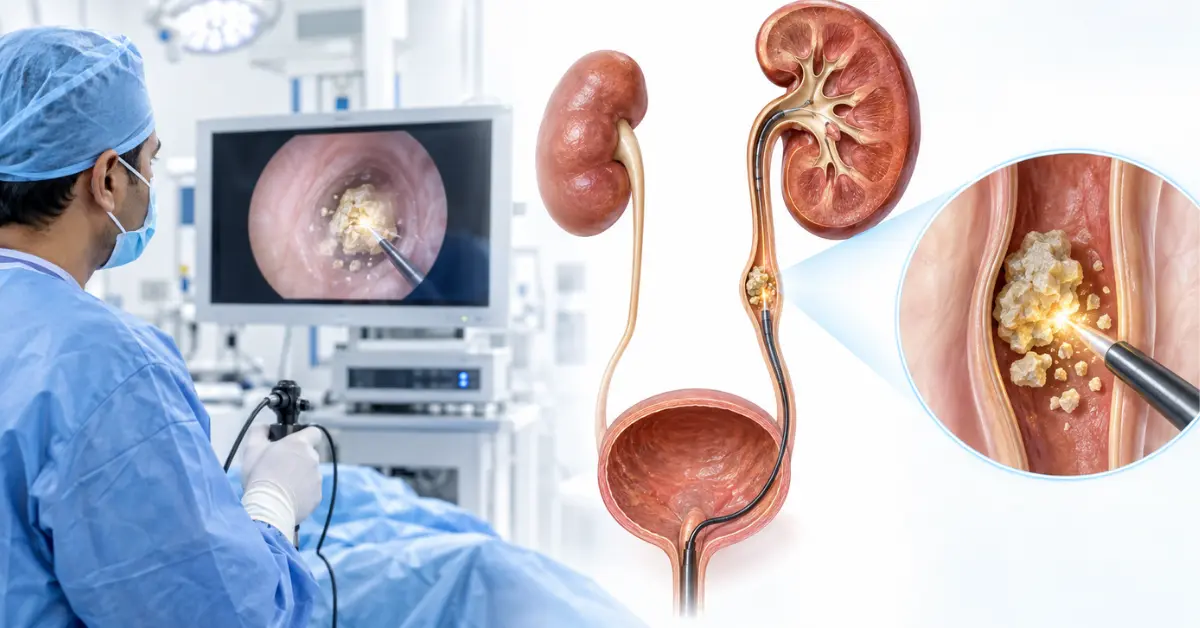
Kidney Stone Laser Treatment is a minimally invasive procedure used to break kidney or urinary stones into smaller pieces so they can be removed more easily or passed naturally through the urine. Instead of making a large cut, a doctor usually passes a thin instrument called a ureteroscope through the urinary tract to reach the stone.
Once the stone is located, a laser is carefully used to break it into tiny fragments. Larger pieces may be removed with small instruments, while very small fragments can often pass naturally.
The procedure is commonly considered when a stone is too large to pass on its own, is causing ongoing pain or blockage, or has not responded to other treatments. The exact approach depends on the stone’s size, location, and your overall health.
Why Laser Treatment Is Different from Other Stone Removal Methods
There are a few common ways doctors treat kidney stones, and it helps to understand where laser treatment fits in.
- Extracorporeal Shock Wave Lithotripsy (ESWL): This uses sound waves from outside the body to break stones apart. It’s non-invasive, but it doesn’t work well for very hard stones or stones in certain positions.
- Percutaneous Nephrolithotomy (PCNL): This is used for larger stones and involves a small incision in the back to access the kidney directly. It’s more invasive but necessary for bigger or complex stones.
- Laser Lithotripsy (RIRS or Ureteroscopy with Laser): This is done entirely through the urinary tract, with no cuts at all in most cases. It’s often the go-to option for small to medium-sized stones, and it’s increasingly being used for larger stones too, thanks to improvements in laser technology.
The biggest advantage laser treatment has over the others is precision. The surgeon can see the stone directly through the scope and target it exactly, which reduces damage to surrounding tissue and gives a cleaner result.
Who Actually Needs Laser Treatment for Kidney Stones?
Not every kidney stone requires a procedure. Small stones, especially those under 4-5mm, often pass on their own with enough water, pain management, and sometimes medication that helps relax the ureter. But laser treatment usually becomes the recommended path when:
- The stone is too large to pass naturally
- The stone is causing a blockage in the urinary tract
- There’s ongoing infection linked to the stone
- The pain is severe and not responding to medication
- The stone hasn’t moved despite weeks of waiting and monitoring
- Kidney function is being affected
If your doctor has ordered a CT scan or ultrasound and mentioned laser treatment, it usually means they’ve already ruled out the possibility of the stone passing safely on its own.
Symptoms That Might Point to a Kidney Stone
Before treatment even comes into the picture, most people notice symptoms like:
- A sharp, cramping pain in the back or side, often below the ribs
- Pain that radiates toward the lower abdomen or groin
- Blood in the urine, sometimes visible, sometimes only detected in a lab test
- Nausea or vomiting during pain episodes
- A frequent urge to urinate
- Burning sensation while urinating
- Cloudy or foul-smelling urine, which can indicate infection
If you’re dealing with any of these, especially sudden, severe pain, it’s worth getting checked rather than waiting it out.
How Kidney Stone Laser Treatment Actually Works
Here’s a simple breakdown of what typically happens during the procedure, often called Retrograde Intrarenal Surgery (RIRS) when performed with a flexible scope reaching up into the kidney.
Step 1: Anesthesia
The procedure is done under general or spinal anesthesia, so you won’t feel anything during it.
Step 2: Scope Insertion
A thin, flexible scope called a ureteroscope is passed through the urethra, into the bladder, and up through the ureter to reach the stone. No external incisions are needed for this step.
Step 3: Laser Fragmentation
Once the stone is located, the surgeon inserts a laser fiber through the scope. The laser energy breaks the stone into either dust-like particles or small fragments, depending on the technique used.
Step 4: Fragment Removal
Smaller dust particles are usually left to pass naturally in urine over the following days. Larger fragments may be captured with a small basket device and removed directly.
Step 5: Stent Placement
In many cases, a temporary ureteral stent is placed to keep the ureter open while it heals and to help any remaining fragments pass more comfortably. This stent is usually removed within one to two weeks in a quick outpatient visit.
The entire procedure typically takes between 30 minutes to a couple of hours, depending on the size, number, and location of the stones.
Is Kidney Stone Laser Surgery Painful?
During the procedure, you won’t feel anything because of the anesthesia. Afterward, it’s common to experience mild to moderate discomfort, especially if a stent has been placed. Some people describe a dull ache in the back, a frequent urge to urinate, or slight burning. This usually settles within a few days and is manageable with prescribed pain relief.
Recovery After Laser Treatment
One of the biggest reasons this procedure has become so widely used is the recovery timeline. Compared to open surgery, which could mean weeks of downtime, laser treatment typically allows most people to:
- Go home the same day or after one night in the hospital
- Return to light daily activities within 2-3 days
- Resume normal work and routine within about a week, depending on the job
- Fully recover within 2-4 weeks, including stent removal
Your doctor will likely recommend drinking plenty of water in the days following the procedure to help flush out any remaining stone dust. Mild blood in the urine for a day or two is normal and not usually a cause for concern.
Tips for a Smoother Recovery
- Stay well-hydrated, but don’t overdo it in one sitting; spread fluids throughout the day
- Avoid heavy lifting or intense exercise until your doctor gives the go-ahead
- Take prescribed medications on schedule, especially anything for stent discomfort
- Watch for signs of infection, such as fever, chills, or worsening pain
- Attend your follow-up appointment for stent removal and imaging
Benefits of Laser Treatment for Kidney Stones
- Minimally invasive: No external cuts in most cases
- High success rate: Especially effective for stones in the kidney and ureter
- Shorter hospital stay: Often same-day or overnight
- Faster recovery: Back to normal life much sooner than open surgery
- Works on hard stones: Effective even on stones that don’t respond well to shock wave therapy
- Lower risk of complications: Compared to more invasive surgical options
Possible Risks and Side Effects
No medical procedure is entirely without risk, and it’s worth knowing what to watch for:
- Temporary discomfort or burning during urination
- Mild bleeding in urine for a short period
- Urinary tract infection
- Stent-related discomfort until removal
- Rare chance of ureteral injury or scarring
- Stone recurrence over time, which is more related to individual risk factors than the procedure itself
Serious complications are uncommon, but it’s important to report symptoms like high fever, severe pain, or inability to urinate to your doctor right away.
Cost Considerations
The cost of kidney stone laser treatment can vary quite a bit depending on the hospital, the city, the type of laser technology used, whether it’s an inpatient or outpatient procedure, and whether insurance or health coverage applies. Rather than relying on a fixed number, it’s best to get a direct quote from the hospital or clinic you’re considering and check what your insurance policy covers, including anesthesia, hospital stay, and follow-up visits.
Laser Treatment vs. Waiting It Out: What Should You Choose?
If a stone is small and not causing major symptoms, many doctors will suggest a period of monitoring, sometimes called “watchful waiting,” combined with increased water intake and pain management. But if the stone is large, stuck, causing infection, or affecting kidney function, waiting can actually increase risk. Delayed treatment sometimes leads to more serious kidney damage or repeated infections. This is a decision best made with your urologist based on stone size, location, and your overall health.
How to Prepare for the Procedure
- Follow fasting instructions given by your medical team, usually no food or water for several hours beforehand
- Inform your doctor about any blood thinners or medications you’re taking
- Arrange for someone to drive you home, since anesthesia affects alertness
- Wear comfortable, loose clothing on the day of the procedure
- Ask questions ahead of time about stent placement and what to expect afterward
Conclusion
Kidney stone laser treatment has genuinely changed the experience of dealing with stones that once required much more invasive surgery. It’s precise, generally well-tolerated, and comes with a recovery timeline that fits into most people’s lives without major disruption. That said, every case is different, and the right treatment path depends on the size, location, and composition of the stone, along with your overall health.
If you’re dealing with kidney stone symptoms or have been told a procedure might be necessary, the most important next step is a conversation with a qualified urologist who can walk you through your specific imaging results and recommend the safest, most effective option for you.