Kidney stones can develop quietly. In some people, a small stone may sit inside the kidney without causing any noticeable problem. In others, symptoms can appear suddenly when the stone begins moving through the urinary tract.
This is why knowing the early signs of kidney stones can be useful. A mild ache in your side, changes in urination, or a small amount of blood in the urine may seem easy to ignore, but these symptoms can sometimes be the first indication that a stone is forming or moving.
Kidney stones are hard deposits made from minerals and salts that form inside the kidneys. They can vary considerably in size. Some are tiny enough to pass naturally, while larger stones may become lodged in the urinary tract and interfere with the normal flow of urine.
The good news is that kidney stones are usually treatable, especially when they are identified early. Understanding the warning signs can help you know when to monitor your symptoms and when it is important to speak with a doctor.
What Are Kidney Stones?
Kidney stones are solid, pebble-like deposits that form when certain substances in urine become highly concentrated and begin forming crystals. These crystals can gradually stick together and develop into a stone.
Calcium oxalate and calcium phosphate stones are common, but other types include uric acid, struvite and cystine stones. The reason a person develops a particular type of stone can vary depending on hydration, diet, medical conditions, medications, genetics and other factors.
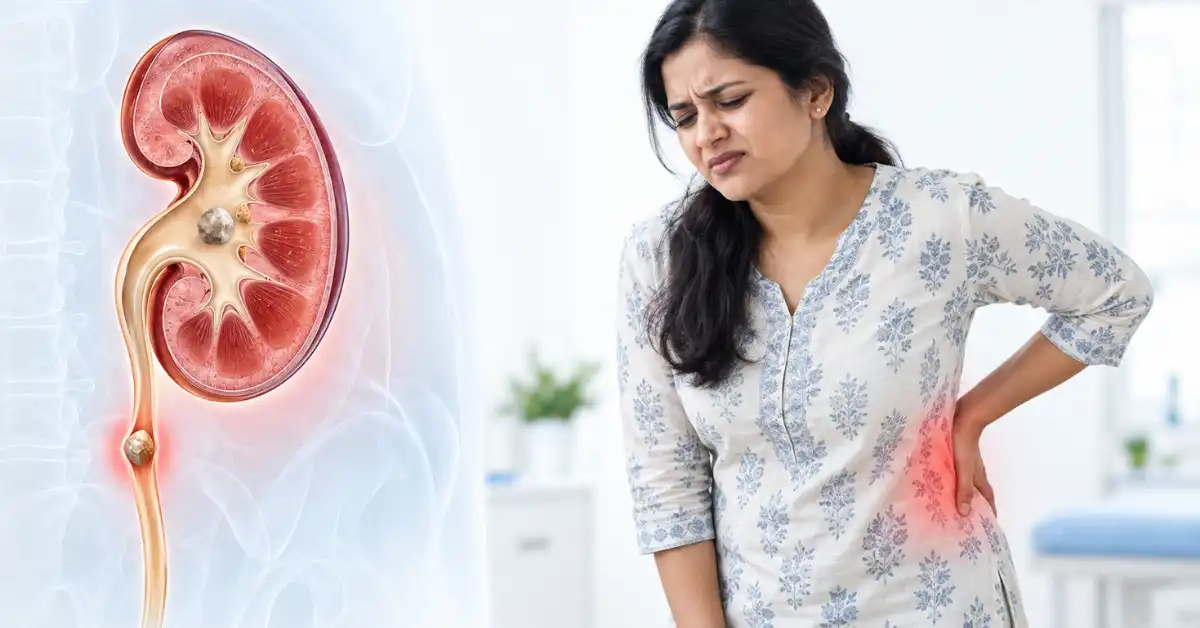
A small kidney stone may remain in the kidney without causing symptoms. In fact, some people pass small stones without realizing they had one. Symptoms often begin when the stone moves from the kidney into the ureter, the narrow tube that carries urine from the kidney to the bladder. If the stone becomes stuck, it can interfere with urine flow and cause significant pain.
Early Signs of Kidney Stones
The symptoms of kidney stones are not always dramatic at first. Some people notice subtle changes before experiencing the severe pain commonly associated with stones.
Here are some early signs worth paying attention to.
1. Mild Pain in the Side or Back
One of the first symptoms you may notice is discomfort around the side or back, particularly below the ribs.The pain may initially feel like a dull ache rather than the intense pain people often associate with kidney stones. It may come and go or become more noticeable after physical activity.
As the stone moves through the urinary tract, the location and intensity of pain can change. Kidney stone pain may eventually spread toward the lower abdomen or groin.
Because back and side pain can have many causes, including muscle strain and other urinary conditions, it should not automatically be assumed to be a kidney stone. However, unexplained pain accompanied by urinary changes deserves medical attention.
2. Pain That Comes and Goes
Kidney stone pain is often different from ordinary muscle pain. Instead of remaining at the same level throughout the day, it may come in waves. You may feel relatively comfortable for a short period and then experience another episode of stronger pain.
This happens because the ureter can spasm as it tries to move the stone toward the bladder. The pain may also shift as the stone travels. For example, discomfort that begins in the side or back may later be felt lower in the abdomen or toward the groin. If you notice recurring, unexplained pain that changes in location or intensity, it is worth getting evaluated.
3. A Frequent Urge to Urinate
Another possible early warning sign is feeling that you need to urinate more often than usual. You may feel the urge repeatedly, even when only a small amount of urine comes out. This can happen when a stone moves closer to the bladder or irritates parts of the urinary tract.
Frequent urination can also occur with urinary tract infections and other bladder conditions, so this symptom alone does not confirm a kidney stone.
However, if frequent urination occurs together with side pain, blood in the urine or painful urination, you should speak with a healthcare professional.
4. Burning or Pain While Urinating
A burning sensation while urinating can be another sign that something is irritating the urinary tract. People often associate painful urination with a urinary tract infection, and that is certainly one possible cause. But kidney stones can also cause pain or burning when they move through the urinary system.
If burning during urination is persistent, particularly when accompanied by abdominal or back pain, it should be checked rather than treated as a minor urinary problem.
5. Blood in the Urine
Blood in the urine, known medically as hematuria, can occur when a kidney stone irritates or scratches the lining of the urinary tract as it moves.
The urine may appear:
- Pink
- Red
- Brown
- Tea-coloured
Sometimes the amount of blood is so small that it cannot be seen with the naked eye and is detected only through urine testing.
Seeing blood in your urine should never be ignored. Although kidney stones are one possible explanation, blood in the urine can have several other causes. A medical evaluation is therefore important to determine the underlying reason.
6. Cloudy or Strong-Smelling Urine
Changes in the appearance or smell of urine may also occur with urinary tract problems. Cloudy or unusually bad-smelling urine can sometimes occur alongside kidney stones, particularly when a urinary infection is also present.
However, cloudy urine does not necessarily mean you have kidney stones. If the change continues or appears together with fever, chills, pain or burning during urination, seek medical advice promptly because an infection may need treatment.
7. Nausea or Vomiting
As kidney stone pain becomes stronger, some people develop nausea or vomiting.The connection may not seem obvious because the problem begins in the urinary system, but severe pain from a stone can trigger nausea.
Nausea and vomiting are more commonly associated with significant kidney stone symptoms rather than very early, mild symptoms. If vomiting prevents you from keeping fluids down, dehydration can become another concern.
8. Difficulty Passing Urine
A kidney stone can sometimes become lodged in the urinary tract and interfere with urine flow.
You may notice that:
- Urine is coming out only in very small amounts.
- You feel an urge to urinate but cannot.
- Your normal urine flow has suddenly changed.
Difficulty passing urine is not something to manage casually at home. A blockage can require prompt medical assessment.
Can Kidney Stones Cause Symptoms Before Severe Pain?
Yes, but not always.One of the confusing things about kidney stones is that their symptoms can vary considerably from person to person.A small stone may cause no symptoms at all. It can remain inside the kidney and eventually pass naturally.
Symptoms often become noticeable when a stone moves into the ureter. Because the ureter is narrow, a stone can cause irritation, muscle spasms and, in some cases, obstruction. This is when pain and urinary symptoms can become much more obvious.
So, there is not necessarily a predictable sequence such as:
mild pain → moderate pain → severe pain.
Some people may experience mild urinary symptoms first. Others may have no warning and suddenly develop severe pain.
What Does Kidney Stone Pain Feel Like?
Kidney stone pain is often described as sharp, intense or cramping.
It commonly begins in the side or back below the ribs and may move toward the lower abdomen or groin.
The pain can:
- Come in waves
- Change in intensity
- Move to another area
- Become severe enough that you cannot find a comfortable position
This pattern is one reason kidney stone pain can feel very different from ordinary back pain.
Still, symptoms overlap with other conditions. Severe abdominal, back or groin pain should therefore be evaluated rather than self-diagnosed.
What Causes Kidney Stones?
Kidney stones develop when the urine contains more stone-forming substances than can remain dissolved.
Dehydration is an important risk factor because having less water in the urine makes it easier for certain minerals and other substances to become concentrated.
Other factors that may increase the risk include:
- A previous history of kidney stones
- A family history of kidney stones
- Not drinking enough fluids
- A diet high in sodium
- Certain dietary patterns
- Obesity
- Some digestive diseases or surgeries
- Repeated urinary tract infections
- Certain medical conditions
- Some medications and supplements
Having one risk factor does not mean you will definitely develop stones. Similarly, someone without obvious risk factors can still develop them.
Who Is More Likely to Develop Kidney Stones?
Kidney stones can affect people of different ages and backgrounds.Your risk may be higher if you have previously had a kidney stone. People with a family history may also be more likely to develop them. Dehydration can increase risk, particularly in people who sweat heavily or live in hot climates.
Diet can also play a role. High sodium intake, for example, can increase the amount of calcium the kidneys need to filter, which can contribute to calcium-based stone formation in susceptible people.
This does not mean you need to completely eliminate specific foods without knowing what type of stone you have. Prevention is often more effective when it is based on your individual risk factors and, when appropriate, stone analysis or urine testing.
When Should You See a Doctor?
If you notice symptoms that could indicate a kidney stone, especially if they are new or persistent, it is sensible to seek medical advice.
You should seek urgent medical attention if you have:
- Severe or worsening pain
- Pain accompanied by fever or chills
- Blood in the urine
- Difficulty passing urine
- Severe nausea or vomiting
- Symptoms suggesting an infection
A kidney stone that blocks the urinary tract can sometimes be associated with a kidney infection. Fever and chills alongside urinary symptoms or severe pain are particularly important warning signs.
Do not wait for severe pain to develop before seeking help if you are already experiencing concerning symptoms.
How Are Kidney Stones Diagnosed?
Doctors generally consider your symptoms, medical history and physical examination when evaluating suspected kidney stones.
Depending on your symptoms, you may need:
- Urine Tests: A urine test can look for blood, signs of infection and other abnormalities.
- Blood Tests: Blood tests can help assess kidney function and identify levels of substances that may contribute to stone formation.
- Imaging Tests: Imaging can help identify the location and size of a stone.The appropriate scan depends on factors such as your symptoms, age and pregnancy status. In people with severe pain suspected to be caused by kidney stones, urgent imaging may be recommended.
If you pass a stone, your doctor may also recommend collecting it for analysis. Knowing the stone type can help guide future prevention.
How Are Kidney Stones Treated?
Treatment depends largely on the stone’s size, location, type and whether it is causing an obstruction or other complications.
Small stones may pass naturally without an invasive procedure. A healthcare professional may recommend fluids, pain relief and, in selected cases, medication to help the stone pass.
Larger stones or stones that cause persistent blockage, severe symptoms or complications may require a procedure.
Common treatment options include:
- Shock wave lithotripsy (SWL): Uses shock waves to break a stone into smaller pieces.
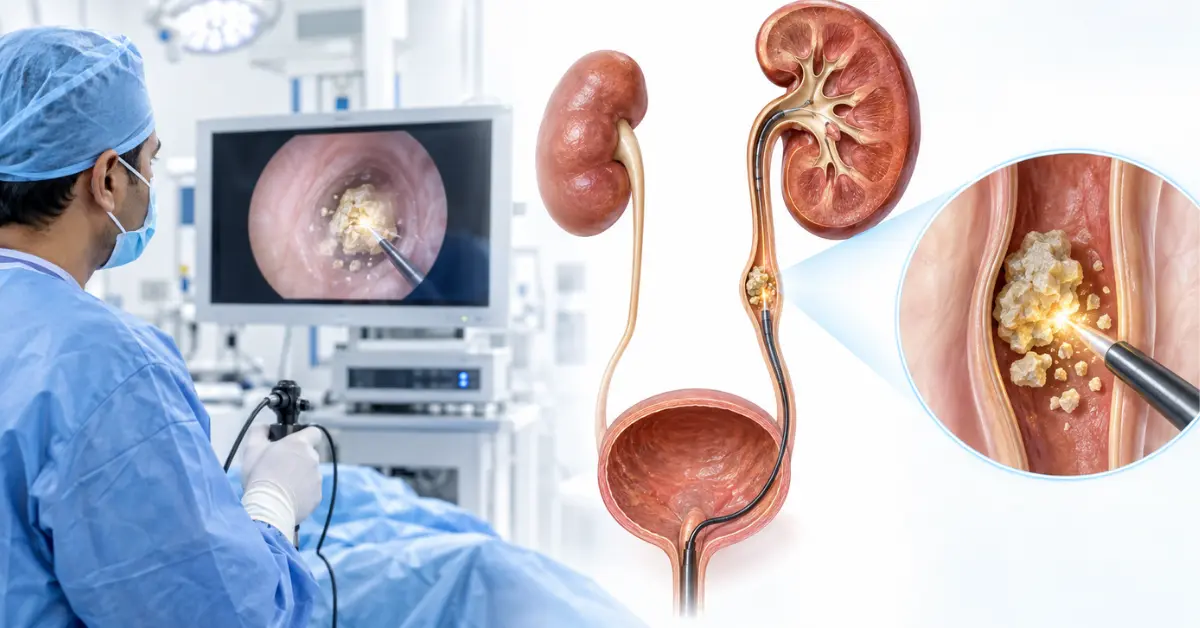
- Ureteroscopy: A thin instrument is passed through the urinary tract to locate and remove or break the stone.
- Percutaneous nephrolithotomy (PCNL): A procedure used for larger or more complex stones, involving access to the kidney through a small opening in the back.
Your urologist will determine the most appropriate treatment based on your individual condition.
Can You Prevent Kidney Stones?
In many cases, lifestyle changes can help reduce the risk of developing kidney stones again, although prevention depends on the type of stone and the reason it formed.
Staying adequately hydrated is one of the most important general measures. Your healthcare professional may also recommend dietary changes based on your stone type and urine or blood test results. Factors such as sodium, animal protein, calcium, and oxalate intake can be relevant for some people.
If you have already had a kidney stone, don’t assume that simply drinking more water is the entire solution. Understanding why the stone formed can help you and your healthcare professional develop a more personalized prevention plan.
Conclusion
Kidney stones can start with mild or easily overlooked symptoms, but they can become much more painful once a stone begins moving through the urinary tract. Pain in the side or back, changes in urination, blood in the urine, nausea, or pain while urinating are some signs to watch for. However, these symptoms can also have other causes, so it’s important not to self-diagnose.
If you experience severe pain, fever, chills, difficulty urinating, or repeated vomiting, seek medical attention promptly. Early diagnosis can help prevent complications and ensure you receive the right treatment. Knowing the early signs of kidney stones can help you recognize when something isn’t right and take action before the problem becomes more serious.