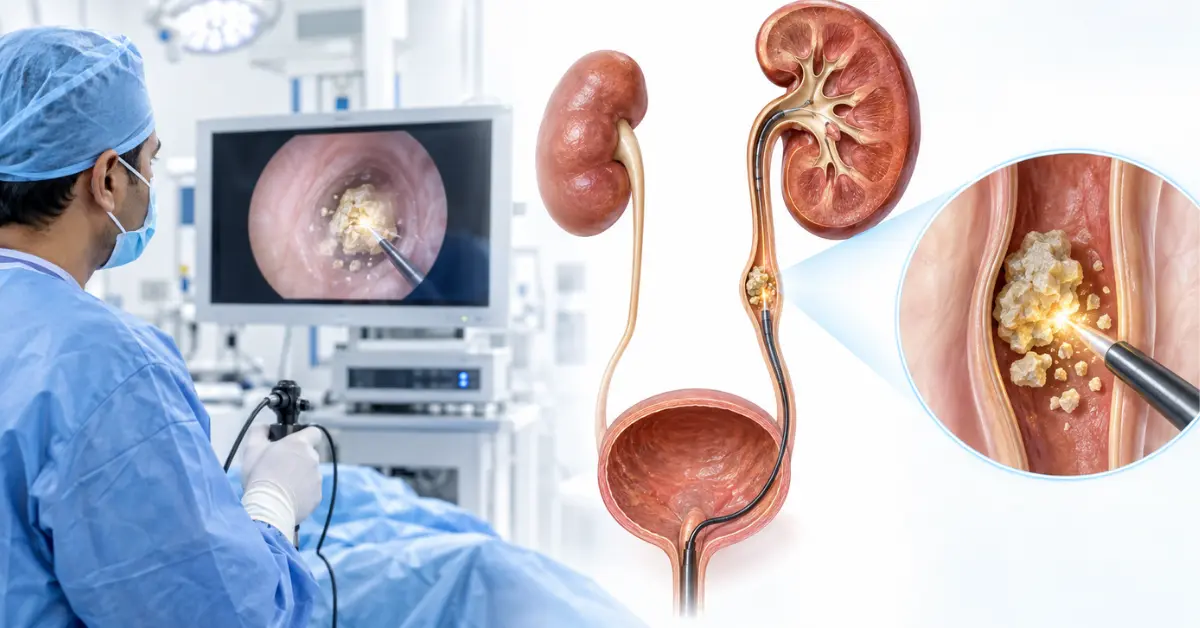
Blood in the urine, medically known as hematuria, is a condition in which red blood cells are present in the urine. It can be noticeable when the urine appears pink, red, or dark brown, or it may be detected only through a urine test. Although seeing blood in urine can be alarming, it does not always mean that there is a serious health problem. Sometimes it may result from a simple urinary tract infection, while in other cases it can be associated with kidney stones, kidney disease, or other conditions affecting the urinary system.
Because blood in urine can have many different causes, it is important not to ignore it. Understanding the possible causes, symptoms, and importance of medical evaluation can help in identifying the underlying problem and receiving appropriate treatment at the right time.

What Does Blood in the Urine Mean?
Hematuria means that red blood cells are present in your urine. Sometimes there is enough blood for you to see it, while in other cases it is found only during a urine test.
There are two main types:
| Type | What it means |
| Visible (gross) hematuria | The urine changes colour because enough blood is present to be seen. |
| Microscopic hematuria | Blood is present but can only be detected through laboratory testing. |
The source of the bleeding can be anywhere along the urinary system—from the kidneys and ureters to the bladder and urethra.That is why blood in the urine does not automatically mean that your kidneys are the problem.
More importantly, the amount of blood does not necessarily tell you how serious the cause is. A small kidney stone can make urine look dramatically red, while some important conditions may cause only microscopic bleeding.
Where Can the Blood Come From?
Your urinary system is more than just the kidneys. Urine travels through several structures before it leaves the body, and bleeding can occur at any point along that pathway.
- Kidneys: Conditions such as kidney stones, infections, inflammation, or certain kidney diseases can cause bleeding where urine is produced.
- Ureters: A stone moving from the kidney toward the bladder can irritate the ureter and cause blood to appear in the urine.
- Bladder: Infections, stones, inflammation, and some bladder conditions can cause bleeding from the bladder lining.
- Urethra: Infection, irritation, or injury can cause bleeding as urine leaves the body.
- Prostate: In men, an enlarged or inflamed prostate can sometimes contribute to hematuria, particularly with increasing age.
What Causes Blood in Urine?
The possibilities range from common and treatable conditions to problems that need more detailed investigation.
Urinary Tract Infection
A UTI can inflame the lining of the bladder or urethra, making small blood vessels more likely to bleed.
You may also notice burning while urinating, needing to urinate frequently, urgency, lower abdominal discomfort, or cloudy urine. Once the infection is appropriately treated, the bleeding usually settles.
Kidney Stones
Kidney stones are another common cause. As a stone moves through the urinary tract, its rough surface can irritate the lining and cause bleeding.
A stone may cause:
- Sudden, severe pain: Often felt in the side or back and sometimes travelling toward the groin.
- Nausea or vomiting: Particularly when the stone causes significant obstruction or pain.
- Blood in the urine: This may be visible or detected only on testing.
Interestingly, the amount of blood does not necessarily tell you how large or dangerous the stone is.
Kidney Infection
A kidney infection can cause hematuria along with more obvious signs of infection.
- Fever and chills: These may suggest that the infection has moved beyond the lower urinary tract.
- Pain in the side or back: Kidney infections often cause discomfort around the flank.
- Nausea or feeling unwell: General illness can accompany the infection.
Because kidney infections can become serious if untreated, these symptoms should be assessed promptly.
Kidney Disease
Some diseases affect the tiny filtering structures inside the kidneys and allow red blood cells to leak into the urine.
In these situations, the blood may be microscopic rather than visible. Other clues can include protein in the urine, swelling, high blood pressure, or changes in kidney function.
Enlarged Prostate
In older men, benign prostate enlargement can contribute to blood in the urine. It may also cause difficulty starting urination, a weak urine stream, frequent nighttime urination, or a feeling that the bladder has not completely emptied.
Vigorous Exercise
Intense exercise, particularly endurance activities such as long-distance running, can occasionally cause temporary hematuria.
It may disappear with rest, but persistent or recurrent blood should not simply be blamed on exercise without appropriate evaluation.
Medicines
Certain medicines can increase the likelihood of bleeding or affect kidney function. Blood thinners are an important example, while some painkillers may affect the kidneys when used frequently or in people who already have kidney problems.
Do not stop a prescribed medicine on your own. Your doctor can determine whether your medication has contributed to the bleeding and whether any adjustment is needed.
Bladder or Urinary Tract Cancer
Cancer is not the most common cause of hematuria, but it is one of the reasons unexplained blood in the urine should not be ignored.
A particularly important warning sign is painless visible blood in the urine, especially in older adults or people who smoke or have other risk factors. Seeing blood does not mean you have cancer. It means the cause needs to be properly established.
Does the Colour of the Urine Tell You How Serious It Is?
Not reliably. Blood can make urine appear pink, bright red, dark red, brown, or cola-coloured. The appearance can vary depending on how much blood is present, how long it has been in the urinary tract, hydration, and other factors.
So while the colour is useful information for your doctor, it is not a severity meter. A person with a relatively minor condition may have strikingly red urine, while someone with an important underlying disease may have no visible colour change at all.
If you notice an unusual colour, it is useful to remember when it happened, whether it happened again, and whether you had pain or other symptoms. These details can help your doctor understand what may be happening.
Blood in the Urine Without Pain: Should You Be Concerned?
Yes, it is worth taking seriously—but there is no need to panic.
When blood appears in the urine without pain, it can be easy to ignore because there are no other obvious symptoms. Pain is often associated with conditions such as kidney stones or urinary tract infections. However, some kidney problems and urinary tract cancers can cause blood in the urine without causing pain, especially in the early stages.
This is why painless hematuria should not simply be dismissed. If you notice blood in your urine and there is no clear explanation, especially if it is visible or happens more than once, it is important to speak with a healthcare professional. They can determine the cause through appropriate tests and recommend treatment if needed.
When Should You Seek Urgent Medical Care?
Most episodes of hematuria do not require you to panic, but certain combinations of symptoms should be assessed quickly.
Seek urgent medical attention if blood in the urine occurs with:
- Inability to urinate or large blood clots: Clots can obstruct urine flow and may require urgent treatment.
- Severe side, back, or abdominal pain: This can occur with kidney stones, obstruction, or kidney infection.
- Fever, chills, or shaking: These may indicate a significant urinary or kidney infection.
- Heavy or persistent bleeding: Ongoing visible bleeding needs prompt assessment.
- Dizziness, fainting, or marked weakness: These symptoms may indicate significant blood loss or another serious problem.
- Recent injury to the abdomen or back: Trauma can damage the kidneys or other parts of the urinary tract.
Even when these warning signs are absent, unexplained blood in the urine should still be medically evaluated, particularly when it is recurrent or visible.
How Is Hematuria Diagnosed?
Your doctor will usually start by understanding the story behind the blood.
You may be asked:
- When did you first notice it?
- Was the urine pink, red, or brown?
- Was there pain or burning?
- Have you noticed clots?
- Have you had fever or chills?
- Do you have a history of kidney stones or urinary infections?
- What medicines and supplements do you take?
- Do you smoke?
- Have you experienced urinary changes recently?
A urine test is often the starting point.
| Test | What it can show |
| Urinalysis | Blood, infection, protein, crystals, and other abnormalities |
| Urine culture | Whether bacteria are causing an infection |
| Blood tests | Kidney function and signs of infection or other problems |
| Ultrasound | Stones, obstruction, cysts, and structural abnormalities |
| CT scan | More detailed assessment of stones, tumours, trauma, or urinary structures |
| Cystoscopy | Direct examination of the bladder and urethra when indicated |
You may not need every test listed above. The investigation depends on your age, symptoms, medical history, risk factors, and what the initial tests show.The goal is not simply to confirm that blood is present. It is to understand why it is there.
How Is Blood in the Urine Treated?
There is no medicine that treats hematuria itself because hematuria is a symptom.
Treatment depends entirely on the underlying cause.
- UTI: Appropriate antibiotics are used when a bacterial infection is confirmed or strongly suspected.
- Kidney stones: Treatment may involve pain relief, observation, medicines to help stone passage, or a procedure to remove the stone depending on its size, location, and effect on urine flow.
- Enlarged prostate: Medicines can improve urinary flow, while procedures may be considered when symptoms are severe or complications develop.
- Kidney disease: Treatment focuses on the specific kidney disorder and on protecting remaining kidney function.
- Medication-related bleeding: Your doctor may review or adjust the medicine if it is contributing to the problem.
- Cancer: Treatment depends on the type, location, and stage and may include surgery, chemotherapy, immunotherapy, radiation, or a combination of treatments.
Can Blood in the Urine Disappear on Its Own?
Yes, sometimes. Exercise-related hematuria or temporary irritation may settle. Bleeding caused by a stone may also come and go as the stone moves.
But disappearing blood does not necessarily mean the underlying problem has disappeared. Some conditions cause intermittent bleeding, meaning the urine may look completely normal between episodes. So if you have unexplained hematuria, do not use “It stopped” as proof that everything is fine.
Can You Prevent Blood in the Urine?
Not every cause can be prevented, but several everyday habits can reduce the risk of common urinary and kidney problems.
- Stay adequately hydrated: Regular fluid intake supports healthy urine flow and may help reduce the risk of certain kidney stones, especially during hot weather or strenuous activity.
- Do not ignore urinary symptoms: Burning, urgency, frequent urination, or fever can indicate an infection that may need treatment before it reaches the kidneys.
- Manage diabetes and blood pressure: Long-term control helps protect the kidney’s delicate filtering structures.
- Avoid smoking: Smoking increases the risk of kidney and bladder cancers and damages blood vessels that supply the kidneys.
- Use medicines carefully: Avoid unnecessary self-medication, particularly frequent use of painkillers, and discuss regular medicine or supplement use with your doctor.
- Attend appropriate health checks: Kidney and urinary problems are sometimes discovered before they cause noticeable symptoms, making routine evaluation particularly valuable for people with risk factors.
Prevention cannot guarantee that hematuria will never occur. It simply reduces avoidable risks and gives you a better chance of identifying problems early.
Conclusion
Seeing blood in your urine can make your mind jump straight to the worst possibility. But hematuria has many causes, and a large number are treatable.The important thing is not to guess based on the colour, the amount of blood, or whether the bleeding disappears.
Instead, listen to what your body is telling you. Blood in the urine is not something to panic about—but it is something to pay attention to. Finding the cause gives you something much more useful than reassurance or fear: clarity about what is happening and what needs to be done next.