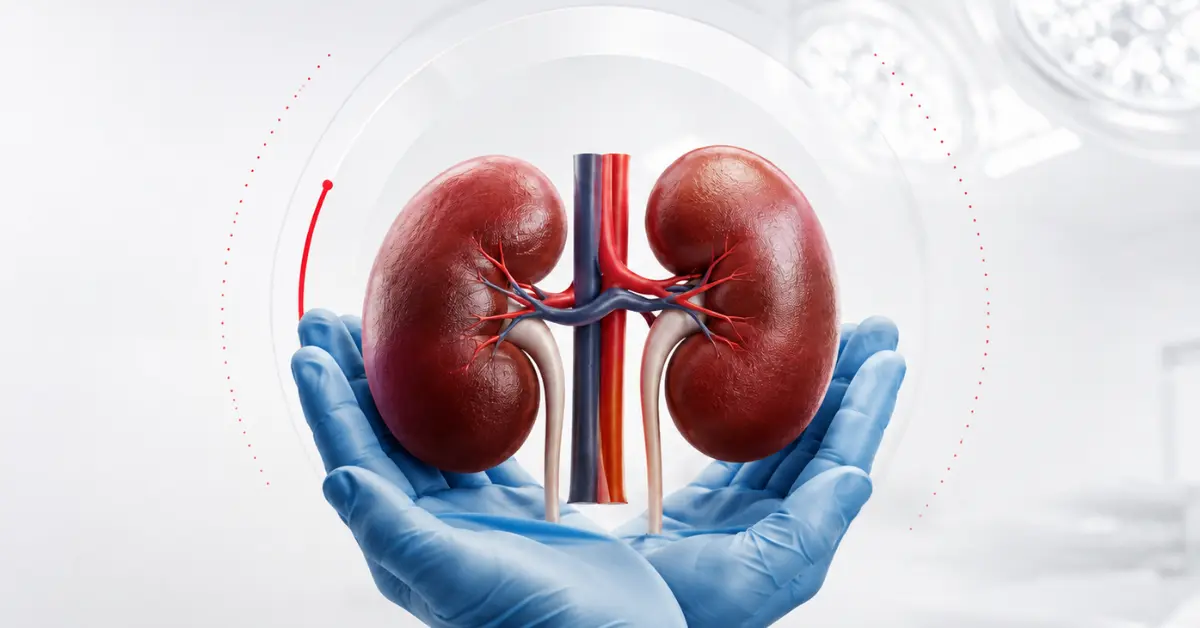

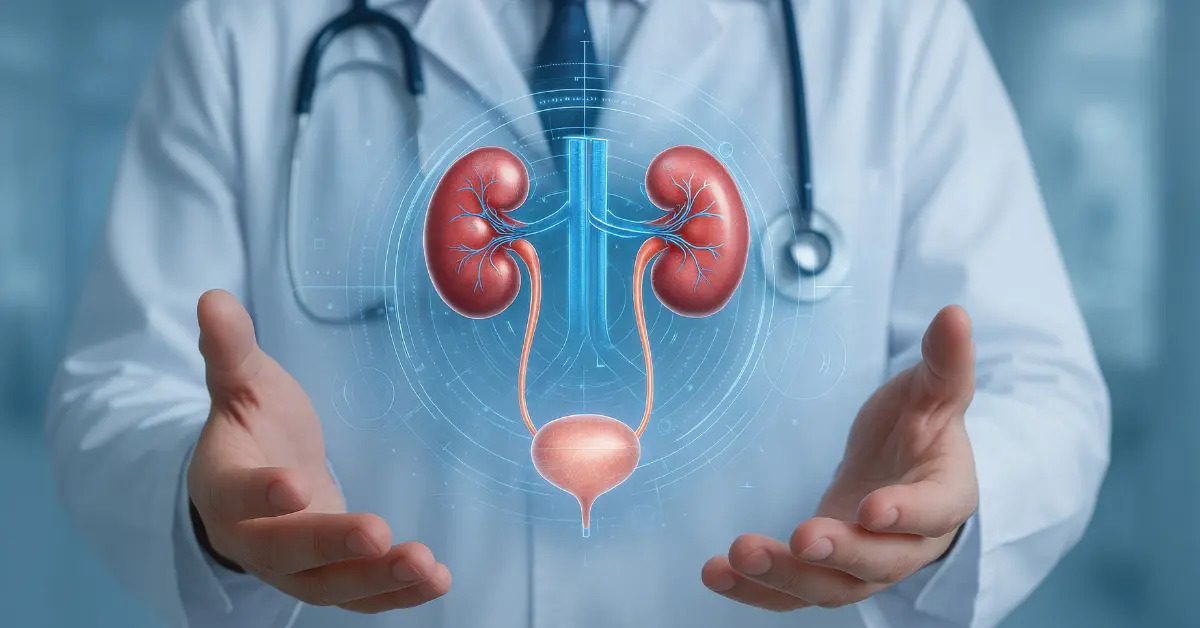
Advanced care for Deceased Donor Transplant improves transplant outcomes with timely medical support.

Conditions Treated

Comprehensive medical care for a wide range of conditions, focused on recovery, symptom management, and long-term wellness.

For someone living with advanced kidney failure, life often becomes measured not by months or years, but by dialysis sessions, hospital visits, and the hope that one day a phone call might change everything. While dialysis helps perform some of the work of failing kidneys, it cannot fully restore the freedom, energy, or quality of life that many people long to regain. For thousands of patients around the world, that hope comes through a deceased donor kidney transplant a procedure made possible by an extraordinary act of generosity from a person who chose to give the gift of life even after death. The journey, however, is rarely simple. It involves joining a waiting list, coping with uncertainty, remaining healthy enough for surgery, and trusting a carefully regulated system that matches donated organs with those who need them most. Along the way, patients often have countless questions about organ donation, waiting times, surgery, recovery, and life after transplantation.

Understanding how this process works can replace fear with confidence. More importantly, it reminds us that every successful transplant represents something far greater than a medical achievement it is the continuation of hope from one family to another, made possible through compassion, science, and an unwavering commitment to saving lives.
Understanding Deceased Donor Transplants

A deceased donor kidney transplant is a procedure in which a healthy kidney from a person who has died is transplanted into someone whose kidneys have permanently lost their ability to function. Unlike a living donor transplant, where surgery is planned in advance, a deceased donor transplant depends entirely on the availability of a suitable donated kidney. Patients who are medically eligible are placed on a transplant waiting list and remain there until a compatible organ becomes available.

Although the donor is no longer alive, their decision or the decision of their family to donate creates an opportunity for another person to regain health, independence, and a future that kidney disease may have taken away. Every donated kidney undergoes extensive medical assessment before transplantation. Specialists evaluate its function, quality, compatibility, and safety to ensure it offers the greatest possible benefit to the recipient. At its heart, deceased donor transplantation is more than replacing a failing organ. It is about restoring opportunities returning parents to their children, enabling people to return to work, allowing travel without dialysis schedules, and giving individuals the freedom to enjoy everyday moments again.

Why Deceased Donation Is Important

Not every person with kidney failure has a healthy friend or family member who can donate a kidney. In fact, for many patients, a deceased donor transplant is their only realistic opportunity to receive a transplant. Without deceased donor programs, thousands of people would remain dependent on long term dialysis, often experiencing a gradual decline in their overall health and quality of life. A deceased donor transplant offers benefits that extend far beyond replacing kidney function.

It Gives Every Eligible Patient an Opportunity

One of the greatest strengths of deceased donor transplantation is that it provides hope even to patients who do not have a suitable living donor. Access to transplantation should not depend solely on personal circumstances or family compatibility. Deceased donor programs help ensure that every medically eligible patient has the possibility of receiving a transplant through a fair and carefully regulated allocation system.

It Can Improve Both Quality and Length of Life

For many patients, transplantation offers greater independence than dialysis.

Many recipients experience:

  • More energy for daily activities.
  • Fewer dietary and fluid restrictions.
  • Better overall physical well being.
  • Greater freedom to travel and work.
  • Improved participation in family and social life.

Although transplantation requires lifelong follow up and medication, many recipients describe it as an opportunity to return to a life that kidney disease had interrupted.

It Represents the Highest Form of Human Generosity

Every deceased donor transplant begins with an act of remarkable compassion. At a time when one family is experiencing profound grief, another family is given hope for the future. That connection between strangers is one of the most extraordinary aspects of modern medicine.

Expert Insight

Organ donation is possible only because hundreds of healthcare professionals work together behind the scenes. Emergency physicians, intensive care specialists, transplant coordinators, laboratory teams, surgeons, nurses, and organ procurement organizations follow carefully regulated protocols to ensure that every donated organ is allocated ethically, safely, and fairly.

Who Can Become a Deceased Organ Donor?

Many people believe that anyone who dies automatically becomes an organ donor. In reality, organ donation is possible only under very specific medical circumstances and is guided by strict ethical and legal standards. Every potential donor is carefully evaluated to determine whether organ donation is medically appropriate and whether the donated organs are healthy enough for transplantation. This process is designed not only to protect recipients but also to honor the dignity of the donor and respect the wishes of their family.

  • Understanding Brain Death: The majority of deceased organ donations occur after brain death. Brain death is the complete and irreversible loss of all brain function. Although machines may temporarily maintain breathing and circulation, the person has died according to accepted medical and legal standards. Before brain death is confirmed, specially trained physicians perform a series of comprehensive neurological examinations. In some situations, additional confirmatory tests are also required. Importantly, these doctors are not members of the transplant team. Their only responsibility is determining whether brain death has occurred according to established medical guidelines. Only after death has been formally confirmed is organ donation considered.
  • Donation After Circulatory Death (DCD): Some organs are also donated after circulatory death, which occurs when the heart permanently stops beating and circulation cannot be restored. Following a carefully observed waiting period that confirms death has occurred, organs may be recovered according to strict clinical protocols. Although fewer organs are suitable for transplantation through this pathway, donation after circulatory death has helped increase the number of life saving transplants available worldwide.
  • Respecting Families Throughout the Donation Process: Behind every donated organ is a family experiencing one of the most difficult moments of their lives. Specially trained donation coordinators work closely with families, providing clear information, answering questions, and supporting them throughout the process with compassion and respect. Depending on national laws and the wishes expressed by the donor during life, families may be involved in confirming or authorizing organ donation. Regardless of the circumstances, dignity, transparency, and respect remain central to every decision.

Expert Insight

One of the most common myths about organ donation is that doctors may provide less aggressive treatment if someone is registered as a donor. This is completely false. The medical team's first and only priority is always to save the patient's life. Organ donation is discussed only after every possible life saving treatment has failed and death has been formally confirmed.

How Donor Kidneys are Matched

One of the greatest misconceptions about transplantation is that kidneys are offered simply to the next person on the waiting list. In reality, organ allocation is a carefully balanced process that aims to give every donated kidney the greatest chance of functioning successfully while ensuring fairness for everyone waiting. Every matching decision considers several important medical factors.

Blood Group Compatibility

The first step is determining whether the donor's blood type is compatible with the recipient's. A compatible blood group reduces the risk of immediate immune reactions and provides the safest pathway for transplantation.

Tissue Matching

Doctors also compare specific immune markers called human leukocyte antigens (HLA). Although a closer tissue match may reduce the likelihood of rejection, advances in immunosuppressive therapy now allow many successful transplants even when donor and recipient are not perfectly matched.

Crossmatch Testing

Before surgery, laboratories perform a final crossmatch test to determine whether the recipient has antibodies that could immediately attack the donated kidney. Only when this test confirms compatibility can transplantation safely proceed.

Time on the Waiting List

Waiting time is another important consideration. Patients who have waited longer may receive higher priority, but this factor is balanced alongside compatibility and overall medical suitability. The goal is not simply to reward waiting it is to achieve the safest and most successful transplant possible.

Medical Urgency

Some patients become critically ill while waiting. When appropriate, organ allocation systems consider medical urgency to ensure that patients with the greatest immediate need receive timely access to transplantation without compromising fairness.

Organ Quality Matters Too

Not every donated kidney is identical.

Before transplantation, specialists carefully evaluate:

  • The donor's overall medical history.
  • Kidney function before donation.
  • The age and condition of the donor.
  • The amount of time the kidney has been without normal blood circulation.
  • Laboratory findings and imaging when available.

Rather than asking whether a kidney is "good" or "bad," transplant teams ask a far more important question:

"Is this the right kidney for this particular recipient?"

A kidney that may not be ideal for one patient could provide many years of healthy function for another. This personalized approach helps maximize both fairness and long term transplant success.

Hope During the Waiting Period

Joining the transplant waiting list is often described as the beginning of a different kind of journey. Unlike surgery, where a date is scheduled in advance, transplantation depends on something no one can predict the availability of a compatible donated kidney. For many patients, this period becomes emotionally challenging. Life continues, but it often revolves around dialysis appointments, medical reviews, and the possibility that the next phone call could change everything. Birthdays are celebrated around treatment schedules. Holidays require careful planning. Family events, work commitments, and even short trips may be interrupted because the transplant center could call at any time. Waiting can feel exhausting, but it is also a period of preparation.

Patients are encouraged to:

  • Attend every dialysis and transplant clinic appointment.
  • Take medications exactly as prescribed.
  • Follow dietary recommendations to remain healthy for surgery.
  • Stay physically active within their medical limits.
  • Keep the transplant team informed about any illness, hospitalization, or changes in contact information.
  • Be ready to travel to the transplant center immediately when contacted.

Every day on the waiting list represents another opportunity not simply to receive a kidney, but to begin a new chapter of life when the right organ finally becomes available.

The Phone Call That Can Change Everything

  • For patients on the transplant waiting list, the phone call from the transplant center is one of the most anticipated moments of their lives. It may come during a family dinner, in the middle of the night, or while attending a routine dialysis session. After months or sometimes years of waiting, a single conversation can mark the beginning of a completely new chapter. That moment often brings a mix of emotions. Relief, excitement, gratitude, anxiety, and uncertainty can all arrive at once. While the opportunity is life changing, it is important to remember that the transplant journey is not guaranteed until every final medical assessment has been completed.
  • When the transplant coordinator calls, patients are usually asked to come to the hospital immediately. They may also be advised not to eat or drink while traveling, as surgery could take place within a few hours. Although the phone call brings hope, the hospital evaluation determines whether transplantation can safely move forward.

What Happens After you Reach the Hospital?

Once the patient arrives at the transplant center, the healthcare team works quickly while maintaining meticulous attention to safety. Every step is designed to confirm that both the recipient and the donated kidney are suitable for transplantation.

The final evaluation generally includes:

  • A comprehensive review of the patient's current health and any recent illnesses.
  • Blood tests to assess overall condition and prepare for surgery.
  • A repeat crossmatch test to ensure the recipient has not developed antibodies that could immediately reject the donated kidney.
  • Heart and lung assessments, such as an electrocardiogram (ECG) or chest imaging, when required.
  • A review of current medications, allergies, and recent hospitalizations.

These evaluations may seem repetitive, but they are essential. A patient's medical condition can change while waiting, and confirming suitability at the last moment helps ensure the safest possible outcome.

Expert Insight

Even after a patient arrives at the hospital, transplantation may occasionally be postponed or cancelled if new medical information suggests that proceeding would place the patient at unnecessary risk. Although disappointing, these decisions are always made with the recipient's long term health as the highest priority.

Can Every Donated Kidney be Transplanted?

One question many patients ask is why some donated kidneys are not transplanted despite the urgent need for organs. The answer lies in the commitment to safety and long term success. Before every transplant, specialists carefully evaluate whether the kidney is suitable for the intended recipient. In some situations, the risks of transplantation may outweigh the potential benefits.

A donated kidney may not be used if:

  • The organ has been significantly affected by disease or injury.
  • Laboratory testing identifies an infection or other safety concern.
  • Final compatibility testing shows an unacceptable immune response.
  • The kidney has sustained damage that may prevent it from functioning effectively.
  • The intended recipient develops a medical condition that makes immediate transplantation unsafe.

While declining an organ can be emotionally difficult for patients waiting on the list, accepting a kidney that is unlikely to function well is rarely in the recipient's best interest.

Every allocation decision reflects one guiding principle: The right kidney, for the right patient, at the right time.

Restoring Kidney Function

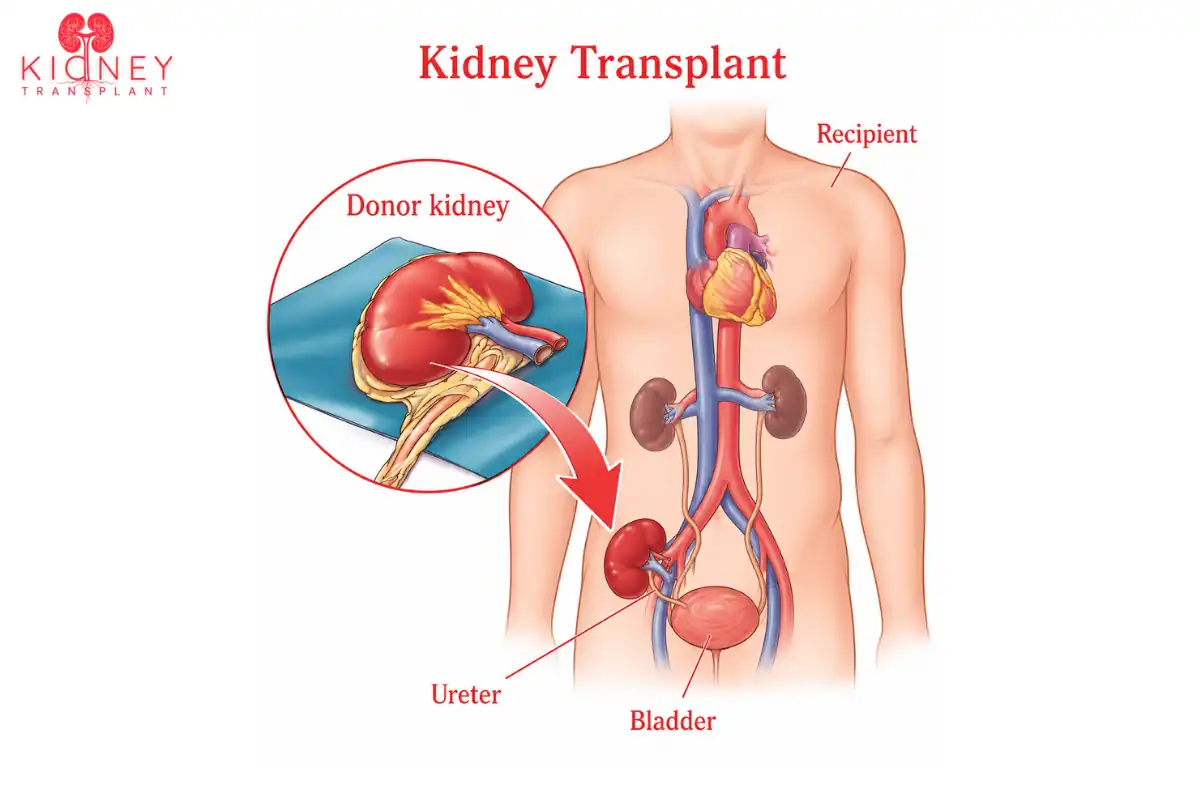
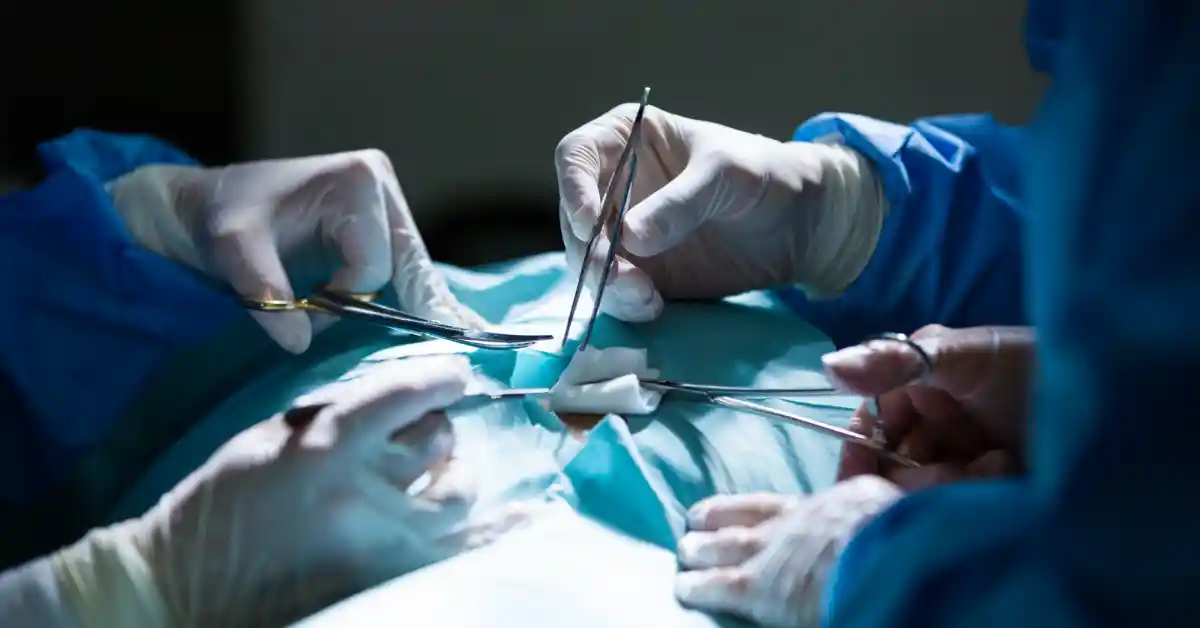
Once the transplant team confirms that surgery can proceed safely, the recipient is taken to the operating room, where a highly specialized team of transplant surgeons, anesthesiologists, nurses, and support staff work together. A common misconception is that the patient's diseased kidneys are removed during transplantation. In most cases, they remain in place unless they are causing significant medical problems such as recurrent infection, severe pain, or uncontrolled high blood pressure. Instead, the donated kidney is placed in the lower part of the abdomen and carefully connected to nearby blood vessels and the bladder. Once blood flow is restored, the surgical team closely observes the kidney for signs that it is beginning to function.

Some transplanted kidneys start producing urine almost immediately, while others require a few days to recover from the stress of donation and transportation. Both situations can be entirely normal and are carefully monitored by the transplant team.

Recovery

The first few days after surgery are focused on helping the body recover while ensuring that the transplanted kidney is functioning as expected. Recovery is not simply about healing from an operation it is about allowing the body and the new kidney to adapt to one another.

Recovery Stage What Patients Can Expect
First 24 to 48 Hours Close monitoring in the transplant unit, pain management, frequent blood tests, and careful assessment of urine output.
Days 3 to 7 Gradual increase in physical activity, adjustment of medications, nutrition planning, and education about caring for the transplanted kidney.
First Few Weeks at Home Improving strength, regular outpatient appointments, blood tests, and continued recovery while avoiding strenuous activities.
After 2 to 3 Months Many patients gradually return to work, driving, travel, and other daily routines with guidance from their transplant team.

Early walking is encouraged because it improves circulation, supports lung function, and reduces the risk of blood clots. Equally important is allowing the body enough time to recover without rushing back to normal activities. Every patient's recovery is unique, and progress should always be measured by steady improvement rather than speed.

Living Well After a Kidney Transplant

Receiving a kidney transplant often brings renewed freedom, but protecting that gift requires lifelong commitment. Successful transplantation is built not only on surgery but also on the daily choices patients make afterward.

Take Immunosuppressive Medicines Without Exception

The immune system naturally recognizes the transplanted kidney as foreign. Without medication, it may attack the new organ, leading to rejection. For this reason, immunosuppressive medicines must be taken exactly as prescribed.

To protect the transplanted kidney:

  • Take medications at the same time every day.
  • Never stop or adjust doses without consulting the transplant team.
  • Inform healthcare providers before starting any new medicine, herbal product, or supplement.
  • Attend regular blood tests to monitor medication levels.

Consistency with medication remains one of the most important predictors of long-term transplant success.

Build Healthy Habits That Protect your Kidney

Daily lifestyle choices play a major role in preserving kidney function.

Patients are encouraged to:

  • Eat a balanced diet rich in fruits, vegetables, whole grains, and lean proteins.
  • Limit excess salt, processed foods, and sugary beverages.
  • Stay physically active after medical clearance.
  • Maintain a healthy body weight.
  • Avoid smoking and limit alcohol intake.
  • Stay well hydrated according to their transplant team's advice.

These habits support not only kidney health but also heart health, blood pressure control, and overall well being.

Never Miss Follow Up Appointments

The transplanted kidney may develop problems long before symptoms appear. Routine monitoring allows doctors to detect subtle changes early, often preventing serious complications.

Follow up care commonly includes:

  • Kidney function blood tests.
  • Urine analysis.
  • Blood pressure checks.
  • Monitoring immunosuppressive medication levels.
  • Screening for infection and early signs of rejection.

Expert Insight

A kidney transplant is not considered a cure for kidney disease it is a highly effective treatment that replaces kidney function. Lifelong partnership between the patient and the transplant team remains essential for preserving the health of the transplanted kidney.

Understanding the Risks

Like any major surgery, kidney transplantation carries certain risks. However, advances in surgical techniques, medications, and post transplant monitoring have significantly improved outcomes over the past several decades. Understanding these risks helps patients appreciate the importance of regular follow up rather than creating unnecessary fear.

Short Term Risks

During the early recovery period, transplant teams monitor for:

  • Bleeding.
  • Infection.
  • Blood clots.
  • Delayed graft function.
  • Temporary dialysis if the transplanted kidney needs additional time to recover.

These complications are closely monitored and managed promptly to support the best possible recovery.

Long Term Risks

Long term care focuses on preserving kidney function and maintaining overall health.

Potential challenges include:

  • Acute or chronic rejection.
  • Side effects of immunosuppressive medications.
  • High blood pressure.
  • Diabetes that develops after transplantation.
  • Cardiovascular disease.
  • Recurrence of certain kidney diseases.

Regular monitoring, medication adherence, and healthy lifestyle habits greatly reduce the impact of many of these risks and help transplanted kidneys function successfully for years.

Common Myths

Misunderstandings about transplantation can create unnecessary fear or unrealistic expectations. Separating myths from facts helps patients make informed decisions with confidence.

Myth Fact
Deceased donor kidneys do not last very long. Many provide excellent kidney function for years or even decades when supported by appropriate medical care.
Older donor kidneys are never suitable for transplantation. Organ quality depends on overall health and medical evaluation, not age alone.
I will immediately feel completely healthy after surgery. Recovery is gradual, and the body needs time to heal and adjust to the transplanted kidney.
Organ allocation is unfair or based on personal preference. Allocation follows carefully regulated medical and ethical policies designed to maximize fairness and patient outcomes.
I can stop taking medications once I feel better. Lifelong immunosuppressive therapy is essential to protect the transplanted kidney from rejection.

The Patient Perspective

  • For many recipients, the transplant journey is remembered not only for the operation itself but also for everything that came before it. The months or years spent waiting often involve physical exhaustion, uncertainty, and the challenge of building everyday life around dialysis. Plans are postponed, family events revolve around treatment schedules, and every unexpected phone call brings a moment of hope.When the transplant finally happens, life does not become perfect overnight but it often becomes possible in ways that once felt out of reach.
  • Many recipients describe simple moments as the most meaningful: walking without overwhelming fatigue, enjoying meals with fewer restrictions, returning to work, travelling more freely, or spending uninterrupted time with loved ones. Alongside these changes comes a profound sense of gratitude. Many recipients think often about the donor and the donor's family, recognizing that their second chance at life was made possible by an extraordinary act of generosity during another family's time of loss.

Conclusion

A deceased donor kidney transplant represents one of the most remarkable achievements in modern medicine not only because it replaces a failing organ, but because it reflects the extraordinary generosity that makes transplantation possible. Behind every successful transplant is a story of courage, compassion, and hope. One family, facing unimaginable loss, chooses to create the possibility of life for someone they may never meet. Another family receives the opportunity to look beyond kidney failure and imagine a future filled with milestones that once seemed uncertain. The journey does not end when surgery is complete. Lifelong medications, regular follow up, and healthy choices remain essential to protecting the transplanted kidney. Yet for many recipients, these responsibilities are a meaningful investment in the life they have been given back. Ultimately, a deceased donor kidney transplant is more than a medical procedure. It is a powerful reminder that even in moments of profound loss, humanity has the ability to create hope, restore health, and transform lives for years to come.

Frequently Asked Questions

The lifespan of a transplanted kidney varies depending on donor characteristics, recipient health, medication adherence, and ongoing medical care. Many deceased donor kidneys function successfully for many years, and some continue working for decades.

Waiting times vary widely based on factors such as blood type, tissue compatibility, organ availability, medical urgency, and regional transplant allocation policies. Some patients receive a transplant within months, while others may wait several years.

Yes. In certain situations, a patient and their transplant team may decide that a particular kidney is not the best option. This decision is based on medical considerations aimed at achieving the safest and most successful long term outcome.

Some kidneys experience delayed graft function, meaning they require additional time to begin working effectively. Temporary dialysis may occasionally be needed, but this does not necessarily mean the transplant has failed.

Yes. Lifelong immunosuppressive medication is essential to prevent the immune system from rejecting the transplanted kidney and to maximize long term transplant success.

Many recipients return to work, travel, exercise, and enjoy a significantly improved quality of life after recovery. Following medical advice, taking medications consistently, and attending regular follow up appointments are key to protecting the transplanted kidney.

No data was found

Read Next