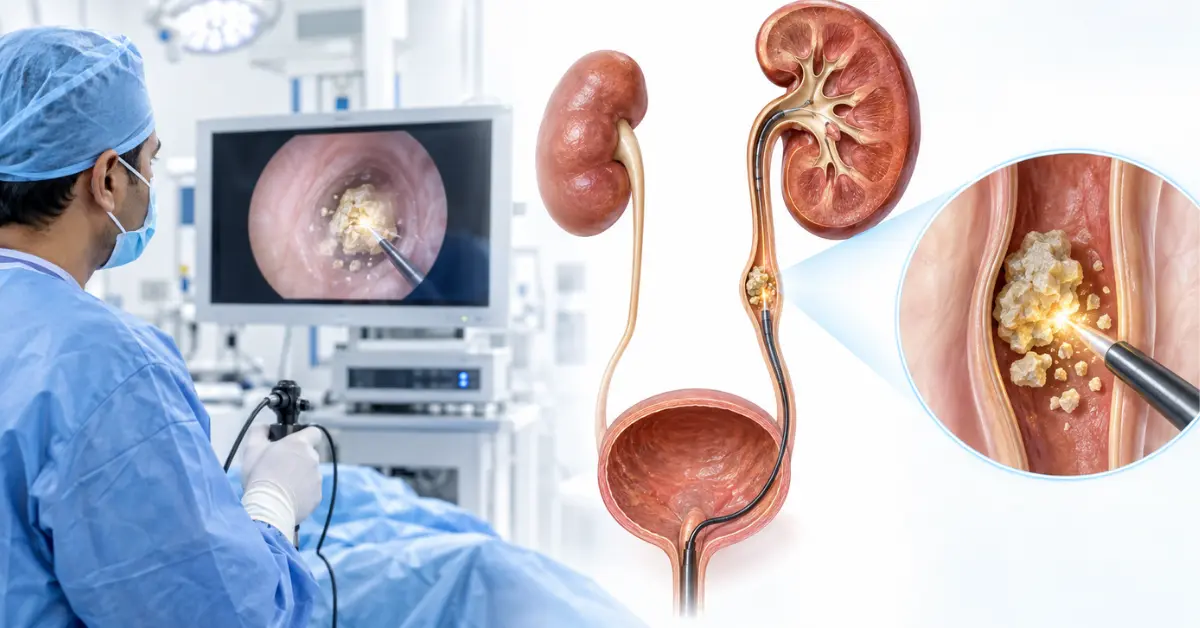
Hearing the words “kidney disease” can immediately make you wonder, “Is the damage permanent? Can my kidneys recover?” The answer is not always yes or no. Kidney disease can have many different causes. Some types of kidney damage may improve or even recover when treated early, while permanent chronic damage usually cannot be reversed.
That is why the most important question is not simply, “Can kidney disease be reversed?” It is: “What caused the damage, and how much kidney function can still recover?” Understanding the cause, stage, and type of kidney disease can give you a clearer picture of what recovery may look like, what treatments can help, and how you can protect your remaining kidney function.
Can Kidney Disease Be Reversed?
Acute kidney injury, caused by a sudden and potentially reversible problem, may improve substantially once the underlying cause is treated. For example, kidney function may recover after correcting severe dehydration, treating an infection, relieving a urinary obstruction, or stopping a medicine that is harming the kidneys under medical supervision.
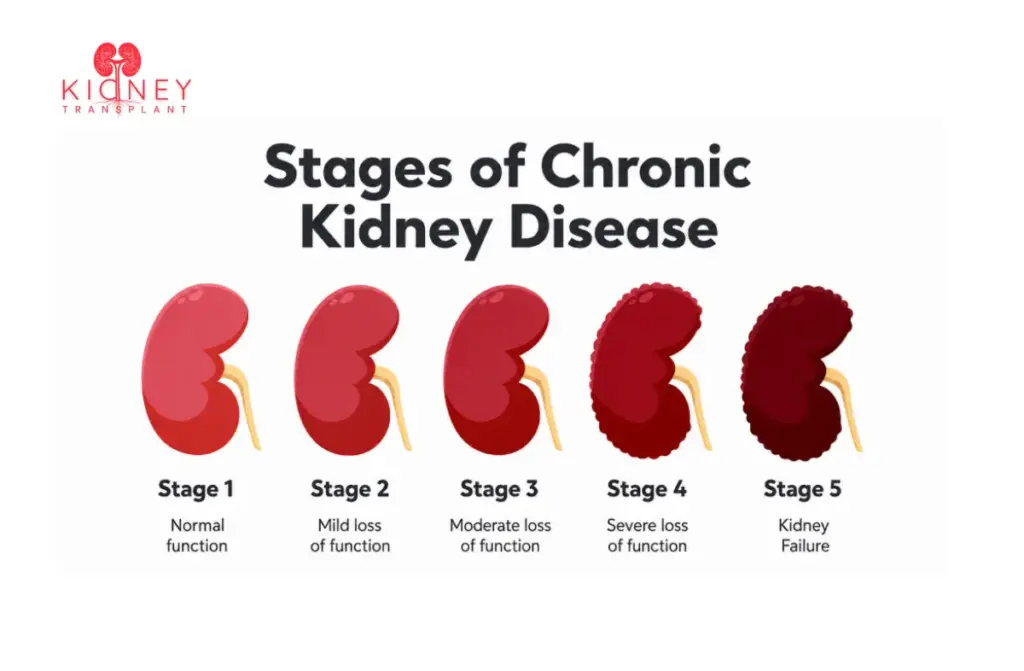
Chronic kidney disease (CKD) is different. When kidney tissue has been permanently scarred or lost over a long period, it generally cannot be restored to its original state. However, chronic kidney disease can often be managed effectively, and treatment may slow or sometimes substantially delay further loss of kidney function.
| Situation | Can Kidney Function Improve? | What Usually Matters Most? |
| Acute kidney injury | Often | Treating the underlying cause quickly |
| Temporary dehydration | Often | Restoring appropriate fluid balance |
| Urinary obstruction | Often, if treated promptly | Relieving the blockage |
| Kidney infection | Often | Early diagnosis and appropriate treatment |
| Drug-related kidney injury | Sometimes significantly | Identifying and managing the offending medicine |
| Early chronic kidney disease | Usually not “reversed” completely, but may stabilise | Treating the underlying cause and protecting remaining function |
| Advanced chronic kidney disease | Usually cannot be reversed | Slowing progression and managing complications |
| Kidney failure | Damaged kidney function generally does not return through lifestyle changes alone | Dialysis, transplantation, or appropriate specialist management |
The important message is that a diagnosis of kidney disease does not automatically mean that kidney failure is inevitable. The earlier the cause is identified and treated, the more opportunity there may be to protect kidney function.
Why Does Kidney Disease Happen in the First Place?
Some kidney problems develop suddenly. Others progress quietly over many years.
Common Causes of Kidney Damage
- Diabetes can gradually damage the tiny blood vessels within the kidneys. Persistently high blood glucose places stress on the kidney’s filtering system, and over time this can cause protein to leak into the urine and progressively reduce filtration.
- High blood pressure can injure the kidney’s delicate blood vessels. The relationship also works in reverse: damaged kidneys can make blood pressure harder to control, creating a cycle that needs to be addressed early.
- Kidney infections and inflammation can temporarily or permanently affect kidney function. The outcome depends on the severity, duration, and underlying condition.
- Kidney stones or urinary obstruction can interfere with normal urine drainage. If significant obstruction remains untreated, pressure can build within the urinary system and damage kidney tissue.
- Certain medicines and toxins can injure the kidneys. Some pain medicines, prescription drugs, contrast agents, and other substances can affect kidney function in susceptible individuals. Medication should therefore be reviewed rather than stopped independently.
- Inherited and autoimmune kidney disorders can directly affect the kidney’s filtering structures. These conditions often require long-term specialist care.
Acute Kidney Injury vs Chronic Kidney Disease: Why the Difference Matters
One of the most important distinctions doctors make is whether kidney dysfunction is acute or chronic. An acute kidney injury develops over a relatively short period. The kidneys suddenly stop functioning as well as they normally should, often because of another illness or trigger. If that trigger is identified and treated promptly, kidney function may recover partially or even substantially.
Chronic kidney disease develops over a longer period. The kidneys gradually lose function because of ongoing damage. Some of the underlying causes can be treated and controlled, but established scarring or loss of kidney tissue generally cannot simply be undone.
Understanding the Difference
| Feature | Acute Kidney Injury | Chronic Kidney Disease |
| Onset | Sudden or relatively rapid | Usually develops gradually |
| Common triggers | Dehydration, infection, obstruction, certain medicines | Diabetes, hypertension, chronic kidney disorders |
| Recovery | Often possible | Depends on stage and cause; permanent damage may remain |
| Main goal | Reverse the underlying problem | Preserve remaining kidney function |
| Long-term outcome | May return toward baseline | Often requires ongoing monitoring and treatment |
Can Chronic Kidney Disease Be Reversed?
If you’ve just been diagnosed with chronic kidney disease, the first question on your mind is probably, “Can this be undone?” Here’s the honest answer: once kidney tissue is scarred or lost, it can’t be rebuilt. CKD, in its established form, isn’t something treatment can reverse.
But that’s not the whole story. There’s a real difference between reversing damage and stopping it from getting worse. Even without a cure, CKD’s progression can often be slowed considerably. Managing diabetes, blood pressure, inflammation, and protein loss helps protect whatever kidney function you still have. Many people go on to see stable kidney function for years with the right care.
Sometimes kidney numbers do bounce back, but not for the reason you’d hope. Dehydration, infections, certain medications, or a urinary blockage can temporarily push creatinine up and make kidney function look worse than it is. Once that issue is resolved, the numbers often improve again — not because the CKD is gone, but because the kidneys have recovered from the extra strain.
So if your test results improve, that’s good news. But the real question is whether your kidney disease is stable and whether you’re protected from further damage going forward.
What Treatments Help Protect Kidney Function?
Treatment depends entirely on the underlying cause. There is no single “kidney recovery medicine” that works for every patient.
Instead, doctors focus on reducing the factors that are damaging the kidneys and controlling the complications that develop as kidney function changes.
- Blood pressure control is one of the most important ways to protect kidney function. Consistently high blood pressure damages the kidney’s filtering vessels, while appropriate treatment can reduce ongoing stress.
- Good diabetes management can slow kidney damage in people with diabetic kidney disease. Blood glucose control, along with appropriate kidney-protective medicines when indicated, can reduce the risk of progression.
- Certain medicines can protect the kidney’s filtration barrier and reduce protein loss in the urine. The choice depends on your kidney function, blood pressure, potassium levels, and underlying diagnosis.
- Sodium reduction may help control blood pressure and fluid retention. Dietary advice should be individualised, particularly in advanced kidney disease.
- Avoiding unnecessary kidney-harming medicines is important. This includes being cautious with certain over-the-counter pain medicines and supplements unless they have been reviewed by a healthcare professional.
- Treating urinary obstruction or recurrent stones can prevent continuing structural damage. The treatment may involve medicines, procedures, or surgery depending on the cause.
- Regular monitoring allows doctors to detect changes before they become severe. Kidney function, urine protein, blood pressure, electrolytes, and other measurements help guide treatment.
Can Diet and Lifestyle Reverse Kidney Disease?
- Diet and lifestyle alone cannot reverse permanently damaged kidney tissue. The reason is simple: once kidney cells and filtering structures are permanently scarred or destroyed, the body cannot reliably regenerate them back to their original function.
- However, this does not mean kidney disease can never improve. Some causes of reduced kidney function are reversible, particularly when the damage is temporary and the underlying problem is treated early. Dehydration, certain medications, infections, urinary obstruction, and some forms of acute kidney injury can cause kidney function to fall without causing permanent damage.
- Chronic kidney disease is different. When long-term conditions cause progressive scarring of the kidneys, diet and lifestyle changes cannot rebuild the lost tissue. Their role is to protect the remaining kidney function and slow further damage, rather than repair kidneys that have already been permanently damaged.
Can Stage 1 or Stage 2 Kidney Disease Be Reversed?
Early-stage chronic kidney disease deserves particular attention because there may still be substantial kidney function to protect. At these stages, identifying and treating the underlying cause can help prevent further damage and may allow kidney function to remain stable for many years.
In some cases, an abnormal kidney test may improve when a temporary problem, such as dehydration, an infection, or medication-related injury, is corrected. However, true chronic kidney damage is not always completely reversible, and doctors generally avoid describing CKD as “cured” simply because test results improve.
A more realistic approach is:
Identify the cause → treat it → reduce further kidney injury → monitor kidney function → protect what remains.
Early diagnosis can make a significant difference. Even when complete reversal is not possible, appropriate treatment and regular monitoring may help slow progression and preserve kidney function for longer.
When Should You See a Kidney Specialist?
You may be referred to a nephrologist when kidney dysfunction is persistent, significant, difficult to explain, or progressing.
Specialist assessment becomes particularly important when there is:
- A persistent reduction in kidney function or a progressive decline over time. Repeated results provide much more information than a single abnormal test.
- Significant or persistent protein in the urine. Protein leakage can be an important marker of kidney damage even when you feel completely well.
- Blood in the urine without an obvious explanation. Depending on the situation, this may require evaluation for kidney or urinary tract disease.
- Difficult-to-control high blood pressure alongside kidney dysfunction. The kidneys and blood pressure influence each other, so both need to be addressed.
- Repeated episodes of acute kidney injury. Recurrent injuries may accelerate long-term kidney damage.
- Electrolyte abnormalities or symptoms suggesting advanced kidney dysfunction. These may require more specialised management.
Can Kidney Disease Eventually Lead to Kidney Failure?
- Yes, kidney disease can eventually lead to kidney failure, but this does not happen to everyone. The risk depends on the cause of kidney disease, how advanced it is, how quickly kidney function is changing, and how well the underlying condition is controlled.
- Chronic kidney disease (CKD) can gradually reduce the kidneys’ ability to filter waste and excess fluid from the blood. Conditions such as diabetes, high blood pressure, certain kidney diseases, and repeated kidney damage can contribute to this progression.
- However, kidney disease does not automatically mean kidney failure is inevitable. With early diagnosis and appropriate treatment, progression can often be slowed significantly. Managing blood pressure and blood sugar, taking prescribed medicines, maintaining a healthy weight, avoiding smoking, following appropriate dietary recommendations, and attending regular kidney-function tests can all be important.
- Doctors may monitor tests such as eGFR and urine albumin to assess kidney function and track changes over time. If kidney function eventually becomes severely reduced, the condition may reach kidney failure, when the kidneys can no longer adequately meet the body’s needs. At that stage, treatments such as dialysis or kidney transplantation may be considered.
Conclusion
“Can kidney disease be reversed?” sounds like a yes-or-no question, but the kidneys do not work that way.
Some acute kidney problems can improve significantly when their cause is treated. Some chronic kidney conditions can be stabilised and managed for many years. Permanently scarred kidney tissue generally cannot be restored, but protecting the remaining healthy tissue can still change the course of the disease.
So if you have recently been told that your kidney function is abnormal, do not immediately assume that the damage is permanent—or wait and hope that it disappears.
Find out why it happened, how much kidney function remains, and what can be done now. Sometimes recovery means the kidneys return close to where they were. Sometimes it means stopping a decline that would otherwise have continued. Both are important. And when it comes to kidney health, early action is often more valuable than searching for a perfect cure.
Read More: What Foods Cause Kidney Stones