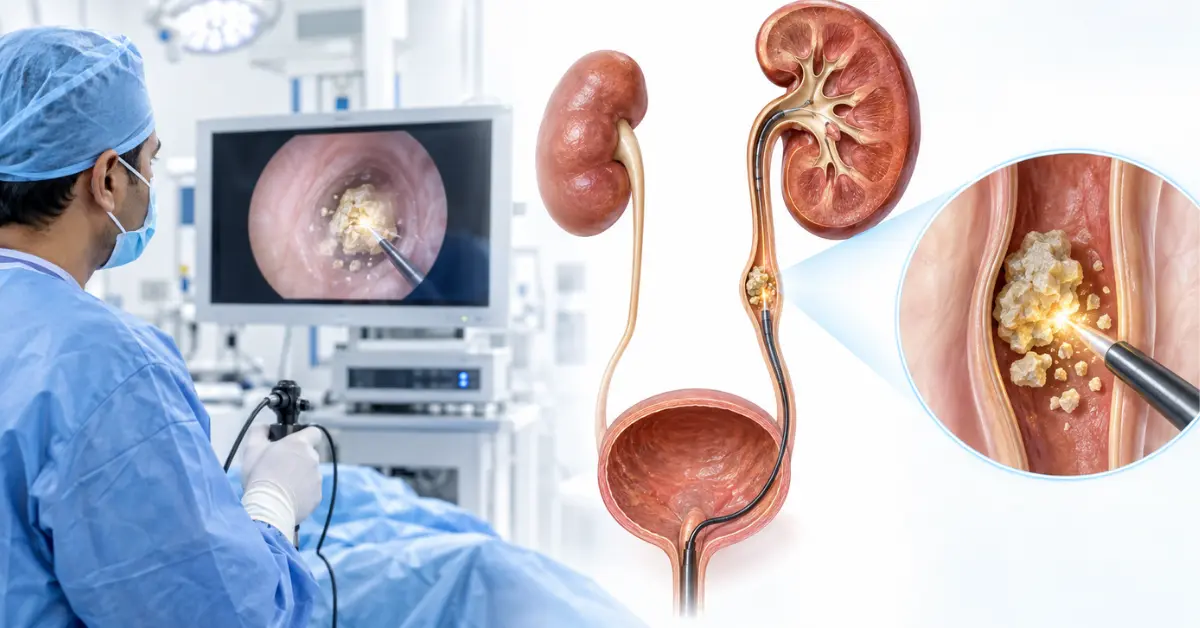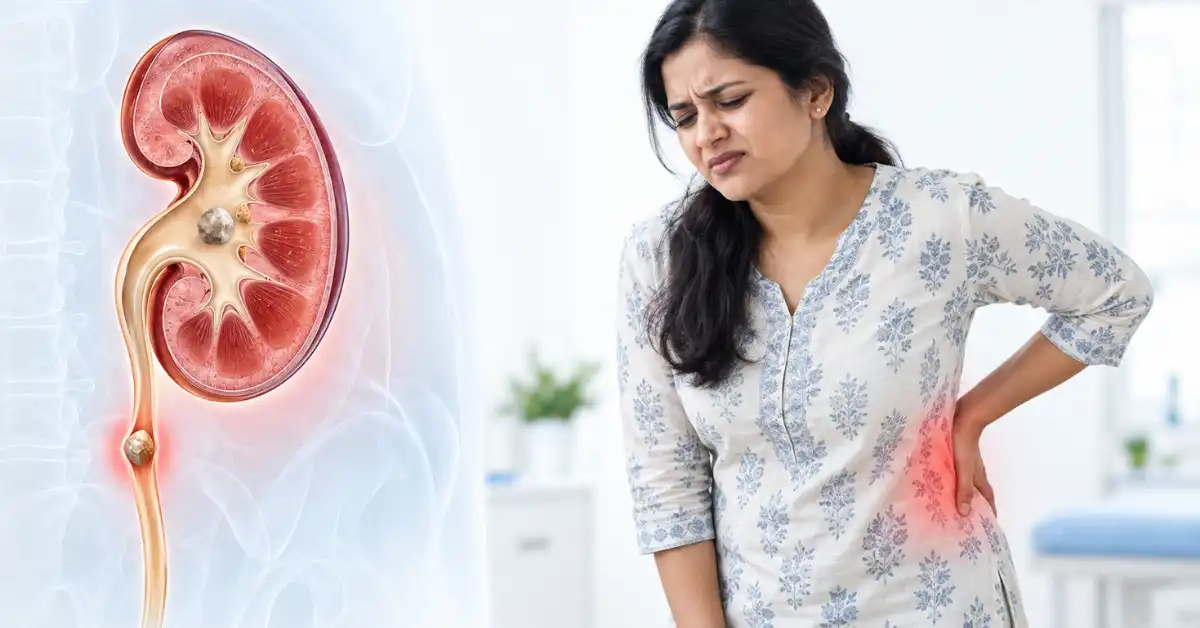
Kidney stones do not usually appear because of something you ate yesterday. They develop gradually when the balance of minerals, salts, and other substances in your urine allows crystals to form and grow. Food is part of that picture, but it is only one part.
Your hydration, genetics, metabolism, medical conditions, medications, and even the type of kidney stone you formed can influence your risk. This is why two people can eat similar diets and have completely different experiences with kidney stones. When asking what foods cause kidney stones, it is important to remember that food is only one factor among many.
The good news is that this also means you do not need to live in fear of food. Once you understand which dietary habits can increase your risk, prevention becomes much more practical. You can make sensible changes without eliminating every nutritious food you enjoy.
This guide explains which foods may increase kidney stone risk, why they matter, what foods are often unfairly blamed, and what a more kidney-friendly eating pattern can look like.
Why Does Food Affect Kidney Stone Formation?
Your kidneys constantly regulate water, calcium, sodium, oxalate, uric acid, and citrate in your urine. When urine becomes too concentrated or contains too much of certain substances, crystals can form and gradually develop into kidney stones.
Diet plays an important role. High salt intake may increase urinary calcium, while excess animal protein can raise uric acid and lower citrate. High-oxalate foods may also increase risk in susceptible people. In contrast, drinking enough water keeps urine diluted, and adequate dietary calcium can help reduce oxalate absorption. Understanding these effects makes prevention more practical and less restrictive.
Does the Type of Kidney Stone Change What You Should Eat?
Yes. This is one of the most important points to understand before making major dietary changes. Not all kidney stones form for the same reason. Calcium oxalate stones are the most common, but uric acid, struvite, and cystine stones have different causes and risk factors.
| Kidney Stone Type | Main Dietary Consideration | Important Point |
| Calcium oxalate | Oxalate, sodium, calcium, hydration | The most common type; diet can play an important role. |
| Uric acid | Excess purine-rich foods and acidic urine | Often associated with high animal-protein intake and metabolic factors. |
| Struvite | Not primarily diet-related | Usually develops in association with certain urinary tract infections. |
| Cystine | Not primarily diet-related | Caused by a rare inherited condition affecting amino-acid handling. |
This is why copying a restrictive “kidney stone diet” from the internet may not be helpful. If you have had a stone analysed, that information can make dietary advice much more precise. If stones keep recurring, your doctor may also recommend urine testing to identify abnormalities such as high calcium, oxalate, uric acid, or low citrate.
High-Oxalate Foods: Do You Really Need to Avoid Them?
Oxalate is one of the nutrients most commonly discussed after a calcium oxalate kidney stone. Oxalate occurs naturally in many plant foods. When it is absorbed into the body, it is eventually eliminated through the urine. If urinary oxalate levels are high, oxalate can combine with calcium and form calcium oxalate crystals.
But there is an important detail that is often missed:
- Many high-oxalate foods are also extremely nutritious. Spinach, nuts, vegetables, and cocoa contain vitamins, minerals, fibre, and other beneficial compounds. So telling everyone with kidney stones to eliminate these foods completely would be unnecessarily restrictive.
- For someone prone to calcium oxalate stones, the better approach is usually to moderate high-oxalate foods and pair appropriate dietary calcium with meals.
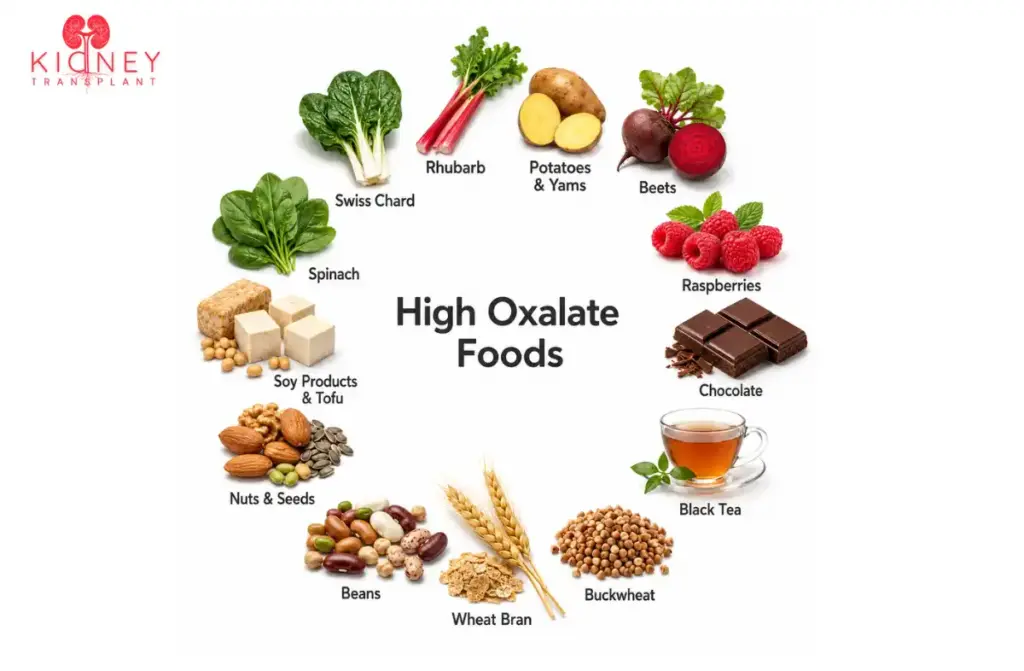
Foods Relatively High in Oxalate
- Spinach and certain leafy greens contain substantial amounts of oxalate. If you repeatedly form calcium oxalate stones, very large portions every day may not be ideal, but that does not mean all vegetables need to disappear from your plate.
- Beetroot, beet greens, rhubarb, and Swiss chard can also contribute significant amounts of oxalate. Portion control may be more useful than completely eliminating them.
- Nuts such as almonds, peanuts, and cashews are nutritious sources of protein and healthy fats, but frequent large portions can increase overall oxalate intake.
- Dark chocolate and cocoa contain oxalate as well. Occasional consumption is very different from consuming large amounts regularly.
Salty Foods: The Kidney Stone Risk Many People Overlook
When people think about kidney stones, spinach usually gets the blame. Salt deserves much more attention. A significant amount of sodium comes from foods that are packaged, preserved, processed, or prepared outside the home.
- Chips, savoury biscuits, crackers, and packaged snacks can quietly add large amounts of sodium to your daily intake, especially when eaten regularly.
- Instant noodles and ready-to-eat meals often contain substantial sodium in seasoning mixes, sauces, and preservatives.
- Pickles, sauces, chutneys, and packaged condiments can turn an otherwise healthy meal into a much higher-sodium one when used frequently.
- Fast food and restaurant meals may contain considerably more sodium than a home-cooked meal because salt is used for flavour, preservation, and preparation.
A practical change is not necessarily to make every meal bland. Instead, try making fresh, minimally processed foods the foundation of your diet and use salt more deliberately.
Does Eating Too Much Meat Cause Kidney Stones?
Meat itself is not a forbidden food.The concern is excessive intake of animal protein, particularly when large portions of red meat, organ meats, processed meats, and certain seafood dominate the diet.
Animal protein contains purines, which are broken down into uric acid. High intake can increase uric acid levels in susceptible individuals. A diet very high in animal protein may also lower urinary citrate, a natural substance that helps prevent crystals from forming and growing. This becomes particularly important for people who form uric acid stones.
Protein Choices That Make More Sense
- Fresh poultry, fish, legumes, and plant-based proteins can provide protein without making every meal heavily dependent on red or processed meat.
- Red meat can still fit into a balanced diet, but very large portions every day are less favourable than moderate portions alongside vegetables, whole grains, and other protein sources.
- Processed meats such as sausages, salami, bacon, ham, and pepperoni are particularly worth limiting because they can combine high animal-protein intake with substantial sodium.
Sugary Drinks: What You Drink Matters Too
When you regularly replace water with sugar-sweetened soft drinks, packaged fruit beverages, sweetened teas, or other high-sugar drinks, you may be increasing your intake of added sugars while missing an opportunity to keep your urine adequately diluted. High intake of added sugars, particularly fructose, has also been associated with changes in urinary calcium, oxalate, and uric acid.
But there is an even simpler reason to pay attention to beverages:
Water is one of your kidneys’ best natural defences against stone formation. Adequate fluid intake increases urine volume and makes stone-forming substances less concentrated.
Better Everyday Choices
- Make water your main drink: It is simple, inexpensive, and does not add unnecessary sugar or sodium.
- Use lemon or other citrus for variety if you enjoy it: Citrus fruits provide citrate, which can help inhibit some forms of crystal formation.
- Keep sugary drinks occasional rather than routine: An occasional soft drink is very different from drinking several servings every day.
You do not need a “detox drink” or special kidney beverage. For most people, consistent hydration is far more important than expensive products marketed for kidney cleansing.
What About Dairy? Should You Stop Drinking Milk?
This is one of the most common mistakes people make after a calcium-containing kidney stone. They hear the word “calcium” and immediately assume that milk, yogurt, and other calcium-rich foods are responsible. That is not generally true. For many people, appropriate dietary calcium may actually help prevent calcium oxalate stones because calcium binds oxalate in the digestive tract. This reduces oxalate absorption and therefore reduces the amount reaching the urine.
So unless your doctor has given you a specific reason to restrict calcium, removing normal dietary calcium is usually not the goal. Milk and yogurt can remain part of a balanced diet. The bigger concern may be calcium supplements taken unnecessarily or inappropriately, particularly if your doctor has identified high urinary calcium.
Foods That Are Often Blamed Unfairly
Kidney stone advice is full of food myths. Some foods have acquired a reputation for “causing stones” simply because they contain minerals or because someone had a stone after eating them. But timing does not prove causation.
| Food | What You Should Know |
| Spinach | High in oxalate, but not something everyone needs to eliminate completely. |
| Milk and yogurt | Normal dietary calcium may actually help reduce oxalate absorption. |
| Tomatoes | Not a universal cause of kidney stones and can generally be included in a balanced diet. |
| Bananas | Do not inherently cause kidney stones and can fit into a healthy diet. |
| Citrus fruits | Often provide citrate, which may help reduce crystal formation. |
| Nuts | Nutritious but may need moderation in people with recurrent calcium oxalate stones because some are high in oxalate. |
What Foods Cause Kidney Stones?
No single food is solely responsible for kidney stone formation, but certain dietary patterns are more strongly linked to increased risk than others. The foods most commonly associated with kidney stones include:
- High-oxalate foods: Spinach, beet greens, rhubarb, Swiss chard, nuts, and dark chocolate can raise urinary oxalate in people prone to calcium oxalate stones.
- Salty and processed foods: Packaged snacks, instant noodles, pickles, sauces, and fast food add excess sodium, which increases calcium loss through urine.
- Excess animal protein: Large amounts of red meat, organ meats, and processed meats can raise uric acid and lower citrate, a natural stone inhibitor.
- Sugary drinks: Sugar-sweetened beverages, especially those high in fructose, are linked to changes in urinary calcium, oxalate, and uric acid, and often replace water intake.
- Unnecessary calcium supplements: Not dietary calcium from food, but excess supplemental calcium taken without medical guidance can sometimes increase risk.
A Simple Kidney-Stone-Friendly Plate
You do not need to calculate every mineral in every meal.
A practical starting point is:
| Focus More Often | Keep in Moderation | Avoid Excessive Habitual Intake |
| Water and hydrating foods | High-oxalate foods if prone to calcium oxalate stones | Very salty packaged foods |
| Fruits and vegetables | Red meat | Processed meats |
| Appropriate dietary calcium | Nuts and chocolate | Sugar-sweetened beverages |
| Whole grains and legumes | Added sugars | Very high animal-protein diets |
| Fresh, minimally processed foods | Restaurant/fast foods | Excess sodium |
When Should You Speak to a Doctor About Your Kidney Stone Diet?
If you have had a single uncomplicated stone, general healthy eating and good hydration may be enough to begin with.
But personalised advice becomes especially valuable when:
- You have recurrent kidney stones. Repeated stones suggest that an underlying metabolic or dietary factor may need to be identified rather than simply treated each time a stone appears.
- You know the type of stone you formed. Calcium oxalate, uric acid, struvite, and cystine stones have different prevention strategies, so knowing the composition can prevent unnecessary restrictions.
- You have multiple stones or a strong family history. These situations may indicate a higher underlying susceptibility and justify a more detailed evaluation.
- You have another medical condition affecting your kidneys or metabolism. Dietary changes should be tailored carefully rather than copied from a general kidney stone diet online.
Conclusion:
After a kidney stone, it is easy to look at your plate and wonder what went wrong. But kidney stones are rarely the result of one meal, one vegetable, or one glass of milk. They develop from a combination of urine chemistry, hydration, genetics, metabolism, medical conditions, and long-term dietary habits.
Some changes can make a real difference: drink enough water, keep sodium under control, avoid excessive animal protein and added sugars, and understand whether your particular stone requires attention to oxalate or another dietary factor. Most importantly, do not turn prevention into unnecessary restriction. The goal is not to fear food—it is to understand your body well enough to make better choices for it.
Once you know why your stone formed, eating well becomes much less about giving things up and much more about knowing what your kidneys need.
Read More: Can Kidney Disease Be Reversed