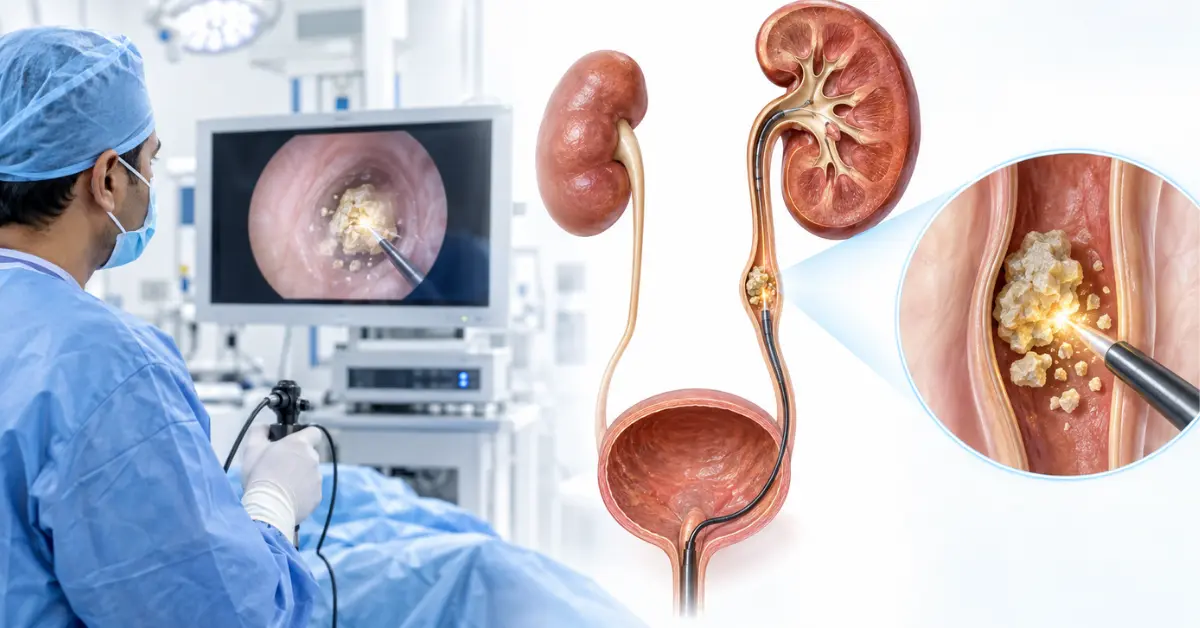
When people hear kidney failure, they often imagine a sudden medical crisis. In reality, kidney failure usually develops much more quietly. For many people, the process begins years earlier with conditions such as diabetes, high blood pressure, obesity, recurrent kidney problems, or repeated exposure to factors that place stress on the kidneys. The kidneys are remarkably adaptable, so a person may continue to feel completely well while kidney function is gradually declining.
That is what makes kidney disease easy to miss. You cannot always wait for symptoms to tell you that something is wrong. The encouraging part is that many of the major causes of chronic kidney disease can be identified and managed early. How to Prevent Kidney Failure starts with controlling blood pressure and blood sugar, maintaining a healthy weight, staying active, avoiding tobacco, using medicines carefully, and having appropriate kidney tests. These healthy habits and regular medical monitoring can help reduce the risk of kidney damage and preserve kidney function.
How Can You Prevent or Delay Kidney Failure?
Not every case of kidney failure can be prevented, but many cases can be prevented or delayed by addressing the conditions that gradually damage the kidneys.
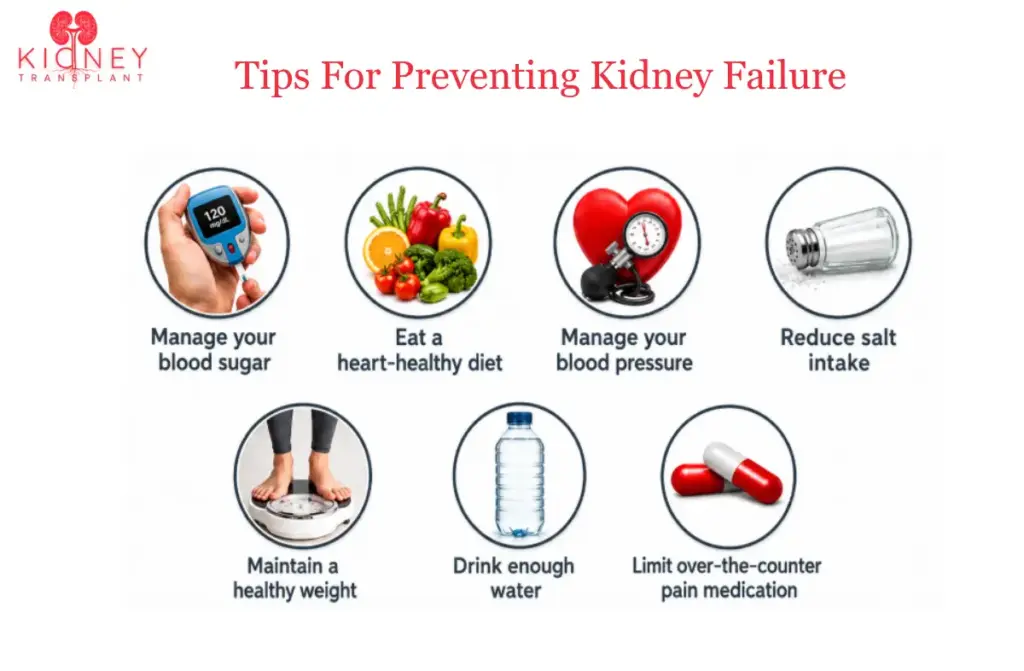
How to Prevent Kidney Failure most important steps include:
- Control your blood pressure: Persistent high blood pressure can damage the tiny blood vessels inside the kidneys. Keeping it within your recommended range helps reduce this long-term stress.
- Manage your blood sugar: If you have diabetes, good glucose control helps protect the delicate filtering units of the kidneys from progressive injury.
- Maintain a healthy weight: A sustainable approach to weight management can improve several kidney risk factors at the same time, including blood pressure, insulin resistance, and metabolic health.
- Eat a balanced diet: Focus on nutritious, minimally processed foods and avoid excessive salt and highly processed meals. If you already have kidney disease, your dietary needs may be more specific.
- Stay adequately hydrated: Drink enough fluid to avoid dehydration, particularly during illness, heat, or prolonged physical activity. More water is not automatically better.
- Avoid smoking: Tobacco damages blood vessels throughout the body, including those that supply the kidneys.
- Use medicines responsibly: Some painkillers and other medicines can affect kidney function when used frequently, inappropriately, or without considering existing risk factors.
- Do not ignore recurring kidney problems: Repeated stones, urinary obstruction, infections, or episodes of acute kidney injury deserve proper evaluation.
- Get tested when appropriate: Kidney disease can exist without symptoms, particularly in its early stages. People with important risk factors may benefit from regular kidney health assessments.
Why Does Kidney Failure Develop Gradually?
Your kidneys have millions of tiny filters called nephrons. They clean your blood and help control fluids and salts in your body. When some nephrons are damaged, the healthy ones work harder. This is why kidney disease may not cause symptoms at first.
Think of it like a team. If a few people stop working, the others take on extra work. But if more people are lost, the team cannot keep up. In the same way, diabetes and high blood pressure can slowly damage the kidneys. Over time, this can cause scarring and loss of kidney function.
By the time symptoms appear, kidney function may already have fallen significantly.
| What is happening? | Why it matters |
| Repeated stress affects the kidneys | Some nephrons become damaged and can no longer perform their normal functions efficiently. |
| Remaining nephrons compensate | Kidney function may still appear normal, even though the kidneys are working harder. |
| Damage continues | More filtering units are gradually lost if the underlying cause is not controlled. |
| Scarring develops | Permanently damaged kidney tissue may be replaced by non-functioning scar tissue. |
| Kidney reserve falls | The kidneys become less able to maintain fluid, electrolyte, and waste balance. |
What Causes Kidney Damage in the First Place?
There are many possible causes of kidney disease, but some are much more common than others. Most of the major risk factors affect the kidneys gradually rather than causing kidney failure overnight.
- Diabetes can quietly damage the kidney’s filters. Persistently high blood sugar can injure the tiny blood vessels within the kidneys. Over time, this may cause protein to leak into the urine and gradually reduce kidney function. If you have diabetes, managing your blood sugar is therefore about more than controlling a laboratory number—it is also about protecting the microscopic filtering units you rely on every day.
- High blood pressure can keep damaging the kidneys without causing pain. The kidneys depend on a healthy network of small blood vessels to filter blood. When blood pressure remains high for years, those vessels can become damaged, gradually affecting kidney filtration. The relationship works both ways: kidney disease can also make blood pressure harder to control, creating a cycle that becomes increasingly difficult to break.
- Excess body weight can increase the kidney’s workload. Obesity can contribute to insulin resistance, high blood pressure, chronic inflammation, and other metabolic changes that place additional demands on the kidneys. The answer is not rapid weight loss or extreme dieting. Even gradual, sustainable improvements in food choices, physical activity, and weight can improve several of these risk factors together.
- Smoking can damage the blood vessels supplying the kidneys. Tobacco affects far more than the lungs. It damages blood vessels throughout the body and increases cardiovascular risk. Because the kidneys require a strong blood supply to function properly, smoking can contribute to reduced kidney health over time. Quitting is one of the most valuable changes a smoker can make for long-term health.
- Repeated kidney problems should not simply be treated and forgotten. Recurrent kidney stones, urinary obstruction, severe infections, or repeated episodes of acute kidney injury can injure kidney tissue. When these problems keep returning or are left untreated, the resulting inflammation or obstruction may contribute to scarring and loss of functioning kidney tissue.
- Some medicines and supplements can place unnecessary stress on the kidneys. Certain medicines, particularly some painkillers, can affect kidney blood flow or kidney function when used frequently or inappropriately. Some unregulated supplements may also contain ingredients that can interfere with normal kidney function. The important point is not to fear necessary medication, but to use medicines thoughtfully and discuss regular or long-term use with a healthcare professional.
What Can You Do Every Day to Protect Your Kidneys?
This is where kidney prevention becomes practical. You do not need a perfect lifestyle, and you do not need to completely change your life overnight. What matters is building habits that reduce the factors that repeatedly place your kidneys under stress.
Start With Blood Pressure and Blood Sugar
If you have high blood pressure or diabetes, managing these conditions consistently may be one of the most important things you can do for your kidneys.
- Take prescribed treatment consistently: Medicines work best when taken as directed rather than only when a reading looks abnormal or symptoms appear.
- Keep track of your condition: Regular monitoring helps you and your healthcare professional understand whether your treatment is actually keeping blood pressure or blood sugar under control.
- Think long term: One unusual reading does not define your health. What matters most is maintaining good control over time and addressing persistent abnormalities rather than ignoring them.
Good control protects more than the kidneys. It also reduces the risk of complications involving the heart, blood vessels, eyes, and nerves.
How to Protect Your Kidneys Through a Healthy Diet
A better approach is to think about your overall eating pattern.
There is no single food that can “clean” your kidneys or reverse established kidney damage.
- Build meals around nutritious foods: Vegetables, fruits, whole grains, legumes, healthy fats, and appropriate sources of protein can support cardiovascular and metabolic health.
- Be mindful of excess salt: High sodium intake can contribute to fluid retention and elevated blood pressure, both of which matter for kidney health.
- Limit highly processed foods and sugary drinks: Reducing these foods can make it easier to maintain a healthy weight and support blood pressure and blood sugar control.
- Do not copy restrictive kidney diets from the internet: If you already have chronic kidney disease, your needs may be different. Depending on your kidney function, your doctor or dietitian may recommend changes to sodium, potassium, phosphorus, protein, or fluid intake.
Stay Adequately Hydrated
Your kidneys need adequate blood flow to filter efficiently. Dehydration can become a concern during hot weather, prolonged exercise, vomiting, diarrhoea, or illness. Drinking enough fluid helps maintain normal circulation and supports kidney function.
But more water is not automatically better. Healthy kidneys do not need to be “flushed,” and excessive fluid intake can actually be harmful in some medical conditions. If you have advanced kidney disease, heart disease, or have been advised to restrict fluids, follow the guidance given by your healthcare professional rather than following a generic hydration target.
Keep Moving
You do not have to become a fitness enthusiast to support your kidneys.
- Choose an activity you can maintain: Walking, cycling, swimming, strength training, or another activity you enjoy can support blood pressure, blood sugar control, cardiovascular health, and healthy body weight.
- Focus on consistency: A moderate routine that becomes part of your normal week is usually more valuable than an intense programme that lasts only a few days.
- Start where you are: If you have been inactive, even increasing your daily movement gradually can be a meaningful step toward better overall health.
Be Careful With Painkillers and Other Medicines
Medication can be extremely helpful, but it is also an area where unnecessary kidney stress can sometimes be avoided.This does not mean you should stop prescribed medication or avoid pain relief altogether.
Instead:
- Use medicines at the recommended dose: Taking more than advised does not necessarily provide better relief and may increase the risk of adverse effects.
- Be cautious about frequent self-medication: If you regularly need painkillers, discuss the reason and the safest long-term approach with your healthcare professional.
- Tell your doctor about existing kidney problems: Kidney function can influence which medicines are appropriate and what doses are safest.
- Treat supplements with the same caution as medicines: “Natural” does not automatically mean kidney-safe, particularly when products are poorly regulated or contain multiple ingredients.
Who Should Be More Careful About Kidney Health?
Some people have a higher risk of kidney disease and may benefit from more regular monitoring.
| Risk factor | Why it matters |
| Diabetes | Long-term high blood sugar can damage the kidney’s filtering vessels. |
| High blood pressure | Persistent pressure can gradually injure kidney tissue. |
| Heart disease | Heart and kidney function are closely connected, so disease in one system can affect the other. |
| Family history | Some kidney conditions have inherited or genetic components. |
| Previous kidney injury | Earlier damage may reduce the kidneys’ functional reserve. |
| Obesity | Can contribute to diabetes, hypertension, inflammation, and increased kidney workload. |
| Older age | Kidney function can change with age, particularly when other risk factors are present. |
Why Kidney Testing Matters Even When You Feel Fine
This may be the most important thing to understand about kidney disease:
You can have kidney damage without feeling sick. The kidneys can compensate remarkably well, which is useful—but it can also hide early disease.
Depending on your health and risk factors, your healthcare professional may recommend:
- Serum creatinine and eGFR: These help assess how effectively your kidneys are filtering waste from the blood.
- Urine albumin testing: This can identify abnormal protein leakage, which may be an early sign of kidney damage.
- Blood pressure measurement: High blood pressure is both a major cause and consequence of kidney disease, making regular monitoring important.
- Blood glucose or HbA1c: These help identify diabetes or assess how well blood sugar is being controlled.
These are relatively simple investigations, but they can reveal changes that your symptoms cannot.
What Symptoms Should Make You Seek Medical Advice?
Early chronic kidney disease often causes no obvious symptoms. As kidney function becomes more impaired, however, some people may notice changes such as:
- Persistent swelling around the feet, ankles, hands, or eyes: This can occur when the kidneys are no longer managing fluid balance effectively.
- Significant changes in urination: Producing much more or much less urine, frequent nighttime urination, or other persistent changes deserve attention.
- Blood or persistent unusual foaminess in the urine: These changes can have several causes, but they should not be ignored when they persist.
- Unexplained tiredness or weakness: Reduced kidney function can contribute to anaemia and the accumulation of waste products, which may affect energy levels.
- Nausea, poor appetite, or difficulty concentrating: These can occur in more advanced kidney dysfunction, although they are not specific to kidney disease.
These symptoms do not automatically mean that your kidneys are failing. They can occur for many different reasons.But if a change is persistent, unexplained, or occurring alongside diabetes or high blood pressure, it is worth discussing with a healthcare professional.
Can Kidney Damage Be Reversed?
Sometimes—but it depends very much on what caused the injury and how quickly it is treated. Acute kidney injury can develop suddenly because of severe dehydration, infection, certain medicines, reduced blood flow, or urinary obstruction. When the underlying problem is recognised and treated promptly, kidney function may improve, sometimes substantially.
Chronic kidney disease is different. Long-standing damage and scarring are often permanent. However, appropriate treatment can slow further deterioration and help preserve the kidney function that remains. That distinction is important because the goal is not to wait until kidney function is severely reduced and then try to recover it.
Conclusion
Your kidneys work quietly every day to keep your body healthy. Taking care of them does not have to be difficult. Keep your blood pressure and blood sugar under control, eat healthy, stay active, use medicines carefully, and get regular checkups when needed.
Most importantly, do not wait for symptoms before caring for your kidneys. Small healthy choices today can help protect your kidney health for the future.
Read More: Stages of Passing a Kidney Stone