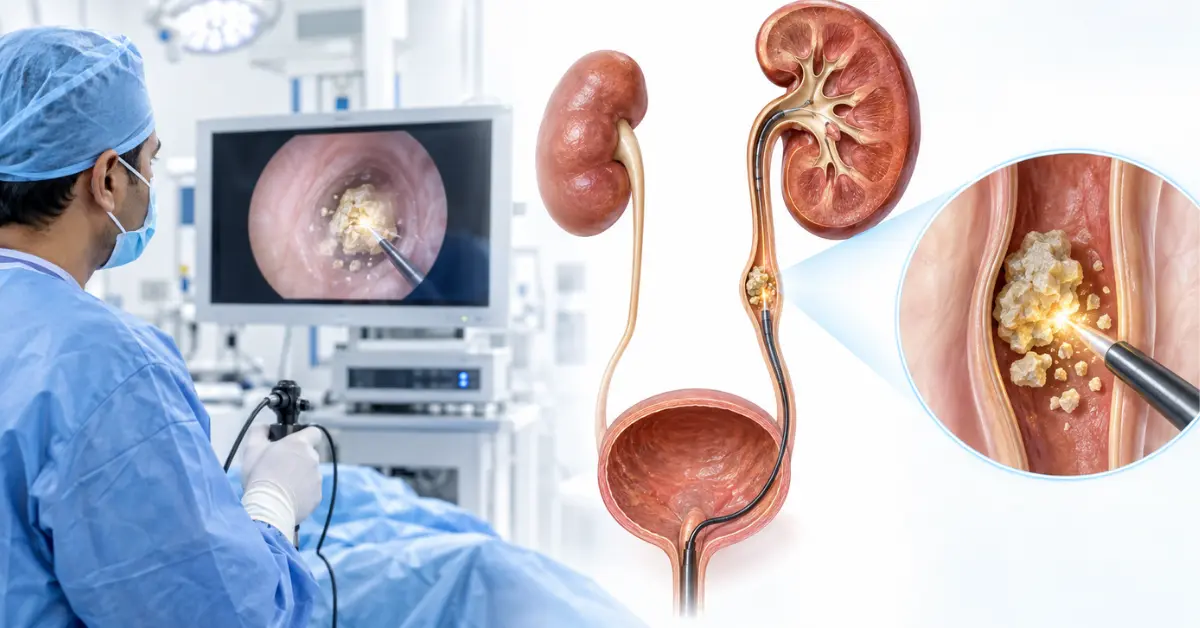
Kidney disease has a reputation for being a quiet condition, and for good reason. In its early stages, it rarely announces itself with dramatic symptoms. Instead, it tends to show up as small, easy-to-dismiss changes that many women chalk up to stress, hormones, getting older, or simply not sleeping enough. That’s part of what makes it so important to actually know what to look for.
Women face some unique considerations when it comes to kidney health. Pregnancy, menopause, urinary tract infections, and certain autoimmune conditions that are more common in women can all affect kidney function in ways that don’t always apply to men. On top of that, some of the early warning signs of kidney disease, like fatigue or mild swelling, are often mistaken for something else entirely, which can delay diagnosis. Understanding Kidney Disease Symptoms in Females can help women recognize these subtle changes and know when they may need further evaluation.
This guide walks through the Kidney Disease Symptoms in Females that are worth paying attention to, why they happen, and when it’s time to see a doctor rather than waiting it out.

Why Kidney Disease Symptoms Are Often Missed in Women
Before getting into the specific symptoms, it helps to understand why kidney disease flies under the radar so often, particularly for women.
The kidneys are remarkably good at compensating for early damage. It’s entirely possible to lose a significant portion of kidney function before any noticeable symptoms appear, simply because the remaining healthy kidney tissue picks up the slack. By the time symptoms become obvious, kidney function has often already declined quite a bit.
On top of that, many early symptoms overlap with everyday complaints that women are used to brushing off: tiredness that gets blamed on a busy schedule, mild swelling that gets blamed on a salty meal, or changes in periods that get blamed on stress. This overlap is exactly why it’s worth knowing the fuller picture, so a pattern of symptoms doesn’t get dismissed as just one of those things.
1. Persistent Fatigue and Low Energy
One of the earliest and most common kidney disease symptoms in females is a fatigue that doesn’t quite go away with rest. Healthy kidneys produce a hormone called erythropoietin, which signals the body to make red blood cells. When kidney function declines, erythropoietin production drops too, which can lead to anemia and a bone-deep tiredness that a good night’s sleep doesn’t fix.
This kind of fatigue is often dismissed, especially by women juggling work, family responsibilities, and everything in between, as simply being “tired from life.” The distinguishing feature worth noting is persistence: fatigue that lingers for weeks, doesn’t improve with rest, and comes along with other symptoms on this list is worth mentioning to a doctor.
2. Swelling in the Legs, Ankles, or Around the Eyes
When kidneys aren’t filtering properly, excess fluid and sodium can build up in the body, leading to visible swelling, medically known as edema. In women, this often shows up first around the ankles and feet by the end of the day, or as puffiness around the eyes, particularly noticeable first thing in the morning.
It’s easy to attribute this to standing too long, wearing the wrong shoes, or simply not drinking enough water the day before. But swelling that’s persistent, doesn’t fully resolve overnight, or seems to be getting gradually worse over weeks is a signal worth paying attention to, especially when it shows up alongside fatigue or changes in urination.
3. Changes in Urination Patterns
Changes in how often, how much, or how urination feels are among the more direct kidney disease symptoms, and they’re worth tracking carefully. This can include:
- Needing to urinate more frequently, particularly at night
- Urine that appears foamy or bubbly, which can suggest excess protein
- Urine that looks darker, or occasionally pink or brown, which can indicate blood
- A noticeable decrease in urine output
- A persistent urge to urinate with little actually passing
Women are also more prone to urinary tract infections than men, and recurrent or poorly treated UTIs can sometimes travel to the kidneys, causing a kidney infection that, left unaddressed, can contribute to kidney damage over time. This is one of the clearer reasons UTI symptoms shouldn’t be brushed off or repeatedly self-treated without medical follow-up.
4. Puffiness, Weight Gain, or Bloating That Doesn’t Add Up
Beyond visible swelling in the limbs, some women notice a more generalized puffiness or unexplained weight gain that doesn’t match changes in diet or activity. This is often related to the same fluid retention that causes swelling elsewhere, but it can be easier to miss because it’s often mistaken for normal weight fluctuation, bloating, or hormonal changes tied to the menstrual cycle.
The key difference worth watching for is a pattern: weight gain or bloating that shows up consistently, doesn’t resolve with typical lifestyle changes, and comes with other symptoms on this list rather than appearing as an isolated, one-off event.
5. Persistent Itching and Dry Skin
When kidneys aren’t filtering waste products effectively, those toxins can build up in the bloodstream and irritate the skin, leading to persistent, sometimes intense itching that doesn’t respond well to moisturizer or typical skin treatments. This symptom is often mistaken for a skin condition, an allergic reaction, or simply dry weather, particularly in women who already deal with sensitive skin or seasonal dryness.
What makes this itching different is that it tends to be widespread rather than localized to one area, and it often doesn’t improve much with the usual remedies, since the underlying cause isn’t actually a skin problem at all.
6. Loss of Appetite, Nausea, or a Metallic Taste
As waste products build up in the blood due to reduced kidney function, a condition called uremia can develop, which often brings a cluster of digestive symptoms: reduced appetite, nausea, occasional vomiting, and sometimes a persistent metallic or unpleasant taste in the mouth that doesn’t go away no matter what’s eaten.
These symptoms are easy to attribute to stress, a stomach bug, or dietary changes, especially since they tend to come and go rather than being constant. But when they persist for more than a couple of weeks, particularly alongside fatigue or changes in urination, they’re worth bringing up with a doctor rather than waiting for them to pass on their own.
7. Muscle Cramps, Especially at Night
Kidney disease can disrupt the body’s balance of electrolytes, particularly calcium, phosphorus, and potassium, which play a direct role in muscle function. This imbalance often shows up as muscle cramps, particularly in the legs, that tend to strike at night and can be intense enough to interrupt sleep.
Many women experience occasional leg cramps unrelated to kidney health, especially during pregnancy or with certain vitamin deficiencies, so this symptom on its own isn’t a red flag. But frequent, worsening cramps combined with other symptoms on this list add up to a pattern worth investigating.
8. High Blood Pressure That’s Hard to Control
The relationship between kidneys and blood pressure runs in both directions. High blood pressure can damage the kidneys over time, and damaged kidneys can, in turn, make blood pressure harder to control, creating something of a feedback loop. For many women, blood pressure that suddenly becomes difficult to manage, despite medication and lifestyle changes, can be an early sign that kidney function is being affected.
This is particularly relevant for women with a history of high blood pressure during pregnancy, such as preeclampsia, which has been linked to a higher long-term risk of kidney-related complications later in life.
9. Anemia-Related Symptoms Beyond Fatigue
Because kidneys play a direct role in red blood cell production, declining kidney function often brings on anemia, which can cause symptoms beyond just tiredness: pale skin, shortness of breath with mild activity, dizziness, cold hands and feet, and difficulty concentrating. In women, some of these symptoms overlap with iron-deficiency anemia related to menstruation, which can make it harder to immediately connect the dots to kidney health without a proper blood test.
This overlap is exactly why persistent anemia symptoms that don’t fully resolve with iron supplementation are worth a closer look, rather than being assumed to be routine.
10. Changes Related to Menstrual Cycles and Hormonal Balance
Kidney disease can affect hormone regulation in ways that sometimes show up as changes in the menstrual cycle, including irregular periods, heavier or lighter bleeding than usual, or in more advanced cases, periods stopping altogether. Because menstrual changes have so many possible causes, from stress to thyroid issues to perimenopause, this symptom on its own is rarely enough to point to kidney disease specifically.
However, when menstrual changes appear alongside several other symptoms on this list, particularly fatigue, swelling, and changes in urination, it’s a piece of the puzzle worth mentioning to a doctor rather than dismissing as “just hormones.”
Why Women Face Some Unique Risk Factors
A few factors make kidney health particularly worth monitoring for women specifically:
- Pregnancy-related conditions, such as preeclampsia and gestational hypertension, can leave a lasting impact on kidney health well after delivery
- Autoimmune conditions, such as lupus, which disproportionately affect women and can directly involve the kidneys
- Recurrent urinary tract infections, which are more common in women due to anatomical differences and can occasionally progress to kidney involvement if not properly treated
- Hormonal shifts during menopause, which can influence blood pressure and cardiovascular health, both of which are closely tied to kidney function
None of these factors mean kidney disease is inevitable, but they’re worth being aware of, particularly for women with a personal or family history of any of the above.
When to See a Doctor
A single symptom from this list, especially something like occasional fatigue or mild bloating, usually isn’t cause for alarm. What matters more is the pattern: multiple symptoms appearing together, symptoms that persist for several weeks, or symptoms that are gradually getting worse rather than resolving.
It’s worth seeing a doctor promptly if you notice:
- Swelling that doesn’t improve or keeps getting worse
- Persistent changes in urine color, frequency, or appearance
- Ongoing fatigue that doesn’t improve with rest
- Blood pressure that’s suddenly harder to control
- Any combination of the symptoms above lasting more than two to three weeks
A simple blood test checking creatinine and estimated glomerular filtration rate (eGFR), along with a urine test checking for protein, can give a clear picture of kidney function and is usually the first step a doctor will take.
Conclusion
Kidney disease symptoms in females often hide in plain sight, disguised as fatigue, bloating, hormonal changes, or simply the wear and tear of a busy life. That’s precisely why awareness matters so much. Recognizing the early signs, and understanding how they connect to one another, can make the difference between catching kidney disease early, when it’s far more manageable, and discovering it later, when treatment options become more limited.
If any of these symptoms sound familiar, especially in combination, it’s worth having a conversation with a doctor and asking for simple kidney function tests. Kidneys are quiet organs that rarely complain loudly until they’ve already been under strain for a while, which makes listening to the smaller signals, and acting on them, one of the most valuable things you can do for your long-term health.