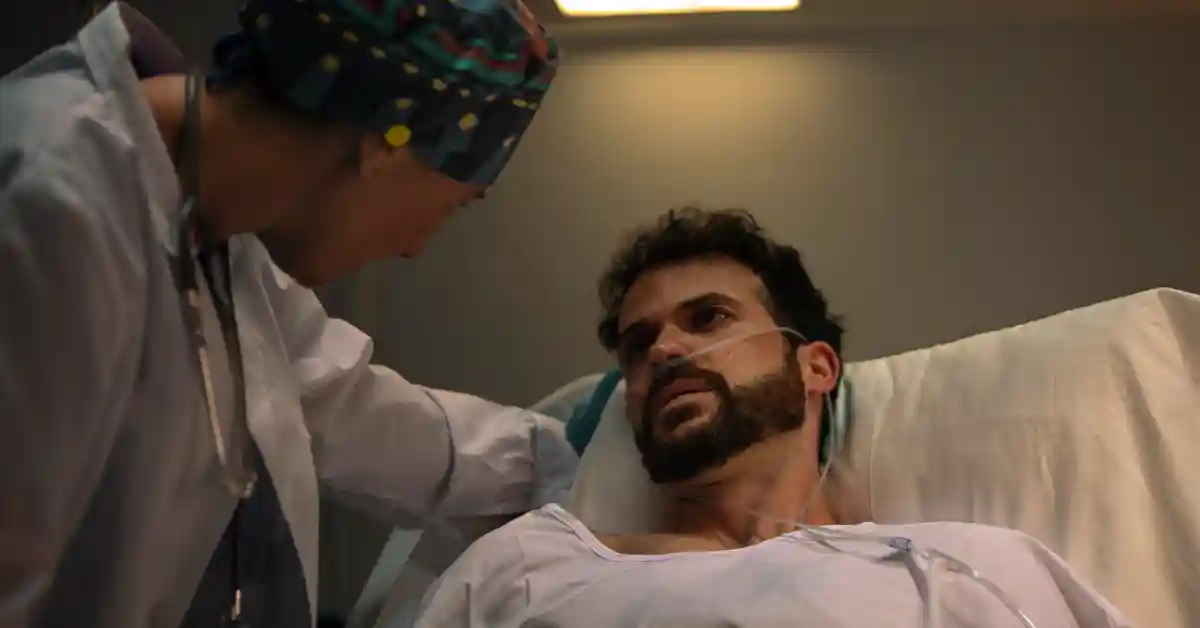
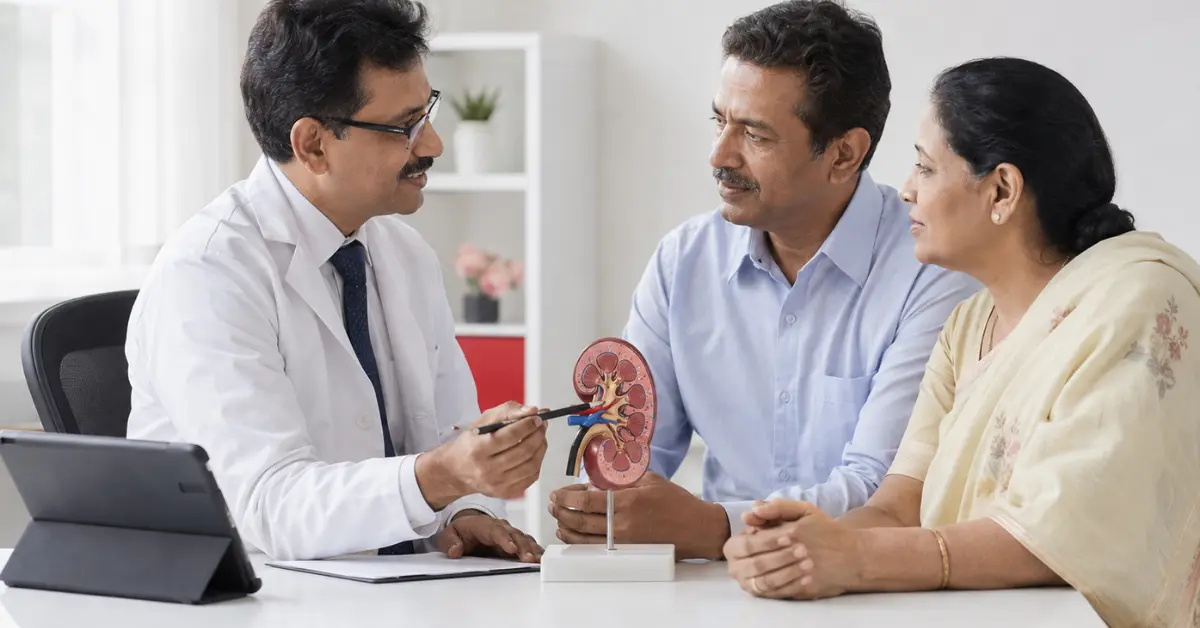
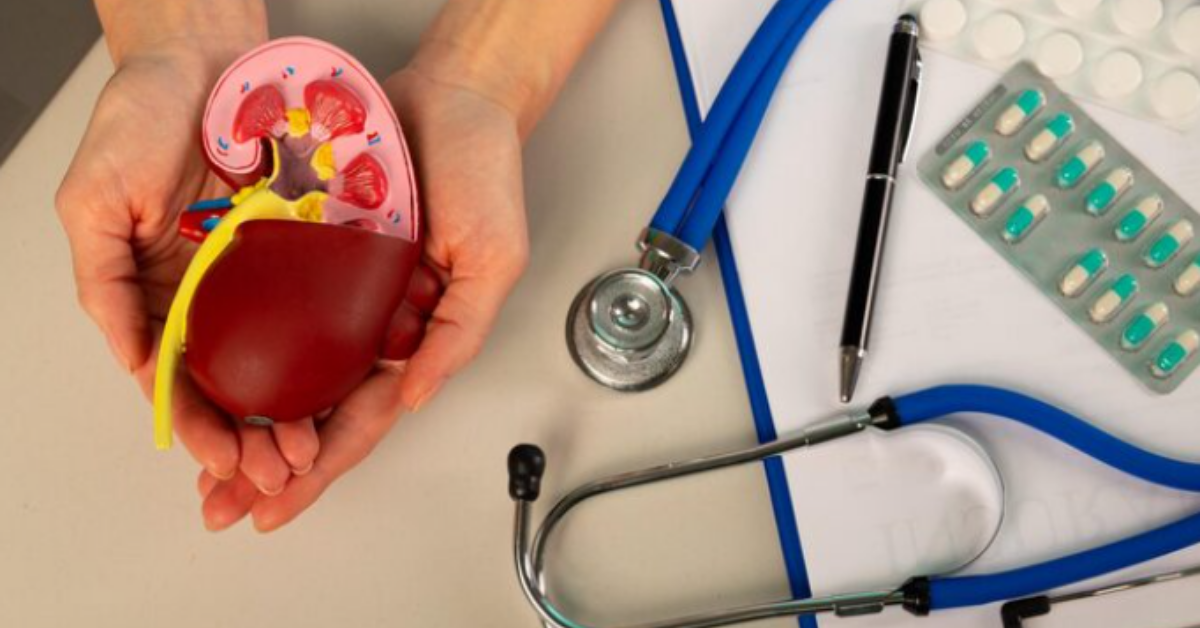
Reliable Hemodialysis treatment supports kidney function through advanced dialysis care and monitoring.

Conditions Treated

Comprehensive medical care for a wide range of conditions, focused on recovery, symptom management, and long-term wellness.

Hearing the words “You need dialysis” can be one of the most overwhelming moments in a person’s life. For many individuals and their families, the diagnosis raises countless questions. Will life ever feel normal again? How often will treatment be needed? Can I continue working, traveling, or spending time with my loved ones? Will dialysis become my entire life?These concerns are completely natural because hemodialysis is more than a medical treatment; it becomes an important part of managing kidney failure and protecting overall health.

Although starting dialysis requires physical and emotional adjustment, modern hemodialysis has helped millions of people around the world live longer, healthier, and more fulfilling lives despite advanced kidney disease. Understanding how dialysis works, why it is needed, and what to expect throughout the treatment journey can transform fear into confidence. This guide explains everything you need to know about hemodialysis from the science behind the treatment to preparing for sessions, living well on dialysis, and planning for the future.

What is Hemodialysis?

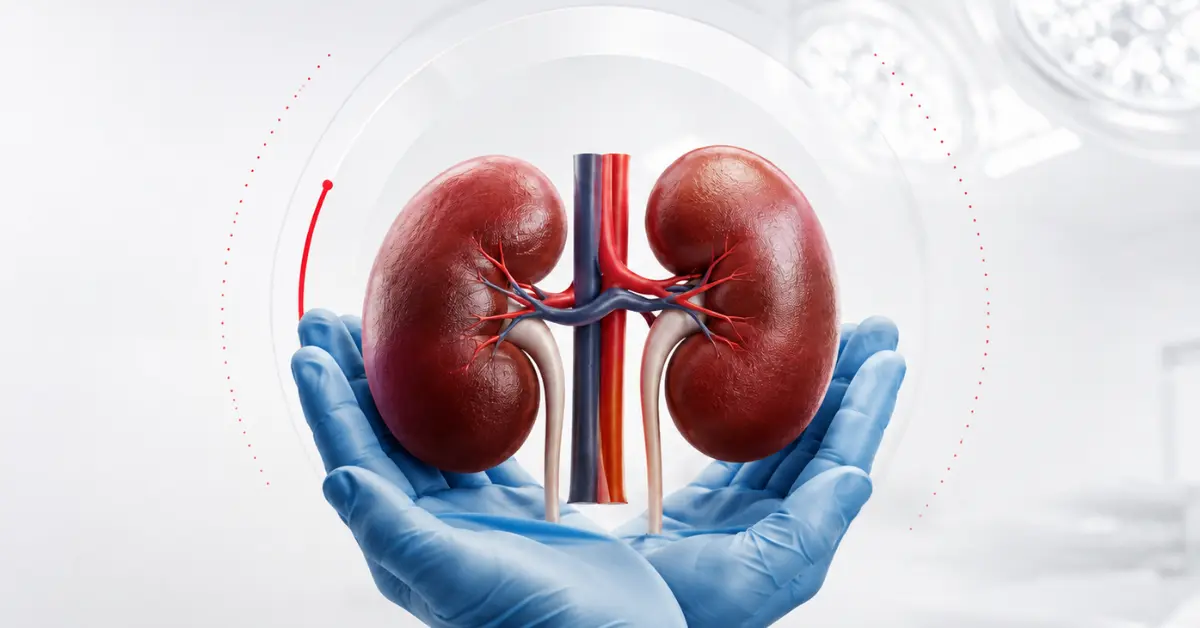
Hemodialysis is a life sustaining treatment that performs many of the essential functions normally carried out by healthy kidneys when they can no longer work effectively. Healthy kidneys continuously filter waste products, remove excess fluid, balance minerals such as potassium and sodium, regulate acid levels, and help maintain the body's overall chemical balance. When the kidneys fail, these waste products and excess fluids begin to accumulate in the bloodstream, leading to serious health complications. Hemodialysis works by circulating blood through a specialized machine that removes waste, excess water, and harmful toxins before returning the cleaned blood to the body.

Although hemodialysis performs several important filtering functions, it is important to understand that it does not cure kidney disease or restore normal kidney function. Instead, it replaces part of the kidneys' work, allowing patients to maintain their health while continuing long term treatment or waiting for a kidney transplant when appropriate. For many people, dialysis is not simply a medical procedure, it is a bridge that allows them to continue living, working, spending time with family, and planning for the future.

When is Hemodialysis Needed?

Doctors recommend hemodialysis when the kidneys are no longer able to adequately remove waste products and excess fluid from the body. The decision is never based on a single blood test alone. Instead, nephrologists carefully evaluate symptoms, kidney function, laboratory findings, and the patient's overall health before deciding when dialysis should begin. Several medical conditions may make hemodialysis necessary.

Advanced Chronic Kidney Disease (CKD)

  • The most common reason for starting hemodialysis is advanced chronic kidney disease, particularly when kidney function declines to the point where the body can no longer maintain a healthy internal balance.
  • As waste products accumulate, patients may develop fatigue, nausea, swelling, poor appetite, difficulty concentrating, and other symptoms that significantly affect daily life.
  • At this stage, dialysis helps replace some of the kidneys' lost filtering function and improves overall well being.

Acute Kidney Injury (AKI)

  • Not all dialysis is permanent.
  • Some people develop acute kidney injury, a sudden decline in kidney function caused by severe infection, dehydration, major surgery, certain medications, or other serious illnesses.
  • In these situations, hemodialysis may be required temporarily until the kidneys recover sufficiently to function independently again.

Severe Fluid Overload

  • Healthy kidneys regulate the body's fluid balance.
  • When they fail, excess fluid may accumulate in the lungs, legs, and other tissues, causing swelling and difficulty breathing.
  • Hemodialysis removes excess fluid safely, helping relieve symptoms and reducing stress on the heart and lungs.

Dangerous Electrolyte Imbalances

  • The kidneys play a critical role in maintaining safe levels of important minerals, particularly potassium.
  • When potassium levels rise to dangerously high levels, life threatening heart rhythm disturbances can occur.
  • Emergency dialysis may be necessary to quickly restore electrolyte balance and prevent serious complications.

Uremia

As kidney failure progresses, waste products accumulate in the bloodstream, leading to a condition known as uremia.

This may cause:

  • Persistent nausea and vomiting.
  • Extreme fatigue.
  • Loss of appetite.
  • Difficulty concentrating.
  • Itching.
  • Shortness of breath.
  • Confusion in severe cases.

Hemodialysis helps remove these accumulated toxins, often leading to significant improvement in symptoms.

Expert Insight

The decision to begin dialysis is not determined by one laboratory value alone. Nephrologists consider kidney function, symptoms, nutritional status, fluid balance, heart health, and the patient's overall quality of life before recommending treatment. The goal is to start dialysis at the right time, not too early and not too late.

How Does Hemodialysis Work?

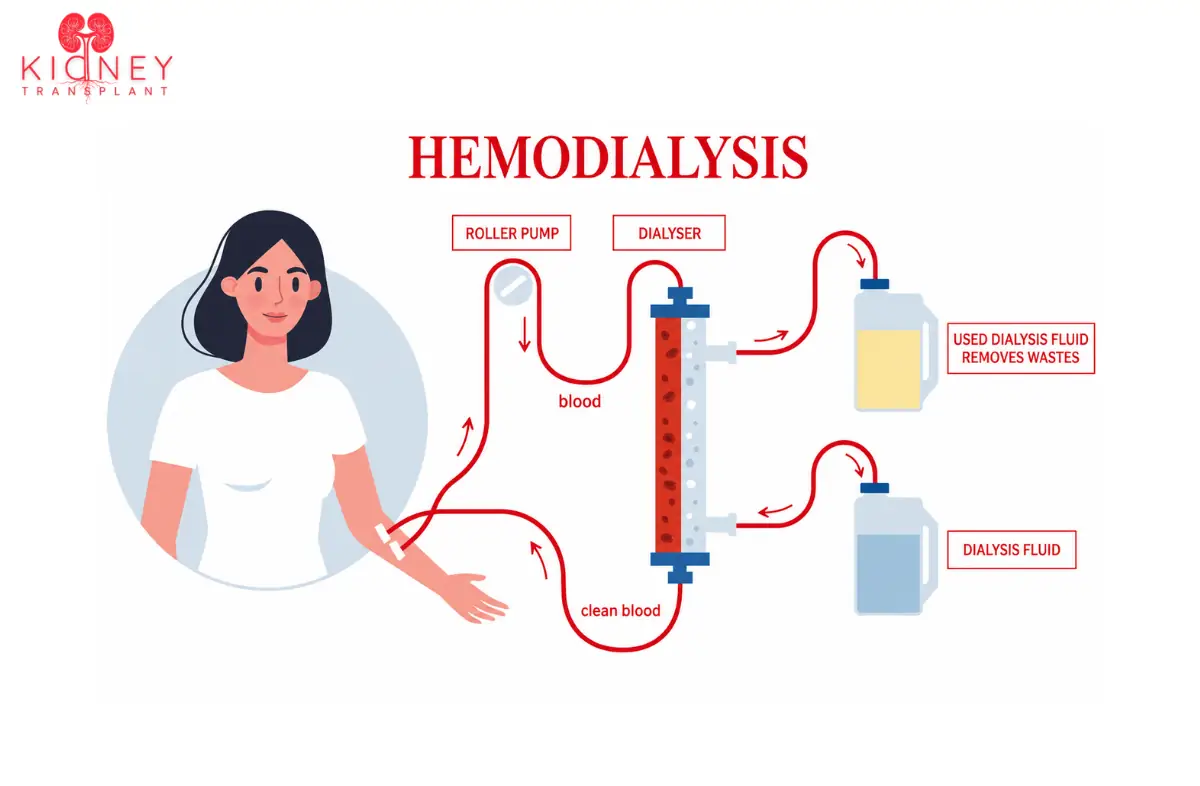
Although the technology may appear complex, the basic principle behind hemodialysis is surprisingly simple. The treatment temporarily performs one of the kidneys' most important jobs cleaning the blood. A typical dialysis session follows a carefully controlled sequence:

Blood Leaves the Body

  • A small amount of blood flows from the body through specially designed tubing connected to the dialysis machine using a vascular access.
  • The amount of blood circulating outside the body at any given time is carefully monitored to ensure patient safety.

Blood Passes Through the Dialyzer

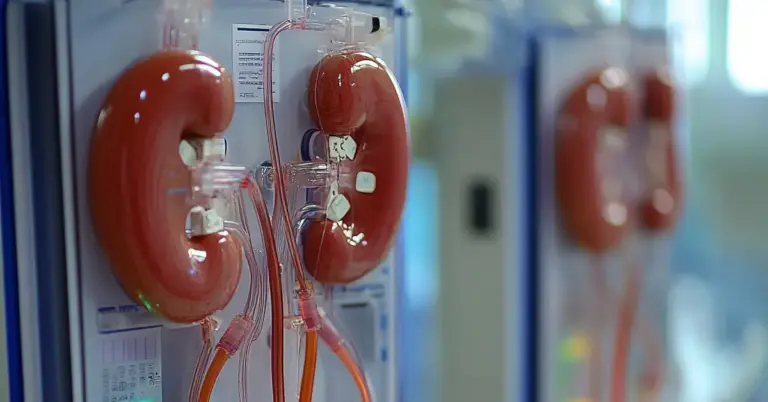
  • The blood enters a device called the dialyzer, often referred to as an artificial kidney.
  • Inside the dialyzer is a special semipermeable membrane that separates the blood from a cleansing fluid known as dialysate.
  • This membrane allows waste products, excess salts, and extra water to pass through while keeping blood cells and important proteins safely inside the bloodstream.

Waste Products Are Removed

  • As blood flows through thousands of tiny fibers inside the dialyzer, harmful waste products move across the membrane into the dialysate.
  • At the same time, excess fluid is gently removed according to the patient's individual treatment plan.
  • The process is carefully controlled to avoid sudden changes in blood pressure or fluid balance.

Clean Blood Returns to the Body

  • After filtration is complete, the cleaned blood is safely returned to the body through the vascular access.
  • This continuous cycle repeats throughout the dialysis session until the prescribed treatment has been completed.
  • Although the machine performs the filtration process, experienced dialysis professionals continuously monitor the patient to ensure that treatment remains safe, comfortable, and effective.

Main Parts of a Hemodialysis System

Many patients feel less anxious once they understand the equipment used during treatment. Although the dialysis machine may appear intimidating at first, each component has a specific purpose.

Dialysis Machine

  • The dialysis machine controls blood flow, monitors treatment, regulates fluid removal, and continuously checks that every part of the procedure is functioning safely.
  • Built in safety systems immediately alert healthcare professionals if any problem is detected.

Dialyzer (Artificial Kidney)

  • The dialyzer is the heart of the dialysis system.
  • Its specialized membrane filters waste products, excess fluids, and certain toxins while preserving blood cells and essential proteins.
  • Each dialyzer is selected according to the patient's treatment needs.

Blood Tubing

  • Sterile tubing carries blood safely between the patient's vascular access and the dialysis machine.
  • The entire blood circuit is carefully monitored throughout treatment.

Dialysate

  • Dialysate is a specially prepared cleansing solution that helps remove waste products and maintain the body's electrolyte balance.
  • Its composition is carefully adjusted according to each patient's medical requirements.

Blood Pump and Monitoring Systems

  • The blood pump maintains a steady flow of blood through the dialysis circuit.
  • Multiple monitoring systems continuously measure blood pressure, blood flow, air bubbles, fluid removal, and other safety parameters throughout every treatment.

Vascular Access

Before hemodialysis can begin, doctors need a reliable way to access the bloodstream repeatedly and safely. This connection is known as vascular access, and it is often referred to as the lifeline of dialysis because every treatment depends on it. Selecting the right vascular access plays a major role in improving treatment quality and reducing complications.

Arteriovenous (AV) Fistula

An AV fistula is created by surgically connecting an artery directly to a nearby vein, usually in the arm. Over several weeks, the vein becomes stronger and larger, making it suitable for repeated dialysis treatments.

An AV fistula is considered the preferred long term vascular access because it generally offers:

  • Better blood flow for effective dialysis.
  • The lowest risk of infection.
  • Lower risk of blood clot formation.
  • Greater long term durability.
  • Fewer complications over time.

Although it requires time to mature before use, an AV fistula remains the gold standard whenever possible.

Arteriovenous (AV) Graft

Some patients have blood vessels that are not suitable for a fistula. In these cases, surgeons may place a soft synthetic tube beneath the skin to connect an artery and a vein. An AV graft usually becomes ready for use sooner than a fistula and provides a reliable alternative for long term dialysis when a fistula cannot be created.

However, grafts generally have a higher risk of clotting and infection compared with fistulas.

Central Venous Catheter

A central venous catheter is a flexible tube placed into a large vein, usually in the neck or chest. Catheters can be used immediately, making them valuable when dialysis must begin urgently.

However, because they carry the highest risk of infection and other complications, they are generally considered a temporary solution until a more permanent vascular access is available.

Comparison of Hemodialysis Vascular Access Options


Feature AV Fistula AV Graft Central Venous Catheter
Uses the patient's own blood vessels ✔ Yes ✖ No ✖ No
Infection risk Lowest Moderate Highest
Risk of clotting Lowest Moderate Highest
Ready for dialysis Several weeks to months Usually 2–4 weeks Immediately
Long term durability Excellent Good Limited
Preferred for long term dialysis ✔ Yes ✔ When fistula isn't possible ✖ Usually temporary

What Happens During a Hemodialysis Session?

For many people, the first dialysis session is filled with uncertainty. The dialysis machine, unfamiliar sounds, and medical equipment can seem intimidating. However, understanding each step of the process often makes the experience far less overwhelming.

A typical hemodialysis session usually lasts about 3 to 5 hours, although the exact duration depends on the individual's medical condition, body size, remaining kidney function, and treatment goals. Most patients receive treatment three times a week, but schedules may vary.

Arrival and Initial Assessment

Each session begins with a brief health assessment.

The dialysis team will:

  • Measure your weight before treatment.
  • Check your blood pressure, pulse, and temperature.
  • Review any symptoms since your previous session.
  • Examine your vascular access to ensure it is functioning properly.

These checks help determine how much fluid should be removed during the session and ensure it is safe to proceed.

Connecting to the Dialysis Machine

Once the assessment is complete, your vascular access is prepared using sterile techniques.

  • AV fistulas and AV grafts are connected using two small needles—one carries blood to the dialysis machine, while the other returns the filtered blood to your body.
  • Central venous catheters connect directly to the dialysis tubing without needles.

Although needle insertion may cause brief discomfort, many patients find that it becomes easier with time.

During Treatment

As blood circulates through the dialyzer, waste products, excess salts, and extra fluid are gradually removed.

Throughout the session, the dialysis team continuously monitors:

  • Blood pressure.
  • Blood flow.
  • Heart rate.
  • Fluid removal.
  • Overall comfort.

Many patients spend treatment time:

  • Reading books or magazines.
  • Watching television.
  • Listening to music or podcasts.
  • Using a tablet or laptop.
  • Talking with family members or other patients.
  • Resting or sleeping.

Because the treatment is supervised by trained professionals, any concerns that arise can usually be addressed promptly.

Completing the Session

After the prescribed treatment is finished:

  • Blood is safely returned to your body.
  • Needles or dialysis tubing are removed.
  • Pressure is applied to prevent bleeding.
  • Blood pressure and weight are checked again.
  • Your healthcare team ensures you feel well before leaving.

Although some people feel tired afterward, many are able to resume light daily activities later the same day.

Preparing for Hemodialysis

Good preparation helps each dialysis session run more smoothly and contributes to better long term health. Simple daily habits can make a significant difference in treatment outcomes.

Before Each Session

Patients are generally encouraged to:

  • Take medications exactly as prescribed unless instructed otherwise.
  • Wear loose, comfortable clothing that allows easy access to the vascular access site.
  • Eat according to the dietary guidance provided by the healthcare team.
  • Monitor fluid intake between dialysis sessions.
  • Report fever, swelling, shortness of breath, chest pain, or changes in the vascular access immediately.
  • Arrive on time for every scheduled treatment.

Missing or shortening dialysis sessions allows waste products and excess fluid to build up, increasing the risk of serious complications.

Expert Insight

Dialysis works best when it becomes part of a consistent routine. Regular attendance, proper nutrition, medication adherence, and protecting your vascular access are just as important as the dialysis treatment itself.

Recovery After Each Dialysis Session

Recovery varies from person to person, especially during the first few weeks of treatment. As the body adjusts, many patients find that they recover more quickly and feel more comfortable after each session. Some individuals leave the dialysis center feeling refreshed, while others may need a few hours to regain their energy.

Common temporary effects include:

  • Mild fatigue.
  • Muscle cramps.
  • Lightheadedness due to changes in blood pressure.
  • Temporary dizziness.
  • Mild soreness around the vascular access site.

These symptoms usually improve with rest, proper hydration as recommended, and ongoing adjustments to the dialysis prescription.

Patients should seek medical advice if they experience:

  • Persistent bleeding from the access site.
  • Fever or chills.
  • Severe chest pain.
  • Difficulty breathing.
  • Significant swelling or redness around the vascular access.
  • Loss of consciousness or severe weakness.

Prompt reporting of unusual symptoms helps prevent more serious complications.

Living Well on Hemodialysis

One of the biggest misconceptions about dialysis is that life comes to a standstill. While dialysis certainly changes daily routines, many people continue to work, raise families, travel, pursue hobbies, and enjoy meaningful lives. Adjusting to treatment takes time, but with the right medical support and healthy habits, dialysis can become one part of life rather than its defining feature.

Continuing Work and Education

  • Many patients continue their careers or education while receiving dialysis.
  • Treatment schedules can often be arranged around work or school commitments, allowing individuals to remain active and independent.
  • Open communication with employers, teachers, and family members can make this transition easier.

Staying Physically Active

Regular physical activity improves:

  • Energy levels.
  • Heart health.
  • Muscle strength.
  • Mood.
  • Overall quality of life.

Walking, cycling, stretching, and light resistance exercises are commonly recommended after discussing an appropriate plan with the healthcare team.

Traveling on Dialysis

  • Having dialysis does not necessarily prevent travel.
  • Many dialysis centers coordinate treatments for patients visiting other cities or countries, provided arrangements are made well in advance.
  • Planning ahead ensures continuity of care while allowing patients to continue enjoying vacations, family visits, and important life events.

Looking After Emotional Well Being

Living with kidney failure can be emotionally challenging.

Some patients experience:

  • Anxiety about future health.
  • Frustration with treatment schedules.
  • Depression or feelings of isolation.
  • Concerns about work, finances, or family responsibilities.

Talking openly with healthcare providers, counselors, family members, or support groups can make a significant difference. Emotional health is an essential part of successful dialysis care.

Expert Insight

Successful dialysis is measured by more than laboratory results. Maintaining emotional well being, staying socially connected, remaining physically active, and continuing meaningful daily activities are equally important indicators of a good quality of life.

Nutrition: Pillar of Successful Dialysis

Dialysis removes waste products from the blood, but healthy eating helps prevent those wastes from building up between treatments. For this reason, nutrition is often considered the second pillar of successful dialysis care, alongside the treatment itself. Every patient's dietary needs are different, but several nutritional principles are commonly recommended.

Protein

Because dialysis removes some protein from the body, patients are often encouraged to consume adequate amounts of high quality protein to support muscle strength, tissue repair, and overall health.

Potassium

  • High potassium levels can affect heart rhythm and become life threatening.
  • Depending on blood test results, patients may need to limit potassium rich foods and follow individualized dietary advice.

Phosphorus

  • Excess phosphorus can weaken bones and increase the risk of calcium deposits in blood vessels.
  • Managing phosphorus intake and taking prescribed phosphate binders when recommended helps protect long term health.

Sodium

  • Too much sodium increases thirst and causes the body to retain excess fluid, making dialysis more difficult.
  • Reducing salt intake supports healthier blood pressure and fluid balance.

Fluid Intake

Because many dialysis patients produce little or no urine, controlling fluid intake between sessions is extremely important.

Excess fluid can lead to:

  • Swelling.
  • High blood pressure.
  • Difficulty breathing.
  • Increased strain on the heart.

Your nephrologist and renal dietitian will recommend a personalized fluid allowance based on your individual needs.

Expert Insight

There is no single "dialysis diet" that fits everyone. Nutrition should always be individualized according to kidney function, blood test results, other medical conditions, and the patient's overall health goals.

Understanding Possible Risks and Complications

Modern hemodialysis is a safe and effective treatment, but like any long term medical therapy, it carries certain risks. Most complications can be prevented or managed successfully through regular monitoring and close communication with the healthcare team.

Potential complications include:

  • Low blood pressure during treatment.
  • Muscle cramps.
  • Infection of the vascular access.
  • Blood clot formation within the access.
  • Anemia related to chronic kidney disease.
  • Bone and mineral disorders.
  • Cardiovascular disease.
  • Emotional stress, anxiety, or depression.

Recognizing these challenges early allows healthcare providers to intervene before they become more serious.

Can Hemodialysis Be Temporary?

Many people assume that once dialysis begins, it continues for life. This is not always true. Patients with acute kidney injury (AKI) may require dialysis only until their kidneys recover sufficiently to resume normal function.

For individuals with end stage kidney disease, dialysis is generally a long term treatment unless they become eligible for a kidney transplant. A successful transplant can restore kidney function and allow many patients to discontinue dialysis, although lifelong transplant care then becomes necessary.

Do's and Don'ts While on Hemodialysis

Daily habits play a major role in the success of dialysis treatment.

Do

  • Attend every scheduled dialysis session.
  • Take medications exactly as prescribed.
  • Follow your individualized meal and fluid plan.
  • Protect and inspect your vascular access every day.
  • Stay physically active within your healthcare provider's recommendations.
  • Report any unusual symptoms promptly.
  • Keep all follow up appointments and blood tests.

Don't

  • Don't skip or shorten dialysis sessions.
  • Don't lift heavy objects with your vascular access arm without medical advice.
  • Don't ignore signs of infection, swelling, or bleeding around the access site.
  • Don't take over the counter medicines or herbal supplements without consulting your healthcare team.
  • Don't smoke or neglect management of diabetes and high blood pressure.
  • Don't allow dialysis to define your identity continue pursuing your goals, relationships, hobbies, and interests whenever possible

Patient Perspective

For many people, the first dialysis session is remembered with fear. The unfamiliar equipment, uncertainty about the future, and changes to daily life can feel overwhelming. But something remarkable often happens over time.

The treatment that once seemed frightening gradually becomes familiar. Patients learn the routine, build relationships with their dialysis team, and discover that life continues beyond the dialysis chair. Many return to work. Others travel, celebrate birthdays, attend family gatherings, pursue hobbies, and watch their children and grandchildren grow. Dialysis certainly changes life but it does not erase the possibility of living it well.

Conclusion

Hemodialysis is far more than a machine that cleans the blood. It is a life sustaining therapy that gives people with advanced kidney disease the opportunity to continue living, caring for their families, pursuing their ambitions, and looking toward the future. The journey is not always easy. It requires commitment, lifestyle adjustments, and ongoing medical care. Yet every dialysis session represents another step toward protecting health and creating opportunities for tomorrow.

With the support of experienced healthcare professionals, family members, and a positive commitment to treatment, many people on dialysis continue to lead productive, meaningful, and fulfilling lives. Ultimately, hemodialysis is not the end of the journey it is a bridge that helps patients move forward with strength, resilience, and hope.

Frequently Asked Questions

Most patients experience only brief discomfort when the dialysis needles are inserted. Once treatment begins, the procedure itself is generally not painful.

Most sessions last between 3 and 5 hours, usually three times per week, although treatment schedules vary depending on individual medical needs.

Yes. Many people continue working or studying while on dialysis. Treatment schedules can often be arranged to accommodate employment and daily responsibilities.

Yes. With advance planning, dialysis treatments can often be arranged at other dialysis centers, allowing patients to travel safely.

No. Hemodialysis replaces some of the kidneys’ filtering functions but does not restore normal kidney function or cure kidney disease.

For many eligible patients with end-stage kidney disease, a successful kidney transplant can restore kidney function and eliminate the need for long-term dialysis. Eligibility depends on overall health and a comprehensive transplant evaluation.

No data was found

Read Next