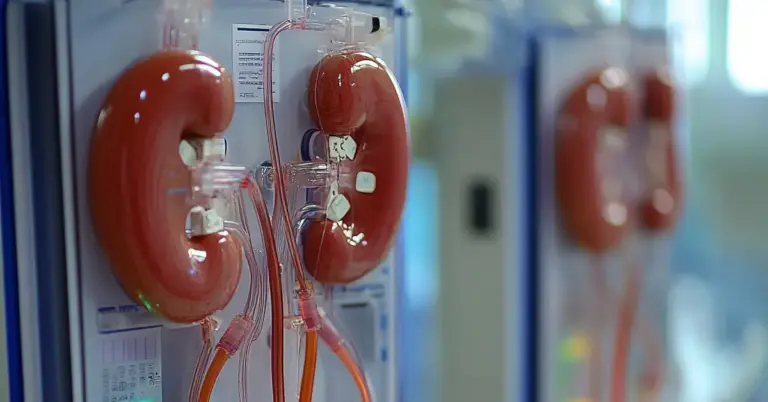
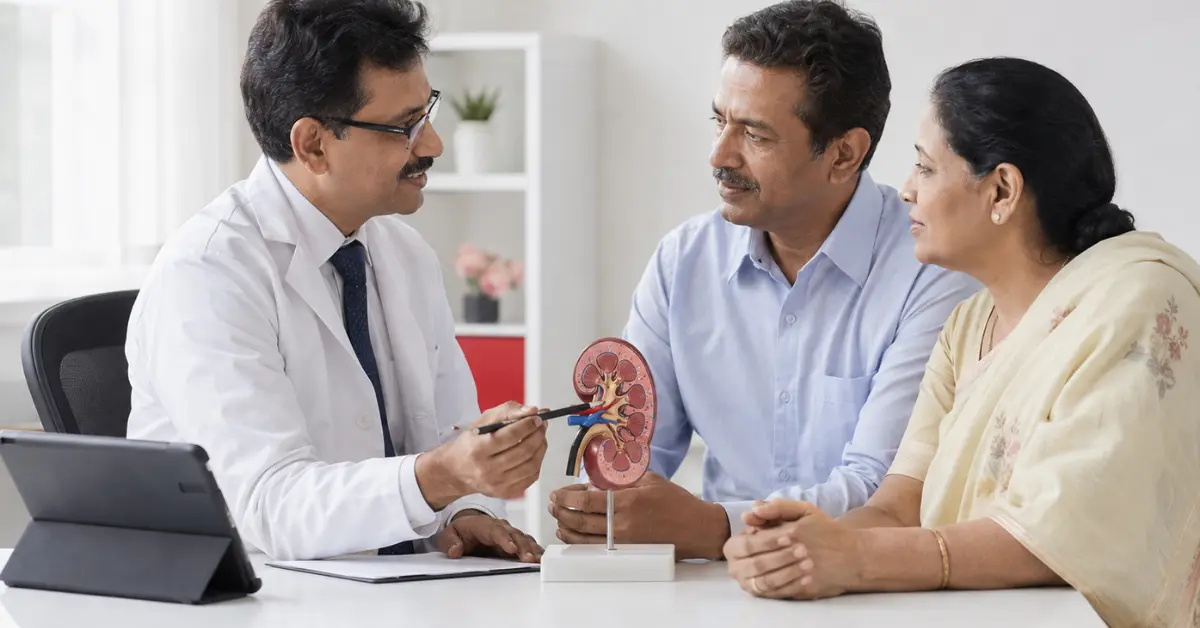
For many people, the first dialysis session is filled with uncertainty. The dialysis machine, unfamiliar sounds, and medical equipment can seem intimidating. However, understanding each step of the process often makes the experience far less overwhelming.
A typical hemodialysis session usually lasts about 3 to 5 hours, although the exact duration depends on the individual's medical condition, body size, remaining kidney function, and treatment goals. Most patients receive treatment three times a week, but schedules may vary.
Arrival and Initial Assessment
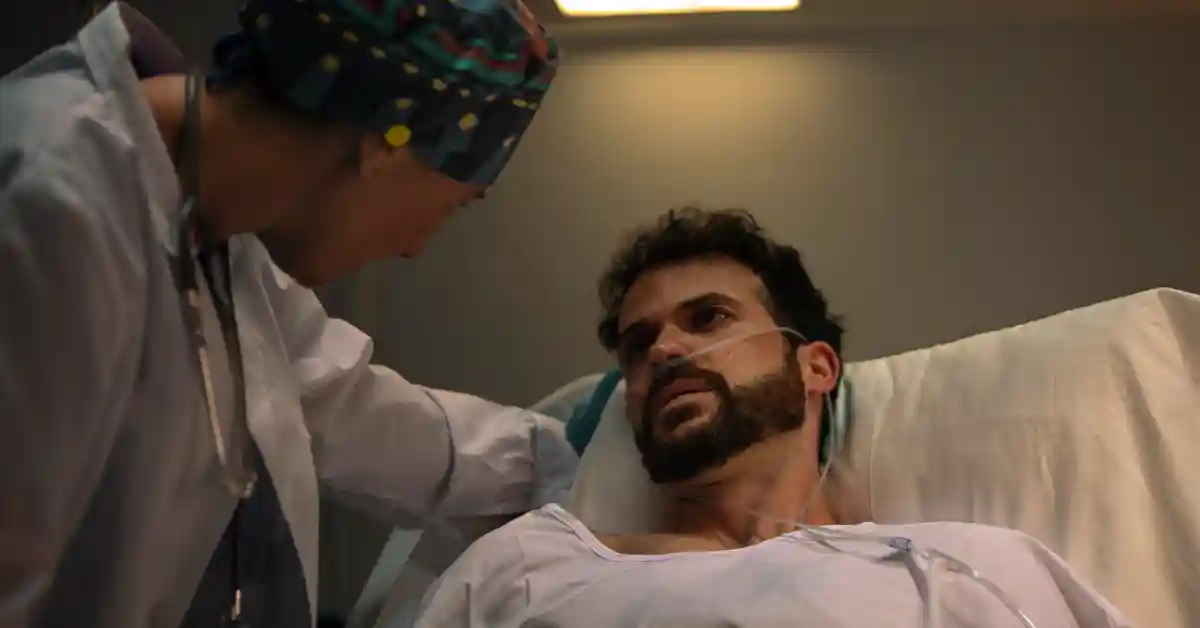
Each session begins with a brief health assessment.
The dialysis team will:
- Measure your weight before treatment.
- Check your blood pressure, pulse, and temperature.
- Review any symptoms since your previous session.
- Examine your vascular access to ensure it is functioning properly.
These checks help determine how much fluid should be removed during the session and ensure it is safe to proceed.
Connecting to the Dialysis Machine
Once the assessment is complete, your vascular access is prepared using sterile techniques.
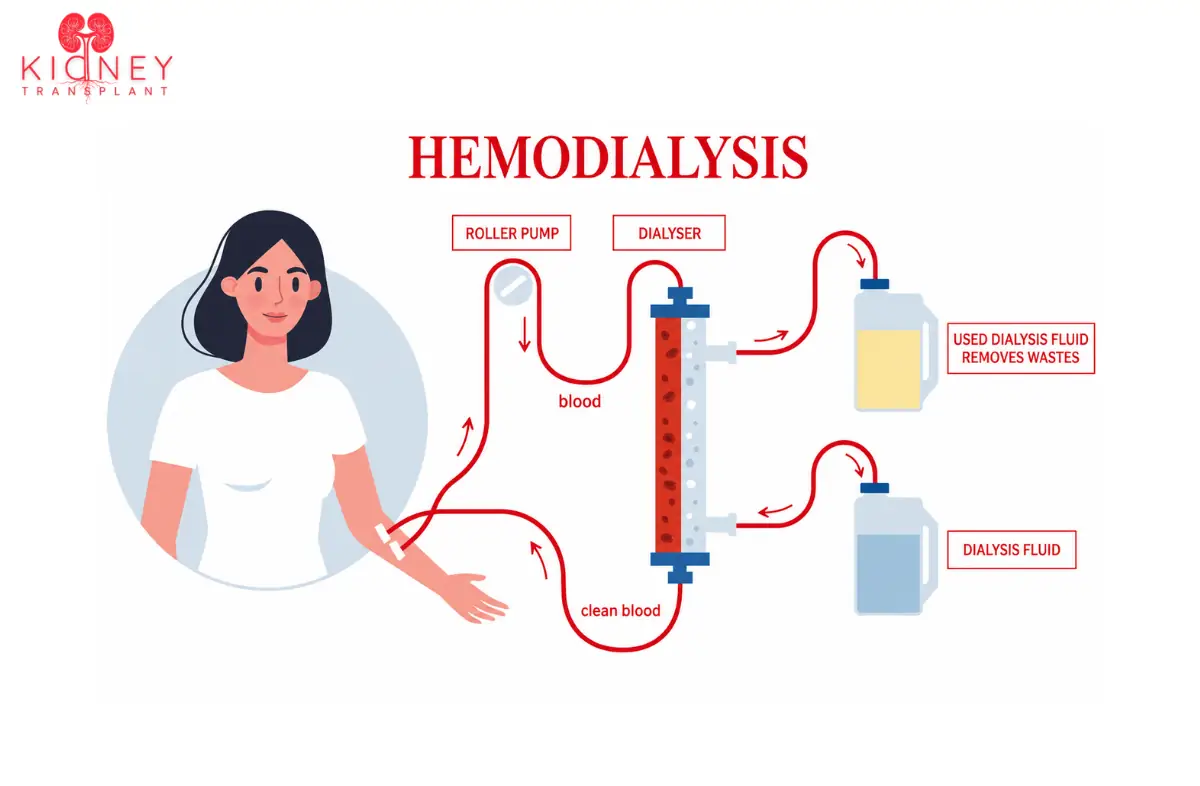
- AV fistulas and AV grafts are connected using two small needles—one carries blood to the dialysis machine, while the other returns the filtered blood to your body.
- Central venous catheters connect directly to the dialysis tubing without needles.
Although needle insertion may cause brief discomfort, many patients find that it becomes easier with time.
During Treatment
As blood circulates through the dialyzer, waste products, excess salts, and extra fluid are gradually removed.
Throughout the session, the dialysis team continuously monitors:
- Blood pressure.
- Blood flow.
- Heart rate.
- Fluid removal.
- Overall comfort.
Many patients spend treatment time:
- Reading books or magazines.
- Watching television.
- Listening to music or podcasts.
- Using a tablet or laptop.
- Talking with family members or other patients.
- Resting or sleeping.
Because the treatment is supervised by trained professionals, any concerns that arise can usually be addressed promptly.
Completing the Session
After the prescribed treatment is finished:
- Blood is safely returned to your body.
- Needles or dialysis tubing are removed.
- Pressure is applied to prevent bleeding.
- Blood pressure and weight are checked again.
- Your healthcare team ensures you feel well before leaving.
Although some people feel tired afterward, many are able to resume light daily activities later the same day.