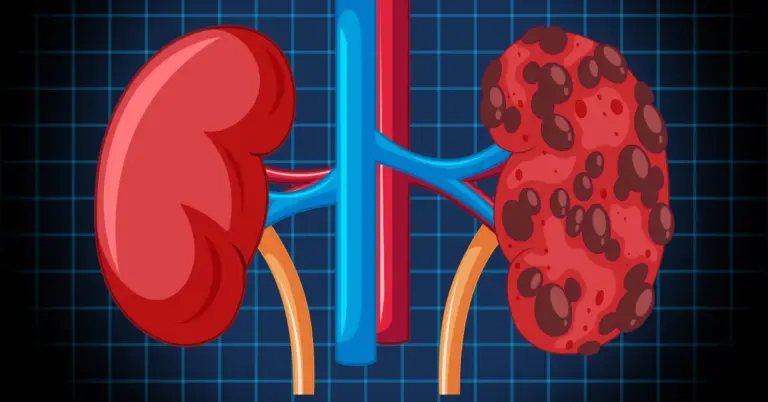

Managing Chronic Kidney Disease early can help preserve kidney function and improve overall health.

Conditions Treated

Comprehensive medical care for a wide range of conditions, focused on recovery, symptom management, and long-term wellness.

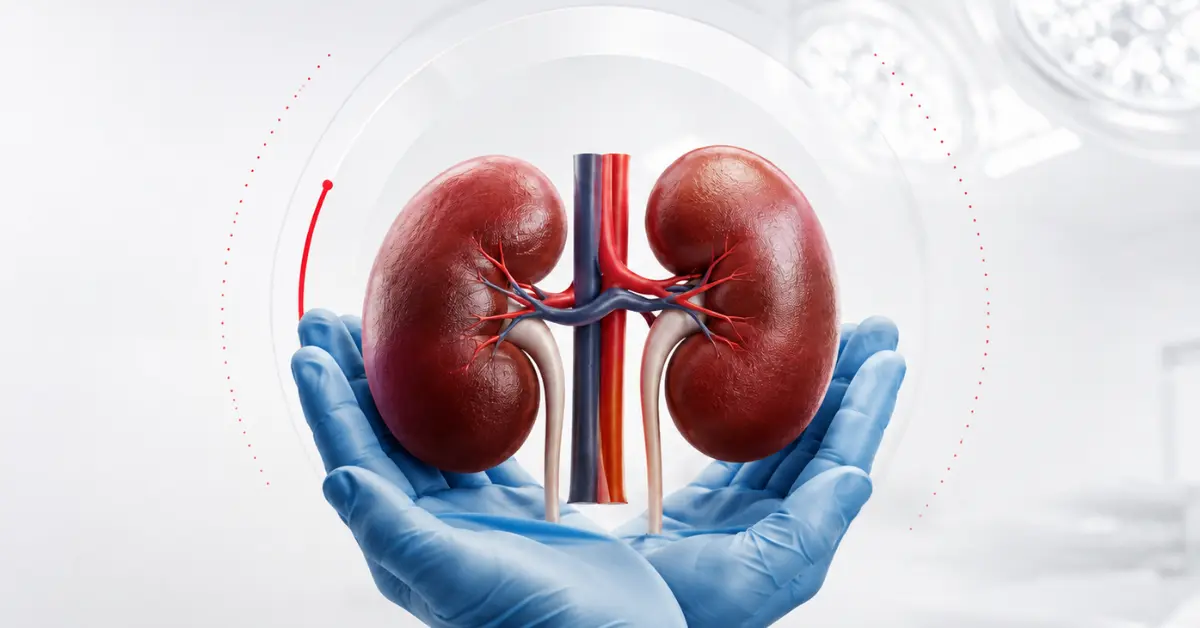
Your kidneys work quietly every day, cleaning your blood, removing waste, and keeping your body’s fluid levels balanced. Most people never think about them until something goes wrong. Chronic Kidney Disease (CKD) is a condition where this cleaning ability slowly weakens over months or years, often with no clear warning signs at the start. This slow, quiet progression is exactly why early diagnosis matters so much. With the right treatment, CKD progression can be slowed down, kidney function can be protected for longer, and quality of life can improve significantly. Understanding CKD early, instead of waiting for symptoms to show up, genuinely makes a big difference to your health.

What is Chronic Kidney Disease (CKD)?

  • Chronic Kidney Disease (CKD) is a long-term condition where your kidneys slowly lose their ability to clean waste and extra fluid from blood
  • Healthy kidneys filter around 120 to 150 litres of blood daily, removing toxins while keeping important nutrients in the body
  • As kidney function drops, waste builds up, fluid balance gets disturbed, and other body parts start feeling the effect
  • CKD is different from Acute Kidney Injury (AKI), which happens suddenly and can often be reversed once treated
  • CKD develops slowly, and the damage is usually permanent, though progress can be managed with treatment
  • Because early damage rarely shows symptoms, Chronic Kidney Disease (CKD) is often called a "silent disease"

Causes of Chronic Kidney Disease

  • Diabetes: high blood sugar damages kidney blood vessels, making it the top cause of CKD worldwide
  • High Blood Pressure: uncontrolled BP strains kidney vessels over time
  • Glomerulonephritis: swelling in the kidney's filtering units
  • Polycystic Kidney Disease: a genetic condition causing cysts that damage kidney tissue
  • Kidney Infections: repeated infections can scar kidney tissue
  • Urinary Tract Obstruction: blockages from stones or an enlarged prostate build up pressure
  • Autoimmune Diseases: conditions like lupus make the immune system attack the kidneys
  • Long term Medicine Use: regular use of certain painkillers can harm kidney function over time

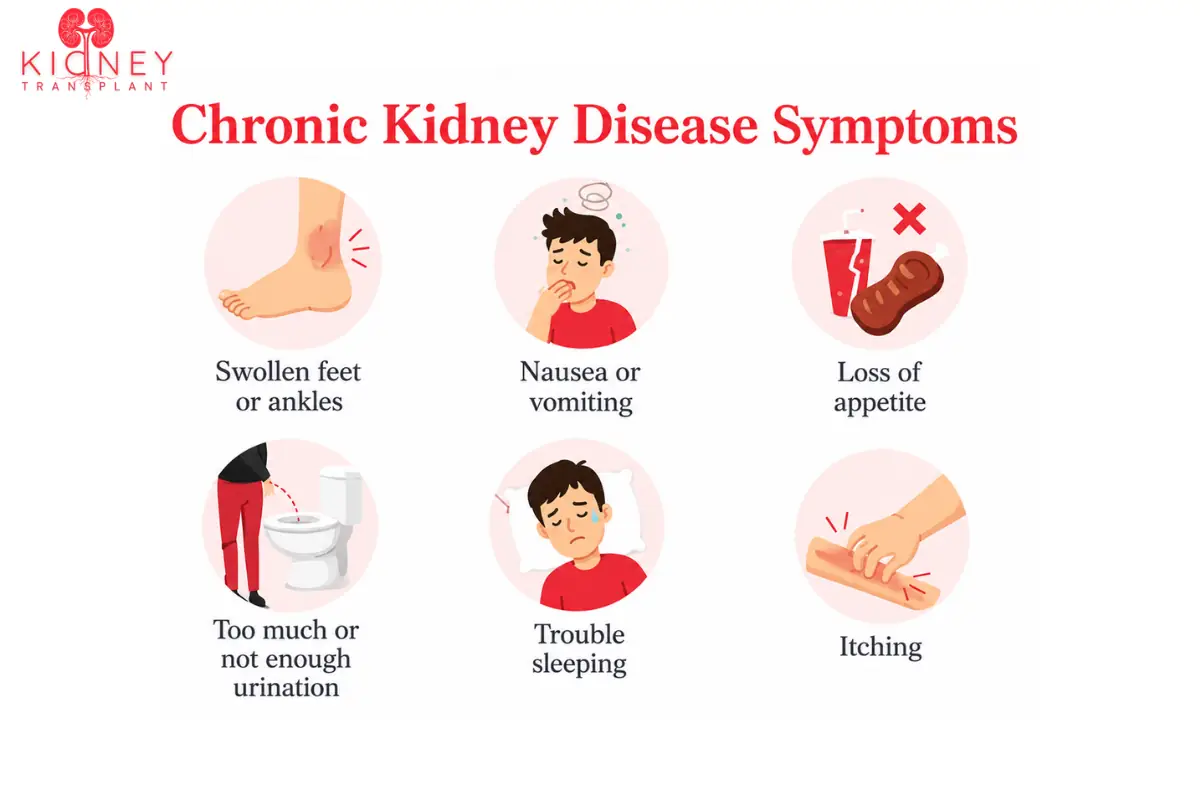
Symptoms of Chronic Kidney Disease

Symptoms usually show up only after CKD reaches a moderate or advanced stage. This is why regular screening matters so much for people at higher risk.

  • Fatigue and weakness
  • Swelling in the legs, feet and ankles
  • Puffiness around the eyes
  • Frequent urination or reduced urine output
  • Blood in urine
  • Foamy urine
  • High blood pressure
  • Nausea and vomiting
  • Loss of appetite
  • Muscle cramps
  • Dry, itchy skin
  • Difficulty concentrating
  • Shortness of breath
  • Chest pain, typically seen in advanced CKD

Stages of Chronic Kidney Disease

The Stages of Chronic Kidney Disease are decided using GFR (Glomerular Filtration Rate), which shows how well your kidneys are filtering blood.

Stage 1: Some kidney damage is present, but function stays normal, usually with no symptoms.

Stage 2: Mild kidney damage, needing early monitoring.

Stage 3: Moderate loss of function, where symptoms usually start appearing.

Stage 4: Severe kidney damage, where preparation for dialysis or transplant usually begins.

Stage 5 (Kidney Failure): Kidneys lose almost all function, and dialysis or a transplant becomes necessary.


CKD Stage

GFR Kidney Function
Stage 1 ≥90 Normal, with damage present
Stage 2 60–89 Mild loss
Stage 3 30–59 Moderate loss
Stage 4 15–29 Severe loss
Stage 5 <15 Kidney failure

Risk Factors for Chronic Kidney Disease

Several factors can increase the risk of developing Chronic Kidney Disease (CKD). While anyone can develop CKD, people with certain medical conditions or unhealthy lifestyle habits are more likely to experience kidney damage. Identifying these risk factors early can help prevent complications and slow the progression of the disease.

The most common risk factors include:

  • Diabetes: High blood sugar can damage the tiny blood vessels in the kidneys, making it the leading cause of CKD.
  • High Blood Pressure: Uncontrolled blood pressure puts extra strain on the kidneys and gradually reduces their filtering ability.
  • Family History of Kidney Disease: A genetic predisposition or inherited kidney disorders can increase the likelihood of developing CKD.
  • Heart Disease: Poor heart health can affect blood flow to the kidneys, increasing the risk of kidney damage.
  • Obesity: Excess body weight raises the risk of diabetes and high blood pressure, both of which are major causes of CKD.
  • Smoking: Smoking damages blood vessels, reduces blood flow to the kidneys, and speeds up kidney function decline.
  • Older Age: Kidney function naturally decreases with age, making older adults more vulnerable to CKD.
  • History of Kidney Stones: Recurrent kidney stones can block urine flow and cause lasting kidney damage.
  • Recurrent Kidney Infections: Frequent infections may lead to scarring of kidney tissue and reduced kidney function.
  • Long Term Painkiller Use: Regular use of certain pain relieving medications, especially NSAIDs, can gradually damage the kidneys.

People with these risk factors should undergo regular kidney screenings, maintain a healthy lifestyle, and manage underlying medical conditions to help protect their kidney health.

Complications of Chronic Kidney Disease

If Chronic Kidney Disease (CKD) is not diagnosed and treated early, it can lead to several serious health complications that affect different parts of the body. As kidney function declines, waste products and excess fluids build up in the blood, increasing the risk of long term health problems.

Common complications of CKD include:

  • High blood pressure, which can further damage the kidneys.
  • Heart disease and an increased risk of stroke due to poor blood vessel health.
  • Fluid retention, causing swelling in the legs, ankles, feet, or face and sometimes shortness of breath.
  • Anemia, where the kidneys produce less erythropoietin, leading to fatigue and weakness.
  • Weakened bones caused by imbalances in calcium, phosphorus, and vitamin D.
  • High potassium levels, which can affect normal heart rhythm.
  • Acid buildup in the body (metabolic acidosis), resulting in muscle weakness and fatigue.
  • Nerve damage, causing numbness or tingling in the hands and feet.
  • Poor nutrition due to reduced appetite and nausea.
  • Kidney failure, where dialysis or a kidney transplant may become necessary if CKD is left untreated.

Chronic Kidney Disease Diagnosis

Chronic Kidney Disease Diagnosis and Management usually follows these steps:

  • Medical history and physical check: looking for swelling, blood pressure changes, and fatigue
  • Blood tests: creatinine, eGFR, and blood urea nitrogen to check filtering ability
  • Urine tests: checking for albumin, protein, and blood
  • Imaging tests: ultrasound, CT scan, or sometimes MRI
  • Kidney biopsy: done when the cause isn't clear from other tests

Chronic Kidney Disease Treatment

Chronic Kidney Disease Treatment depends on the stage, the cause, and any complications you already have.

  • Lifestyle changes: healthy diet, weight control, quitting smoking, exercise, less salt, less alcohol, enough water
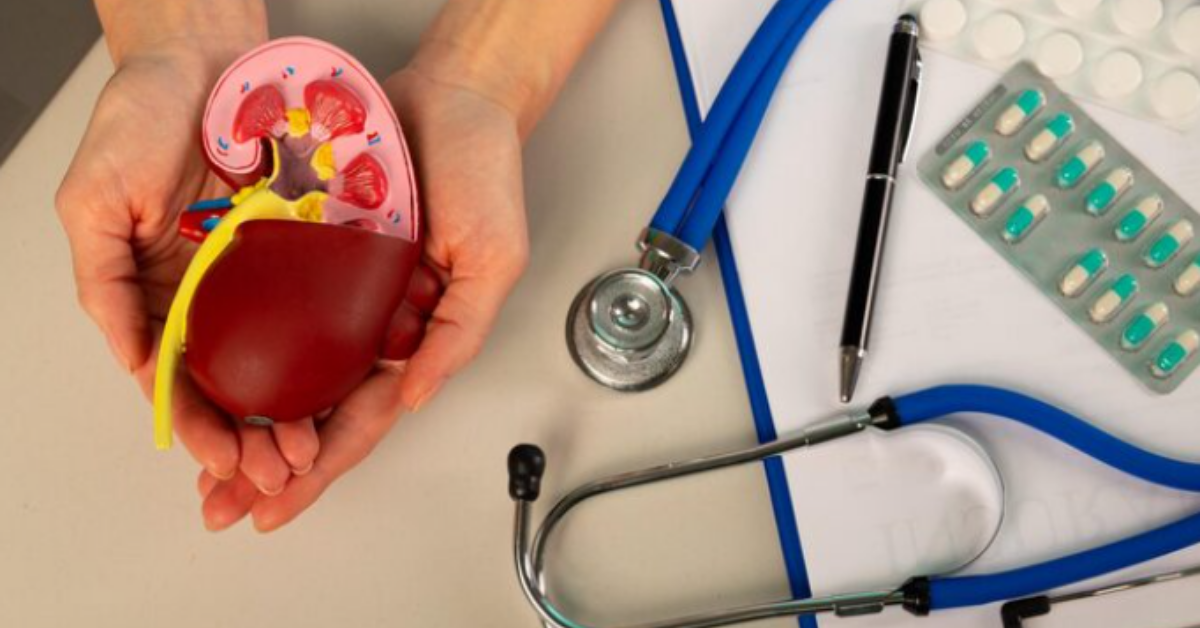
  • Medications: blood pressure and diabetes medicines, cholesterol medicines, treatment for anemia and bone problems, diuretics for fluid buildup
  • Managing other conditions: keeping diabetes, blood pressure, and heart disease under control
  • Regular monitoring: kidney function tests, urine tests, blood pressure checks, blood mineral checks

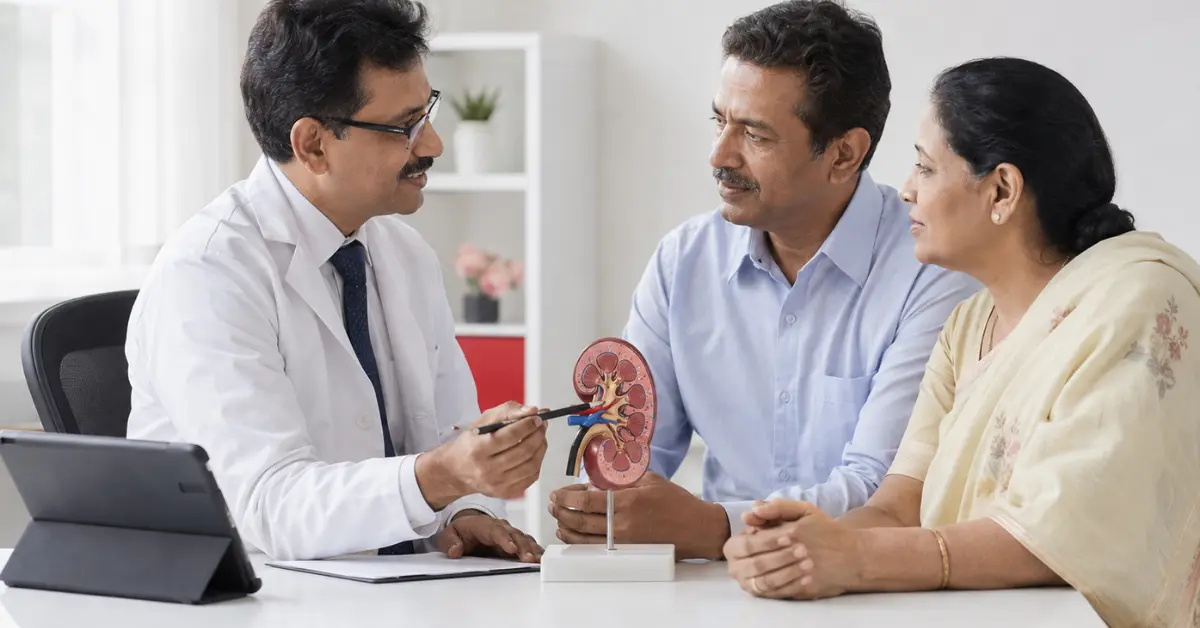
For advanced CKD, Chronic Kidney Disease and Dialysis Treatment becomes an important part of care once kidney function drops too low to keep the body working normally. This usually means hemodialysis or peritoneal dialysis, continued until a transplant becomes possible. This decision is made together by the patient and their nephrologist.

Diet for Chronic Kidney Disease

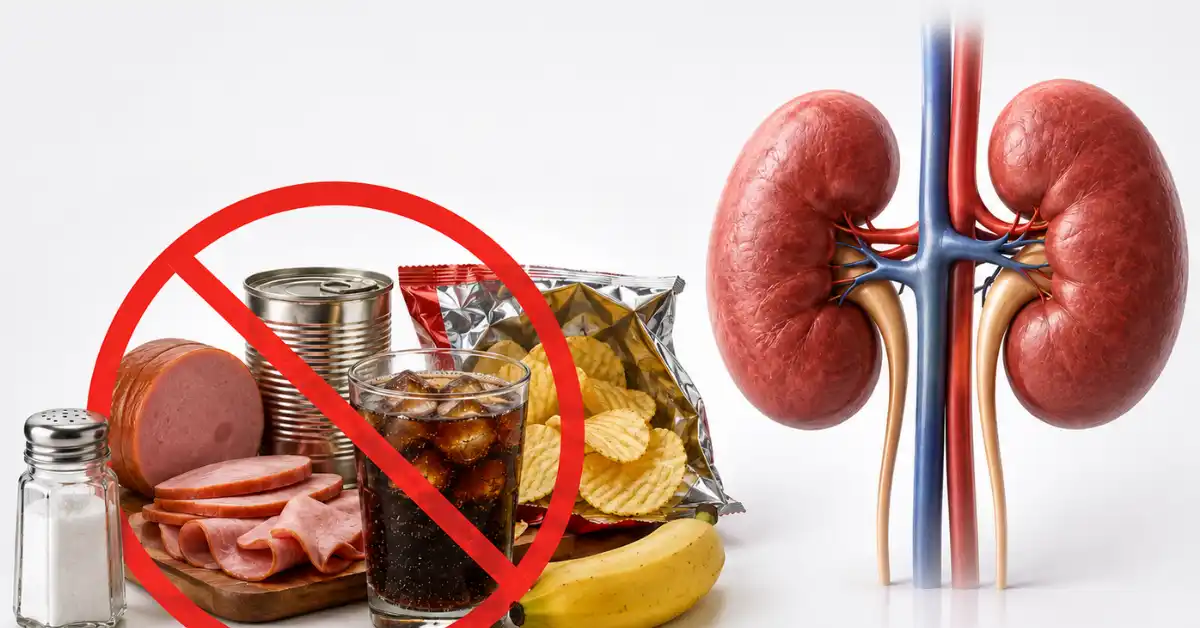
A healthy diet is an essential part of managing Chronic Kidney Disease (CKD). It helps reduce the workload on the kidneys, controls blood pressure, and lowers the risk of complications.

Eat More

  • Fresh vegetables
  • Doctor recommended fruits
  • Whole grains
  • Lean proteins such as fish, skinless chicken, and eggs
  • Healthy fats like olive oil, nuts, and seeds (in moderation)

Limit or Avoid

  • Salt and high sodium foods
  • Processed and packaged foods
  • Sugary drinks and sweets
  • High phosphorus foods, such as processed cheese and soft drinks
  • High potassium foods, if advised by your doctor
  • Excess protein intake
  • Alcohol

Following a personalized kidney friendly diet recommended by your doctor or renal dietitian can help slow CKD progression and support overall kidney health.

Can Chronic Kidney Disease Be Prevented?

While CKD can't always be fully prevented, your risk can be lowered a lot by:

  • Controlling diabetes
  • Maintaining healthy blood pressure
  • Exercising regularly
  • Eating a balanced diet
  • Drinking enough water
  • Avoiding smoking
  • Limiting painkiller use
  • Maintaining a healthy weight
  • Getting annual kidney screening if you're in a high risk group

When Should you See a Doctor?

See a doctor if you notice:

  • Persistent swelling
  • Blood in urine
  • High blood pressure
  • Reduced urination
  • Severe fatigue
  • Persistent nausea
  • Difficulty breathing
  • Diabetes along with abnormal kidney test results

Conclusion

Chronic Kidney Disease (CKD) is a serious condition, but it can be managed well if caught early. Early detection remains the single biggest factor in protecting your kidneys for the long run. Good Chronic Kidney Disease Treatment focuses on slowing down the disease, managing complications, and improving quality of life, rather than chasing a cure that isn't realistically possible yet. If you have diabetes, high blood pressure, or a family history of kidney disease, regular health checkups aren't optional, they are genuinely one of the best tools you have to catch CKD early and stay ahead of it.

Frequently Asked Questions

Early CKD often has no symptoms, but subtle signs can include tiredness, mild swelling, foamy urine, and slightly high blood pressure.

CKD generally can’t be cured, but treatment can slow its progress and manage complications well.

CKD patients are usually advised to limit salt, processed foods, sugary drinks, and high phosphorus or high potassium foods, based on their stage and lab reports.

Dialysis is usually needed once CKD reaches Stage 5, when kidney function drops below 15 percent.

The five stages, based on GFR, go from Stage 1, with normal function despite some damage, to Stage 5, or kidney failure, which needs Chronic Kidney Disease and Dialysis Treatment or a transplant.

Yes. Controlling blood pressure and blood sugar, following a kidney friendly diet, and avoiding harmful medicines can slow disease progress significantly.

For patients who qualify, a transplant usually gives a better long-term quality of life than dialysis, though it needs lifelong medicine and regular checkups.

No data was found

Read Next

Recognize kidney transplant complications early to protect your health and
Know how kidney transplant life expectancy varies with proper care
Understand Life After Kidney Transplant with healthy habits for lasting
Discover how Kidney transplant surgery helps restore kidney function and
Learn about Kidney Transplant Procedure for safer treatment and better