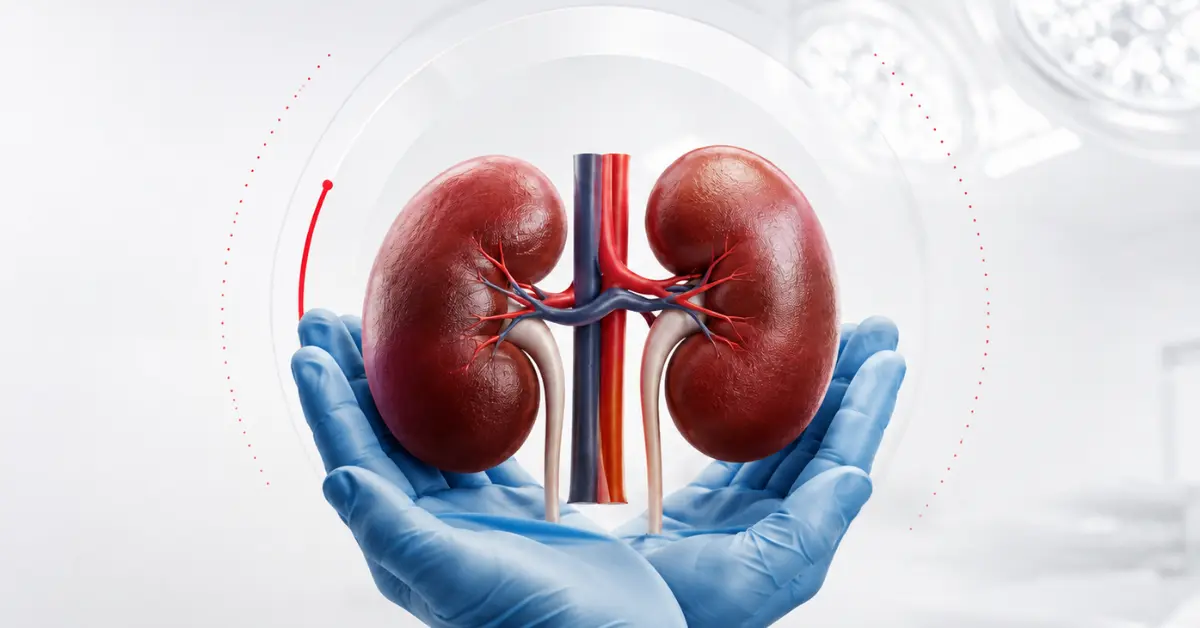


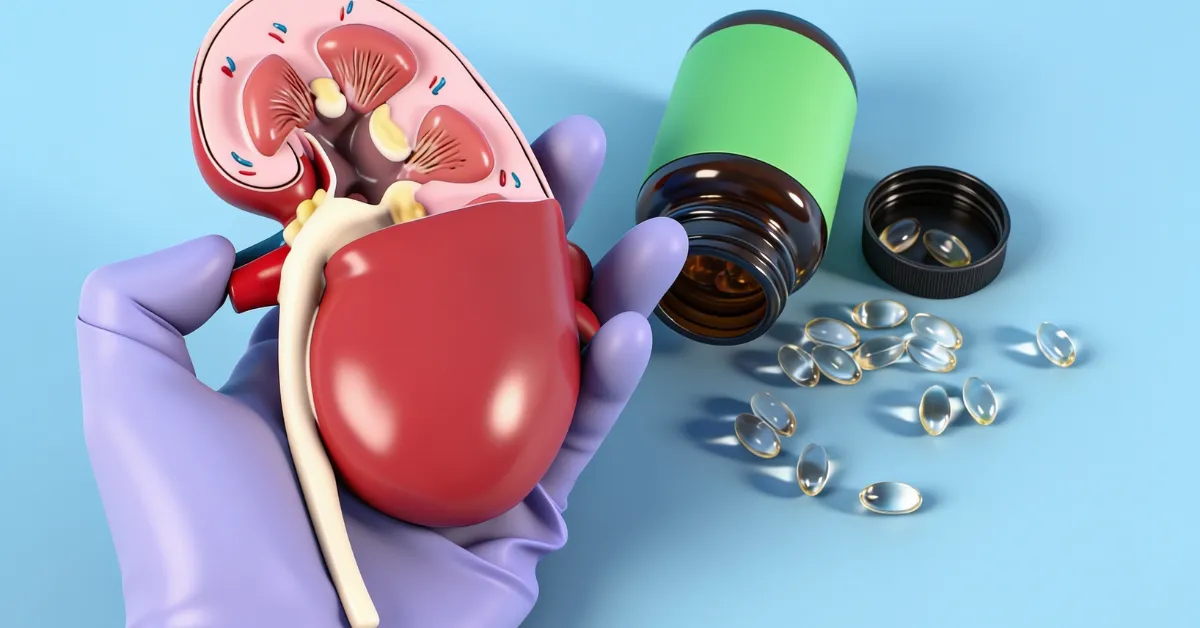
Accurate diagnosis begins with Kidney Tests and Procedures for effective kidney disease evaluation and treatment.

Conditions Treated

Comprehensive medical care for a wide range of conditions, focused on recovery, symptom management, and long-term wellness.

Hearing that you need kidney tests or a medical procedure can naturally feel overwhelming. Questions such as “Why do I need this test?”, “What will it show?”, or “Does this mean something is seriously wrong?” often arise even before the appointment begins. In reality, most kidney tests are performed not because the worst is expected, but because accurate information is essential for making the right treatment decisions. 

Modern kidney care relies on a combination of laboratory tests, imaging studies, and specialized procedures to evaluate how well the kidneys are functioning, identify the cause of disease, monitor treatment, and plan future care. Whether investigating persistent urinary symptoms, chronic kidney disease, kidney stones, infections, or preparing for dialysis or transplantation, every investigation provides an important piece of the clinical picture. Understanding why these tests are performed and what they help reveal allows patients to approach their healthcare journey with greater confidence, informed expectations, and a stronger partnership with their medical team.


Why Kidney Tests Matter

Kidney diseases often develop gradually, with few or no symptoms during their early stages. By the time noticeable changes occur, significant kidney damage may already have taken place. This is why timely investigations play such an important role in modern kidney care.

Rather than simply confirming the presence of disease, kidney tests help healthcare professionals understand how well the kidneys are functioning, identify the underlying cause of abnormalities, and determine the most appropriate course of treatment.

Comprehensive kidney evaluation helps to:

  • Detects kidney disease early before symptoms become apparent, allowing treatment to begin when it is most effective.
  • Assess kidney function accurately by measuring how efficiently the kidneys filter waste products and maintain the body's internal balance.
  • Identify the underlying cause of kidney problems, whether related to diabetes, hypertension, infections, autoimmune diseases, kidney stones, or inherited disorders.
  • Monitor disease progression through regular testing, helping doctors determine whether kidney function is stable, improving, or declining.
  • Evaluate response to treatment, ensuring medications, lifestyle modifications, or procedures are achieving the desired results.
  • Guide important clinical decisions, including planning for dialysis, kidney transplantation, or surgical intervention when necessary.

Each investigation contributes valuable information, allowing healthcare professionals to build a complete understanding of kidney health rather than relying on symptoms alone.

Blood Tests : How Well your Kidneys Work

Blood tests are among the most valuable tools for evaluating kidney health. They provide important information about how effectively the kidneys are filtering waste products, maintaining electrolyte balance, and supporting normal body functions. Rather than relying on a single value, doctors interpret several blood tests together to gain a comprehensive picture of kidney function.

Serum Creatinine

Creatinine is a waste product produced naturally by muscles and removed from the body by healthy kidneys. When kidney function declines, creatinine levels in the blood begin to rise. Measuring serum creatinine is one of the most commonly used methods for assessing kidney health and monitoring changes over time.

Estimated Glomerular Filtration Rate (eGFR)

The eGFR is calculated using serum creatinine along with factors such as age and sex to estimate how efficiently the kidneys filter blood.

It plays a central role in:

  • Detecting chronic kidney disease.
  • Determining the stage of kidney disease.
  • Monitoring progression over time.
  • Guiding treatment decisions.

Because it reflects overall kidney function, the eGFR is one of the most important measurements in nephrology.

Blood Urea Nitrogen (BUN)

Blood urea nitrogen measures another waste product normally removed by the kidneys.

Although BUN alone cannot diagnose kidney disease, it provides useful supporting information when interpreted alongside creatinine, eGFR, hydration status, and clinical findings.

Electrolyte Testing

Healthy kidneys carefully regulate essential minerals that support normal heart, muscle, and nerve function.

Blood tests commonly assess:

  • Sodium.
  • Potassium.
  • Calcium.
  • Phosphorus.
  • Bicarbonate.

Abnormal electrolyte levels may indicate impaired kidney function or other medical conditions requiring prompt attention.

Complete Blood Count (CBC)

Kidney disease can affect much more than waste removal. A Complete Blood Count helps evaluate anemia, infection, and overall blood health. Since the kidneys produce erythropoietin, a hormone that stimulates red blood cell production, reduced kidney function may contribute to low hemoglobin levels and persistent fatigue.

Urine Tests: Beyond What Blood Tests Reveal

While blood tests evaluate how well the kidneys are functioning, urine tests provide valuable insight into how effectively they are filtering and protecting essential substances. Even small changes in urine composition can reveal early kidney damage before symptoms develop.

Urinalysis

A routine urinalysis is often the first investigation performed when kidney or urinary tract disease is suspected.

It evaluates:

  • Protein.
  • Blood.
  • Glucose.
  • White blood cells.
  • Bacteria.
  • Crystals.
  • Urine concentration.

These findings help identify infections, kidney disease, diabetes related complications, and other urinary abnormalities.

Urine Albumin or Protein Testing

  • Healthy kidneys prevent significant amounts of protein from passing into the urine.
  • The presence of persistent protein or albumin may indicate early kidney damage, particularly in individuals with diabetes or hypertension.
  • Detecting protein leakage early allows treatment to begin before kidney disease progresses.

Urine Culture

  • When infection is suspected, a urine culture identifies the specific bacteria responsible.
  • This allows doctors to prescribe the most effective antibiotic while reducing unnecessary antibiotic use.

Twenty Four Hour Urine Collection

In selected patients, collecting urine over a full 24 hour period provides more detailed information about kidney function and the amount of protein, minerals, or waste products being excreted. This investigation is particularly useful when evaluating complex kidney disorders, recurrent kidney stones, or significant protein loss.

Imaging Tests: Kidney Structure and Function

While blood and urine tests assess how well the kidneys work, imaging studies reveal their structure and any physical abnormalities. These investigations help identify conditions that laboratory tests alone cannot detect, such as kidney stones, cysts, tumors, urinary obstruction, or congenital abnormalities.

Kidney Ultrasound

Kidney ultrasound is usually the first imaging test recommended because it is non invasive and radiation free. It helps evaluate kidney size, structure, cysts, swelling caused by urinary obstruction, and other structural abnormalities.

CT Scan

A CT scan provides detailed cross sectional images of the kidneys and urinary tract. It is particularly useful for diagnosing kidney stones, tumors, injuries, infections, and urinary obstruction, especially when rapid and detailed assessment is needed.

MRI

MRI offers high resolution images of the kidneys and surrounding tissues without using ionizing radiation. It may be recommended when additional anatomical detail is required or when CT contrast is not suitable.

Nuclear Medicine Renal Scan

Unlike conventional imaging, a renal scan evaluates how well each kidney functions individually. It is commonly used to assess kidney blood flow, urinary drainage, and the functional contribution of each kidney in selected clinical situations.

Specialized Kidney Procedures

Most kidney conditions can be understood through blood, urine, and imaging tests alone. However, in certain situations, more advanced procedures are required to directly evaluate kidney tissue, urinary passages, or drainage pathways. These procedures are performed when standard tests are not sufficient to reach a clear diagnosis or guide treatment.

Kidney Biopsy

A kidney biopsy involves taking a very small sample of kidney tissue for microscopic examination.

It is usually recommended when:

  • The cause of kidney disease is unclear.
  • There is significant protein or blood in the urine.
  • Rapidly worsening kidney function is observed.
  • Certain immune related kidney diseases are suspected.

This test helps doctors identify the exact type of kidney disease and determine the most appropriate treatment plan.

Cystoscopy

Cystoscopy allows direct visualization of the bladder and urethra using a thin, flexible camera.

It is commonly used to evaluate:

  • Blood in the urine.
  • Recurrent urinary tract infections.
  • Bladder abnormalities or suspected tumors.
  • Persistent urinary symptoms without clear cause.

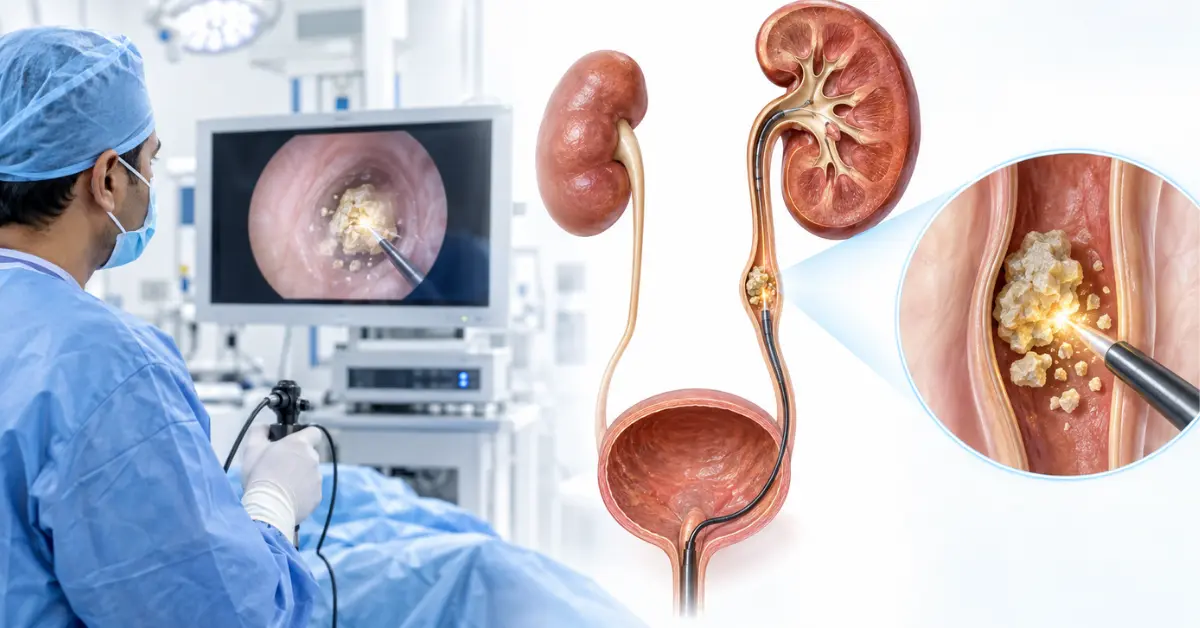
Ureteroscopy

Ureteroscopy is used to examine the ureters and kidneys using a small endoscopic instrument passed through the urinary tract.

It is most often used for:

  • Diagnosing and removing ureteric stones.
  • Treating blockages in the urinary tract.
  • Evaluating unexplained pain or obstruction.

Nephrostomy Procedure

In cases where urine cannot flow normally due to obstruction, a small tube may be placed directly into the kidney to drain urine externally. This procedure helps relieve pressure, prevent infection, and protect kidney function until the underlying issue is treated.

Dialysis Access Procedures

For patients requiring long-term dialysis, a minor surgical procedure may be needed to create access to the bloodstream. This ensures safe and efficient dialysis treatment over time.

Common Kidney Tests and Their Purpose: Table

Test Purpose When it is Used
Blood tests Assess kidney function Routine screening, CKD monitoring
Urine tests Detect infection, protein, blood Initial evaluation of symptoms
Ultrasound View kidney structure Stones, obstruction, swelling
CT scan Detailed imaging Stones, tumors, emergencies
MRI Soft tissue evaluation Complex or unclear cases
Kidney biopsy Tissue diagnosis Unexplained or advanced disease
Cystoscopy Bladder evaluation Blood in urine, recurrent symptoms

Preparing for Kidney Tests

Proper preparation ensures accurate results and reduces the need for repeat testing.

Before Blood Tests

  • Fasting may be required for specific investigations.
  • Inform your doctor about all medications and supplements.

Before Imaging Tests

  • You may be asked to stay hydrated or avoid food temporarily.
  • Inform your doctor about allergies, especially to contrast dye.
  • Pregnancy status should always be disclosed when applicable.

Before Specialized Procedures

  • Some procedures may require local or general anesthesia.
  • Pre procedure instructions regarding fasting or medications should be strictly followed.

How Kidney Tests Guide Treatment

Kidney test results are not interpreted in isolation. Instead, they are combined with symptoms, physical examination findings, and medical history to build a complete clinical picture.

Depending on the results, tests may help doctors:

  • Identify whether kidney dysfunction is temporary or chronic.
  • Determine the severity and stage of kidney disease.
  • Detects infections, stones, or structural abnormalities.
  • Decide whether medications need adjustment.
  • Monitor response to ongoing treatment.
  • Evaluate readiness for dialysis or transplantation.

Each result plays a specific role in shaping a personalized treatment plan, ensuring that care is precise rather than generalized.

Understanding your Test Results

  • Receiving abnormal kidney test results can be stressful, but it is important to understand that a single abnormal value does not always indicate serious disease.
  • Kidney function fluctuates based on hydration, medications, infections, and other temporary factors. For this reason, doctors often repeat tests or order additional investigations before confirming a diagnosis.
  • Interpreting results alongside symptoms and medical history helps ensure that treatment decisions are accurate, timely, and appropriate for the individual's condition.

Do's and Don'ts for Kidney Testing

Do

  • Follow all preparation instructions carefully.
  • Inform your doctor about medications and allergies.
  • Stay hydrated if advised before testing.
  • Attend follow up appointments for result discussion.
  • Ask questions if you do not understand your reports.

Don't

  • Don't ignore preparation guidelines before tests.
  • Don't self interpret abnormal results without medical advice.
  • Don't delay follow up after abnormal findings.
  • Don't skip recommended repeat testing.
  • Don't assume all abnormal results mean severe disease.

Patient Perspective

  • Many patients initially feel anxious when advised to undergo multiple kidney tests. However, most later realize that each investigation answered a specific clinical question.
  • Instead of uncertainty, testing often brings clarity. It helps doctors identify problems earlier, choose the right treatment, and avoid unnecessary complications.
  • In many cases, early and accurate testing has prevented disease progression and significantly improved long term outcomes.

Conclusion

Kidney health management begins with understanding what is happening inside the body. Blood tests, urine analysis, imaging studies, and specialized procedures together create a complete picture of kidney function and structure. Although medical testing may seem overwhelming at first, each investigation serves a clear purpose in guiding diagnosis, monitoring disease, and planning treatment.

When interpreted correctly, these results allow healthcare professionals to act early, treat precisely, and protect kidney function for the long term. In kidney care, accurate diagnosis is not just the first step it is the foundation of every successful treatment journey.

Frequently Asked Questions

Serum creatinine and estimated glomerular filtration rate (eGFR) are the most commonly used tests to assess kidney function.

Blood tests measure kidney function, while urine tests detect early damage, infection, or protein leakage that blood tests may not show.

No. A kidney biopsy is only recommended when the cause of kidney disease cannot be identified through standard tests.

Kidney stones are usually diagnosed using ultrasound or CT scans, depending on the severity and clinical situation.

Yes. Different tests provide different types of information, and they are often used together for an accurate diagnosis.

Timing varies depending on the test. Blood and urine tests are usually quick, while imaging or biopsy results may take longer.

No data was found

Read Next

Recognize kidney transplant complications early to protect your health and
Know how kidney transplant life expectancy varies with proper care
Understand Life After Kidney Transplant with healthy habits for lasting
Discover how Kidney transplant surgery helps restore kidney function and
Learn about Kidney Transplant Procedure for safer treatment and better