
Learn about Kidney Failure symptoms, causes, treatment options, and ways to protect your kidney health.

Conditions Treated

Comprehensive medical care for a wide range of conditions, focused on recovery, symptom management, and long-term wellness.

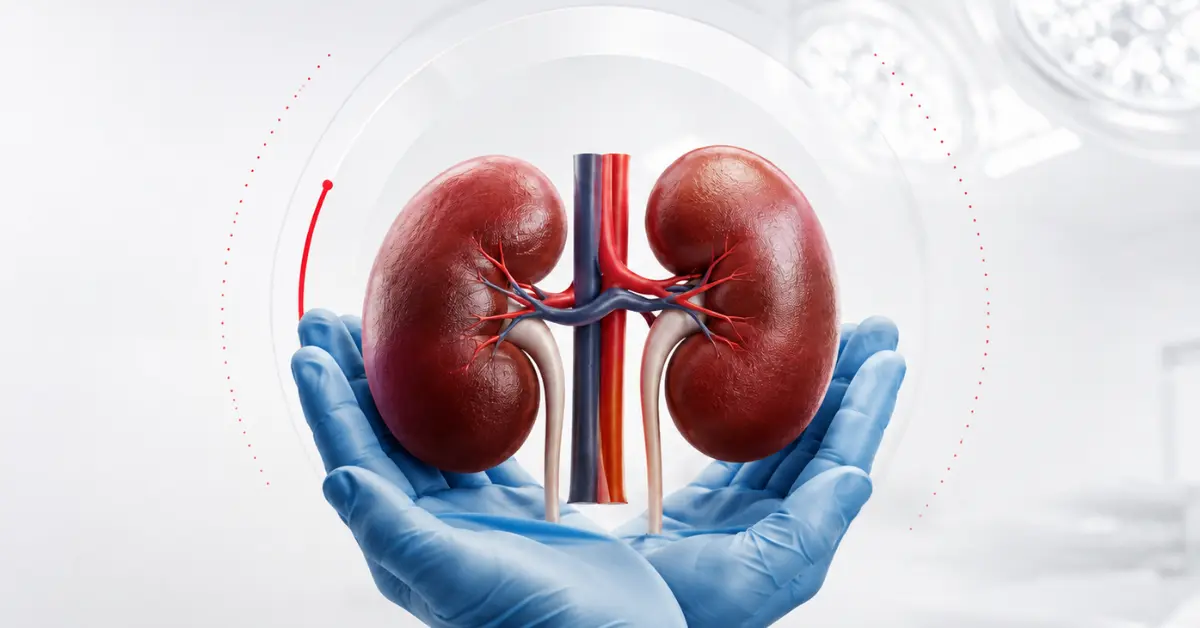
Your kidneys quietly do a huge job every day, cleaning your blood and keeping your body’s fluids balanced. Kidney Failure happens when this ability drops so much that the kidneys can no longer keep you healthy on their own. When kidneys stop working properly, waste and extra fluid build up, affecting your heart, bones, and energy levels. Kidney Failure can come on suddenly or build up slowly over years, and knowing the difference matters a lot for treatment. Early diagnosis and timely Kidney Failure Treatment can slow down complications and genuinely improve quality of life.

What is Kidney Failure?

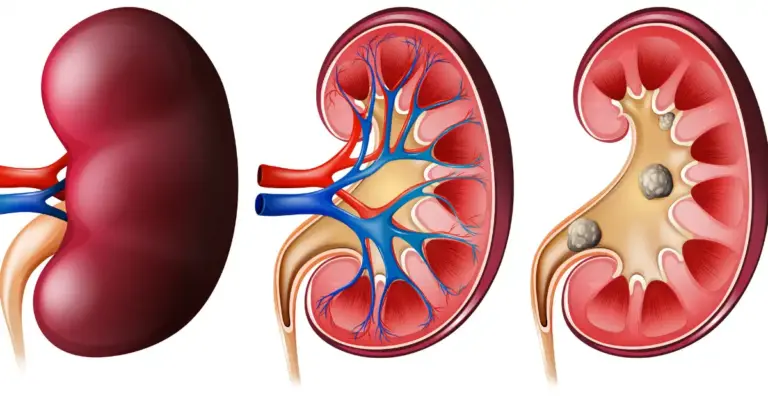
  • Kidney Failure means your kidneys have lost most or all of their ability to filter waste and extra fluid from your blood
  • Healthy kidneys filter blood constantly, removing toxins while keeping important nutrients in the body
  • When kidneys stop working properly, waste products build up in the blood, and extra fluid causes swelling throughout the body
  • Kidney Failure can be temporary, where function returns once treated, or permanent, where long term care is needed

Types of Kidney Failure

Acute Kidney Failure (Acute Kidney Injury)

Acute Kidney Failure happens suddenly, often within hours or days, usually triggered by dehydration, blood loss, infection, certain medications, or a sudden blockage.

  • Symptoms: little to no urine output, swelling, confusion, and quick fatigue
  • Can it be reversed? Yes, often, once the cause is treated promptly
  • Treatment: treating the root cause, adjusting medications, rehydration, and sometimes temporary dialysis

Chronic Kidney Failure

Chronic Kidney Failure develops slowly over years, usually as the final stage of long term kidney disease. Unlike the acute type, this damage is generally permanent, which is why early treatment of the underlying condition matters so much.

Stages of Kidney Failure

Kidney disease stages are based on GFR (Glomerular Filtration Rate), a measure of how well your kidneys filter blood.

  • Stage 1: Normal or near normal function with some damage; usually no symptoms
  • Stage 2: Mild loss of function; often still symptom free
  • Stage 3: Moderate loss; symptoms like fatigue and swelling often begin
  • Stage 4: Severe loss; preparation for dialysis or transplant usually starts
  • Stage 5 (End Stage Kidney Disease): Almost all function lost; dialysis or transplant becomes necessary

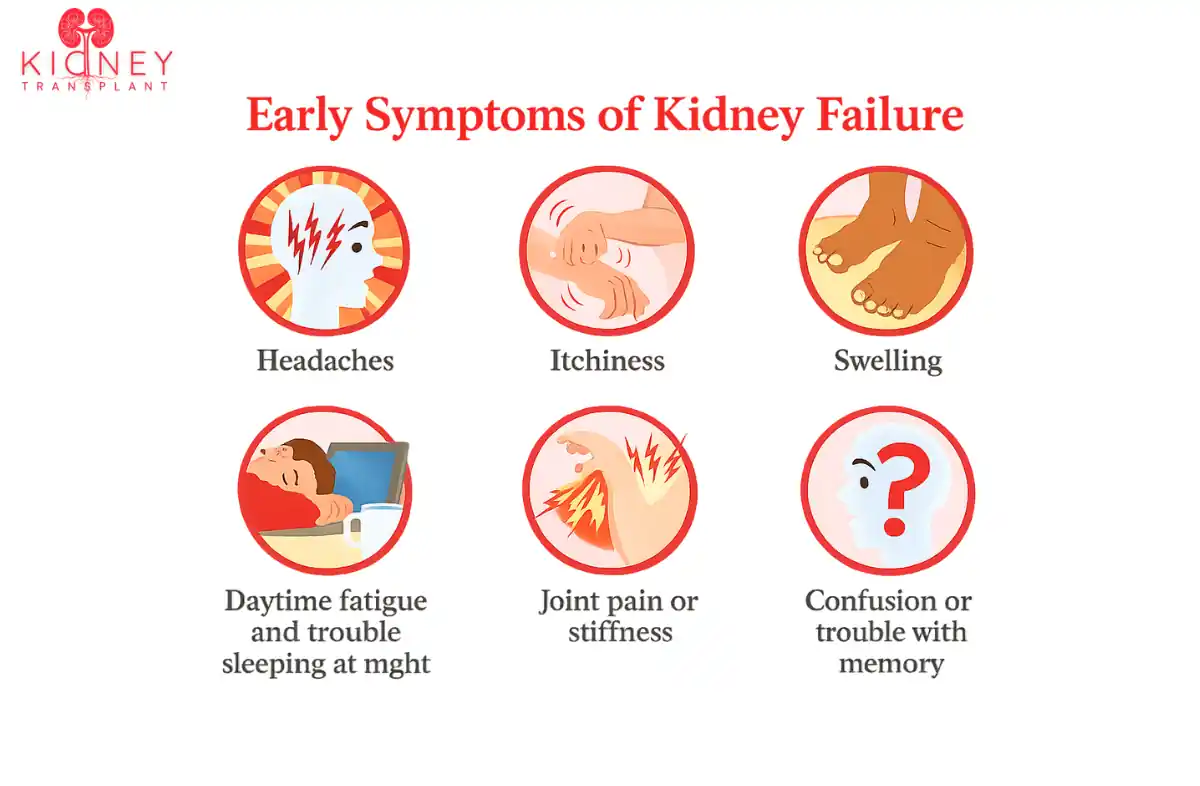
Symptoms of Kidney Failure

Symptoms vary a lot depending on how severe the condition is.

  • Swelling in legs, ankles, and feet
  • Fatigue and weakness
  • Shortness of breath
  • Nausea and vomiting
  • Poor appetite
  • Itchy skin
  • Muscle cramps
  • Frequent urination
  • Reduced urine output
  • Difficulty concentrating
  • Puffy eyes
  • High blood pressure
  • Chest pain, usually in advanced cases

Causes of Kidney Failure

  • Diabetes: high blood sugar damages kidney blood vessels
  • High Blood Pressure: uncontrolled BP strains kidney vessels
  • Kidney Infections: repeated infections can scar kidney tissue
  • Glomerulonephritis: swelling in the kidney's filtering units
  • Polycystic Kidney Disease: a genetic condition causing damaging cysts
  • Urinary Tract Blockage: builds up pressure and damages kidneys
  • Kidney Stones: repeated or large stones can obstruct urine flow
  • Certain Medications: long term or high dose use can harm kidneys
  • Autoimmune Diseases: conditions like lupus can attack the kidneys
  • Severe Dehydration or Blood Loss: can trigger Acute Kidney Failure

Risk Factors for Kidney Failure

Several health conditions and lifestyle habits can increase your risk of developing Kidney Failure. Understanding these risk factors allows you to take preventive steps, monitor your kidney health regularly, and seek medical care before permanent kidney damage occurs.

  • Diabetes: High blood sugar can damage the kidneys' filtering units over time.
  • Hypertension (High Blood Pressure): Uncontrolled blood pressure can gradually weaken kidney function.
  • Heart Disease: Poor heart health reduces blood flow to the kidneys.
  • Obesity: Excess weight increases the risk of diabetes and high blood pressure.
  • Smoking: Smoking damages blood vessels and reduces kidney function.
  • Family History: A family history of kidney disease may increase your risk.
  • Older Age: Kidney function naturally declines as you age.
  • Recurrent Kidney Stones: Frequent kidney stones can cause repeated kidney damage.
  • Long Term Painkiller Use: Prolonged use of certain painkillers may harm the kidneys over time.

How is Kidney Failure Diagnosed?

Early diagnosis genuinely changes outcomes, giving doctors more options to slow things down.

  • Medical history and physical exam: reviewing symptoms and checking for swelling or high BP
  • Blood tests: creatinine, Blood Urea Nitrogen (BUN), and eGFR
  • Urine tests: checking for protein, blood, and other abnormalities
  • Ultrasound: checks kidney size and structure
  • CT scan or MRI: used for more detailed imaging when needed
  • Kidney biopsy: recommended when the exact cause isn't clear

Kidney Failure Treatment

Kidney Failure Treatment depends heavily on the cause, the stage of the disease, and your overall health.

Medications

  • Blood pressure control medicines
  • Diabetes management medicines
  • Diuretics for fluid buildup
  • Anemia medications
  • Medicines for electrolyte management

Lifestyle Changes

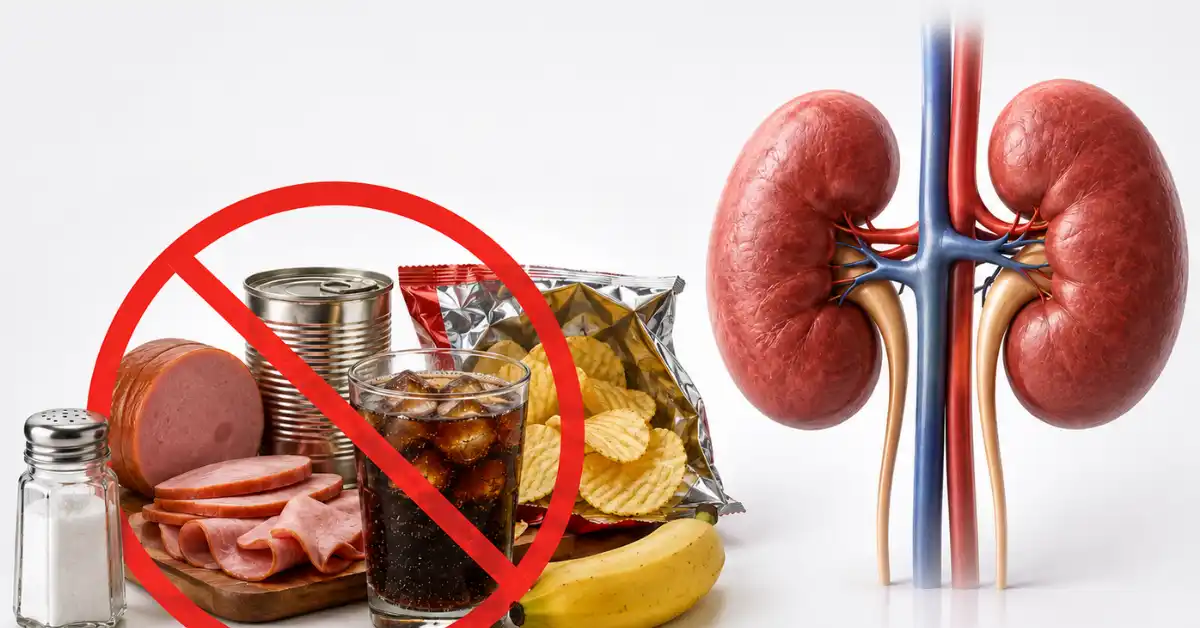
  • A kidney friendly diet
  • Salt restriction
  • Careful fluid management
  • Regular exercise
  • Weight control
  • Quitting smoking

Early Kidney Disease Treatment

Catching kidney disease before it reaches full failure gives far more options. Effective Treatments for kidney disease at earlier stages include managing diabetes closely, controlling blood pressure, treating infections quickly, managing kidney stones, avoiding kidney damaging medications, and staying consistent with regular monitoring.

Dialysis

Dialysis becomes necessary once kidney function drops too low, typically in Stage 5.

  • Hemodialysis: filters blood using a machine, usually a few times a week at a clinic
  • Peritoneal dialysis: uses the abdomen lining as a natural filter, often done at home
  • Benefits: removes waste and fluid effectively
  • Limitations: requires a strict schedule and ongoing monitoring

Kidney Transplant

  • Eligibility depends on overall health and finding a suitable donor
  • Benefits include better long term quality of life than lifelong dialysis
  • Recovery typically takes several weeks
  • Lifelong medications are needed to prevent organ rejection

How to Prevent Kidney Failure

  • Control diabetes
  • Manage blood pressure
  • Drink enough water
  • Eat a balanced diet
  • Reduce salt intake
  • Avoid unnecessary painkillers
  • Exercise regularly
  • Maintain a healthy weight
  • Quit smoking
  • Limit alcohol
  • Go for regular kidney checkups
  • Treat urinary infections early

These steps together are the most effective way to Prevent Kidney Failure, especially for people already at higher risk.

Living with Kidney Failure

Living with Kidney Failure involves following healthy habits and staying consistent with your treatment plan to improve your quality of life and reduce complications.

  • Follow a kidney friendly diet recommended by your doctor.
  • Manage fluid intake as advised.
  • Take medications exactly as prescribed.
  • Stay physically active with safe, regular exercise.
  • Monitor blood pressure and blood sugar regularly.
  • Attend routine nephrologist check ups and kidney function tests.
  • Take care of your mental well being and seek support when needed.
  • Lean on family and caregivers for help with daily care and treatment.

When Should you See a Doctor?

Seek medical attention if you experience any of the following symptoms, as they may indicate worsening kidney function or Kidney Failure:

  • Blood in the urine
  • Persistent swelling in the legs, ankles, feet, or face
  • Severe fatigue or unusual weakness
  • Reduced urine output or difficulty urinating
  • Uncontrolled high blood pressure
  • Persistent nausea or vomiting
  • Sudden weight gain due to fluid retention
  • Shortness of breath or difficulty breathing

Early diagnosis and treatment can help prevent further kidney damage and improve long term health outcomes

Conclusion

Kidney Failure is a serious condition, but it's genuinely manageable with the right approach. Early diagnosis significantly improves outcomes, and proper Kidney Failure Treatment can slow disease progression and protect your remaining kidney function. Combined with a healthy lifestyle and regular monitoring, people living with Kidney Failure can maintain a good quality of life for years. Don't wait for symptoms to become severe, getting checked early is one of the smartest things you can do for your long term health.

Frequently Asked Questions

Early signs can include fatigue, mild swelling, changes in urination, and slightly high blood pressure, though these are often subtle.

Acute Kidney Failure can often be reversed with prompt treatment, but Chronic Kidney Failure is generally permanent, though progression can be slowed.

It depends on the cause and stage, ranging from medication and lifestyle changes in earlier stages to dialysis or a transplant in advanced cases.

 Yes, in many cases, especially when the cause is identified and treated quickly, kidney function can return to normal or near normal.

With proper treatment, including dialysis or a transplant, many people live for years, sometimes decades, depending on overall health.

In many cases, yes. Managing diabetes and blood pressure, staying hydrated, and going for regular checkups can significantly help prevent Kidney Failure.

No, a kidney transplant is another path for eligible patients, often offering a better long term quality of life than lifelong dialysis.

No data was found

Read Next

Recognize kidney transplant complications early to protect your health and
Know how kidney transplant life expectancy varies with proper care
Understand Life After Kidney Transplant with healthy habits for lasting
Discover how Kidney transplant surgery helps restore kidney function and
Learn about Kidney Transplant Procedure for safer treatment and better