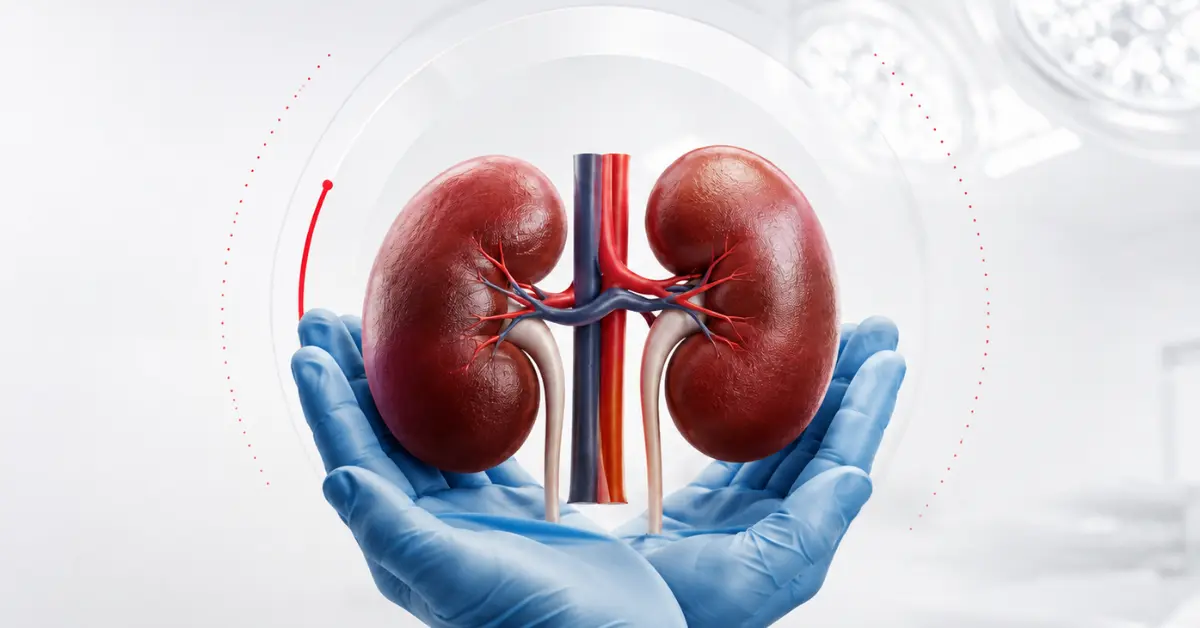
Early testing helps protect kidney health through Kidney Disease Diagnosis, enabling timely treatment, improved outcomes, and long term wellness.

Conditions Treated

Comprehensive medical care for a wide range of conditions, focused on recovery, symptom management, and long-term wellness.

Kidney disease develops quietly, and by the time symptoms appear, a good amount of kidney function may already be lost. This is why a proper Kidney Disease Diagnosis matters so much. Doctors use a mix of medical history, physical checks, and lab tests to find out how well your kidneys are working, and to catch problems as early as possible. This article walks you through the entire diagnostic process in simple language, so you know exactly what to expect at each step, from your first visit to the doctor right through to understanding your final results.

When do you Need a Kidney Disease Diagnosis?

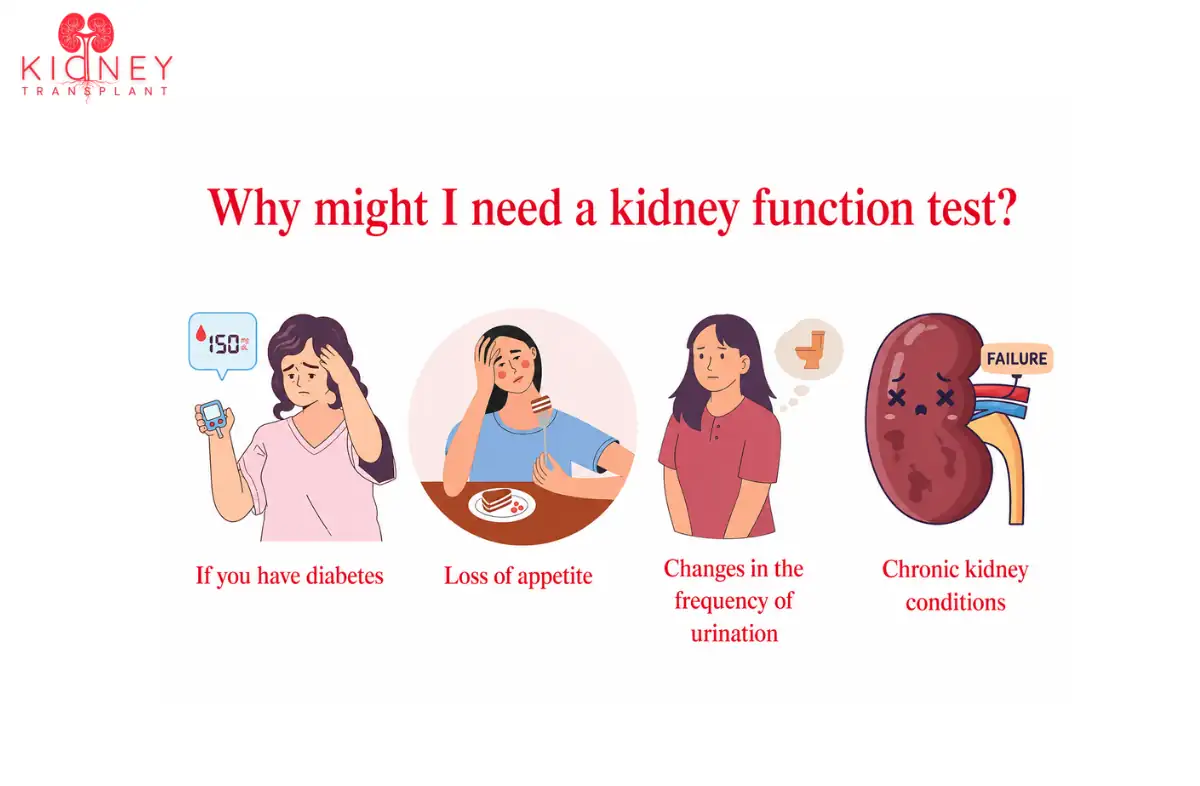
You may need a Kidney Disease Diagnosis if you notice certain symptoms or belong to a group that faces higher risk.

Common symptoms include:

  • Ongoing tiredness or weakness
  • Swelling in the legs, ankles, or face
  • Foamy or bloody urine
  • Frequent urination at night
  • Loss of appetite or nausea

High risk groups include:

  • People with diabetes
  • People with high blood pressure
  • Those with a family history of kidney disease
  • Adults above 60 years of age
  • People with heart disease

If you fall into any of these groups, or notice the symptoms above, it is a good idea to see a doctor and ask about Tests for Kidney Disease, even if you feel mostly fine.

When do you Need a Kidney Disease Diagnosis?

You may need a Kidney Disease Diagnosis if you notice certain symptoms or belong to a group that faces higher risk.

Common symptoms include:

  • Ongoing tiredness or weakness
  • Swelling in the legs, ankles, or face
  • Foamy or bloody urine
  • Frequent urination at night
  • Loss of appetite or nausea

High risk groups include:

  • People with diabetes
  • People with high blood pressure
  • Those with a family history of kidney disease
  • Adults above 60 years of age
  • People with heart disease

If you fall into any of these groups, or notice the symptoms above, it is a good idea to see a doctor and ask about Tests for Kidney Disease, even if you feel mostly fine.

When do you Need a Kidney Disease Diagnosis?

You may need a Kidney Disease Diagnosis if you notice certain symptoms or belong to a group that faces higher risk.

Common symptoms include:

  • Ongoing tiredness or weakness
  • Swelling in the legs, ankles, or face
  • Foamy or bloody urine
  • Frequent urination at night
  • Loss of appetite or nausea

High risk groups include:

  • People with diabetes
  • People with high blood pressure
  • Those with a family history of kidney disease
  • Adults above 60 years of age
  • People with heart disease

If you fall into any of these groups, or notice the symptoms above, it is a good idea to see a doctor and ask about Tests for Kidney Disease, even if you feel mostly fine.

How is Kidney Disease Diagnosed?

The full Kidney Disease Diagnosis process usually combines several steps rather than a single test, since kidney health is best understood by looking at multiple markers together.

Medical History

Your doctor will ask simple questions about your health to understand what may be causing your kidney problem.

  • Ask about your symptoms
  • Check if you have diabetes or high blood pressure
  • Ask about past kidney problems or infections
  • Ask if anyone in your family has kidney disease
  • Review the medicines and supplements you take
  • Discuss your lifestyle, including smoking, alcohol, and diet

Physical Examination

Your doctor will perform a basic physical exam to look for signs of kidney disease.

  • Measure your blood pressure
  • Check for swelling in your feet, ankles, hands, or face
  • Check your weight for fluid buildup
  • Examine your abdomen for any tenderness or swelling
  • Look for other signs of poor kidney function

Urine Tests

  • Urine tests are one of the simplest and most useful Kidney Function Tests, since the kidneys directly produce urine.
  • Urinalysis : This checks for protein, blood, and other substances in the urine that should not normally be there.
  • Urine Albumin to Creatinine Ratio (ACR) : This test measures how much albumin, a type of protein, is leaking into your urine. A higher ratio can point to early kidney damage, even before other symptoms appear.

Blood Tests

  • Blood tests give a clear picture of how well your kidneys are filtering waste from your body.
  • Serum Creatinine : This measures the level of creatinine, a waste product, in your blood. Higher levels often mean the kidneys are not filtering properly.
  • eGFR (Estimated Glomerular Filtration Rate) : The eGFR is calculated using your creatinine level, age, and gender. It is one of the most important Kidney Disease Tests & Diagnosis tools, since it estimates how well your kidneys are working overall.
  • Blood Urea Nitrogen (BUN) : This test measures urea nitrogen in the blood, another waste product that builds up when kidney function drops.

Imaging Tests

  • Kidney Ultrasound : An ultrasound gives a clear picture of the size, shape, and structure of your kidneys, helping doctors spot blockages, cysts, or stones.
  • CT Scan or MRI (when needed) : In more complex cases, a CT scan or MRI may be used to get a more detailed view of the kidneys and surrounding structures.

Kidney Biopsy

  • When it is recommended a biopsy is usually suggested when the cause of kidney disease is unclear, or when other Tests for Kidney Disease do not give enough information.
  • The procedure involves a small tissue sample taken from the kidney using a thin needle, guided by ultrasound. The sample is then studied under a microscope to identify the exact type of kidney damage.

Understanding Your Kidney Test Results

After completing the required tests, your doctor will review all the results together rather than relying on a single test. Blood tests, urine tests, imaging scans, your symptoms, and medical history all help determine whether your kidneys are functioning normally or if there are signs of kidney disease. This diagnostic approach to chronic kidney disease helps doctors make an accurate chronic kidney disease diagnosis and determine the stage and severity of the condition. Understanding these results can help you know the condition of your kidneys and what steps may be needed next. 

Normal vs  Abnormal Results

A normal result generally means your kidneys are filtering waste effectively and there are no significant signs of kidney damage. This usually includes a normal eGFR, creatinine levels within the expected range, and little or no protein or blood in the urine.

Abnormal results may suggest reduced kidney function or kidney damage. For example, a lower eGFR, higher creatinine level, protein or blood in the urine, or abnormal findings on an imaging test may indicate that your kidneys are not working as they should. Your doctor may recommend additional tests or repeat certain tests to confirm the diagnosis.

Test Normal Result Abnormal Result
eGFR 90 or above Below 90 (with other signs of kidney damage)
Creatinine Within the normal range Higher than normal
Urine Protein None or very little Protein present
Blood in Urine Not present Blood detected

CKD Stages Based on eGFR

The estimated Glomerular Filtration Rate (eGFR) measures how well your kidneys filter waste and excess fluid from your blood. Doctors use this value to determine the stage of Chronic Kidney Disease (CKD) and monitor how kidney function changes over time.

A lower eGFR means your kidneys are filtering less efficiently, allowing waste products to build up in the body. The stage of CKD helps your doctor decide the most appropriate treatment and follow-up care.

CKD Stage eGFR (mL/min/1.73 m²) Kidney Function
Stage 1 90 or above Normal kidney function with signs of kidney damage
Stage 2 60–89 Mild loss of kidney function
Stage 3 30–59 Moderate loss of kidney function
Stage 4 15–29 Severe loss of kidney function
Stage 5 Below 15 Kidney failure

What Happens After a Kidney Disease Diagnosis?

Getting a Diagnosis of Kidney Disease is just the beginning of your care journey, not the end of it.

  • Identifying the underlying cause your doctor will look into whether diabetes, high blood pressure, infections, or other conditions are behind the kidney damage
  • Referral to a nephrologist a kidney specialist may be involved for more detailed care and monitoring
  • Creating a treatment plan this may include medicines, dietary changes, or in advanced cases, dialysis planning
  • Lifestyle recommendations such as reducing salt intake, staying hydrated, managing blood sugar, and regular exercise

Most people find that small daily changes, like cutting down processed food and walking regularly, make a real difference over time. Your doctor may also schedule follow up tests every few months to track how your kidney function is responding to treatment, so adjustments can be made early if needed.

Can Kidney Disease Be Diagnosed Early?

Yes, and this is one of the most encouraging parts of modern kidney care. Early diagnosis of kidney disease is possible, and routine screening plays a big role in catching problems before they become severe.

  • Importance of Routine Screening : Regular blood and urine checks can reveal early Kidney Function Tests results that show kidney stress long before symptoms appear. Early diagnosis of kidney disease allows doctors to monitor kidney health closely and begin treatment before significant damage occurs.
  • Screening for People with Diabetes, High Blood Pressure, and Family History : Doctors generally recommend yearly kidney screening for people with diabetes, high blood pressure, or a family history of kidney disease, since early changes are often reversible with proper care. Regular testing supports the early diagnosis of kidney disease and helps reduce the risk of long term complications.
  • Benefits of Early Detection : Early detection through a timely Kidney Disease Diagnosis can slow disease progression, reduce complications, and give you more treatment options to protect long term kidney health. Most importantly, the early diagnosis of kidney disease gives you the best chance to preserve kidney function and improve your overall health.

Conclusion

A timely Kidney Disease Diagnosis, built on medical history, physical checks, urine and blood tests, and imaging when needed, gives you and your doctor the clearest picture of your kidney health, making it possible to catch problems early, manage the underlying cause, and take the right steps to protect your kidneys for the years ahead.

Frequently Asked Questions

A blood test like eGFR gives strong clues, but doctors usually combine it with urine tests for a complete and accurate Kidney Disease Diagnosis.

No single test is complete on its own. A combination of eGFR, serum creatinine, and urine ACR gives the most reliable picture of kidney health.

Basic blood and urine tests often give results within a day or two, while further tests like imaging or a biopsy may take longer to schedule and process.

Yes, routine Kidney Disease Tests & Diagnosis, especially for high risk individuals, can catch changes in kidney function well before any symptoms show up.

No, a biopsy is only recommended in specific cases where the cause of kidney damage is unclear after standard blood and urine tests.

No data was found

Read Next

Recognize kidney transplant complications early to protect your health and
Know how kidney transplant life expectancy varies with proper care
Understand Life After Kidney Transplant with healthy habits for lasting
Discover how Kidney transplant surgery helps restore kidney function and
Learn about Kidney Transplant Procedure for safer treatment and better