Wondering about medicines for kidney disease and how they help protect your kidneys and improve daily health.

Conditions Treated

Comprehensive medical care for a wide range of conditions, focused on recovery, symptom management, and long-term wellness.

Kidney disease can feel overwhelming, especially when your doctor hands you a list of tablets with names you cannot even pronounce. But here is the good news: medicines for kidney disease are not meant to scare you, they are meant to help you live a longer, healthier life. This guide breaks down every major medicine group used in kidney disease, how they work, their benefits, and the side effects you should watch out for, all explained in plain and simple language so you actually understand what you are taking and why.

What are Kidney Disease Medications?

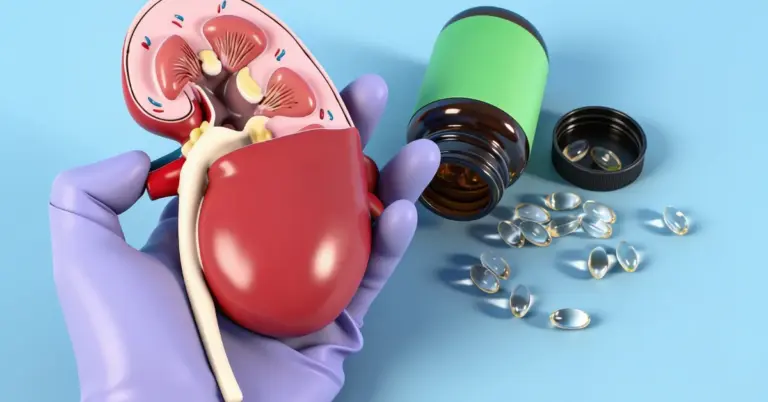
Medicines for kidney disease are drugs prescribed to protect your kidneys, control the conditions that damage them, and manage complications that come along the way. Most people with chronic kidney disease (CKD) also have high blood pressure, diabetes, or high cholesterol, and these need to be controlled to protect kidney function.

  • Why medications are needed: Kidneys filter waste from blood, and once they get damaged, the body struggles to remove toxins, extra fluid, and minerals on its own.
  • Treatment goals: Slow down damage, control blood pressure and sugar, and prevent complications like anaemia or weak bones.
  • Can medications cure kidney disease? No, most kidney disease medicines cannot cure the condition, but they can slow it down significantly and help you avoid dialysis for many years.

Types of Medications Used for Kidney Disease

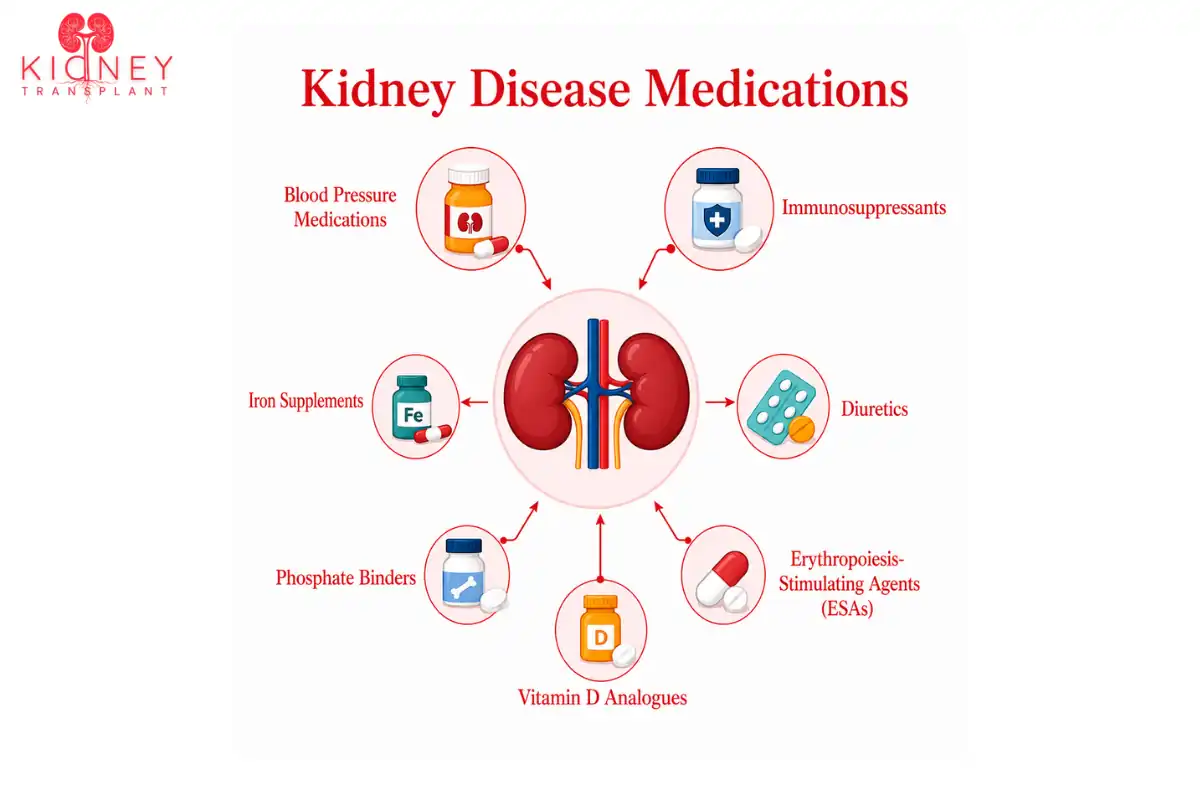
There are many medication options for managing kidney disease, and your doctor usually picks a combination based on your specific condition.

ACE Inhibitors

ACE inhibitors relax blood vessels and lower blood pressure, which reduces pressure inside the kidneys.

  • How they work: They block a hormone called angiotensin that narrows blood vessels.
  • Common examples: Ramipril, Enalapril, and Lisinopril.
  • Benefits: Slows kidney damage and reduces protein leakage in urine.
  • Possible side effects: Dry cough, dizziness, and higher potassium levels.

Angiotensin II Receptor Blockers (ARBs)

ARBs work similarly to ACE inhibitors but are often given to people who cannot tolerate the cough side effect.

  • Uses: Control blood pressure and protect kidney filters.
  • Benefits: Reduces protein in urine and slows CKD progression.
  • Side effects: Dizziness, fatigue, and elevated potassium.

SGLT2 Inhibitors

This newer class of kidney disease medicines has become a game changer for people with diabetes related kidney damage.

  • Kidney protection: Reduces pressure inside kidney filters and slows scarring.
  • Diabetes management: Lowers blood sugar by removing excess glucose through urine.
  • Benefits: Cuts down risk of kidney failure and heart related complications.

Finer none (Mineralocorticoid Receptor Antagonist)

Finer none is a relatively newer addition among medicines for kidney disease, especially for diabetic kidney patients.

  • Who can benefit: People with type 2 diabetes and chronic kidney disease.
  • How it protects the kidneys: Reduces inflammation and scarring inside kidney tissue, lowering the risk of kidney failure.

Diuretics (Water Pills)

Diuretics help remove extra fluid and salt from the body.

  • Reduce swelling: Helps with puffiness in legs, feet, and around the eyes.
  • Control blood pressure: Removing extra fluid lowers blood pressure naturally.

Diabetes Medications

Since diabetes is a leading cause of kidney damage, controlling sugar levels is essential.

  • Insulin: Used when oral medicines are not enough to control sugar.
  • GLP-1 receptor agonists: Help control sugar and support weight loss with added kidney benefits.
  • Other glucose lowering medicines: Metformin and other tablets, used carefully based on kidney function.

Statins

Statins are commonly added to medication options for managing kidney disease because heart health and kidney health go hand in hand.

  • Lower cholesterol: Reduces bad cholesterol buildup in blood vessels.
  • Reduce cardiovascular risk: Protects the heart, which is closely linked to kidney health.

Anemia Medications

Kidneys produce a hormone that helps make red blood cells, and damaged kidneys often cause anaemia.

  • Iron supplements: Corrects iron deficiency that worsens anemia.
  • Erythropoiesis stimulating agents (ESAs): Helps the body produce more red blood cells.

Vitamin D and Calcium Supplements

Kidney disease affects how the body absorbs calcium and vitamin D, weakening bones over time.

  • Bone health: Prevents bone thinning and fractures.
  • Mineral balance: Restores healthy calcium and phosphorus levels.

Phosphate Binders

These medicines to manage kidney disease stop extra phosphorus from being absorbed by the body.

  • Control phosphorus levels: Prevents bone and heart problems linked to high phosphorus.

Sodium Bicarbonate

  • Treat metabolic acidosis: Corrects the acid buildup in blood that often happens with poor kidney function.

Which Medication is Right for you?

There is no single answer, since kidney disease medicines are personalized. Your doctor considers:

  • CKD stage
  • Cause of kidney disease
  • eGFR (a measure of kidney function)
  • Blood pressure levels
  • Presence of diabetes
  • Other medical conditions
  • Whether combination therapy is needed

Medications to Avoid with Kidney Disease

Some common medicines can harm weakened kidneys further, so caution is important.

  • NSAIDs: Painkillers like ibuprofen can reduce blood flow to kidneys.
  • Certain antibiotics: Some antibiotics need dose adjustment or should be avoided.
  • Herbal supplements: Many are not tested for kidney safety and can cause harm.
  • Contrast dyes: Used in scans, these can worsen kidney function in some patients.
  • Over the counter medicines without medical advice: Always check with your doctor before taking anything new.

Medications Side Effects

While medicines for kidney disease are generally safe under medical supervision, side effects can occur.

  • Dizziness
  • Low blood pressure
  • High potassium levels
  • Dehydration
  • Frequent urination
  • Cough, mostly with ACE inhibitors
  • Allergic reactions in rare cases

Tips for Taking Medications Safely

  • Take medicines exactly as prescribed by your doctor.
  • Never skip or stop medicines without medical advice.
  • Attend regular blood tests to track kidney function.
  • Tell your doctor about all medicines and supplements you use.
  • Monitor kidney function regularly through eGFR and creatinine tests.

Lifestyle Changes That Support Medication

Managing kidney disease through medication works best when paired with healthy habits.

  • Follow a kidney friendly diet with controlled protein and salt.
  • Keep blood pressure under control.
  • Manage blood sugar levels consistently.
  • Stay physically active with regular exercise.
  • Maintain a healthy body weight.
  • Quit smoking for better kidney and heart health.
  • Limit salt intake in daily meals.

When to Contact your Doctor

Contact your doctor immediately if you experience any of the following after starting or taking kidney disease medications:

  • Sudden swelling in your legs, feet, hands, or face
  • Shortness of breath or difficulty breathing
  • Very little or no urine output
  • Chest pain or a rapid, irregular heartbeat
  • Severe dizziness, fainting, or confusion
  • Persistent nausea, vomiting, or severe weakness
  • Signs of an allergic reaction, such as rash, itching, or swelling of the lips, tongue, or throat
  • Muscle weakness or abnormal heart rhythm, which may indicate high potassium levels
  • Unexplained fever or signs of infection

Regular follow up appointments and blood tests are equally important to monitor your kidney function, adjust medication doses if needed, and help ensure your treatment remains safe and effective.

Conclusion

Living with kidney disease does not have to be confusing once you understand how each medicine plays its part in protecting your health. From ACE inhibitors to phosphate binders, every medication option for managing kidney disease has a specific job, whether that is controlling blood pressure, balancing minerals, or slowing damage. The key is working closely with your doctor, taking medicines exactly as prescribed, following a kidney friendly lifestyle, and never making changes on your own, because the right combination of medicines for kidney disease can genuinely help you protect your kidneys for years to come.

Frequently Asked Questions

There is no single medicine that works for everyone. Doctors usually combine blood pressure medicines, diabetes control, and newer drugs like SGLT2 inhibitors based on each patient’s stage and cause of kidney disease.

Medicines cannot completely stop kidney disease, but they can slow the progression significantly when combined with lifestyle changes and regular monitoring.

Common painkillers like NSAIDs are usually unsafe for kidney patients since they reduce blood flow to the kidneys. Always ask your doctor before taking any pain relief medicine.

Not always. In early stages, lifestyle changes alone may be enough, but as the disease progresses, medicines to manage kidney disease usually become necessary.

In some cases, especially when the damage is caught early, certain medicines can help stabilize or slightly improve kidney function, though full recovery is not always possible.

No data was found

Read Next

Recognize kidney transplant complications early to protect your health and
Know how kidney transplant life expectancy varies with proper care
Understand Life After Kidney Transplant with healthy habits for lasting
Discover how Kidney transplant surgery helps restore kidney function and
Learn about Kidney Transplant Procedure for safer treatment and better