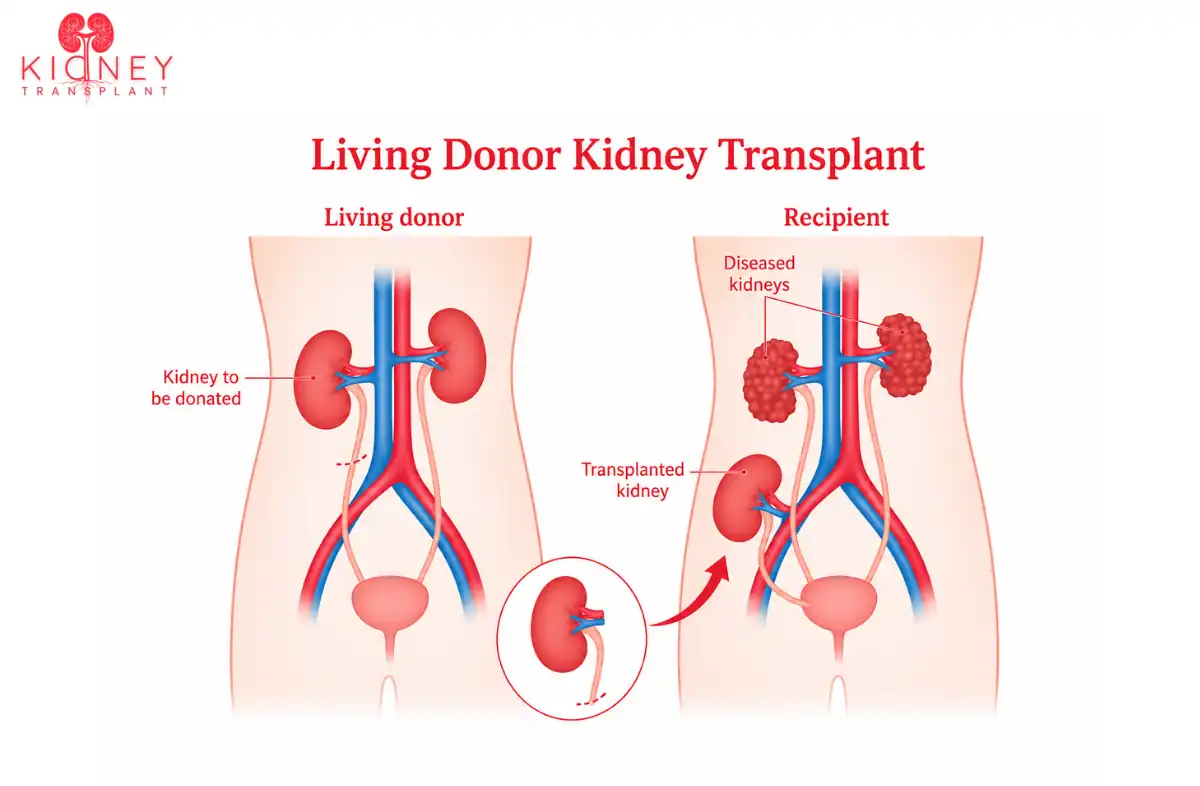
Becoming a living kidney donor is not a single appointment or one medical test it is a carefully structured journey designed to ensure that donation is safe, informed, and ethically appropriate. Unlike most surgical procedures, this operation involves someone who is already healthy. For that reason, transplant teams apply some of the strictest safety standards in medicine.
Comprehensive Medical Evaluation
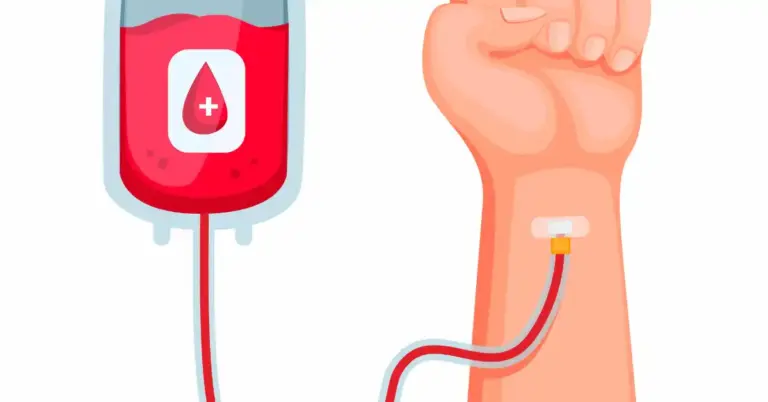
The process begins with a detailed assessment of the donor's overall health. Doctors review medical history, previous illnesses, medications, family history, and lifestyle habits to identify anything that could increase future health risks. This evaluation is not intended to exclude people unnecessarily; rather, it ensures that donating a kidney will not compromise the donor's long term well being.
Compatibility Testing
Once general health has been assessed, doctors evaluate whether the donor and recipient are medically compatible.
Testing commonly includes:
- Blood group (ABO) compatibility.
- Tissue typing (HLA matching).
- Crossmatch testing to detect antibodies.
- Additional immunological testing when required.
Advances in transplant medicine now allow many successful transplants even when compatibility is not perfect, thanks to specialized treatment protocols and paired donation programs.
Assessing Kidney Health
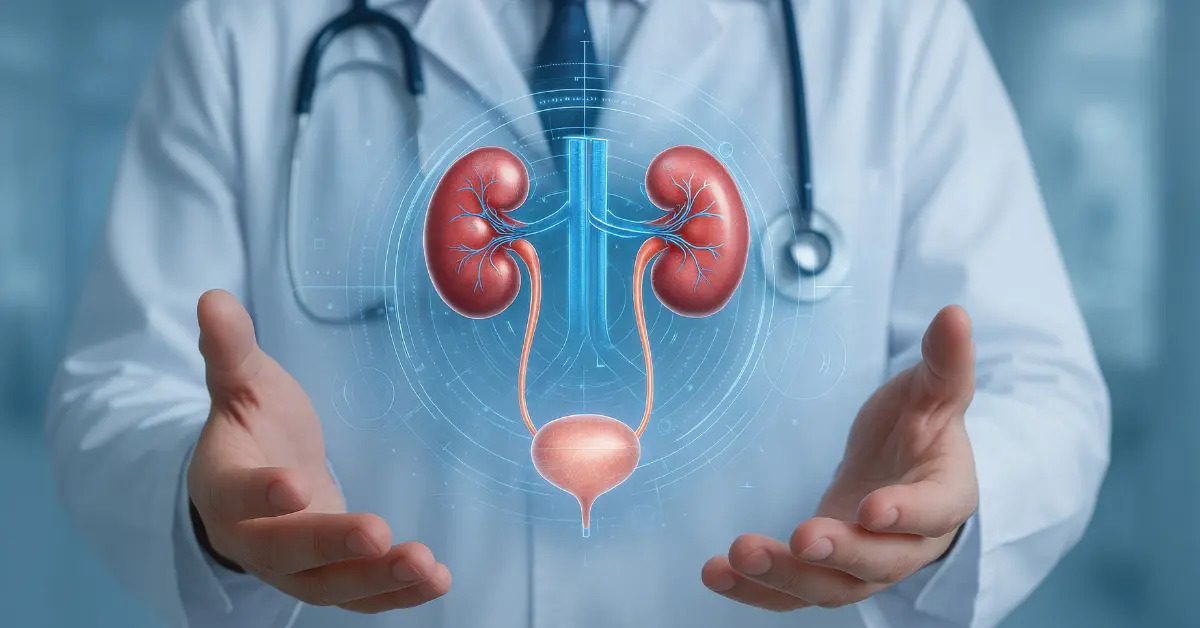
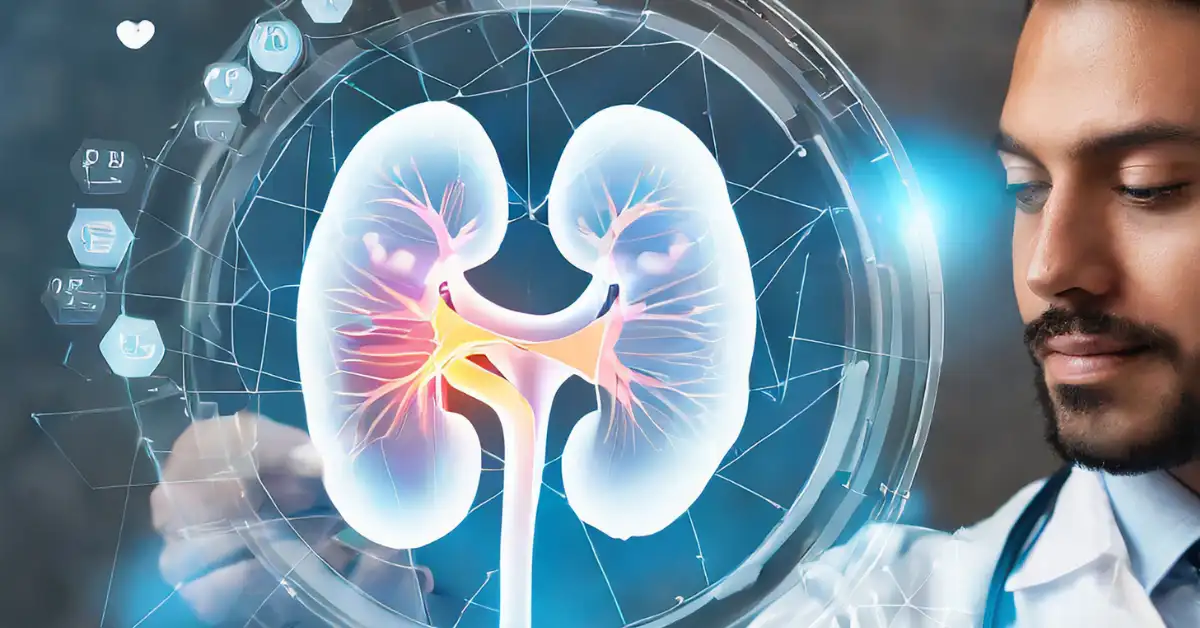
Protecting the donor begins with confirming that both kidneys are healthy enough to support lifelong function.
Doctors typically perform:
- Blood tests to measure kidney filtration.
- Urine tests to detect protein or hidden abnormalities.
- Glomerular filtration rate (GFR) assessment.
- CT or MRI scans to evaluate kidney anatomy and blood vessels.
- Functional imaging when individual kidney performance needs to be measured.
These investigations also help surgeons determine which kidney can be donated while preserving the strongest long term kidney function for the donor.
Expert Insight
One of the reasons living kidney donation has such an excellent safety record is that transplant teams are intentionally conservative. Even a small concern about a donor's future health may be enough to postpone or decline donation. Protecting a healthy individual is always considered the highest priority.
Looking Beyond Physical Health
Living donation is not only a medical decision it is also an emotional one.
Psychologists and transplant counselors work closely with potential donors to ensure they:
- Understand every stage of the donation process.
- Have realistic expectations about recovery.
- Feel emotionally prepared for surgery.
- Are making the decision voluntarily.
- Have adequate support from family or loved ones.
These conversations are not examinations to "pass or fail." Instead, they provide donors with a safe space to ask questions, express concerns, and make an informed decision without pressure.
Why the Evaluation is So Thorough
Some prospective donors wonder why the process involves so many tests and consultations.
The answer is simple: because healthy people deserve extraordinary protection.
Unlike surgery performed to treat disease, living kidney donation involves someone who has no illness requiring an operation. Every blood test, scan, consultation, and discussion exists for one purpose to ensure that generosity never comes at the cost of the donor's future health. This philosophy has helped make living kidney donation one of the safest and most carefully monitored procedures in modern healthcare.