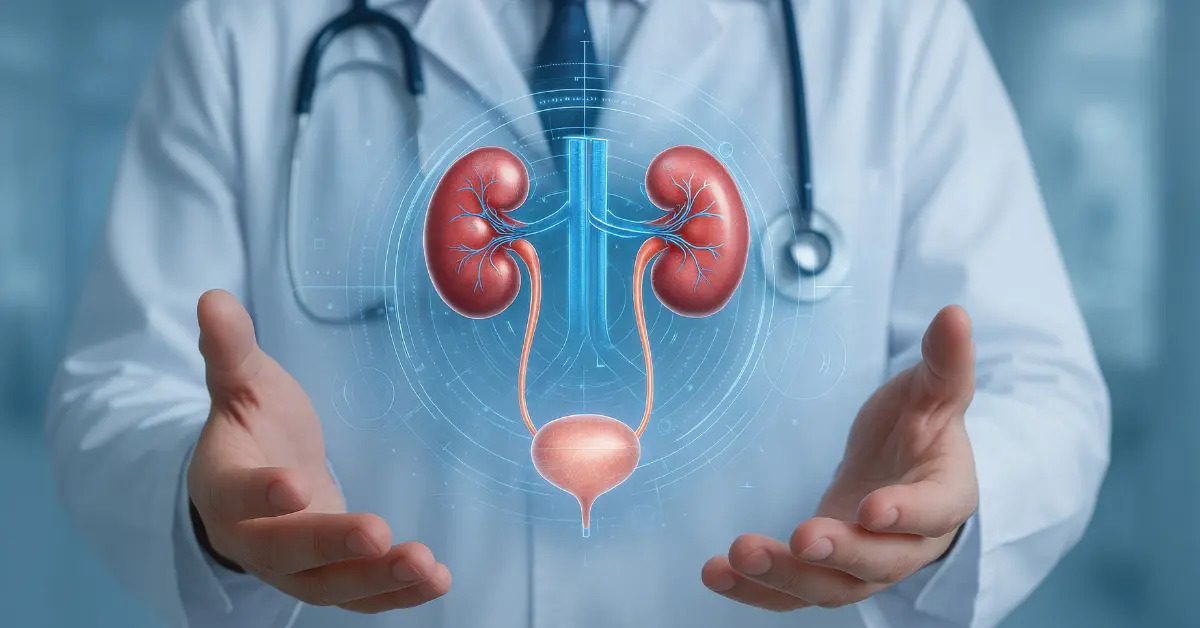
Healthy recovery starts with Living Donor Transplant through expert evaluation and personalized kidney transplant care.

Conditions Treated

Comprehensive medical care for a wide range of conditions, focused on recovery, symptom management, and long-term wellness.

Choosing to become a living kidney donor is unlike any other medical decision. It is not driven by illness or necessity, but by compassion, hope, and the desire to transform another person’s future. For someone living with kidney failure, a donated kidney can mean freedom from dialysis, renewed independence, and the chance to enjoy life’s everyday moments again. Yet for the donor, the journey often begins with questions rather than answers.

“Will I be healthy with one kidney?” “Is the surgery safe?” “Will my life change afterward?”

These concerns are completely natural, and modern transplant medicine is designed to address them with science, careful evaluation, and unwavering commitment to donor safety. Living kidney donation is one of the most thoroughly regulated areas of healthcare. Every step from the first medical assessment to long term follow up is focused on protecting the donor while giving the recipient the best possible chance at a healthier life. Understanding this journey not only eases uncertainty but also empowers potential donors to make informed, confident decisions based on facts rather than fear.

Understanding Living Donor Transplant

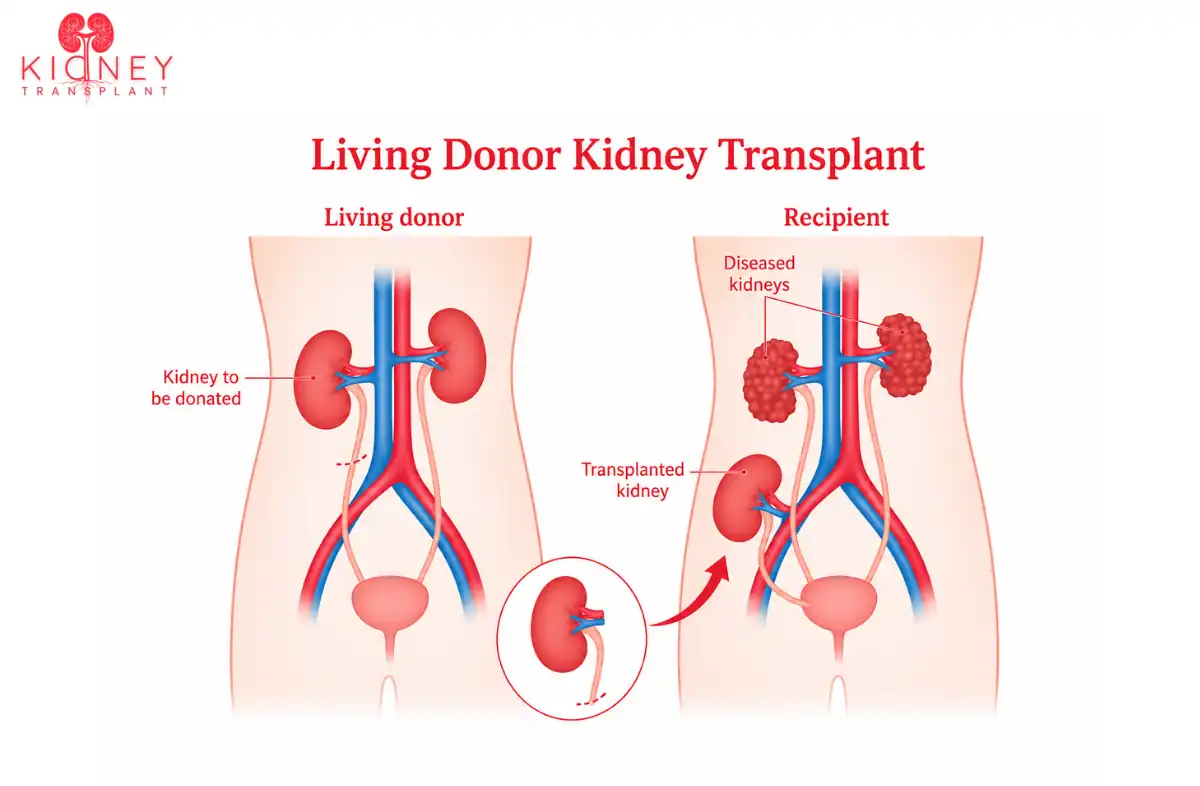
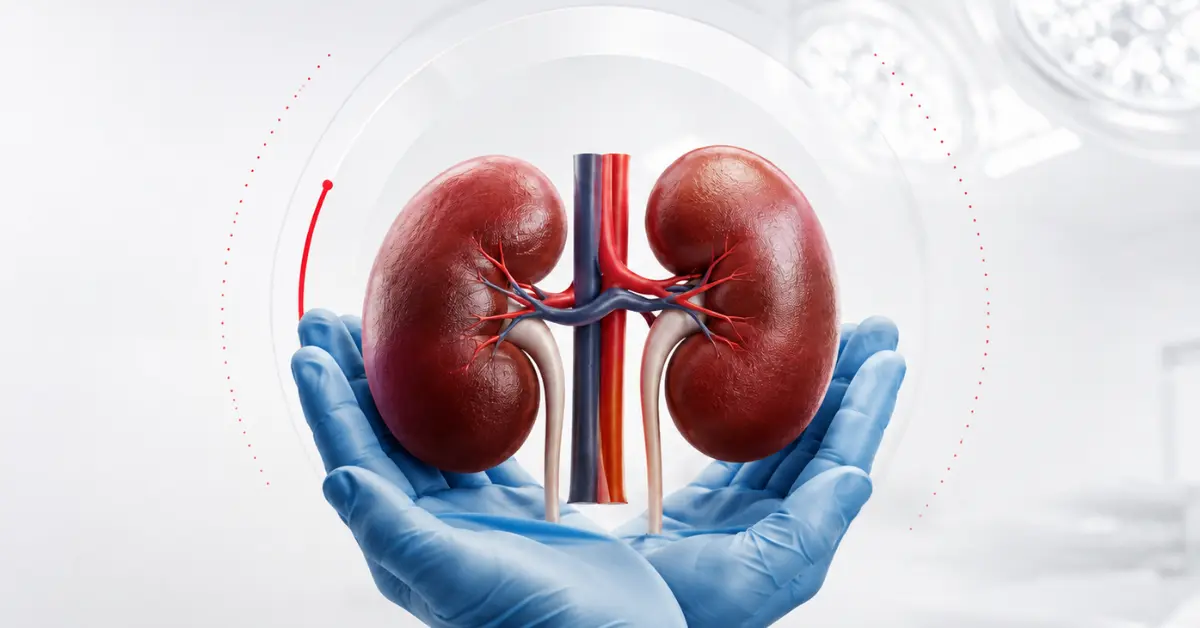
A living donor transplant is a procedure in which a healthy person voluntarily donates one of their kidneys to someone whose kidneys have permanently lost their ability to function. Unlike most organs in the human body, the kidneys offer a unique advantage. Because people are born with two kidneys, one healthy kidney is usually capable of performing the essential work needed to maintain normal health. This remarkable ability allows a carefully selected individual to donate one kidney while continuing to lead an active and fulfilling life.

For the recipient, receiving a kidney from a living donor often means avoiding years on a transplant waiting list. Since the kidney is transplanted soon after it is removed, it usually begins functioning quickly and has an excellent chance of providing long term benefits. What makes living donation truly unique, however, is that it protects two lives at once. While the recipient gains a second chance at better health, every aspect of the process is designed to ensure the donor remains healthy both immediately after surgery and for decades to come.

Why Living Donor Transplants are Better

For many people with advanced kidney disease, a living donor transplant is considered the preferred treatment option not because it is easier, but because it consistently offers better medical outcomes than remaining on long term dialysis or waiting for a deceased donor organ. The benefits extend far beyond the operating room.

Earlier Access to Treatment

One of the greatest challenges faced by people with kidney failure is the long wait for a deceased donor kidney. During this period, many individuals depend on dialysis, which can be physically demanding and may gradually affect overall health. A living donor transplant can often be planned much earlier, reducing the time spent waiting and allowing transplantation before additional complications develop.

Better Kidney Function After Surgery

Because the donated kidney spends very little time outside the body, it usually begins functioning more quickly after transplantation. This reduces the likelihood of delayed kidney function and contributes to a smoother recovery for many recipients.

Improved Long Term Success

Research consistently demonstrates that kidneys donated by living donors often function longer than those from deceased donors. Earlier transplantation combined with healthier donor organs contributes to better long term transplant outcomes.

Planned Rather Than Emergency Care

Unlike deceased donor transplantation, living donation allows doctors to schedule surgery at the most appropriate time for both donor and recipient.

This planned approach enables:

  • Better medical preparation for both individuals.
  • Reduced surgical stress.
  • Improved coordination between healthcare teams.
  • More predictable recovery planning for families.

Better Quality of Life

Perhaps the most meaningful benefit is the opportunity for recipients to return to a life that kidney failure may have interrupted spending time with family, pursuing careers, traveling, and enjoying everyday independence.

Expert Insight

Clinical evidence has consistently shown that living donor kidney transplantation offers some of the best long term outcomes for eligible patients with kidney failure. However, transplant specialists emphasize that these benefits are never pursued at the expense of donor safety. Every decision begins with one question: "Is donation safe for this healthy individual?"

Who Can Become a Living Kidney Donor?

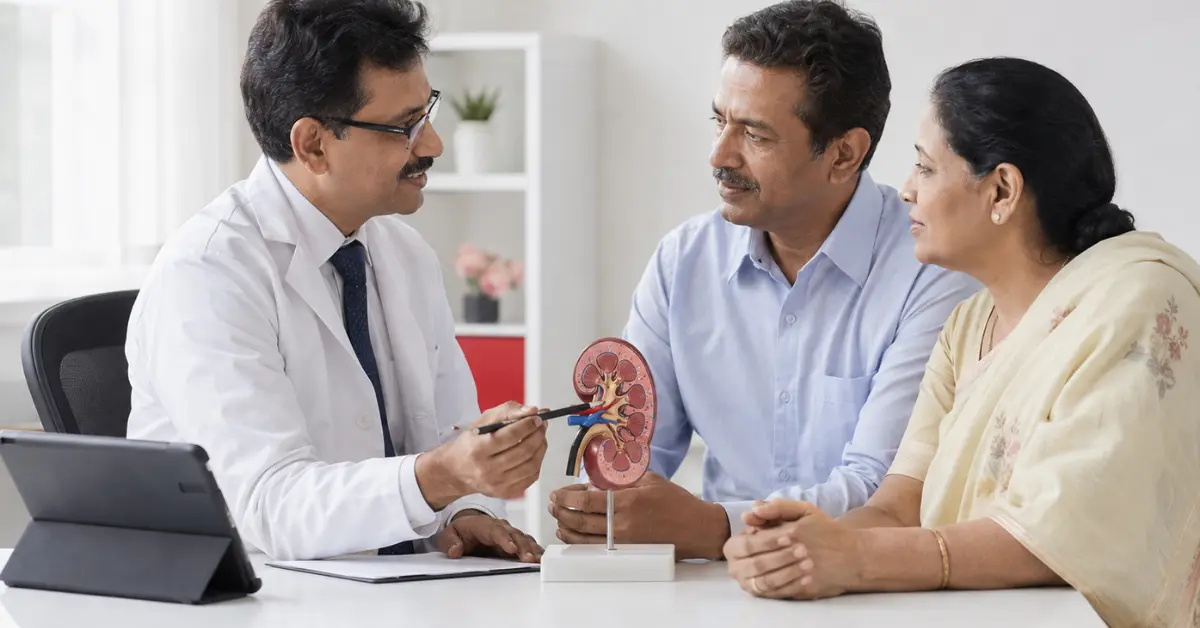
Many people assume that only young adults or close family members can donate a kidney. In reality, eligibility depends far more on overall health than on age or relationship. Before anyone is approved as a donor, transplant specialists perform an extensive evaluation to determine whether donation can be carried out safely.

A potential donor is generally expected to:

  • Be in Good Overall Physical Health, without significant medical conditions that could increase surgical or long term risks.
  • Have Healthy Kidney Function, confirmed through specialized blood tests, urine analysis, and imaging studies.
  • Maintain Well Controlled Blood Pressure and Blood Sugar, as uncontrolled hypertension or diabetes may increase future kidney risk.
  • Be Free From Active Infections or Untreated Cancers, ensuring both donor safety and recipient protection.
  • Demonstrate Emotional Readiness, fully understanding the responsibilities, recovery process, and possible risks associated with donation.
  • Choose to Donate Voluntarily, without pressure, coercion, or financial incentive.

Importantly, transplant teams do not simply ask whether someone can donate. They ask whether that person should donate from a long term health perspective. This careful approach explains why some willing volunteers may ultimately be advised against donation not because they lack generosity, but because protecting the donor always comes first.

Who Can Receive a Living Donor Kidney?

Living donation has evolved considerably over the years. Today, successful transplantation is no longer limited to immediate family members.

A living kidney donor may donate to:

Potential Recipient Eligible for Living Donation?
Parent ✔ Yes
Child ✔ Yes
Brother or Sister ✔ Yes
Spouse or Partner ✔ Yes
Relative ✔ Yes
Friend ✔ Yes
Coworker ✔ Yes
Anonymous Recipient ✔ Yes
Recipient Through Paired Kidney Exchange ✔ Yes

One of the most significant advances in transplant medicine is the development of paired kidney exchange programs. These programs help individuals who wish to donate but are not directly compatible with their intended recipient. By matching multiple donor recipient pairs, transplant centers can facilitate successful transplants that might otherwise never have been possible.

The Journey to Becoming a Living Donor

Becoming a living kidney donor is not a single appointment or one medical test it is a carefully structured journey designed to ensure that donation is safe, informed, and ethically appropriate. Unlike most surgical procedures, this operation involves someone who is already healthy. For that reason, transplant teams apply some of the strictest safety standards in medicine.

Comprehensive Medical Evaluation

The process begins with a detailed assessment of the donor's overall health. Doctors review medical history, previous illnesses, medications, family history, and lifestyle habits to identify anything that could increase future health risks. This evaluation is not intended to exclude people unnecessarily; rather, it ensures that donating a kidney will not compromise the donor's long term well being.

Compatibility Testing

Once general health has been assessed, doctors evaluate whether the donor and recipient are medically compatible.

Testing commonly includes:

  • Blood group (ABO) compatibility.
  • Tissue typing (HLA matching).
  • Crossmatch testing to detect antibodies.
  • Additional immunological testing when required.

Advances in transplant medicine now allow many successful transplants even when compatibility is not perfect, thanks to specialized treatment protocols and paired donation programs.

Assessing Kidney Health

Protecting the donor begins with confirming that both kidneys are healthy enough to support lifelong function.

Doctors typically perform:

  • Blood tests to measure kidney filtration.
  • Urine tests to detect protein or hidden abnormalities.
  • Glomerular filtration rate (GFR) assessment.
  • CT or MRI scans to evaluate kidney anatomy and blood vessels.
  • Functional imaging when individual kidney performance needs to be measured.

These investigations also help surgeons determine which kidney can be donated while preserving the strongest long term kidney function for the donor.

Expert Insight

One of the reasons living kidney donation has such an excellent safety record is that transplant teams are intentionally conservative. Even a small concern about a donor's future health may be enough to postpone or decline donation. Protecting a healthy individual is always considered the highest priority.

Looking Beyond Physical Health

Living donation is not only a medical decision it is also an emotional one.

Psychologists and transplant counselors work closely with potential donors to ensure they:

  • Understand every stage of the donation process.
  • Have realistic expectations about recovery.
  • Feel emotionally prepared for surgery.
  • Are making the decision voluntarily.
  • Have adequate support from family or loved ones.

These conversations are not examinations to "pass or fail." Instead, they provide donors with a safe space to ask questions, express concerns, and make an informed decision without pressure.

Why the Evaluation is So Thorough

Some prospective donors wonder why the process involves so many tests and consultations.

The answer is simple: because healthy people deserve extraordinary protection.

Unlike surgery performed to treat disease, living kidney donation involves someone who has no illness requiring an operation. Every blood test, scan, consultation, and discussion exists for one purpose to ensure that generosity never comes at the cost of the donor's future health. This philosophy has helped make living kidney donation one of the safest and most carefully monitored procedures in modern healthcare.

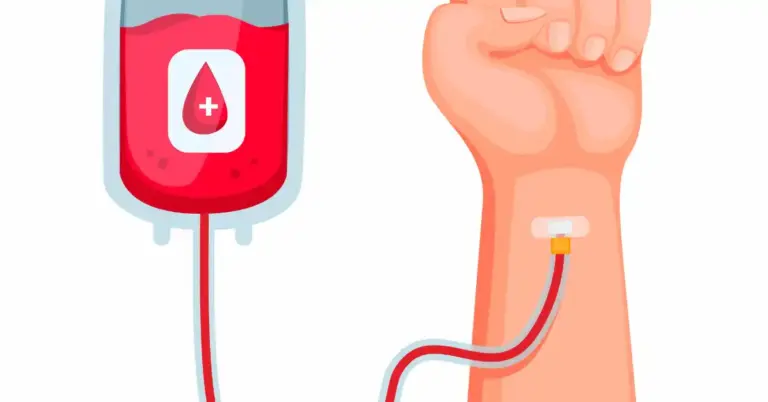
Life With One Kidney After Donation

For many potential donors, the biggest concern is not the surgery itself it's what comes afterward.

"Will I still be able to work?"

"Can I exercise?"

"Will donating affect my future health or life expectancy?"

These questions are both understandable and important. The reassuring news is that healthy individuals who are carefully selected for donation generally continue to live active, productive, and fulfilling lives with one kidney. After donation, the remaining kidney gradually adapts by increasing its filtering capacity to meet the body's needs. This natural process, known as compensatory adaptation, allows most donors to maintain normal kidney function without significant changes to their daily lives.

Many living donors return to demanding careers, enjoy sports, travel, start families, and pursue their personal goals just as they did before donation. Rather than limiting life, the experience often becomes a meaningful chapter that reinforces the value of health and the impact of helping another person. Living with one kidney does not mean living with constant restrictions. Instead, it means becoming more mindful of long term health through regular check ups, healthy habits, and preventive care.

Expert Insight

Extensive long term research has shown that carefully screened living kidney donors generally experience life expectancy and quality of life comparable to the general population. The reason is simple only individuals with excellent overall health and kidney function are approved for donation, and ongoing medical follow up helps safeguard their future well being.

What to Expect on the Day of Donation

After weeks or even months of evaluation, the day of donation arrives with a mixture of anticipation, nervousness, and hope. While every transplant center follows its own protocols, the overall experience is carefully planned to ensure both safety and comfort.

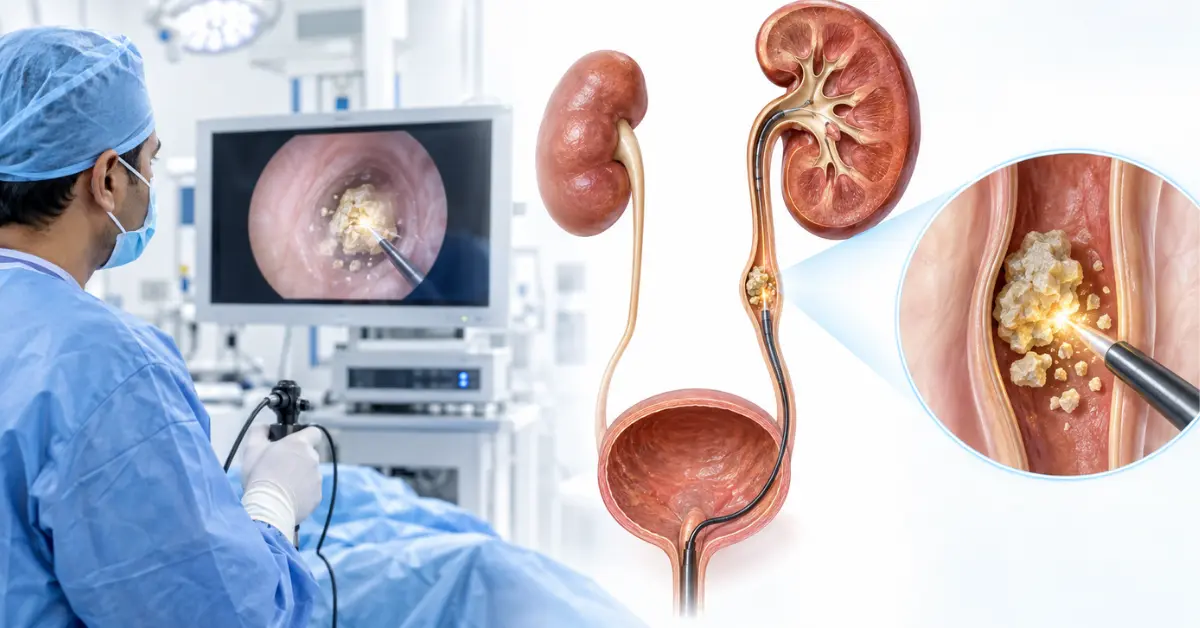
Before surgery, the transplant team performs a final review of the donor's health, explains each step of the procedure, and answers any remaining questions. Once under general anesthesia, the kidney is removed using a minimally invasive laparoscopic technique in most cases.

Compared with traditional open surgery, laparoscopic donation offers several important advantages:

  • Smaller Incisions, resulting in less postoperative pain and minimal scarring.
  • Reduced Blood Loss, lowering the risk of surgical complications.
  • Shorter Hospital Stays, allowing many donors to return home within a few days.
  • Faster Recovery, making it easier to resume everyday activities.
  • Lower Risk of Wound Related Complications, including infection and delayed healing.

Immediately after removal, the donated kidney is carefully preserved and transplanted into the recipient, where it often begins functioning shortly after blood flow is restored. Although this is a major surgical procedure, modern anesthesia, advanced surgical techniques, and continuous monitoring have made living kidney donation safer than ever before.

Recovery: Healing Is a Journey, Not a Race

Recovery after donation is gradual, and no two people heal in exactly the same way. Some donors regain their usual energy within a few weeks, while others need more time before they feel completely back to normal. The important thing to remember is that recovery is measured not by speed, but by steady progress.

Recovery Stage What you Can Expect
First 2 to 3 Days Hospital monitoring, pain management, early walking, and gradual return to eating and drinking.
Weeks 2 to 4 Increased mobility, improving energy levels, and return to light household activities.
Weeks 4 to 8 Many donors return to work depending on their occupation and individual recovery.
After 2 to 3 Months Most individuals resume regular exercise and daily routines with medical approval.

During this period, healthcare providers encourage gentle movement as soon as it is safe. Walking promotes circulation, reduces the risk of blood clots, supports lung function, and contributes to faster recovery. Equally important is listening to your body. Fatigue during the first few weeks is common and should not be viewed as a setback. Giving yourself time to heal is an essential part of the donation journey.

Protecting your Remaining Kidney

Donating a kidney does not require an entirely new lifestyle, but it does make healthy habits even more valuable. Your remaining kidney is fully capable of supporting a normal life, and taking care of it helps preserve that function for decades.

Maintain a Balanced Diet

A nutritious diet supports both kidney health and overall well being.

Focus on:

  • Plenty of fruits and vegetables rich in vitamins and antioxidants.
  • Whole grains that provide sustained energy and dietary fiber.
  • Lean protein sources such as fish, poultry, legumes, and low fat dairy.
  • Healthy fats from nuts, seeds, and olive oil.
  • Limiting processed foods, excessive salt, and sugary drinks that may contribute to high blood pressure and obesity.

Rather than following restrictive diets, most donors benefit from balanced eating habits that also support heart health.

Stay Well Hydrated

Adequate hydration helps the kidneys efficiently filter waste products and maintain the body's fluid balance. While hydration needs vary from person to person, making water your primary beverage and avoiding prolonged dehydration particularly during hot weather, illness, or strenuous exercise is a simple yet effective way to support kidney health.

Keep Blood Pressure Under Control

High blood pressure is one of the leading causes of chronic kidney disease. Regular monitoring, maintaining a healthy weight, limiting salt intake, staying physically active, and following medical advice can significantly reduce future risk.

Stay Physically Active

Exercise benefits far more than the kidneys. It improves cardiovascular health, supports mental well being, helps maintain a healthy weight, and lowers the risk of conditions such as diabetes and hypertension. After complete recovery, most donors can safely enjoy walking, cycling, swimming, yoga, strength training, and many other forms of physical activity. Those involved in high impact contact sports should discuss protective measures with their healthcare provider.

Be Mindful of Medications

Certain medicines, particularly long term or frequent use of nonsteroidal anti inflammatory drugs (NSAIDs), may affect kidney function. Always inform healthcare providers that you are a living kidney donor before starting new medications or supplements.

Prioritize Regular Health Check Ups

Preventive healthcare remains one of the most important investments a donor can make.

Annual evaluations typically include:

  • Blood pressure monitoring
  • Kidney function blood tests
  • Urine protein assessment
  • Weight and general health review

These routine visits allow healthcare providers to identify potential concerns early often before symptoms develop.

Expert Insight

The best way to protect a donated kidney is by protecting the one that remains. Long term donor health depends less on special treatments and more on consistent preventive care, healthy daily habits, and regular medical follow up.

Understanding the Risks

No surgical procedure is entirely without risk, and living kidney donation is no exception. However, one of the reasons living donation has an excellent safety record is that every potential risk is carefully assessed long before surgery takes place.

Short term risks associated with donation may include:

  • Temporary pain around the surgical site.
  • Bleeding.
  • Infection.
  • Blood clots.
  • Reactions to anesthesia.
  • Fatigue during the recovery period.

Fortunately, serious complications are uncommon, particularly when donation is performed at experienced transplant centers. Long term complications directly related to kidney donation are also uncommon in carefully selected donors. Nevertheless, transplant programs continue to monitor donors after surgery because maintaining lifelong kidney health remains a shared responsibility between the donor and healthcare team. Understanding these risks is not intended to discourage donation it is intended to ensure that every decision is made with confidence, transparency, and realistic expectations.

The Patient Perspective

  • Every donor's experience is unique, but one theme appears consistently in long term follow up studies: many donors describe the decision as one of the most meaningful experiences of their lives. It is completely normal to feel anxious before surgery. Questions about recovery, work, family responsibilities, or the unknown often accompany even the most confident decision. These emotions do not reflect doubt they reflect the significance of the choice being made.
  • As recovery progresses, many donors report a growing sense of satisfaction knowing that their decision has given someone the opportunity to live free from dialysis, spend more time with loved ones, and reclaim everyday moments that illness had taken away. Of course, every journey is personal, and emotions can vary. This is why transplant programs continue to provide emotional support before and after donation, recognizing that caring for the donor extends well beyond the operating room.

Conclusion:

A living donor transplant is one of the rare moments in medicine where extraordinary science meets extraordinary humanity. Behind every successful transplant is not only surgical expertise but also the courage of a healthy individual who chooses to help someone facing the challenges of kidney failure. That choice is never taken lightly. It is supported by months of careful evaluation, honest conversations, and a healthcare team committed to protecting the donor every step of the way. Modern transplant medicine has made living donation safer than ever before, allowing many donors to continue living healthy, active lives while giving recipients the opportunity to reclaim theirs. Perhaps the greatest impact of living donation cannot be measured by laboratory results or medical statistics alone. It is found in birthdays celebrated without dialysis, parents who regain the energy to play with their children, careers resumed, dreams rediscovered, and families given more time together.

In the end, a donated kidney is more than an organ it is a lasting reminder that compassion has the power to transform lives. One decision creates hope for another person, while leaving the donor with something equally meaningful: the quiet knowledge that they made an extraordinary difference in someone else's future.

Frequently Asked Questions

Yes. Most carefully selected living kidney donors return to normal work, exercise, travel, and family life after recovery. Maintaining healthy habits and attending regular medical check ups help preserve long term kidney health.

Eligibility depends on overall physical and emotional health rather than age alone. Every potential donor undergoes comprehensive medical, psychological, and laboratory evaluations to ensure donation is safe.

Most donors resume light daily activities within a few weeks and return to work within 4 to 8 weeks, depending on their occupation and overall recovery. Complete healing may continue for several months.

For carefully selected donors, long term health risks are generally low. Routine follow up, blood pressure monitoring, and healthy lifestyle habits play an important role in protecting the remaining kidney.

Yes. Living kidney donation is possible between spouses, friends, coworkers, and even anonymous donors. Paired kidney exchange programs also help individuals who are not directly compatible with their intended recipient.

Absolutely. A potential donor has the right to withdraw from the donation process at any stage. This decision is respected confidentially, and donor autonomy remains a fundamental ethical principle in transplant medicine.

Learn about Kidney Transplant Procedure for safer treatment and better kidney health.
Recognize kidney transplant complications early to protect your health and recovery journey.

Read Next