

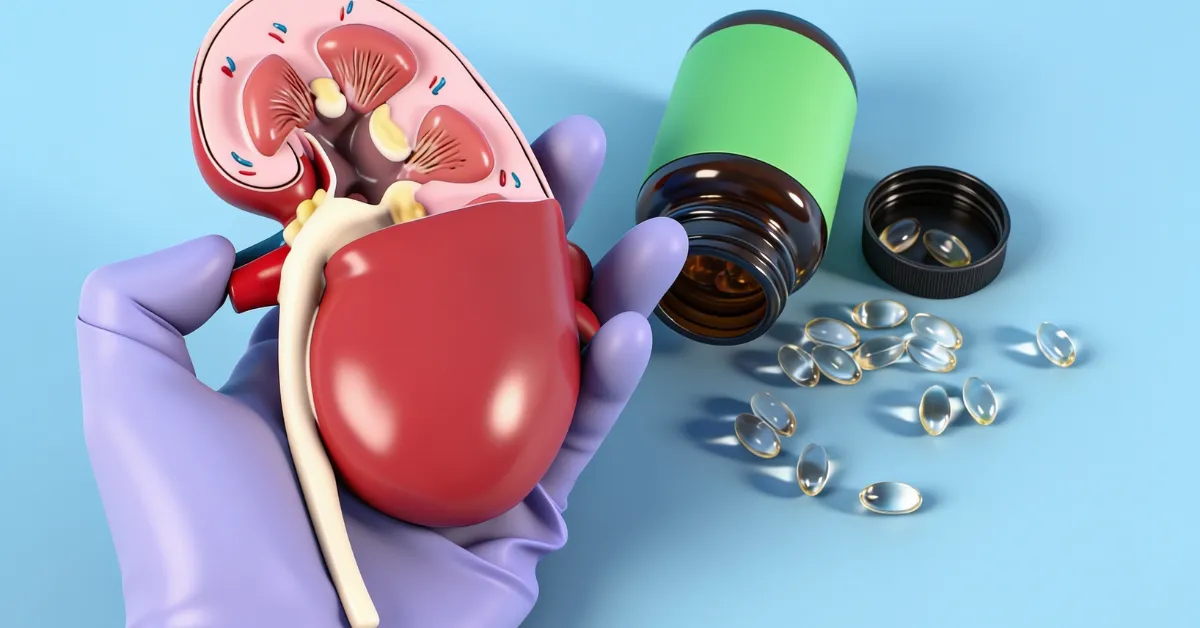
Learn the best kidney disease diet to support kidney health, manage symptoms, and improve overall well being.

Conditions Treated

Comprehensive medical care for a wide range of conditions, focused on recovery, symptom management, and long-term wellness.

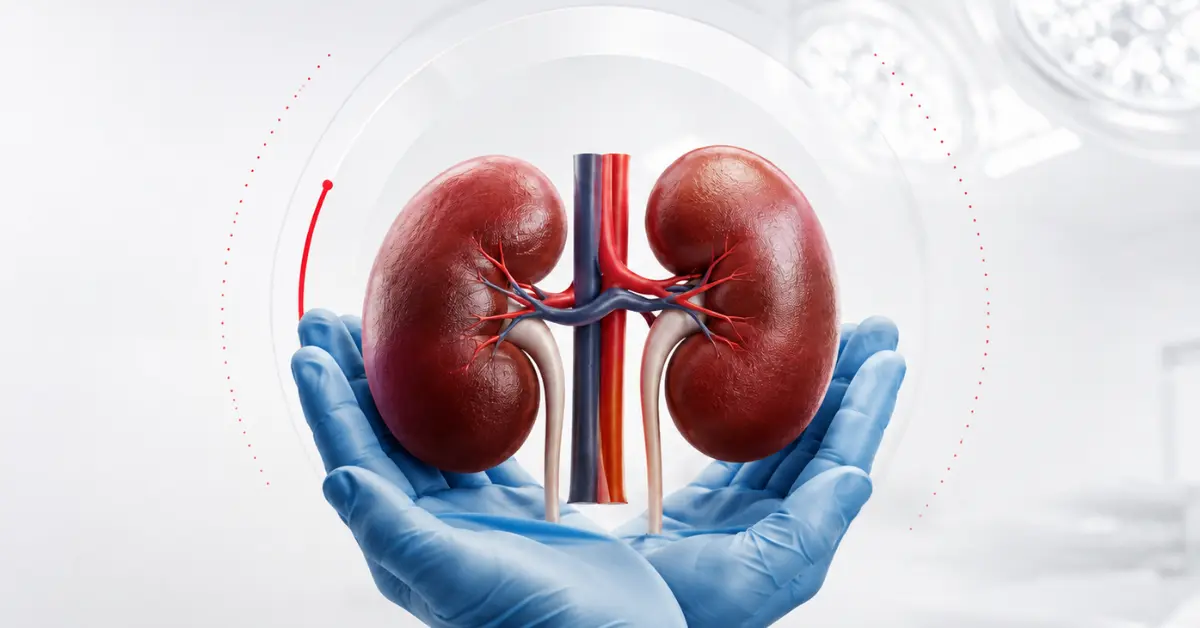
What you eat every day has a bigger impact on your kidneys than most people realise. A well planned kidney disease diet can slow down damage, ease symptoms, and even reduce the need for medicines in the long run. Nutrition plays a central role in chronic kidney disease because the kidneys are responsible for filtering out waste, extra fluid, and minerals from what you eat. When their function drops, certain foods start building up in the blood instead of leaving the body, which is why a proper kidney-friendly eating plan becomes so important. This guide walks you through exactly what to eat, what to limit, and how to make your daily meals work in favour of your kidneys.

Why Diet Matters in Kidney Disease

Healthy kidneys filter waste, balance minerals, and remove excess fluid without any trouble. But once kidney function declines, this filtering process slows down, and waste products like potassium, phosphorus, and sodium start piling up in the bloodstream.

  • How healthy kidneys process nutrients: They filter blood around the clock, removing toxins while keeping useful nutrients in the body.
  • What changes when kidney function declines: Waste and minerals build up, causing swelling, fatigue, and other complications.
  • Benefits of a kidney friendly eating plan: Reduces strain on kidneys, controls blood pressure, and slows disease progression.

Kidney Disease Diet Change by CKD Stage?

Yes, the kidney disease diet is not the same for everyone. It depends heavily on how much kidney function remains.

  • Stage 1 to 2: Mild changes are usually enough, focusing on reducing salt and staying active.
  • Stage 3: Protein, sodium, and phosphorus need closer attention.
  • Stage 4: Stricter control over potassium, phosphorus, and fluids is often required.
  • Stage 5 (non dialysis vs dialysis): Dialysis patients often need more protein, while non dialysis patients need less. Fluid limits also become stricter.
  • Why every patient's diet is different: Lab results, other health conditions, and body weight all influence the right plan for each person.

Nutrients you Need to Manage in Kidney Disease

Chronic kidney disease nutrition revolves around a few key nutrients that need careful balancing.

Sodium (Salt)

  • Why limit sodium: Too much salt raises blood pressure and causes fluid retention.
  • Daily recommendation: Most doctors suggest keeping sodium under 2000 mg per day.
  • Foods to eat: Fresh vegetables, fresh fruits, and home cooked meals with minimal added salt.
  • Foods to avoid: Pickles, papad, packaged sauces, and salted snacks.

Protein

  • Why protein matters: It helps repair tissues, but too much creates extra waste for kidneys to filter.
  • Too much vs too little: Excess protein burdens the kidneys, while too little can cause weakness and malnutrition.
  • Best protein sources: Eggs, fish, skinless chicken, and small portions of dairy, based on your doctor's advice.

Potassium

  • Why potassium may need restriction: High potassium can cause dangerous heart rhythm changes when kidneys cannot filter it properly.
  • High potassium foods: Bananas, oranges, potatoes, tomatoes, and coconut water.
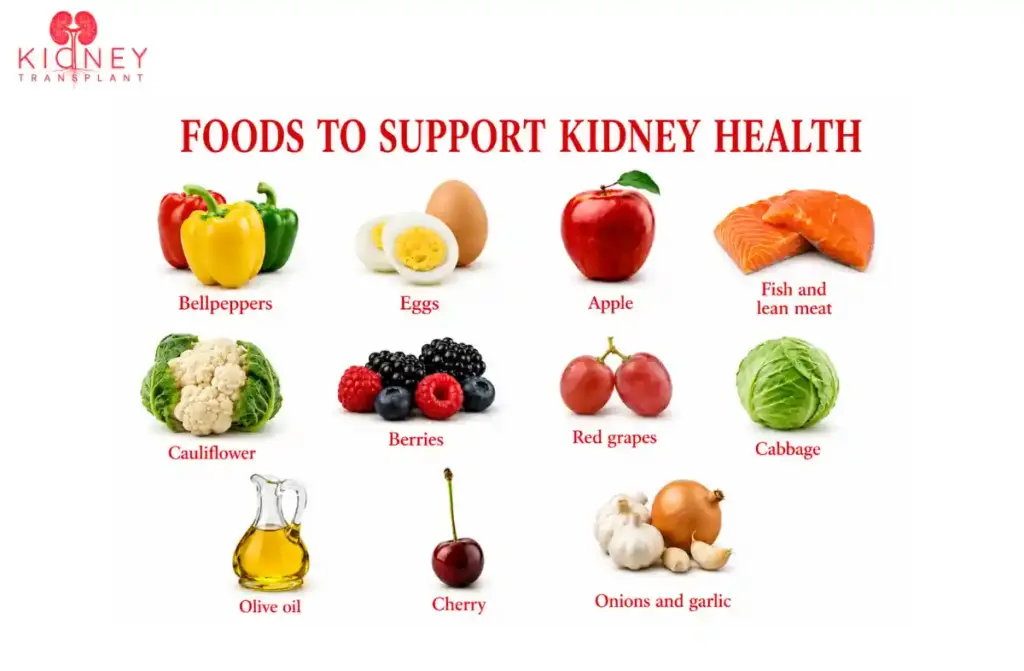
  • Low potassium alternatives: Apples, berries, cabbage, and cauliflower.

Phosphorus

  • Why phosphorus builds up: Damaged kidneys cannot remove extra phosphorus, weakening bones over time.
  • Foods high in phosphorus: Dairy products, nuts, seeds, and cola drinks.
  • Better choices: Rice milk, fresh fruits, and homemade meals without additives.

Calcium

  • Maintaining bone health: Calcium works alongside phosphorus control to keep bones strong.
  • Supplements and precautions: Only take calcium supplements if your doctor prescribes them, since excess calcium can be harmful.

Fluids

  • When fluid restriction is necessary: Usually in later stages or when swelling and breathlessness occur.
  • Tips for staying hydrated safely: Sip small amounts through the day and track total fluid intake, including soups and fruits.

Calories

  • Importance of maintaining a healthy weight: Enough calories prevent muscle loss and keep energy levels stable.
  • Preventing malnutrition: Include healthy fats and carbohydrates to meet daily energy needs without overloading protein.

Vitamins and Minerals

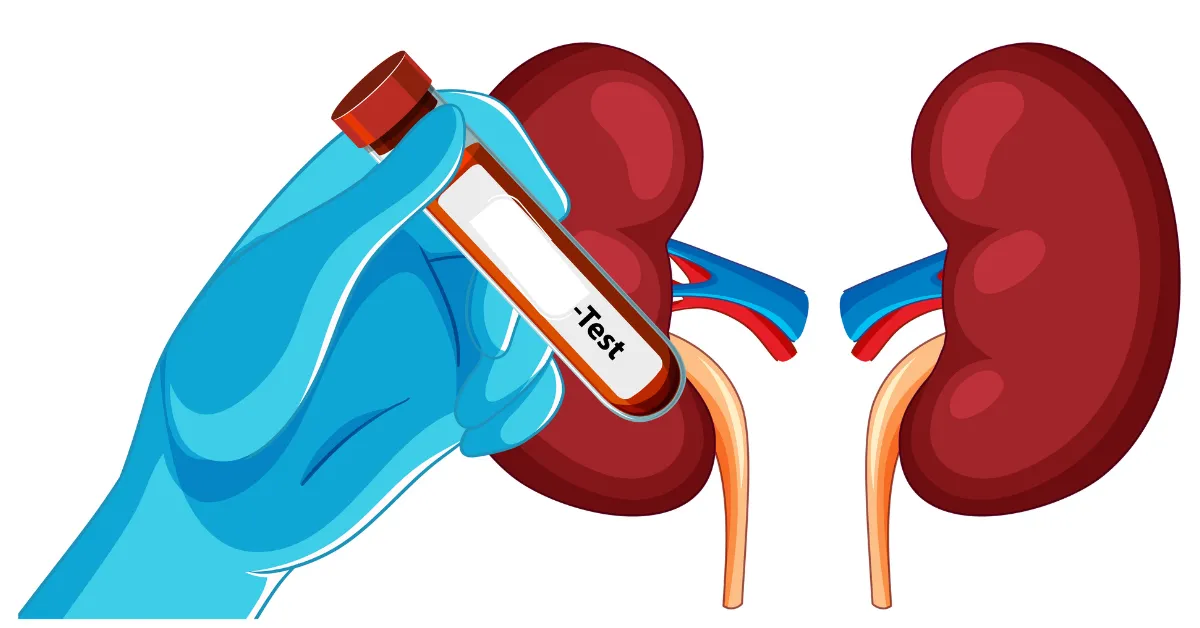
  • When supplements are needed: Some patients need vitamin D, B complex, or iron based on blood test results.
  • Supplements to avoid without medical advice: Herbal supplements and high dose multivitamins can be risky for kidney patients.

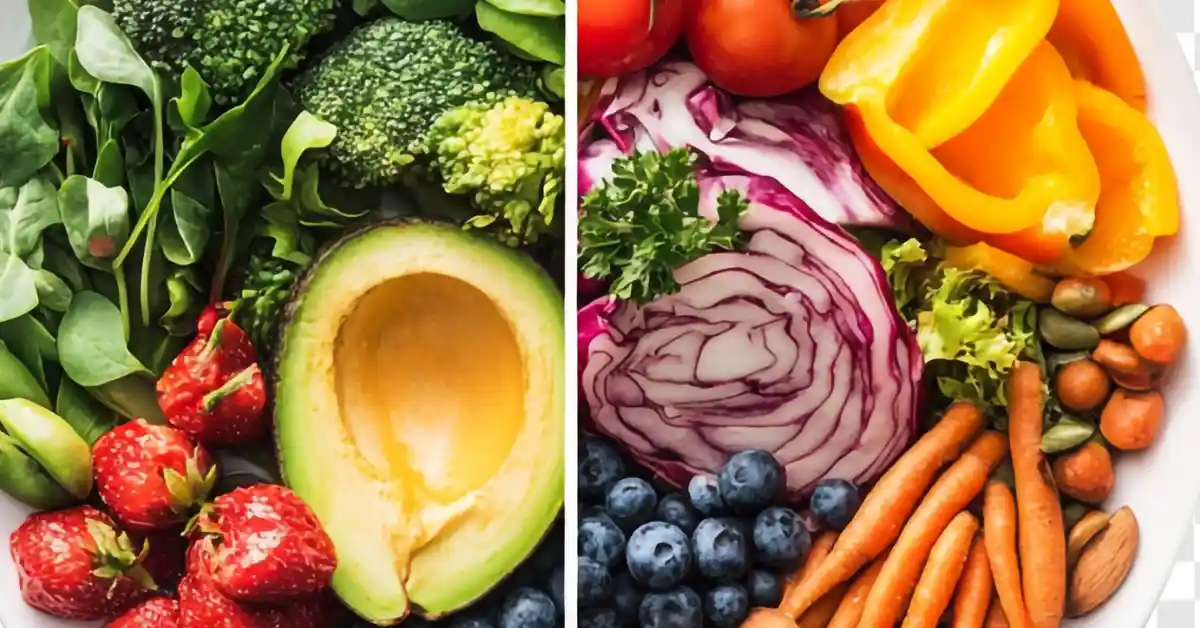
Best Foods for a Kidney Friendly Diet

A good kidney friendly eating plan includes a mix of the following:

  • Fruits: Apples, berries, grapes, and pineapple in moderate portions.
  • Vegetables: Cabbage, cauliflower, onions, and bell peppers.
  • Whole grains: Rice, oats, and unsalted whole wheat items.
  • Healthy proteins: Egg whites, fish, and skinless poultry.
  • Healthy fats: Olive oil and small amounts of nuts, if potassium and phosphorus allow.
  • Kidney friendly beverages: Plain water, herbal teas, and diluted fruit juices in controlled amounts.

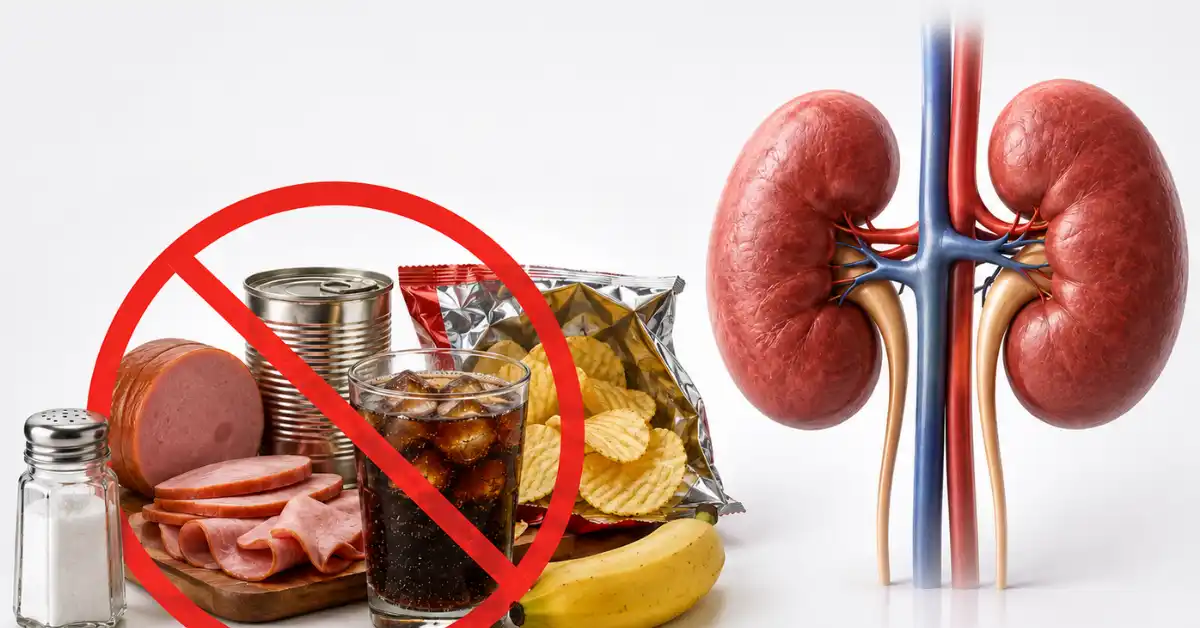
Foods to Limit or Avoid

  • Processed foods
  • Packaged snacks
  • Fast food
  • Processed meats like sausages and bacon
  • High sodium foods such as pickles and papad
  • High phosphorus foods like dairy and cola
  • High potassium foods if your doctor has advised restriction
  • Sugary drinks
  • Alcohol

Sample Kidney Friendly Meal Plan

  • Breakfast: Vegetable upma with low salt seasoning and a cup of tea without added sugar.
  • Mid morning Snack: A small apple or a handful of berries.
  • Lunch: Rice, dal in small portions, cabbage stir fry, and cucumber salad.
  • Evening Snack: Roasted makhana or a light homemade snack without added salt.
  • Dinner: Chapati with mixed vegetable curry and a small portion of fish or egg white.
  • Healthy Dessert (Optional): A few slices of watermelon or pineapple.

Practical Tips for Following a Kidney Diet

  • Read food labels carefully to check sodium, potassium, and phosphorus content.
  • Cook more meals at home to control ingredients.
  • Reduce salt naturally by using lemon, herbs, and spices instead.
  • Practice portion control, especially with protein and fruits.
  • Plan meals ahead so you are not tempted by processed food.
  • Stay physically active to support overall kidney health.
  • Track lab results regularly to adjust your diet as needed.

Can Special Diets Help Kidney Disease?

  • Mediterranean diet: Rich in vegetables, healthy fats, and lean protein, often beneficial for kidney and heart health.
  • DASH diet: Designed for blood pressure control, though it may need modification for potassium restriction.
  • Plant based eating: Can be gentle on kidneys but needs monitoring for protein and potassium levels.
  • When these diets need modification: Any general diet should be adjusted based on CKD stage and lab values, ideally with a dietitian's guidance.

Should you See a Renal Dietitian?

Working with a renal dietitian makes it much easier to follow a personalized kidney disease diet.

  • Benefits of personalized meal planning: Meals are tailored to your exact lab results and lifestyle.
  • How dietitians adjust diets based on lab tests: They monitor potassium, phosphorus, and protein levels regularly and modify your healthy eating for kidney patients plan accordingly.

When to Contact your Doctor

  • Sudden swelling in your feet, ankles, hands, or face
  • Shortness of breath or difficulty breathing
  • Very little or no urine output
  • Persistent vomiting or inability to keep food down
  • Severe weakness or extreme fatigue
  • An irregular or rapid heartbeat
  • Confusion, drowsiness, or difficulty concentrating
  • Rapid weight gain caused by fluid retention

These symptoms may indicate that your kidney condition is worsening or that your current diet or treatment plan needs urgent medical attention. Seek medical advice promptly to help prevent serious complications.

Conclusion

Following the right kidney disease diet is one of the simplest yet most powerful ways to protect your kidneys and slow down further damage. By paying attention to sodium, protein, potassium, and phosphorus, and by choosing fresh, home cooked meals over processed foods, you give your kidneys the support they need every single day. Pairing this kidney friendly eating plan with regular checkups, lab tests, and guidance from a renal dietitian ensures your nutrition stays aligned with your changing kidney health, helping you feel stronger and more in control of your wellbeing.

Frequently Asked Questions

Fresh vegetables, low-potassium fruits, lean proteins, and home cooked meals with minimal salt are generally considered best, though individual needs vary by lab results.

In early stages, diet changes can make a big difference, but most patients still need medicines alongside a proper kidney disease diet as the condition progresses.

This depends on the stage of kidney disease and whether you are on dialysis. Your doctor will give a specific fluid limit based on your condition.

Bananas are high in potassium, so people with potassium restrictions should limit or avoid them unless their doctor says otherwise.

Yes, excess protein can put extra strain on damaged kidneys, so most patients are advised to eat moderate, controlled portions of protein.

No data was found

Read Next

Recognize kidney transplant complications early to protect your health and
Know how kidney transplant life expectancy varies with proper care
Understand Life After Kidney Transplant with healthy habits for lasting
Discover how Kidney transplant surgery helps restore kidney function and
Learn about Kidney Transplant Procedure for safer treatment and better