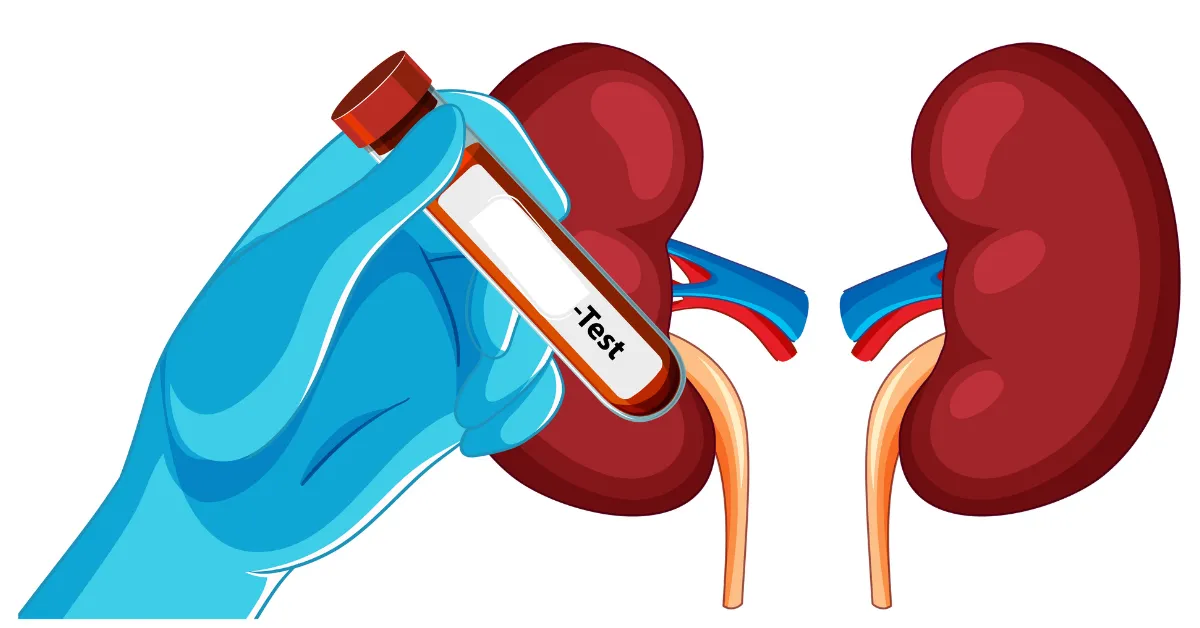
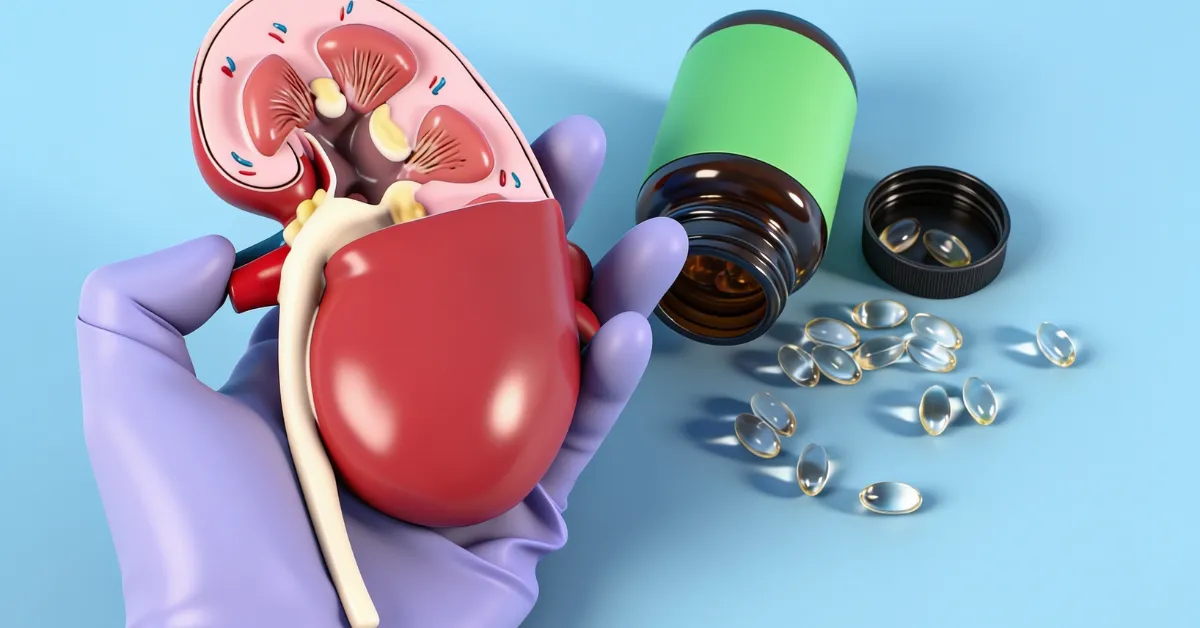
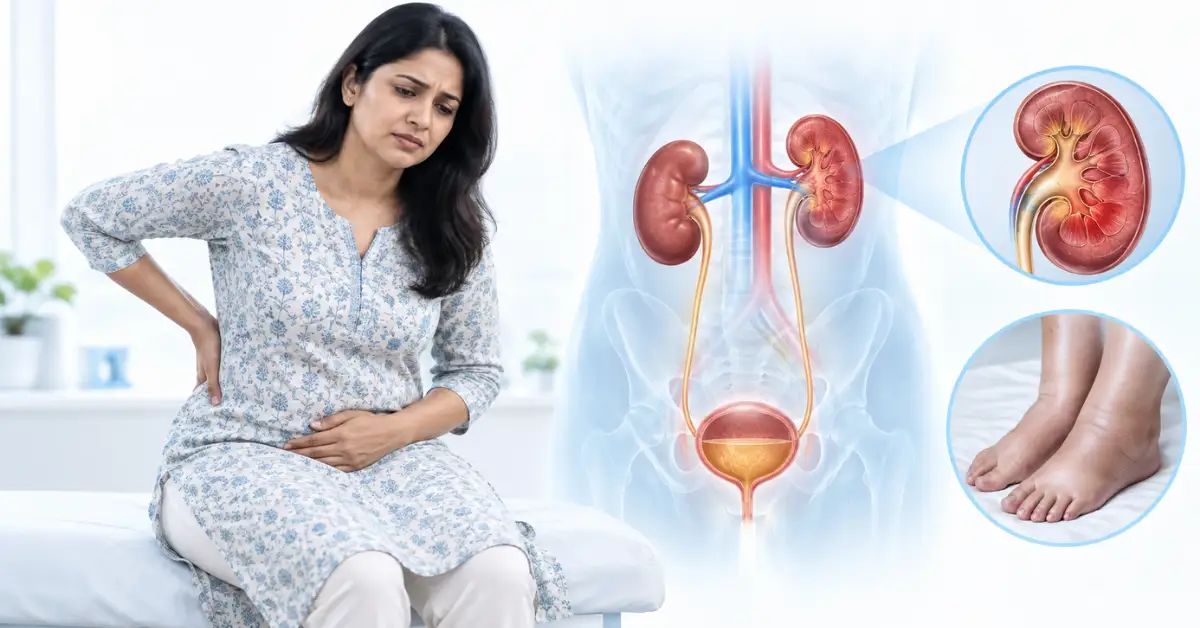
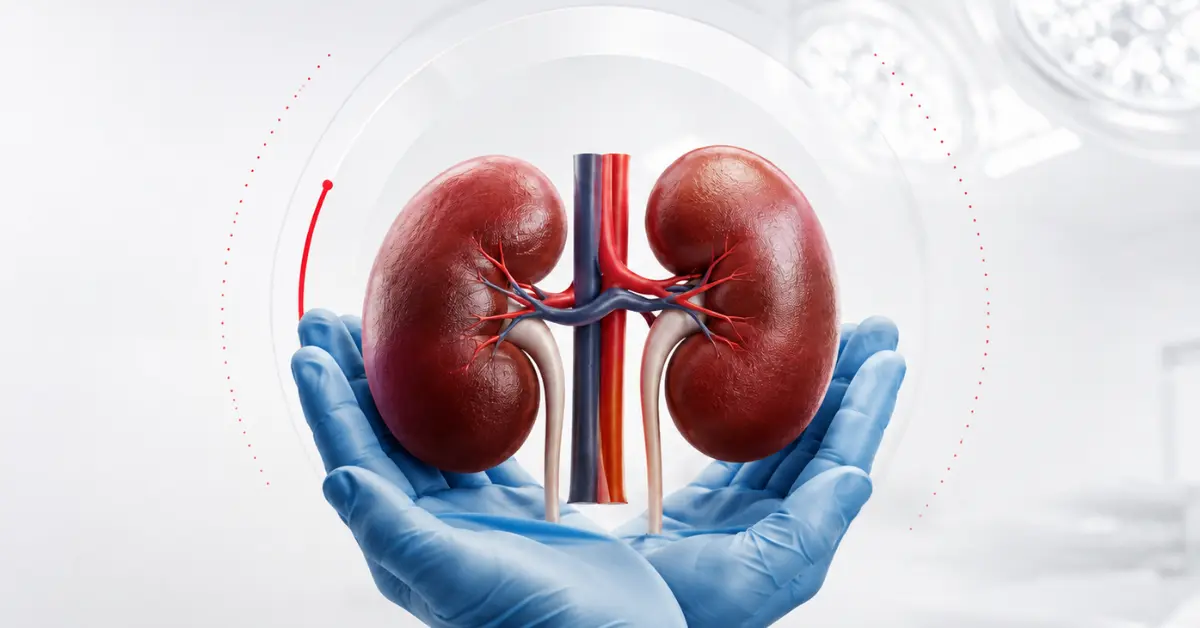
Early diagnosis of Glomerular Diseases helps preserve kidney function and supports timely, effective treatment.

Conditions Treated

Comprehensive medical care for a wide range of conditions, focused on recovery, symptom management, and long-term wellness.

Your kidneys work behind the scenes 24/7, and most of us never think about them until something feels off. Glomerular diseases are a group of kidney conditions that quietly affect millions of people, often without obvious warning signs in the early stages. Healthy kidney function keeps your blood clean, your fluid levels balanced, and your blood pressure in check, so when the glomeruli (the kidney’s tiny filters) get damaged, it throws off a lot more than just your pee. Left unchecked, glomerular diseases can snowball into serious complications, which is exactly why early diagnosis and treatment matter so much. The good news is that with the right glomerular disease care, most people can preserve kidney function and avoid the worst outcomes.

What are Glomerular Diseases?

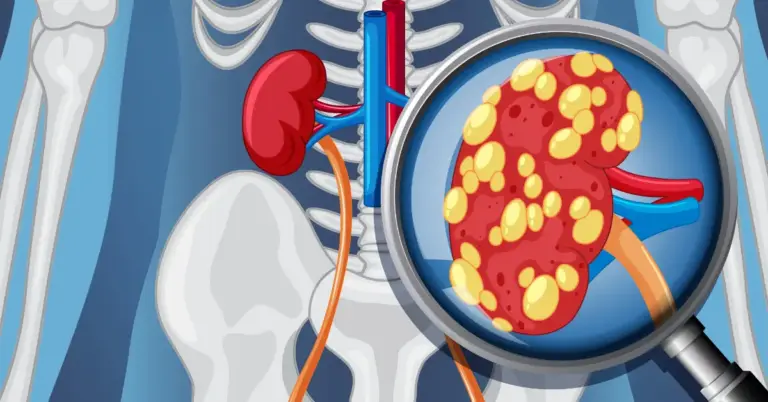
  • Glomerular diseases are a group of conditions that damage the glomeruli the microscopic filtering units inside your kidneys
  • Glomeruli are responsible for removing waste and extra fluid from your blood; each kidney has about a million of them
  • When glomeruli get inflamed, scarred, or damaged, they either leak substances they shouldn't (like protein or blood) or stop filtering properly
  • Acute glomerular diseases come on suddenly, often after an infection, and may resolve with treatment
  • Chronic glomerular diseases develop slowly over months or years and usually need long term management
  • Early diagnosis matters because it gives you a better shot at preserving kidney function before permanent damage sets in

Types of Glomerular Diseases

There isn't just one version of this condition glomerular diseases show up in several distinct forms, each with its own triggers and treatment path.

Glomerulonephritis

  • Inflammation of the glomeruli and one of the most common glomerular diseases overall
  • Acute form often follows an infection like strep throat
  • Chronic form develops gradually and can go unnoticed for years
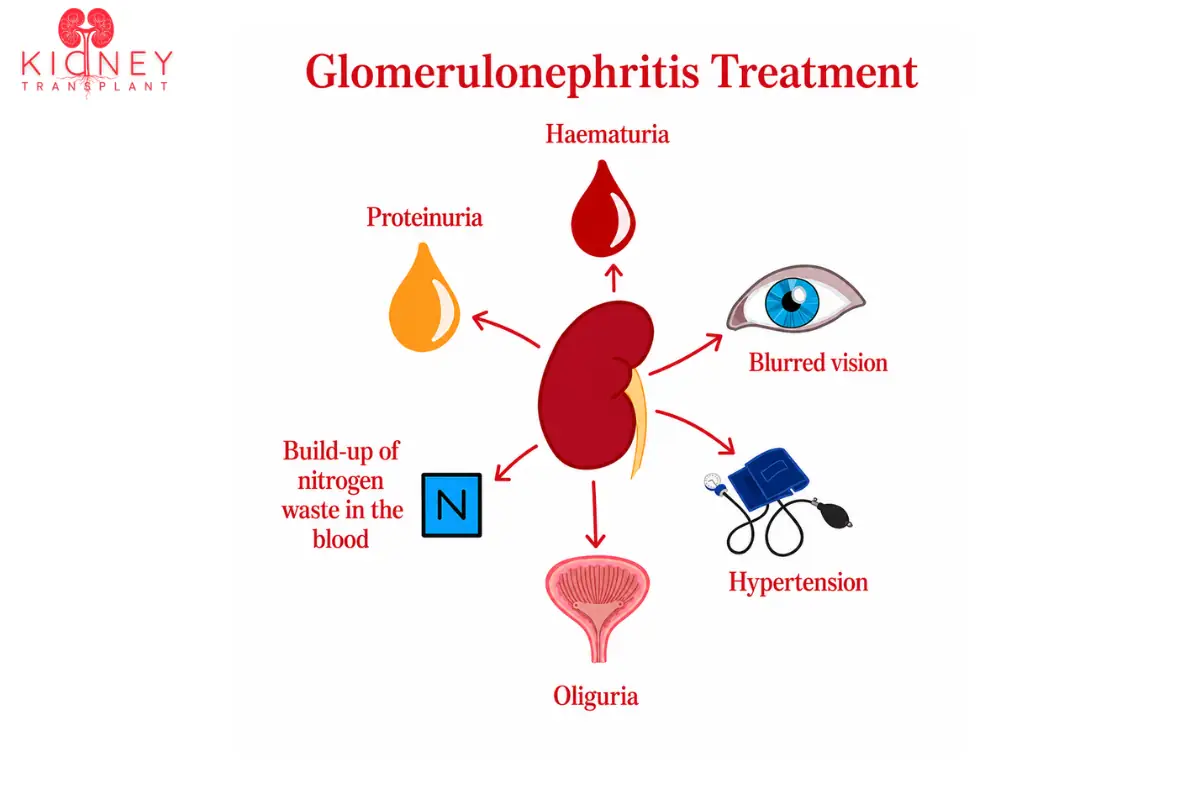
  • Common symptoms: swelling, foamy or bloody urine, high blood pressure
  • Possible complications: permanent kidney scarring and progressive loss of function

Nephrotic Syndrome

  • A cluster of symptoms rather than a single disease
  • Caused by damage to the glomeruli's filtering barrier
  • Marked by heavy protein loss in urine, low blood protein, swelling, and high cholesterol

IgA Nephropathy

  • One of the most common glomerular diseases worldwide
  • Happens when an antibody called IgA builds up in the kidneys
  • Triggers inflammation and gradual kidney damage over time

Focal Segmental Glomerulosclerosis (FSGS)

  • Causes scarring in parts of the glomeruli
  • Often leads to significant protein loss in the urine
  • Can progress to gradual kidney decline in some cases

Membranous Nephropathy

  • Involves thickening of the glomerular membrane
  • Usually triggered by an autoimmune reaction
  • A leading cause of nephrotic syndrome in adults

Minimal Change Disease

  • Most common in children
  • Causes sudden, heavy protein loss in urine
  • Kidney tissue often looks nearly normal under a microscope

Lupus Nephritis

  • A complication of lupus
  • Occurs when the immune system attacks the kidneys directly
  • Considered one of the more serious autoimmune related glomerular diseases

Causes of Glomerular Diseases

Autoimmune Diseases

  • Conditions like lupus and IgA nephropathy involve the immune system mistakenly attacking kidney tissue

Diabetes

  • High blood sugar damages the tiny blood vessels in the glomeruli over time
  • One of the top causes of glomerular kidney disease globally

Infections

  • Bacterial and viral infections, including strep and hepatitis, can trigger immune responses that inflame the kidneys

High Blood Pressure

  • Uncontrolled hypertension puts constant strain on the glomeruli
  • Gradually wears down their filtering ability

Genetic Disorders

  • Some glomerular diseases, like Alport syndrome, are inherited
  • Symptoms can show up from childhood

Certain Medications and Toxins

  • Long term use of NSAIDs can damage kidney filters
  • Exposure to certain toxins is also linked to kidney damage

Unknown (Idiopathic) Causes

  • Sometimes doctors can't pinpoint an exact trigger
  • These cases are labeled idiopathic

Risk Factors for Glomerular Kidney Disease

Certain factors make you more likely to develop glomerular kidney disease:

  • Diabetes
  • High blood pressure
  • Family history of kidney disease
  • Autoimmune disorders
  • Chronic infections
  • Obesity
  • Smoking
  • Older age
  • Long term use of certain medications

Knowing your risk profile can help you catch glomerular kidney disease earlier, before symptoms become severe.

Symptoms of Glomerular Diseases

The symptoms of glomerular diseases can be subtle at first, but common signs include:

  • Swelling in the face, hands, legs, or feet
  • Foamy urine
  • Blood in the urine
  • Reduced urine output
  • High blood pressure
  • Fatigue
  • Weight gain due to fluid retention
  • Loss of appetite
  • Nausea and vomiting
  • Shortness of breath

If several of these show up together, it's worth getting checked rather than brushing it off.

Complications of Glomerular Diseases

Ignoring glomerular diseases for too long can lead to:

  • Chronic kidney disease (CKD)
  • Kidney failure
  • Nephrotic syndrome
  • Persistent high blood pressure
  • Fluid retention and swelling
  • Electrolyte imbalance
  • Increased risk of cardiovascular disease
  • Need for dialysis or kidney transplant

This is exactly why staying on top of symptoms and screenings matters so much.

Glomerulonephritis Diagnosis and Treatment

Early Glomerulonephritis Diagnosis & Treatment is essential to protect kidney function, reduce complications, and slow the progression of Glomerular Diseases. After identifying the underlying cause and assessing the severity of kidney damage, doctors create a personalized treatment plan based on your overall health and kidney function.

  • Medical History and Physical Examination: Your doctor reviews your symptoms, medical history, recent infections, medications, and family history of kidney disease. A physical examination checks for swelling, fluid retention, and high blood pressure.
  • Urine Tests: Urinalysis helps detect protein, blood, or abnormal cells in the urine, which are common signs of glomerular damage and kidney inflammation.
  • Blood Tests: Blood tests measure creatinine, blood urea nitrogen (BUN), electrolyte levels, and other markers to evaluate how well your kidneys are functioning.
  • Kidney Function Tests: Tests such as the estimated Glomerular Filtration Rate (eGFR) help determine the stage of kidney disease and monitor the kidneys' ability to filter waste from the blood.
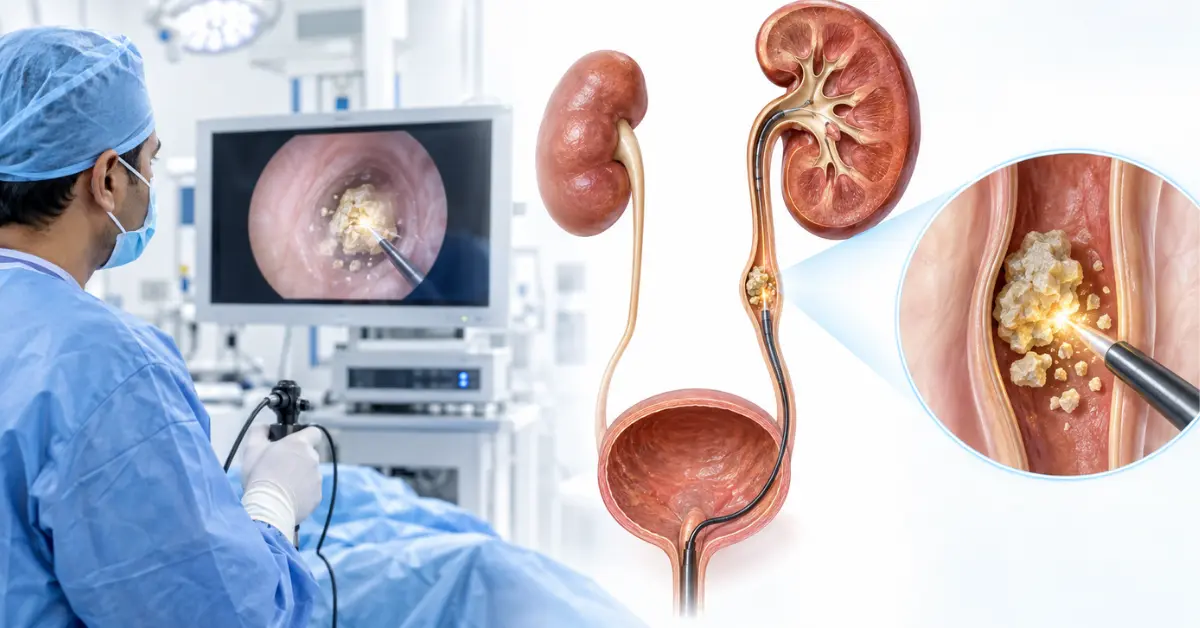
  • Imaging Tests: Ultrasound or CT scans provide detailed images of the kidneys and help identify structural abnormalities, inflammation, or urinary tract blockages.
  • Kidney Biopsy: A small sample of kidney tissue may be examined under a microscope to confirm the type of glomerular disease and guide the most effective treatment.
  • Medications: Depending on the cause, treatment may include corticosteroids, immunosuppressants, blood pressure medications, diuretics, or antibiotics to reduce inflammation, control symptoms, and protect kidney function.
  • Lifestyle Changes: Following a kidney friendly diet, reducing salt intake, maintaining a healthy weight, exercising regularly, quitting smoking, and controlling fluid intake can help slow disease progression.
  • Managing Underlying Conditions: Effective control of diabetes, high blood pressure, infections, or autoimmune diseases is crucial for preventing further kidney damage.
  • Advanced Treatment Options: If kidney function declines significantly, dialysis may be required to remove waste and excess fluid. In severe cases of kidney failure, a kidney transplant may offer the best long term treatment and improve quality of life.

Regular follow up appointments, routine kidney function tests, and strict adherence to the prescribed treatment plan are essential for successful long term management of Glomerular Diseases.

Can Glomerular Diseases be Prevented?

While not all cases are preventable, you can lower your risk by:

  • Controlling diabetes and blood pressure
  • Treating infections promptly
  • Avoiding unnecessary painkiller use
  • Eating a healthy diet
  • Exercising regularly
  • Maintaining a healthy weight
  • Quitting smoking
  • Staying hydrated
  • Scheduling regular kidney check ups if you're at high risk

Living with GKD

Managing glomerular kidney disease day to day involves:

  • Following a kidney friendly diet
  • Taking medications regularly
  • Monitoring kidney health through routine labs
  • Staying active
  • Attending regular follow up appointments
  • Managing stress and mental well being
  • Seeking support from family and caregivers when needed

When Should you See a Doctor?

Reach out to a doctor if you notice:

  • Blood in the urine
  • Persistent swelling
  • Foamy urine
  • Reduced urine output
  • High blood pressure
  • Severe fatigue
  • Sudden weight gain
  • Persistent nausea or vomiting
  • Shortness of breath

These symptoms shouldn't be ignored, especially if more than one shows up at once.

Conclusion

Glomerular diseases can feel overwhelming to learn about, but the takeaway is simple: early diagnosis makes a major difference in outcomes, consistent glomerular disease care helps protect kidney function long term, and proper management and treatment of glomerular diseases can slow or prevent serious complications. Whether you're at risk or already managing a diagnosis, staying proactive is the best thing you can do for your kidneys.

Frequently Asked Questions

  • Conditions that damage the glomeruli, the kidney’s filtering units
  • Affect how well your kidneys remove waste and fluid from your blood
  • Autoimmune conditions
  • Diabetes
  • Infections
  • High blood pressure
  • Genetic disorders
  • Certain medications
  • Foamy urine
  • Swelling
  • Fatigue
  • Blood in the urine
  • Urine and blood tests
  • Kidney function tests
  • Imaging
  • Sometimes a kidney biopsy
  • Medications
  • Lifestyle changes
  • Managing underlying conditions
  • Dialysis
  • Kidney transplant in severe cases
  • Yes, if left untreated
  • Can progress to chronic kidney disease and eventually kidney failure
  • Not all cases are preventable
  • Managing risk factors like diabetes, blood pressure, and infections can significantly lower your chances
No data was found

Read Next

Recognize kidney transplant complications early to protect your health and
Know how kidney transplant life expectancy varies with proper care
Understand Life After Kidney Transplant with healthy habits for lasting
Discover how Kidney transplant surgery helps restore kidney function and
Learn about Kidney Transplant Procedure for safer treatment and better