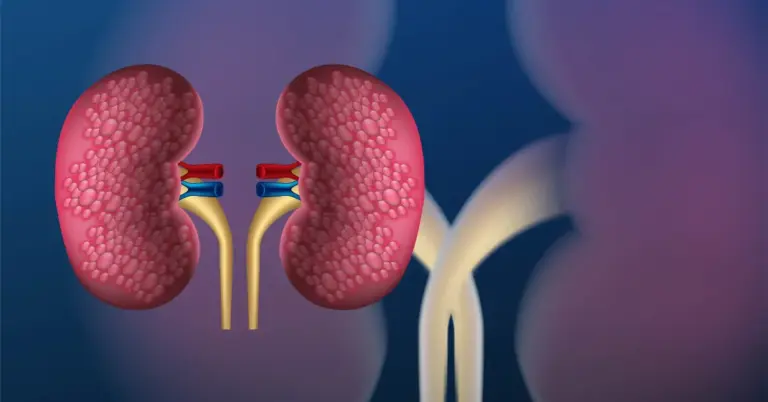


Millions worldwide live with Polycystic Kidney Disease, a genetic condition causing cysts that gradually damage kidney function.

Conditions Treated

Comprehensive medical care for a wide range of conditions, focused on recovery, symptom management, and long-term wellness.

Our kidneys work quietly every single day, filtering waste, balancing fluids, and keeping our body in good shape. But when something goes wrong at the genetic level, this quiet system can turn into a serious health concern. One such condition is Polycystic Kidney Disease, a disorder that slowly changes healthy kidney tissue into clusters of fluid filled sacs. This article explains everything in simple language, from causes to treatment, so you can understand what this condition really means and how it is managed today.

What is Polycystic Kidney Disease?

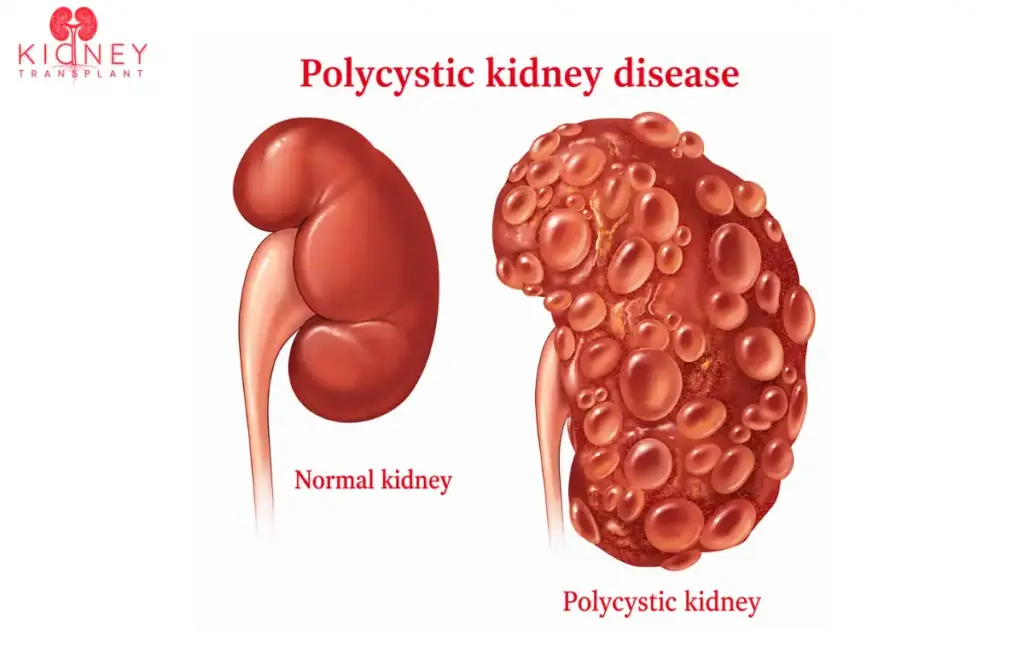
Polycystic Kidney Disease, often shortened to PKD, is a genetic disorder where numerous fluid filled cysts grow inside the kidneys. Over time, these cysts multiply and enlarge, replacing normal kidney tissue and making the kidneys much bigger than usual. Unlike simple kidney cysts that many people develop with age, Polycystic Kidney Disease is a lifelong condition passed down through families in most cases.

The disease does not stay limited to the kidneys either. In many patients, cysts can also form in the liver, pancreas, and even blood vessel walls, which is why doctors treat it as a whole body condition rather than just a kidney problem.

Types of Polycystic Kidney Disease

There are two main types of Polycystic Kidney Disease, and knowing the difference helps in understanding how the condition develops.

  • Autosomal Dominant PKD (ADPKD): This is the most common form, usually appearing in adults between 30 and 50 years of age. Only one parent needs to carry the faulty gene for a child to inherit it.
  • Autosomal Recessive PKD (ARPKD): This rarer form shows up in infants or very young children and requires both parents to carry the gene mutation. It tends to be more severe and is often diagnosed before or shortly after birth.

Understanding which type a person has plays a big role in deciding the right treatment of Polycystic Kidney Disease and how closely they need to be monitored.

Polycystic Kidney Disease Causes

When people ask about Polycystic Kidney Disease Causes, the answer almost always comes back to genetics. Specific gene mutations, mainly in the PKD1 and PKD2 genes, disrupt the normal growth pattern of kidney cells, causing them to form fluid filled pockets instead of healthy tissue.

Here are the main points behind Polycystic Kidney Disease Causes:

  • A mutation in the PKD1 gene, which is responsible for most ADPKD cases and tends to cause earlier, more severe kidney damage.
  • A mutation in the PKD2 gene, which usually leads to a milder and slower progressing form of the disease.
  • Inheriting two copies of a recessive gene mutation from both parents, which leads to the rarer ARPKD type.
  • In rare situations, a completely new gene mutation can occur without any family history, though this is uncommon.

Because Polycystic Kidney Disease Causes are rooted in genetics, family history plays a major role. If a parent has ADPKD, each child has roughly a fifty percent chance of inheriting the condition, which is why genetic counseling is often recommended for families with a known history.

Risk Factors for Polycystic Kidney Disease

Polycystic Kidney Disease (PKD) is mainly an inherited condition. However, certain factors can increase the risk of faster kidney damage and complications.

The main risk factors include:

  • Family history of PKD : The biggest risk factor is having a parent or close family member with the disease.
  • High blood pressure : Uncontrolled blood pressure can speed up kidney damage.
  • Smoking : Smoking can worsen kidney function and increase the risk of heart disease.
  • Obesity : Excess body weight puts additional strain on the kidneys.
  • Delayed diagnosis : Finding the disease late can delay treatment and increase the risk of complications.

Common Symptoms to Watch for

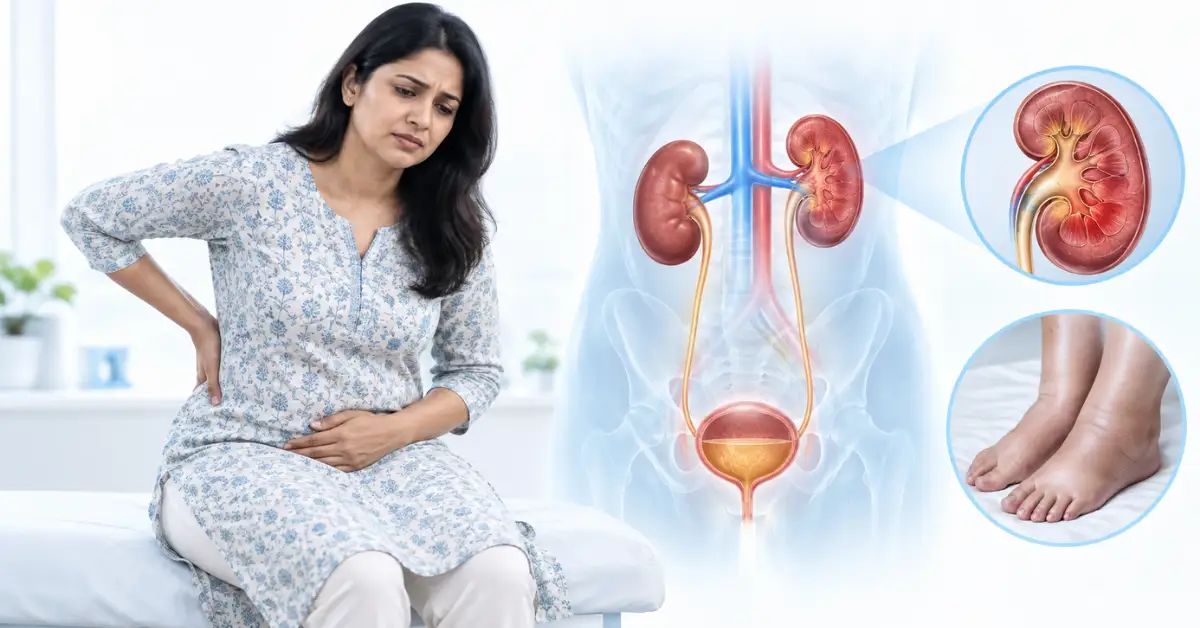
Symptoms of Polycystic Kidney Disease often develop slowly, and many people do not notice anything unusual until the cysts grow large enough to affect kidney function. Some common signs include:

  • Persistent pain or a dull ache in the back or sides
  • High blood pressure that is difficult to control
  • Blood appearing in the urine
  • Frequent urinary tract infections
  • A noticeable feeling of fullness or swelling in the abdomen
  • Headaches that occur often without a clear reason
  • Kidney stones forming more frequently than usual

Since these symptoms can resemble other health issues, many people live with undiagnosed Polycystic Kidney Disease for years before a scan reveals the real cause.

How is Polycystic Kidney Disease Diagnosed?

Doctors diagnose Polycystic Kidney Disease (PKD) using a few simple tests to confirm the condition and check how well the kidneys are working.

  • Ultrasound: The most common test used to detect cysts in the kidneys.
  • CT Scan or MRI: Provides detailed images to assess the size and number of cysts.
  • Blood Tests: Check kidney function by measuring creatinine levels and eGFR.
  • Urine Tests: Detect blood, protein, or signs of infection in the urine.
  • Genetic Testing: Recommended if there is a family history of PKD or when the diagnosis needs confirmation.

Early diagnosis helps start treatment sooner and reduces the risk of complications.

Treatment of Polycystic Kidney Disease

There is currently no complete cure, but the treatment of Polycystic Kidney Disease focuses on slowing cyst growth, protecting kidney function, and managing symptoms effectively. With the right care plan, many patients live active, fulfilling lives for years after diagnosis.

Common approaches to Polycystic Kidney Disease Treatment include:

  • Blood pressure control: Since high blood pressure speeds up kidney damage, doctors often prescribe medications like ACE inhibitors to keep it in a safe range.
  • Tolvaptan therapy: This is a specific medicine approved to slow cyst growth in certain ADPKD patients, helping preserve kidney function for longer.
  • Pain management: Mild pain relievers, along with lifestyle adjustments, are used carefully since certain painkillers can further stress the kidneys.
  • Infection treatment: Antibiotics are given promptly for urinary tract or cyst infections to prevent complications.
  • Dialysis or transplant: In advanced stages, when kidney function drops significantly, dialysis or a kidney transplant becomes necessary.

Every case is different, so the exact Polycystic Kidney Disorder Treatment plan depends on age, symptom severity, gene type, and how quickly the disease is progressing. Regular checkups allow doctors to adjust the treatment of Polycystic Kidney Disease as the condition changes over time.

Complications of Polycystic Kidney Disease

If left untreated, PKD can lead to several health problems as the cysts grow and affect kidney function.

Common complications include:

  • Chronic Kidney Disease (CKD)
  • Kidney failure
  • High blood pressure
  • Kidney infections
  • Kidney stones
  • Blood in the urine (Hematuria)
  • Liver cysts

Early diagnosis and regular treatment can help reduce the risk of these complications.

Lifestyle Tips That Genuinely Help

Alongside medical treatment, small daily habits can make a real difference in managing Polycystic Kidney Disease:

  • Drink enough water throughout the day unless your doctor advises otherwise
  • Reduce salt intake to help control blood pressure naturally
  • Avoid smoking, since it accelerates kidney damage
  • Limit caffeine, which may encourage cyst growth in some studies
  • Exercise moderately, as approved by your doctor, to support heart and kidney health
  • Get routine blood pressure and kidney function checks instead of waiting for symptoms

These small, consistent choices, combined with proper medical care, often slow the disease's progress far more than people expect.

When Should you See a Doctor?

Consult a doctor if you experience:

  • Persistent pain in your back or sides
  • Blood in your urine
  • Frequent urinary tract infections
  • High blood pressure that is difficult to control
  • Swelling in your legs, ankles, or face
  • A family history of Polycystic Kidney Disease

Early medical care can help slow the progression of the disease and protect your kidney function.

Conclusion

Polycystic Kidney Disease may sound frightening at first, but understanding it clearly makes a huge difference in how it is managed. From knowing the genetic causes to recognizing early symptoms and following the right treatment of Polycystic Kidney Disease, patients today have far more support and options than ever before, and with regular monitoring, healthy habits, and timely medical care, most people with this condition can continue living full and active lives.

Frequently Asked Questions

Most cases are inherited, but rare spontaneous gene mutations can cause it even without a family history.

ADPKD symptoms often show up between ages 30 and 50, while the rarer ARPKD type appears in infancy.

There is no permanent cure yet, but modern treatment options can significantly slow disease progression and protect kidney function.

Yes, low salt, controlled protein, and good hydration habits can meaningfully support kidney health alongside medical treatment.

A transplant is usually considered when kidney function drops severely and dialysis alone can no longer manage the condition effectively.

No data was found

Read Next

Recognize kidney transplant complications early to protect your health and
Know how kidney transplant life expectancy varies with proper care
Understand Life After Kidney Transplant with healthy habits for lasting
Discover how Kidney transplant surgery helps restore kidney function and
Learn about Kidney Transplant Procedure for safer treatment and better