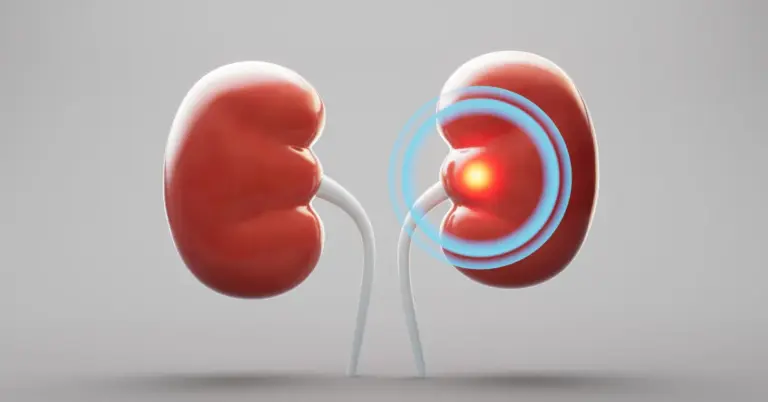
Many people ignore early Kidney Disease Symptoms until kidney damage becomes serious and hard to treat.

Conditions Treated

Comprehensive medical care for a wide range of conditions, focused on recovery, symptom management, and long-term wellness.

Our kidneys work quietly every day, cleaning our blood, removing waste, and keeping fluid levels balanced. But when something goes wrong, most people do not notice it right away. Kidney disease often grows slowly, without pain, and the body only shows small clues that are easy to miss. Understanding the Kidney Disease Symptoms early can help you protect your health before things get serious. In this article, we will look at what kidney disease is, why it stays hidden for so long, and the fifteen most common signs your body may be trying to tell you.

What are Kidney Disease Symptoms?

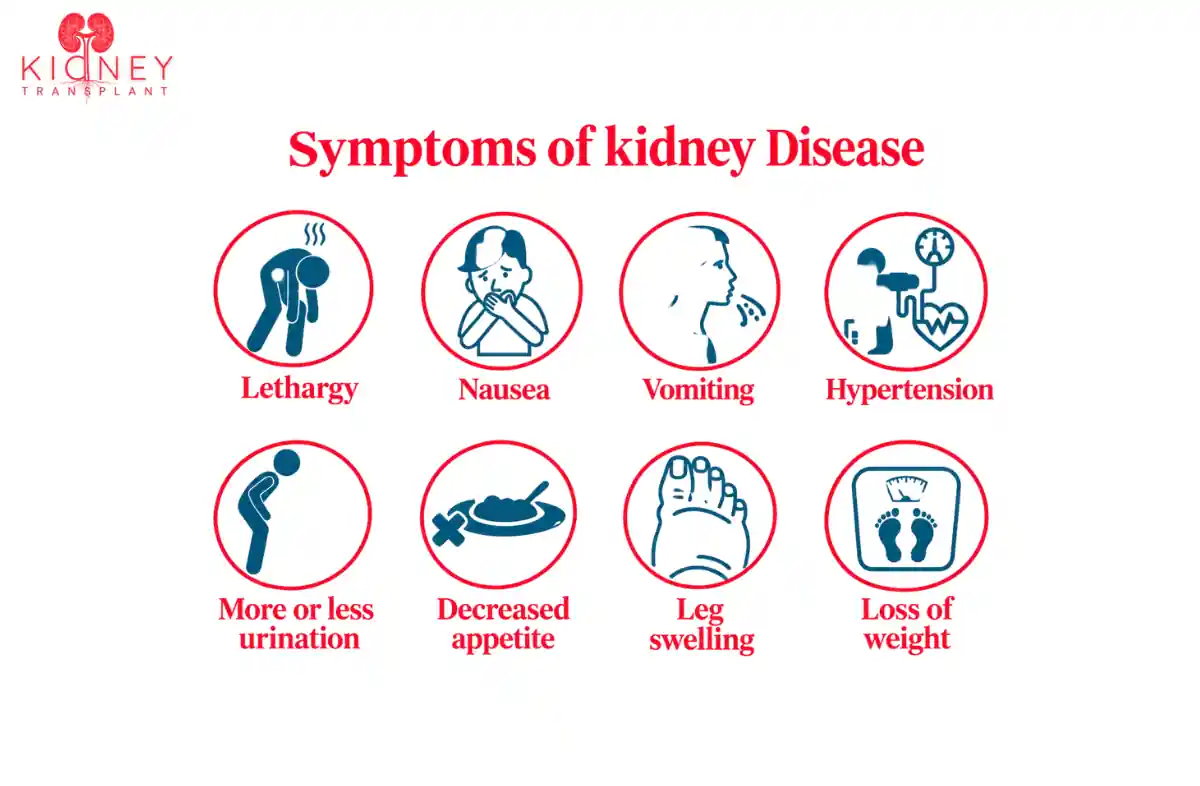
Kidney Disease Symptoms are the physical changes your body shows when your kidneys are not filtering waste and fluid properly. These changes can be small in the beginning, like tiredness or mild swelling, and grow stronger as kidney function drops further.

Kidney disease is often called a "silent disease" because the early stages usually cause no pain at all. A person can lose a large part of their kidney function before feeling anything unusual. This is one reason why Signs of Kidney Disease are so often overlooked or blamed on stress, age, or a busy lifestyle.

In most cases, Kidney Disease Early Warning Signs only become noticeable once the kidneys are already working at a reduced level. This is why regular health checkups, especially for people with diabetes, high blood pressure, or a family history of kidney problems, matter so much.

15 Common Kidney Disease Symptoms

Fatigue or Constant Tiredness

Healthy kidneys produce a hormone that helps your body make red blood cells. When kidney function drops, this hormone reduces, leading to low red blood cell count and constant tiredness.

  • Feeling drained even after a full night's sleep
  • Struggling to focus on simple daily tasks
  • Low energy that does not improve with rest

Feeling Cold Even in Warm Weather

Anemia caused by reduced kidney function can lower your body temperature regulation, making you feel cold even in Chennai's warm and humid weather.

  • Cold hands and feet without a clear reason
  • Feeling chilly indoors when others feel comfortable
  • If this continues for weeks, speak with a doctor

Shortness of Breath

Two things can cause this: extra fluid building up around the lungs, and anemia reducing oxygen supply to the body.

  • Breathlessness after light activity like climbing stairs
  • Feeling out of breath while lying flat
  • Chest tightness that comes and goes

Feeling Weak, Dizzy, or Faint

As waste builds up in the blood and anemia develops, the brain and muscles do not get enough oxygen and nutrients.

  • Sudden dizziness when standing up quickly
  • General body weakness through the day
  • Feeling faint without any clear trigger

Trouble Thinking Clearly

This is one of the lesser known Kidney Disease Symptoms. Toxin buildup in the blood affects brain function over time.

  • Brain fog and slow thinking
  • Poor concentration at work or study
  • Forgetting simple things more often than usual

Persistent Itchy Skin

When kidneys cannot remove waste properly, minerals and toxins build up in the blood and settle in the skin, causing irritation.

  • Itching that does not go away with lotion
  • Dry, flaky skin patches
  • Worse itching at night

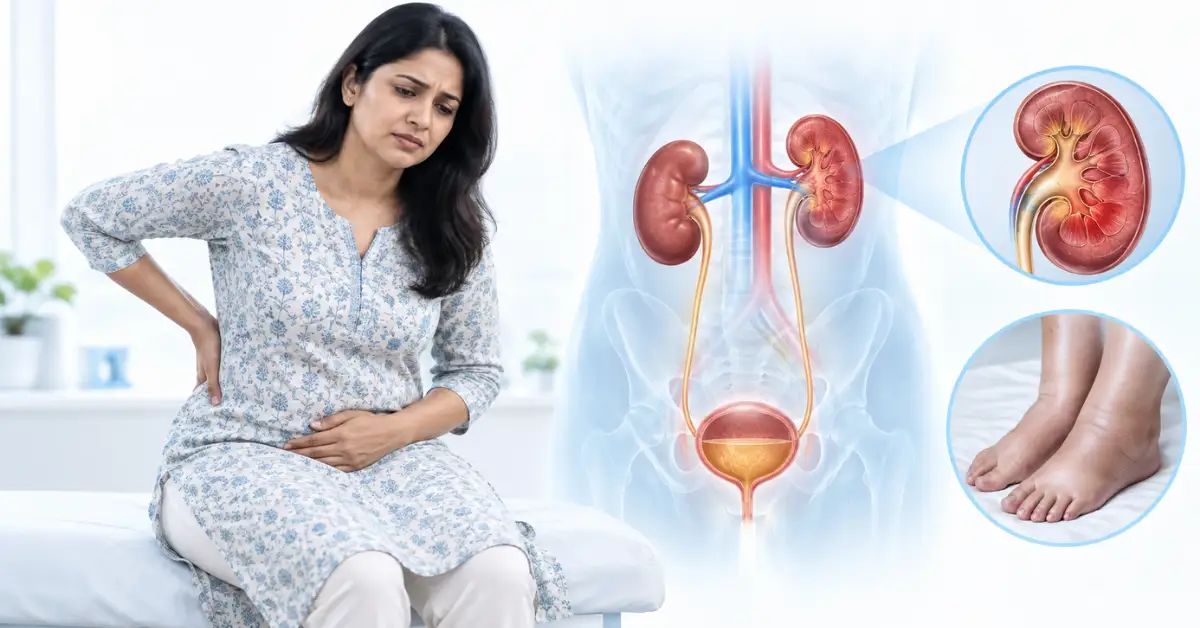
Swelling in Hands, Feet, or Ankles

Kidneys that are not working well cannot remove excess sodium and fluid, leading to swelling, also known as edema.

  • Tight feeling shoes or rings by evening
  • Puffiness around the ankles
  • Skin that stays dented after pressing

Puffy Face or Swollen Eyes

Loss of protein through urine and fluid retention can cause the face and area around the eyes to look puffy, especially in the morning.

  • Swelling that is worse after waking up
  • Puffy eyelids that reduce during the day
  • Combined with tiredness, this needs attention

Metallic Taste in the Mouth

A buildup of waste products, known as uremia, can affect taste buds and appetite.

  • Food tasting different than usual
  • Reduced interest in eating
  • Unpleasant metallic taste that lingers

Bad Breath (Ammonia Breath)

Waste accumulation in the blood can also affect breath odor, sometimes described as smelling like ammonia.

  • Breath that does not improve with brushing
  • Changes in taste alongside bad breath
  • Dry mouth combined with odor

Nausea and Vomiting

Digestive discomfort is common among the Signs of Kidney Disease because toxins that build up in the blood irritate the stomach lining.

  • Morning nausea without a clear cause
  • Loss of appetite over several days
  • Occasional vomiting after meals

Frequent Urination at Night

Also called nocturia, this happens when kidneys lose their ability to concentrate urine properly.

  • Waking up two or more times at night to urinate
  • Disturbed sleep patterns
  • Increase in urine volume overall

Foamy or Bubbly Urine

Foam in urine often points to protein leaking into the urine, a sign that the kidney's filtering units are damaged.

  • Bubbles that stay after flushing
  • Foam that looks like beaten egg whites
  • This symptom should never be ignored

Blood in Urine or Dark Colored Urine

Hematuria, or blood in the urine, can be caused by damaged filters in the kidney or other urinary conditions.

  • Pink, red, or cola colored urine
  • Urine that looks unusually dark
  • May come with pain or discomfort

Difficulty or Pressure While Urinating

Reduced kidney function or a blockage in the urinary tract can cause pressure, pain, or trouble passing urine.

  • Straining to urinate
  • Weak or interrupted urine flow
  • A constant feeling of fullness in the bladder

Why do Kidney Disease Symptoms Occur?

Understanding the reasons behind Kidney Disease Symptoms helps explain why they show up in so many different parts of the body.

  • Reduced kidney filtration waste and toxins stay in the blood instead of leaving through urine
  • Waste buildup causes fatigue, nausea, itching, and bad breath
  • Fluid retention leads to swelling in the legs, hands, and face
  • Anemia lowers red blood cell production, causing tiredness and breathlessness
  • Electrolyte imbalance affects muscle function, heart rhythm, and overall energy

When Should you See a Doctor?

Not every symptom means kidney disease, but ignoring the Early Warning Signs of Kidney Disease can allow the condition to progress silently. You should speak with a doctor if you notice:

  • Persistent fatigue that does not improve with rest
  • Ongoing swelling in your legs, ankles, or face
  • Blood in your urine
  • Foamy or bubbly urine that continues over time
  • Difficulty breathing, especially while resting
  • A noticeable drop in how much urine you pass

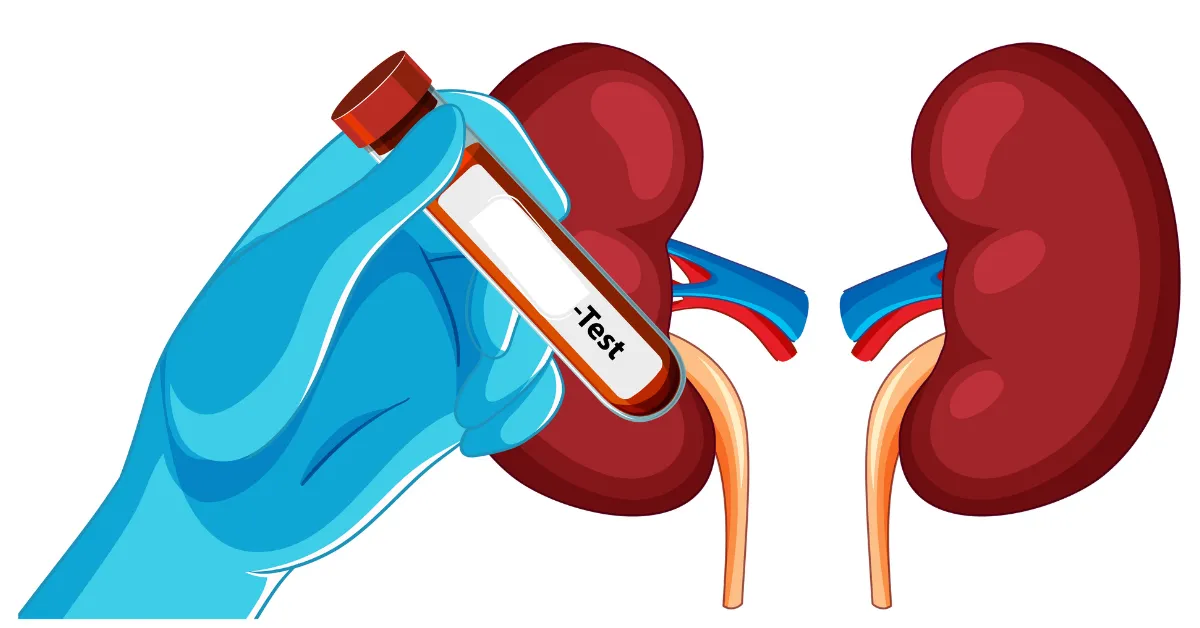
Early testing, including simple blood and urine tests, can catch problems long before symptoms become severe.

Conclusion

Kidney disease rarely announces itself loudly, making it important to recognize the Kidney Disease Early Warning Signs as soon as they appear. Learning to identify these early Kidney Disease Symptoms can help protect your long term health. From persistent tiredness and swelling to noticeable changes in urination, these warning signs are your body's way of signaling that something may be wrong. Seeking medical evaluation early can lead to timely diagnosis and treatment, helping slow disease progression and preserve kidney function for years to come.

Frequently Asked Questions

Fatigue and mild swelling in the legs or ankles are often among the first Kidney Disease Symptoms people notice, though they are easy to overlook at first.

Yes, in the early stages, symptoms can be mild and inconsistent, which is why kidney disease is often missed until it progresses further.

Not always, but persistent foamy urine is one of the more reliable Signs of Kidney Disease and should be checked by a doctor.

People with diabetes, high blood pressure, a family history of kidney problems, or those over 60 years old face a higher risk.

In many cases, catching Kidney Disease Early Warning Signs early and managing conditions like diabetes and blood pressure can slow or stop further kidney damage.

No data was found

Read Next

Recognize kidney transplant complications early to protect your health and
Know how kidney transplant life expectancy varies with proper care
Understand Life After Kidney Transplant with healthy habits for lasting
Discover how Kidney transplant surgery helps restore kidney function and
Learn about Kidney Transplant Procedure for safer treatment and better