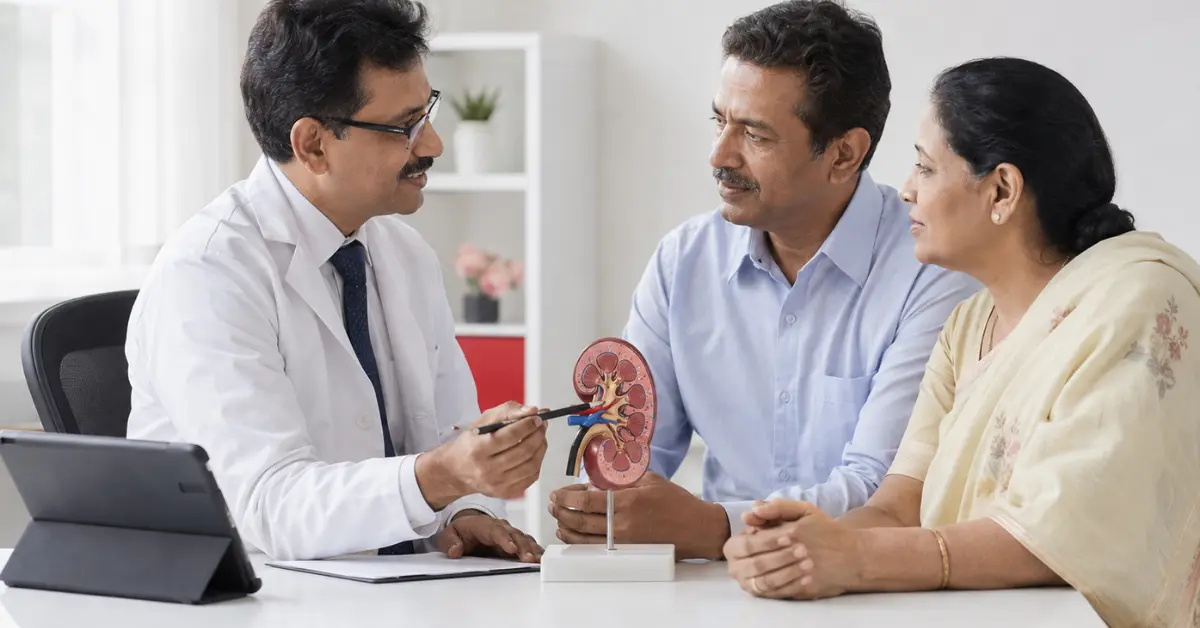


Proper care for Kidney Stones helps prevent complications and improve kidney health.

Conditions Treated

Comprehensive medical care for a wide range of conditions, focused on recovery, symptom management, and long-term wellness.

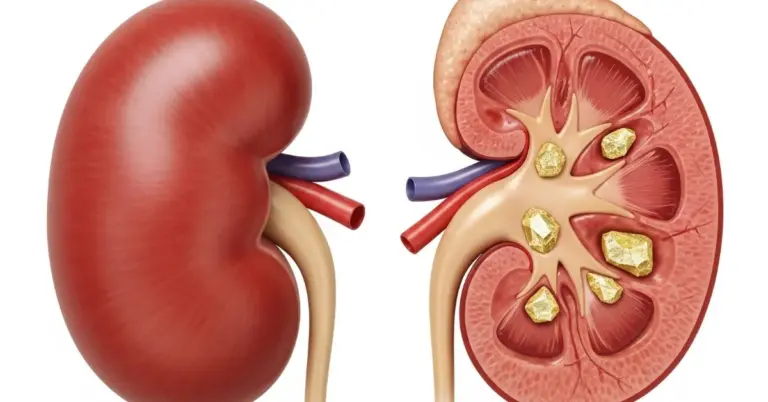
Kidney stones are hard mineral deposits that develop inside the kidneys when minerals and salts in urine crystallize and stick together. They can range from tiny grains to larger stones that block the flow of urine and cause intense pain. While some stones pass naturally, others require professional Kidney Stones Treatment to prevent complications such as infections or kidney damage. Early diagnosis helps doctors identify the stone’s size, type, and location, making treatment more effective and reducing recovery time. Thanks to modern medical advancements, patients now have access to minimally invasive procedures, including laser technology, that offer faster recovery and less discomfort. Whether your condition is mild or severe, choosing the right treatment at the right time can protect your kidney health and improve your quality of life.
What are Kidney Stones?

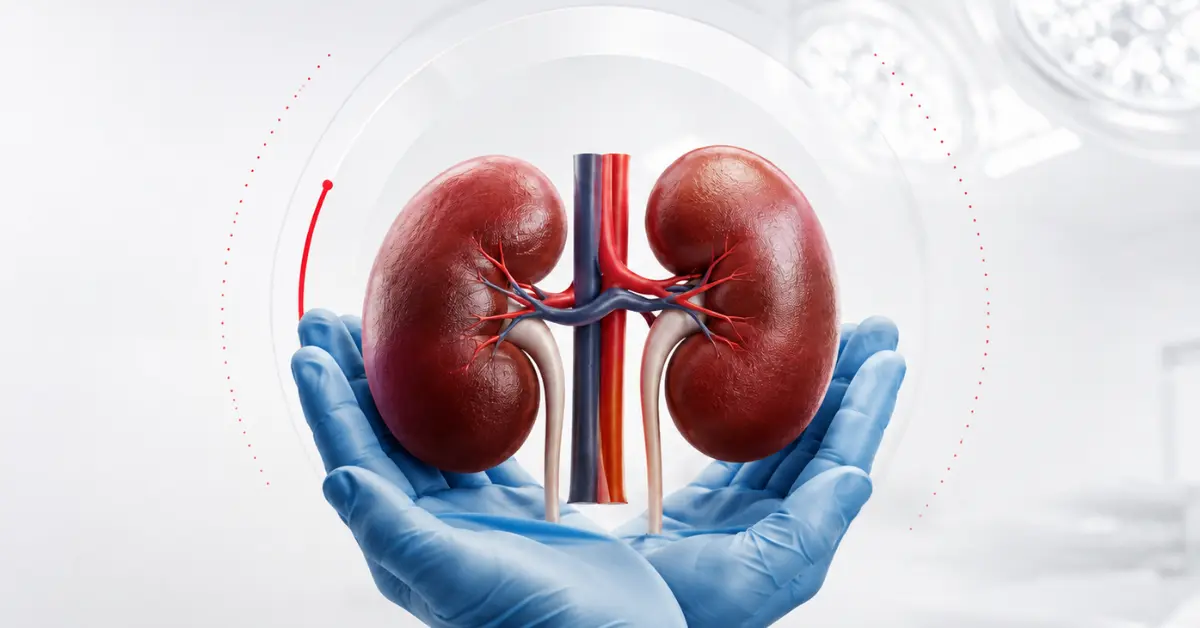
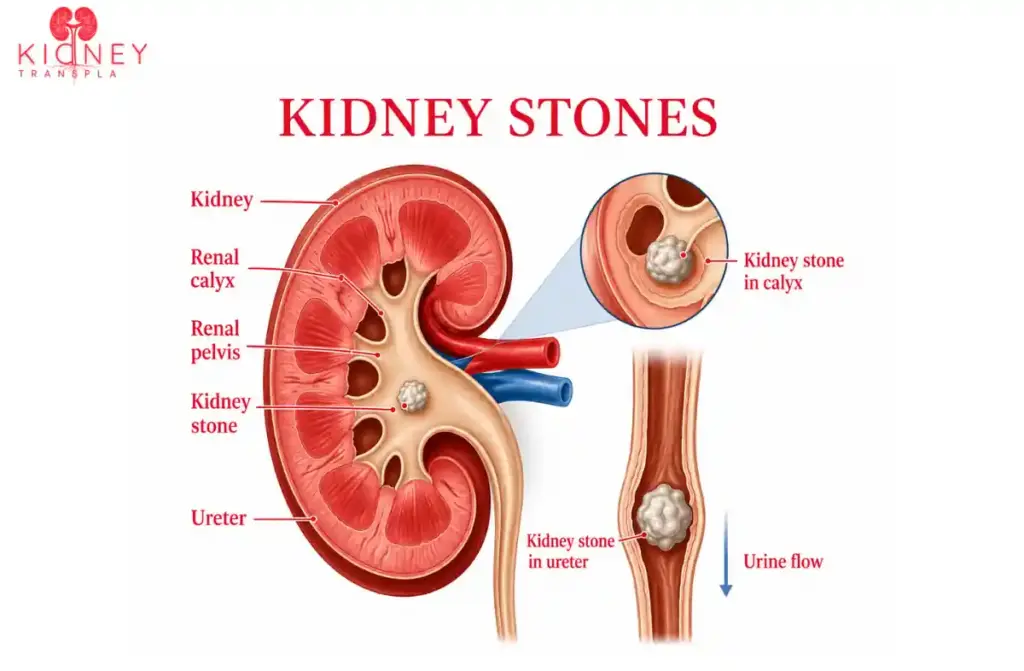
Kidney stones are solid masses formed from minerals and salts that collect inside the urinary system. Healthy kidneys filter waste products from the blood and produce urine, which carries these wastes out of the body. When urine contains high levels of calcium, oxalate, uric acid, or other minerals, crystals begin to form. Over time, these crystals join together and develop into stones.

Kidney stones may form or travel through different parts of the urinary tract:

  • Kidneys
  • Ureters
  • Bladder
  • Urethra

Stone sizes vary widely. Some are as small as a grain of sand, while others can grow larger than 2 cm. Small stones often pass naturally with adequate hydration and medication. Larger stones, however, may become lodged in the urinary tract and require medical intervention.

The size and location of the stone play a major role in deciding the most suitable treatment for Kidney stones. Smaller stones may respond well to medicines, while larger stones often require laser or other minimally invasive procedures.

Types of Kidney Stones

  • Calcium Stones: These are the most common kidney stones. They usually form from calcium oxalate but may also contain calcium phosphate. Diet, dehydration, and certain metabolic conditions increase the risk.
  • Uric Acid Stones: These stones develop when urine becomes too acidic. They are more common in people who consume high amounts of animal protein or have gout.
  • Struvite Stones: Struvite stones usually form after urinary tract infections. They can grow quickly and become quite large if not treated early.
  • Cystine Stones: These rare stones occur due to an inherited condition called cystinuria, where the kidneys release excessive amounts of the amino acid cystine into urine.

Identifying the stone type helps doctors choose the most effective treatment while also reducing the chances of future stone formation.

Symptoms of Kidney Stones

Common symptoms include:

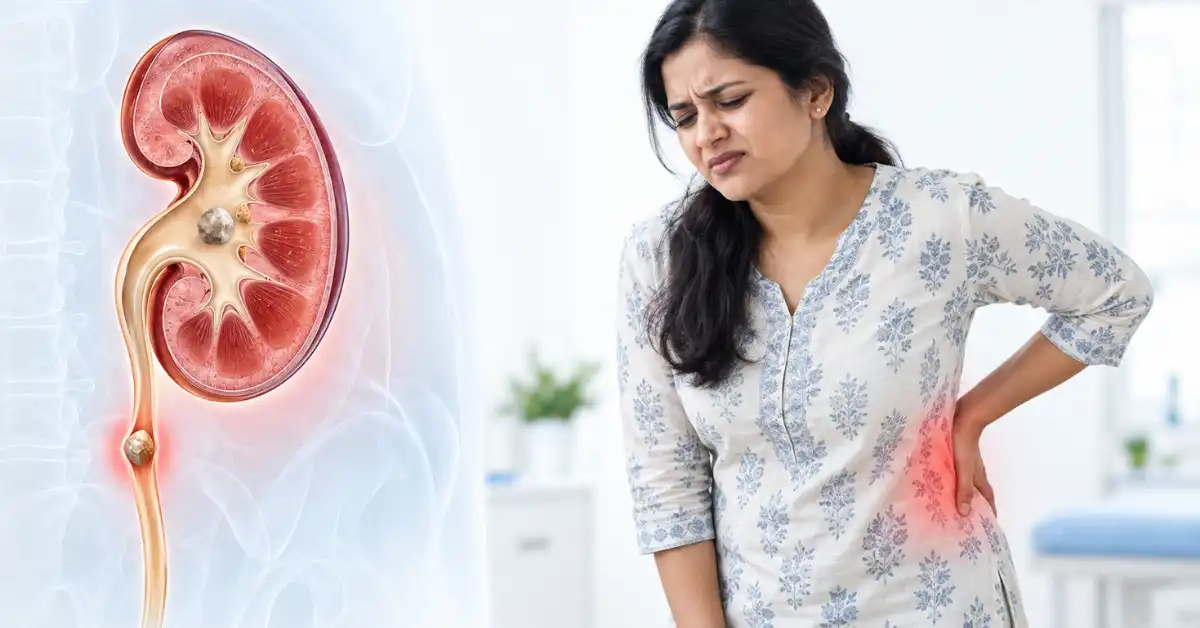
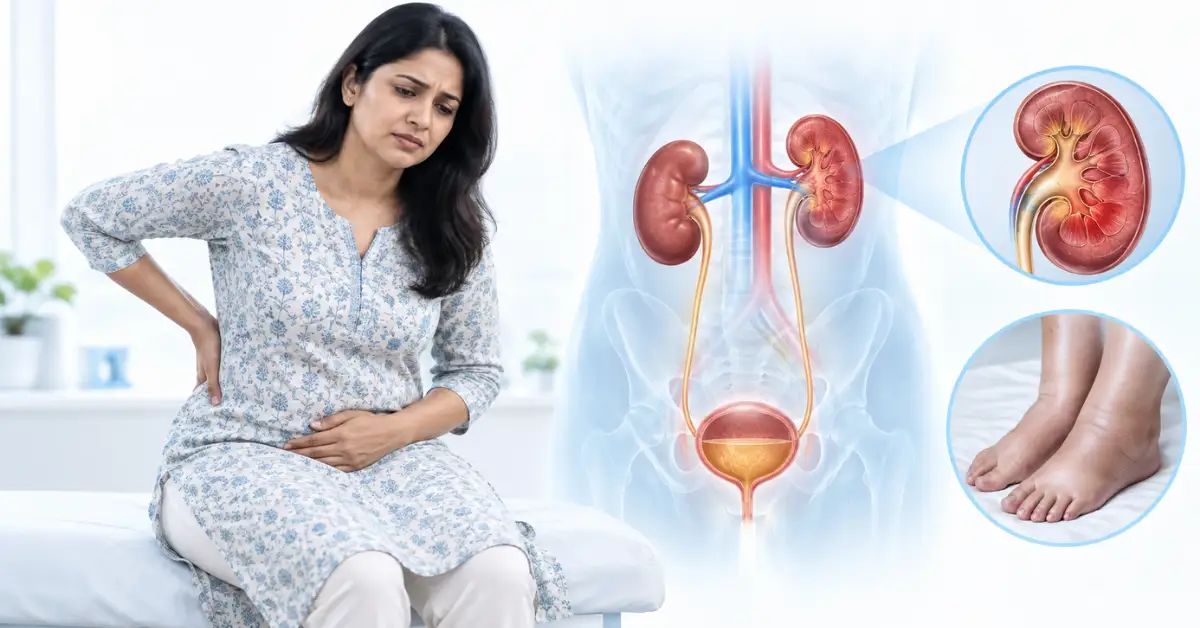
  • Severe pain in the back or side
  • Pain spreading toward the groin
  • Burning sensation while urinating
  • Blood in the urine
  • Frequent urge to urinate
  • Cloudy or foul smelling urine
  • Nausea and vomiting
  • Fever and chills if infection develops

Symptoms may appear suddenly and become more intense as the stone moves through the urinary tract.

What Causes Kidney Stones?

Several factors contribute to kidney stone formation, including:

  • Dehydration
  • High salt intake
  • Excess animal protein consumption
  • High oxalate foods
  • Obesity
  • Family history
  • Certain medications
  • Gout
  • Hyperparathyroidism
  • Urinary tract infections
  • Digestive disorders affecting nutrient absorption

Risk Factors for Kidney Stones

You may have a higher risk if you have:

  • Age between 20 and 60 years
  • Male gender
  • Obesity
  • Diabetes
  • Low daily water intake
  • Previous kidney stones
  • Family history
  • Sedentary lifestyle
  • High protein diet

Making healthy lifestyle changes can significantly reduce your chances of developing stones.

Kidney Stones Diagnosis

Accurate diagnosis is essential before starting Kidney Stones Treatment because every patient requires a personalized treatment plan.

  • Medical History and Physical Examination: Doctors evaluate symptoms, lifestyle, dietary habits, previous stone episodes, and family history.
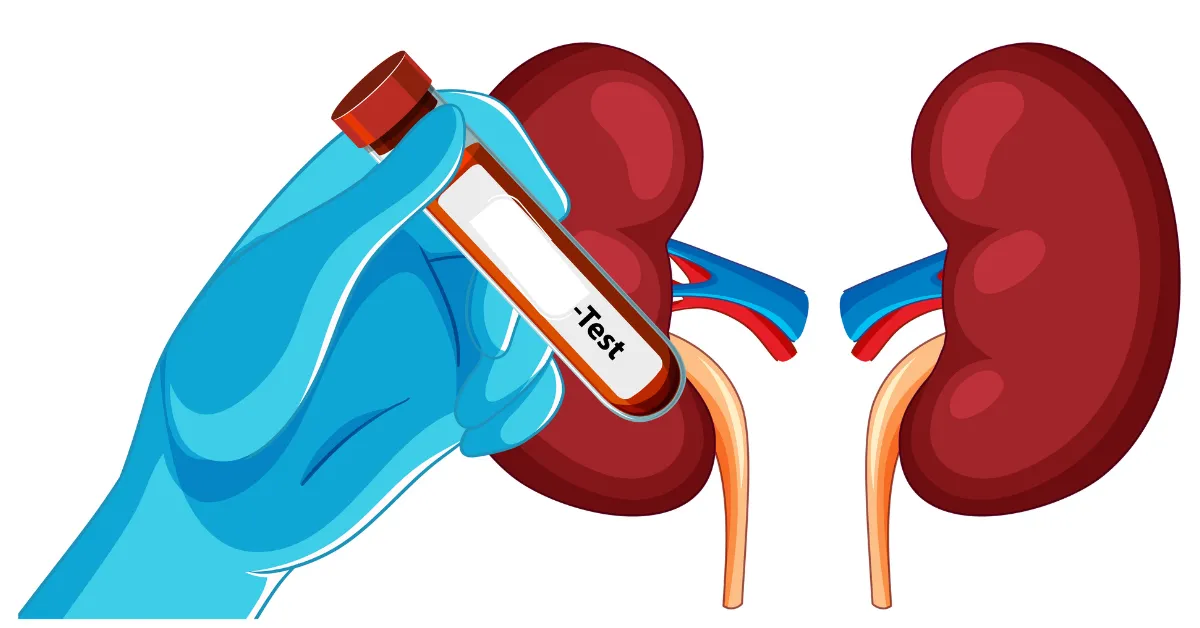
  • Urine Test: Checks for infection, blood, crystals, and abnormal mineral levels.
  • Blood Test: Measures kidney function and identifies high calcium or uric acid levels.
  • Ultrasound: A safe and radiation free imaging test that detects many kidney stones.
  • CT Scan: Provides detailed images of stone size, number, and exact location.
  • X-ray: Useful for identifying certain types of kidney stones and monitoring treatment progress.

Kidney Stones Treatment

Kidney Stones Treatment depends on several factors, including the size, type, and location of the stone, as well as the severity of symptoms and your overall kidney health. While many small stones can pass naturally with medication and proper hydration, larger or more painful stones may require advanced procedures to remove them safely. Early diagnosis helps doctors choose the most effective treatment, reducing the risk of complications and protecting kidney function.

Your doctor may recommend one or a combination of the following treatment options:

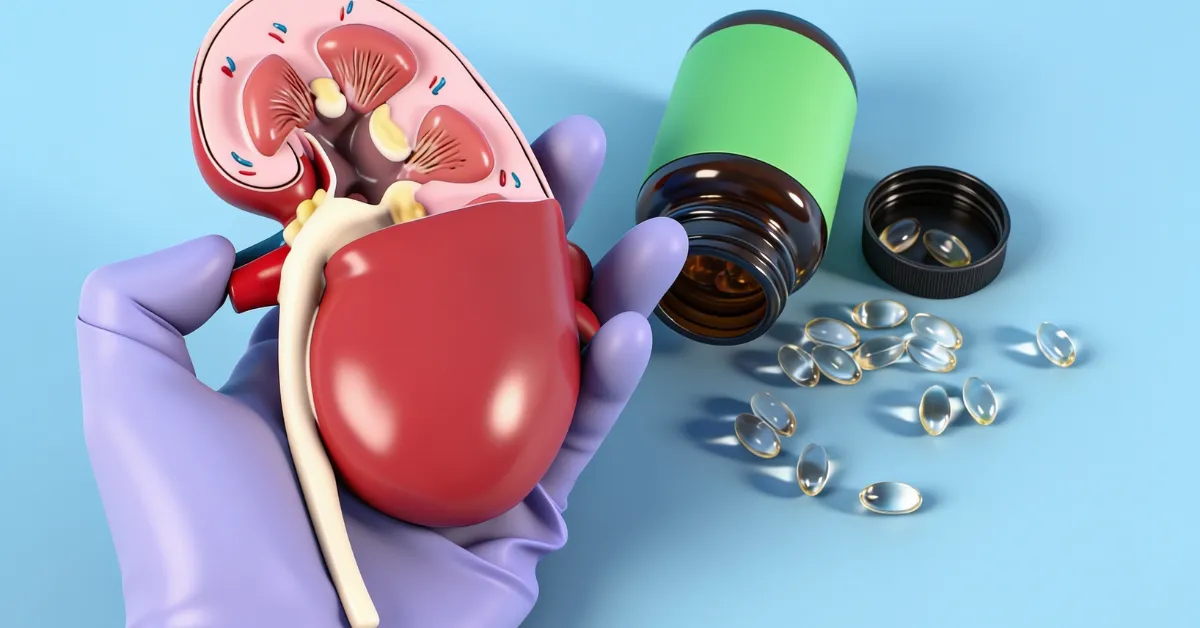
  • Medical treatment for small stones
  • Pain relief medications
  • Alpha blockers to help stones pass more easily
  • Hydration therapy
  • Antibiotics if an infection is present
  • Extracorporeal Shock Wave Lithotripsy (ESWL)
  • Ureteroscopy (URS)
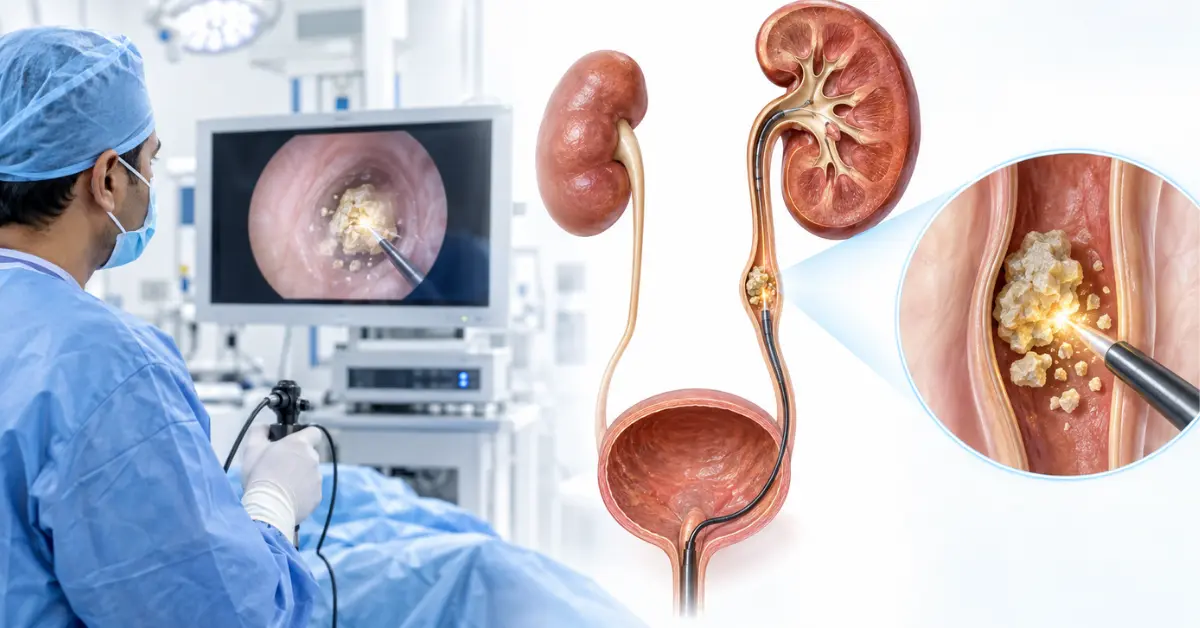
  • Kidney Stone Laser Treatment
  • Percutaneous Nephrolithotomy (PCNL) for large stones
  • Open surgery in rare and complex cases

The goal of Kidney Stones Treatment is to relieve pain, remove the stone completely, restore normal urine flow, prevent kidney damage, and reduce the risk of future stone formation. With today's advanced minimally invasive techniques, most patients experience faster recovery, less pain, and excellent treatment outcomes.

Other Advanced Treatment Options

  • Extracorporeal Shock Wave Lithotripsy (ESWL): Shock waves break stones into smaller fragments that pass naturally. It works best for small to medium sized stones and requires no surgical incision.
  • Ureteroscopy (URS): A thin scope is passed through the urinary tract to locate and remove or break stones using specialized instruments. Recovery is usually quick with minimal discomfort.
  • Percutaneous Nephrolithotomy (PCNL): PCNL is recommended for large or complex stones. Mini PCNL uses smaller instruments, reducing recovery time while maintaining excellent success rates.
  • Open Surgery: Open surgery is rarely needed today. It is reserved for unusually large or complicated stones that cannot be treated using minimally invasive techniques.

Possible Complications if Left Untreated

Ignoring kidney stones may lead to:

  • Urinary blockage
  • Severe pain
  • Kidney infection
  • Kidney swelling
  • Reduced kidney function
  • Permanent kidney damage
  • Recurrent stone formation

Prompt treatment helps prevent these serious complications.

When Should you See a Doctor?

Seek immediate medical care if you experience:

  • Severe or unbearable pain
  • Fever with chills
  • Blood in urine
  • Difficulty passing urine
  • Persistent vomiting
  • Recurrent kidney stone symptoms

Early medical attention improves treatment outcomes and protects kidney health.

Recovery After Kidney Stones Treatment

Recovery varies depending on the treatment received.

Patients are generally advised to:

  • Follow prescribed pain medications
  • Drink plenty of water
  • Eat a balanced diet
  • Resume physical activity gradually
  • Attend follow up scans
  • Return to work based on medical advice

Most minimally invasive procedures allow patients to recover much faster than traditional surgery.

How to Prevent Kidney Stones

You can lower your risk by following these healthy habits:

  • Drink 2.5–3 litres of water daily
  • Reduce salt intake
  • Limit sugary beverages
  • Eat more fruits and vegetables
  • Consume protein in moderation
  • Maintain a healthy weight
  • Exercise regularly
  • Reduce oxalate rich foods if recommended
  • Schedule regular health check ups

Conclusion

Kidney stones can be painful, but they are highly treatable with timely medical care. Early diagnosis helps doctors determine the most appropriate Kidney Stones Treatment, whether it involves medications, shock wave therapy, laser procedures, or other advanced techniques. Modern minimally invasive treatments offer excellent success rates, shorter hospital stays, and quicker recovery. If you experience symptoms of kidney stones, consulting an experienced urologist without delay can help prevent complications and protect your long term kidney health.

Frequently Asked Questions

The best treatment depends on the stone’s size, location, type, symptoms, and overall kidney health. Small stones often respond to medicines, while larger stones may require laser treatment or PCNL.

Yes. Many small kidney stones pass naturally with hydration, medications, and regular monitoring.

Kidney Stone Laser Treatment has a high success rate and is considered one of the most effective minimally invasive treatments for medium and large stones.

The procedure is performed under anesthesia, so patients do not feel pain during treatment. Mild discomfort after the procedure usually improves within a few days.

Recovery depends on the treatment method. Most patients undergoing minimally invasive procedures recover within a few days to two weeks.

Doctors generally recommend drinking 2.5–3 litres of water daily unless advised otherwise to help prevent future stone formation.

No data was found

Read Next

Recognize kidney transplant complications early to protect your health and
Know how kidney transplant life expectancy varies with proper care
Understand Life After Kidney Transplant with healthy habits for lasting
Discover how Kidney transplant surgery helps restore kidney function and
Learn about Kidney Transplant Procedure for safer treatment and better