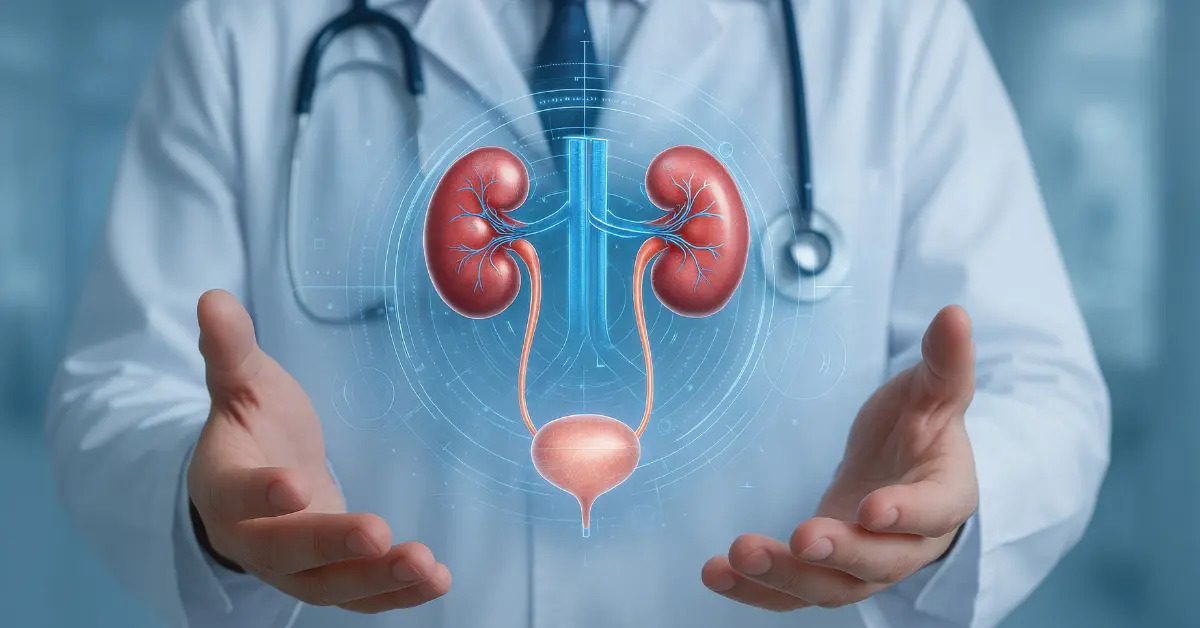
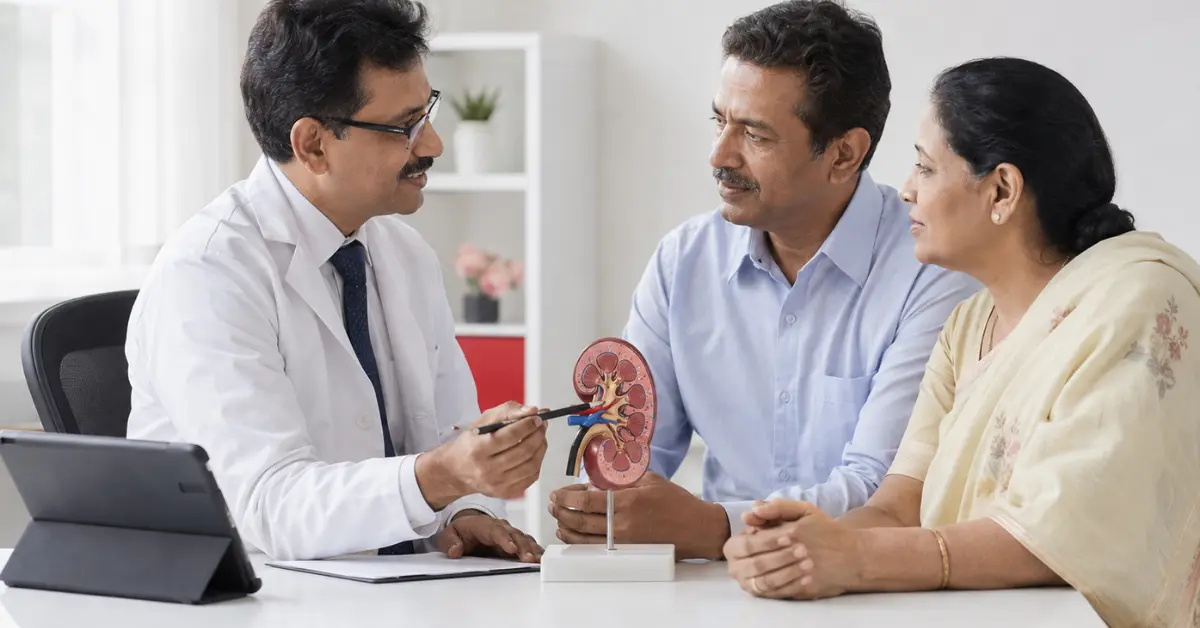
Flexible Peritoneal Dialysis offers home-based kidney care with continuous treatment support.

Conditions Treated

Comprehensive medical care for a wide range of conditions, focused on recovery, symptom management, and long-term wellness.

For many people, hearing the word dialysis immediately brings to mind long hours in a hospital connected to a large machine. While that is one form of dialysis, it is not the only option. Advances in kidney care have made it possible for many individuals to receive dialysis in the comfort of their own homes, allowing treatment to fit around life rather than life revolving around treatment. Peritoneal dialysis offers a different approach to managing kidney failure. Instead of using an external artificial kidney to clean the blood, it uses the body’s own abdominal lining as a natural filter to remove waste products and excess fluid. 

After proper training, many patients can perform their treatment independently, giving them greater flexibility in managing work, education, travel, and family responsibilities. Although home dialysis requires commitment and careful attention to hygiene, it also offers something many patients value deeply greater independence. Understanding how peritoneal dialysis works, who it is suitable for, and what daily life looks like can help patients and families make confident, informed decisions about their kidney care.

What is Peritoneal Dialysis?

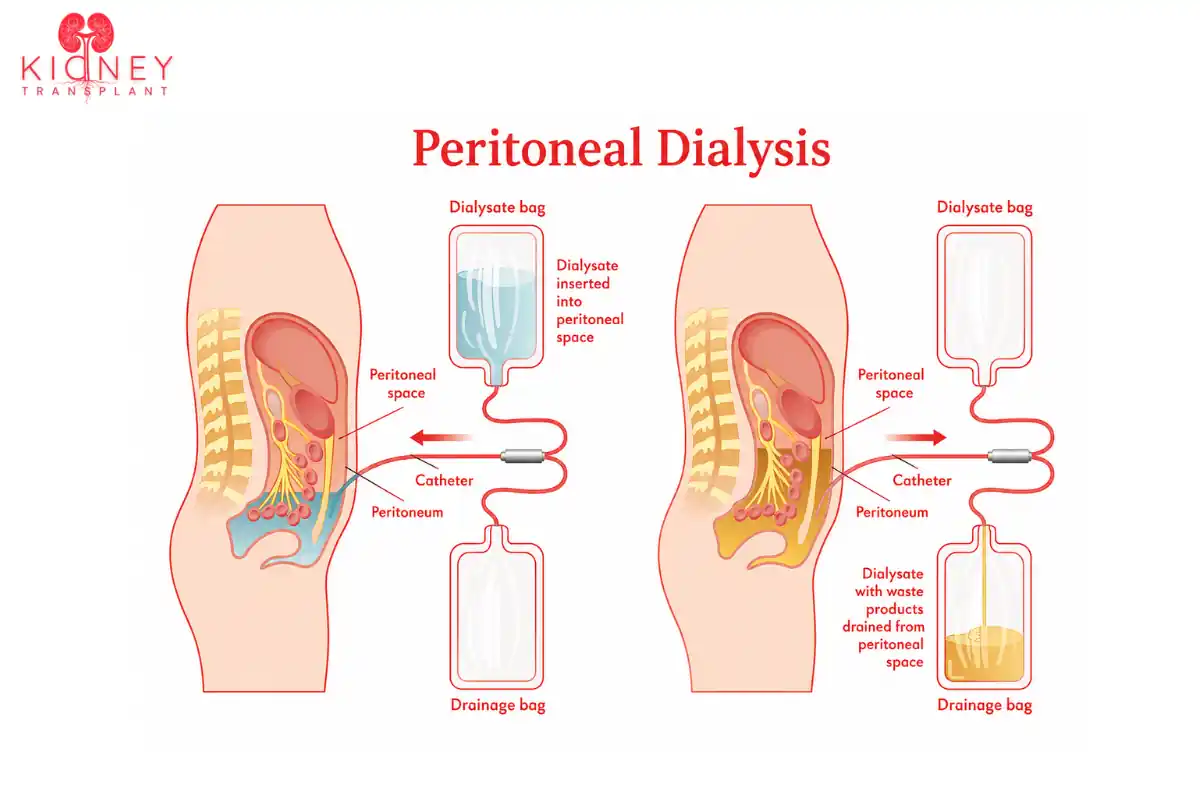
Peritoneal dialysis (PD) is a home based dialysis treatment that helps remove waste products, excess fluid, and toxins from the blood when the kidneys can no longer perform these essential functions effectively. Unlike hemodialysis, which filters blood through a dialysis machine, peritoneal dialysis uses the body's own peritoneum the thin membrane lining the inside of the abdomen as a natural filtering surface. A special cleansing solution called dialysate is introduced into the abdominal cavity through a soft catheter. As the solution remains inside the abdomen for a period of time, waste products and excess fluid move naturally from the bloodstream into the dialysate through the peritoneal membrane.

The used fluid is then drained and replaced with fresh dialysate, allowing the process to continue throughout the day or night depending on the treatment plan. Although peritoneal dialysis does not cure kidney disease, it performs many of the important filtering functions of healthy kidneys, helping patients maintain their health while awaiting transplantation or continuing long term dialysis treatment. For many individuals, it also offers something equally valuable the ability to receive life sustaining treatment without frequent visits to a dialysis center.

How does Peritoneal Dialysis Work?

The science behind peritoneal dialysis is remarkably simple once it is understood. Instead of cleaning blood outside the body, the treatment allows the body's own abdominal membrane to act as a natural filter. The process occurs in four carefully planned stages.

Fresh Dialysate is Introduced

  • A sterile dialysis solution is gently infused through the abdominal catheter into the peritoneal cavity.
  • The procedure is usually painless and takes only a short time.

The Dialysate Remains Inside the Abdomen

  • This period is called dwell time.
  • While the fluid remains inside the abdomen, waste products, excess salts, and extra water naturally move across the peritoneal membrane into the dialysis solution.
  • The peritoneum functions much like a natural filter, allowing unwanted substances to pass while keeping blood cells and important proteins inside the bloodstream.

The Used Fluid is Drained

  • Once the dwell time is complete, the dialysate now containing waste products and excess fluid is drained through the catheter into a sterile collection bag.
  • This process removes many of the substances that the kidneys would normally eliminate.

Fresh Solution Replaces the Old Fluid

  • After drainage is complete, a fresh bag of dialysate is infused into the abdomen.
  • The cycle then begins again according to the patient's prescribed treatment schedule.
  • Because dialysis occurs gradually over many hours, peritoneal dialysis often provides a more continuous form of waste removal compared with intermittent hemodialysis.

Expert Insight

Peritoneal dialysis works continuously rather than intermittently. This gradual removal of waste products and excess fluid more closely resembles the way healthy kidneys function naturally, which is one reason many patients experience fewer sudden shifts in blood pressure and fluid balance.

Types of Peritoneal Dialysis

Peritoneal dialysis is not a one size fits all treatment. There are two main approaches, and the best option depends on a person's lifestyle, work schedule, medical condition, and personal preferences.

Continuous Ambulatory Peritoneal Dialysis (CAPD)

CAPD is performed manually without the need for a dialysis machine. Patients perform several fluid exchanges throughout the day, usually at regular intervals.

Each exchange generally involves:

  • Draining the used dialysis fluid.
  • Filling the abdomen with fresh dialysate.
  • Allowing the solution to remain inside the abdomen during the dwell period.

Because no machine is required, CAPD offers flexibility and can often be performed at home, at work, or while traveling, provided a clean environment is available. Many people appreciate the simplicity of this approach because it allows them to remain mobile throughout the day.

Automated Peritoneal Dialysis (APD)

  • APD uses a specialized machine called a cycler to perform exchanges automatically while the patient sleeps.
  • The cycler fills and drains the abdomen several times overnight according to the treatment program prescribed by the nephrologist.
  • When the treatment is complete, many patients can disconnect from the machine in the morning and continue with their normal daytime activities.
  • This option is particularly attractive for individuals who work, attend school, or prefer to keep their daytime schedule largely uninterrupted.

CAPD vs APD: Understanding the Difference

Both forms of peritoneal dialysis are highly effective. The choice depends on lifestyle, medical needs, and discussions with the healthcare team rather than one method being universally better than the other.


Feature Continuous Ambulatory Peritoneal Dialysis (CAPD) Automated Peritoneal Dialysis (APD)
When Treatment Is Performed During the day Mostly overnight while sleeping
Machine Required No Yes (Cycler Machine)
Fluid Exchanges Manual Automatic
Daytime Freedom Exchanges scheduled throughout the day Most daytime hours remain free
Lifestyle Suitability Individuals comfortable performing daytime exchanges Working professionals, students, and those preferring overnight treatment

Expert Insight

Neither CAPD nor APD is inherently superior. The most suitable option depends on medical requirements, home environment, lifestyle, work schedule, sleep patterns, and the patient's confidence in performing home dialysis independently.

Who can Benefit From Peritoneal Dialysis?

Peritoneal dialysis offers greater flexibility than many people expect, making it an excellent treatment option for carefully selected patients. Individuals who may benefit include:

Patients Seeking Greater Independence

  • Many people prefer managing their treatment at home rather than traveling to a dialysis center several times each week.
  • Peritoneal dialysis allows them to integrate treatment into their daily routine while maintaining greater control over their schedule.

Working Professionals and Students

Because treatment can often be performed around work or school commitments, many individuals continue their education or careers with fewer interruptions compared with center based dialysis schedules.

People Living Far From Dialysis Centers

  • For patients living in rural or remote areas, frequent travel to a dialysis unit can be physically demanding and time consuming.
  • Home dialysis reduces the need for repeated hospital visits while maintaining effective treatment.

Individuals Waiting for a Kidney Transplant

  • Many patients use peritoneal dialysis while awaiting kidney transplantation.
  • The treatment helps maintain overall health until a suitable donor kidney becomes available.

Patients With Residual Kidney Function

Individuals who still retain some natural kidney function may particularly benefit from peritoneal dialysis because the gradual treatment often helps preserve remaining kidney function longer in selected patients.

Who May Not Be Suitable for Peritoneal Dialysis?

Although peritoneal dialysis offers many advantages, it is not appropriate for everyone. Certain medical conditions or circumstances may make other forms of dialysis safer or more effective.

Your healthcare team may recommend an alternative treatment if you have:

  • Extensive abdominal scarring from multiple previous surgeries.
  • Recurrent abdominal infections.
  • Certain inflammatory bowel diseases.
  • Large abdominal hernias requiring surgical correction.
  • Medical conditions that prevent safe self care or home dialysis.
  • An unsuitable home environment where maintaining proper hygiene would be difficult.

Every patient is evaluated individually to determine the safest and most effective dialysis option. The goal is always to choose the treatment that best supports both medical outcomes and quality of life.

Preparing for Peritoneal Dialysis

Starting peritoneal dialysis involves more than learning a medical procedure it involves preparing your home, developing confidence, and understanding how to safely manage treatment as part of everyday life.

Before dialysis begins, your healthcare team carefully evaluates whether peritoneal dialysis is the right option for you. This includes assessing your overall health, kidney function, home environment, and ability to perform treatment independently or with the support of a caregiver.

Placement of the Peritoneal Dialysis Catheter

  • The first step is the placement of a peritoneal dialysis catheter, a soft, flexible tube inserted into the abdomen during a minor surgical procedure.
  • The catheter serves as the permanent pathway through which dialysis solution enters and leaves the abdominal cavity.
  • After placement, the catheter site is allowed to heal before regular dialysis exchanges begin. During this period, patients receive detailed instructions on catheter care to reduce the risk of infection.

Learning the Procedure

One of the greatest strengths of peritoneal dialysis is that patients are not expected to learn it on their own.

Specialized dialysis nurses provide structured training that covers:

  • Performing dialysis exchanges safely.
  • Maintaining proper hand hygiene.
  • Recognizing signs of infection or catheter problems.
  • Storing dialysis supplies correctly.
  • Recording treatment details.
  • Knowing when to contact the healthcare team.

Most patients become comfortable performing the procedure independently after several days of supervised practice.

Preparing the Home Environment

Because peritoneal dialysis is performed at home, creating a clean and organized treatment space is essential.

Patients are encouraged to:

  • Choose a clean, well lit area for exchanges.
  • Store dialysis supplies in a dry, temperature controlled space.
  • Keep pets away during exchanges to reduce contamination.
  • Wash hands thoroughly before every procedure.
  • Follow sterile techniques exactly as taught.

These simple habits significantly reduce the risk of infection and contribute to long term treatment success.

Expert Insight

Many people worry that home dialysis will be difficult to learn. In reality, most patients become confident after structured training. The goal is not to memorize complex medical procedures it is to develop safe, consistent habits that soon become part of everyday life.

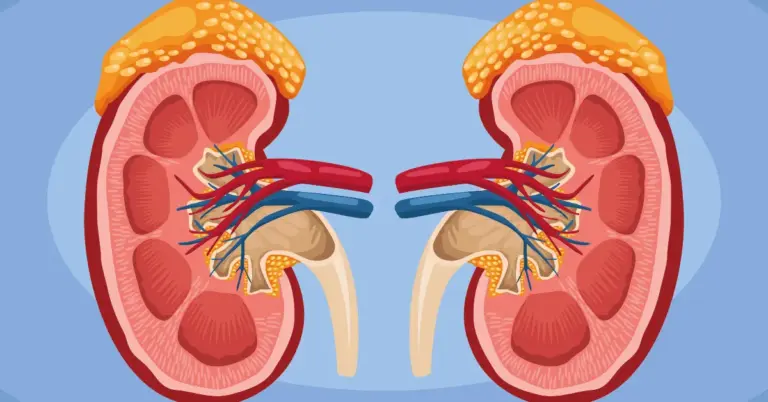
How a Peritoneal Dialysis Exchange Works

Although the equipment may seem unfamiliar initially, each dialysis exchange follows a simple and carefully planned routine. Understanding the process often helps reduce anxiety and builds confidence.

Drain

  • The used dialysis solution is first allowed to drain from the abdomen into a sterile collection bag.
  • This fluid now contains waste products and excess water that have moved across the peritoneal membrane during the dwell period.

Fill

  • After drainage is complete, fresh sterile dialysate is infused through the catheter into the abdominal cavity.
  • This usually takes only a few minutes.

Dwell

  • The fresh dialysis solution remains inside the abdomen for a prescribed period known as the dwell time.
  • During this time, waste products and excess fluid naturally move from the bloodstream into the dialysis solution.
  • Patients can often continue many of their normal daily activities while the solution remains inside the abdomen.

Repeat

  • Once the dwell period ends, the used fluid is drained and replaced with fresh dialysate.
  • This cycle continues according to the treatment schedule recommended by the nephrologist.
  • Whether exchanges are performed manually during the day (CAPD) or automatically overnight (APD), the goal remains the same, providing continuous removal of waste products while fitting treatment into the patient's daily routine.

Living Well on Peritoneal Dialysis

One of the greatest advantages of peritoneal dialysis is the flexibility it offers. Because treatment is performed at home, many people find it easier to maintain their normal routines while receiving life sustaining kidney care.

Although adjustments are necessary, peritoneal dialysis often allows patients to remain active, independent, and engaged in everyday life.

Continuing Work and Education

  • Many patients continue working or attending school while on peritoneal dialysis.
  • The flexibility of scheduling exchanges or performing dialysis overnight with APD often allows treatment to fit around professional and academic responsibilities rather than disrupting them.

Traveling With Confidence

  • Peritoneal dialysis does not necessarily limit travel.
  • With advance planning, dialysis supplies can often be delivered to the destination, allowing many patients to continue vacations, family visits, or business trips without interrupting treatment.
  • Careful coordination with the healthcare team helps ensure a safe and enjoyable travel experience.

Staying Physically Active

Regular physical activity supports:

  • Heart health.
  • Muscle strength.
  • Better energy levels.
  • Weight management.
  • Emotional well being.

Walking, cycling, yoga, stretching, and other low impact exercises are commonly recommended after consultation with the healthcare team. Activities that place excessive strain on the abdominal muscles may require additional guidance.

Family and Social Life

  • One of the greatest benefits of home dialysis is that it allows patients to spend more time with family and maintain familiar routines.
  • Rather than traveling to a dialysis center several times each week, many people appreciate being able to receive treatment in the comfort of their own home while continuing to participate in family meals, celebrations, and daily activities.

Expert Insight

Successful peritoneal dialysis is not measured only by laboratory results. The ability to continue working, caring for family, traveling, and maintaining emotional well being are equally important measures of a successful treatment plan.

Nutrition and Fluid Management

Although peritoneal dialysis offers greater flexibility than many people expect, healthy eating remains an essential part of treatment. Dietary recommendations are individualized, but several general principles are commonly discussed with patients.

Eat Enough High Quality Protein

  • Peritoneal dialysis removes small amounts of protein during each exchange.
  • To help maintain muscle strength, support healing, and prevent malnutrition, many patients are encouraged to include adequate high quality protein in their diet, based on guidance from a renal dietitian.

Monitor Sodium Intake

  • Excess salt increases thirst and promotes fluid retention, making fluid balance more difficult.
  • Reducing sodium intake helps control blood pressure and supports effective dialysis.
  • Be Aware of Glucose Absorption
  • Dialysate contains glucose, and some of this glucose is absorbed by the body during treatment.
  • For this reason, patients particularly those with diabetes may require careful monitoring of blood sugar levels and weight.

Maintain Healthy Bowel Habits

  • Constipation can interfere with proper catheter function.
  • A balanced diet containing appropriate fiber, adequate hydration within prescribed limits, and regular physical activity all contribute to healthy bowel function.

Follow Individualized Fluid Advice

Unlike many patients receiving hemodialysis, some people on peritoneal dialysis may have slightly greater flexibility with fluid intake, particularly if they still produce urine.

However, fluid recommendations remain highly individualized and should always follow the guidance of the nephrology team.

Expert Insight

There is no universal diet for peritoneal dialysis. Nutritional recommendations are personalized according to remaining kidney function, blood test results, body weight, diabetes status, and the individual's overall health.

Risks and Possible Complications

Peritoneal dialysis is considered a safe and effective treatment for many people, but it is not without risks. Recognizing potential complications early allows prompt treatment and helps protect long term health.

Possible complications include:

  • Peritonitis, an infection of the abdominal lining that requires urgent medical attention.
  • Infection around the catheter exit site.
  • Catheter blockage or poor drainage.
  • Leakage of dialysis fluid around the catheter.
  • Development of abdominal hernias due to increased abdominal pressure.
  • Weight gain related to glucose absorption from the dialysis solution.

Patients should contact their healthcare team immediately if they notice:

  • Fever or chills.
  • Severe abdominal pain.
  • Redness or drainage around the catheter.
  • Cloudy dialysis fluid.
  • Persistent nausea or vomiting.

Early treatment often prevents more serious complications.

Do's and Don'ts for Peritoneal Dialysis

Daily habits have a significant influence on treatment success and infection prevention.

Do

  • Wash your hands thoroughly before every exchange.
  • Follow sterile technique exactly as taught.
  • Inspect the catheter exit site every day.
  • Store dialysis supplies in a clean, dry location.
  • Keep all follow up appointments and blood tests.
  • Report cloudy dialysis fluid, fever, or abdominal pain immediately.
  • Stay physically active and follow your individualized meal plan.

Don't

  • Don't skip exchanges or alter your dialysis schedule without medical advice.
  • Don't ignore redness, swelling, or discharge around the catheter.
  • Don't allow pets near your dialysis equipment during exchanges.
  • Don't use damaged or expired dialysis supplies.
  • Don't lift heavy objects without discussing it with your healthcare provider.
  • Don't hesitate to ask for help your dialysis team is there to support you throughout your treatment journey.

Patient Perspective

  • One of the most meaningful aspects of peritoneal dialysis is not found in the equipment or the medical procedure it is found in the confidence that many patients gradually develop.
  • At first, performing dialysis at home can feel intimidating. The responsibility seems enormous, and many people wonder whether they will ever feel comfortable managing treatment themselves.
  • With training and experience, that uncertainty often transforms into confidence.
  • Many patients begin to see dialysis not as something that controls their lives, but as a routine they control.
  • Some perform exchanges during quiet moments at home. Others complete treatment overnight while they sleep and wake ready for work, school, or family responsibilities.

Although kidney disease remains part of life, it no longer has to dictate every hour of the day.

Conclusion

Peritoneal dialysis is more than an alternative to center based dialysis it is an opportunity for many people to take an active role in managing their health while preserving independence and flexibility. By using the body's own natural filtering membrane, this home based therapy allows many patients to integrate treatment into their daily routines without giving up work, education, travel, or family life.

Success, however, depends on more than the dialysis procedure itself. Careful training, good hygiene, proper nutrition, regular follow up, and a strong partnership with the healthcare team all contribute to long term health and treatment success. For the right patient, peritoneal dialysis is not simply another way to treat kidney failure it is a way to regain confidence, maintain independence, and continue moving forward with hope.

Frequently Asked Questions

Yes. Most patients perform peritoneal dialysis at home after receiving comprehensive training from their healthcare team.

The dialysis exchanges themselves are generally not painful. Some people may experience mild discomfort when the catheter is first placed or during the initial adjustment period.

Neither treatment is universally better. The most appropriate option depends on your medical condition, lifestyle, home environment, and personal preferences.

Yes. With advance planning, dialysis supplies can often be delivered to your destination, allowing many patients to travel safely.

Most patients can shower once the catheter site has healed and according to their healthcare team’s instructions. Swimming recommendations vary and should always be discussed with your nephrologist to minimize infection risk.

Yes. Many people use peritoneal dialysis while waiting for a kidney transplant. Receiving peritoneal dialysis does not prevent you from being evaluated for transplantation if you are medically eligible.

Please select listing to show.

Read Next