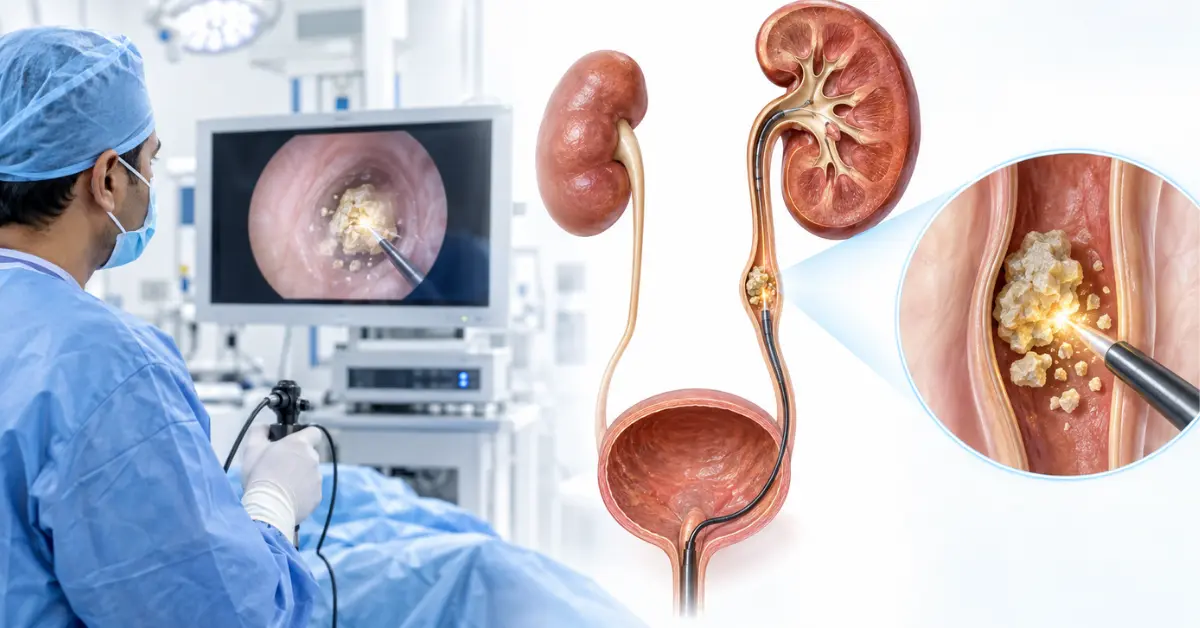




Modern treatment enables ABO Incompatible Transplant with specialized preparation and expert transplant care.

Conditions Treated

Comprehensive medical care for a wide range of conditions, focused on recovery, symptom management, and long-term wellness.

For many families, the decision to donate a kidney comes from a place of unconditional love. A parent wants to help their child. A husband wishes to donate to his wife. A sibling or close friend steps forward without hesitation, ready to give someone they care about a second chance at life. Then comes the unexpected news.

“Your blood groups are not compatible.”

For decades, these words often meant that a living kidney transplant was no longer possible. Even when a healthy and willing donor was available, differences in blood type prevented the transplant because the recipient’s immune system would immediately recognize the donated kidney as foreign and attack it. Today, that reality has changed dramatically. Advances in transplant medicine have made ABO incompatible kidney transplantation a safe and effective option for many carefully selected patients. Through specialized treatments that prepare the immune system before surgery, transplant teams can successfully overcome blood group incompatibility, allowing many families to proceed with a transplant that was once considered impossible. This guide explains how ABO incompatible transplantation works, who may benefit from it, what preparation involves, and why modern medical science has transformed one of the biggest barriers to living kidney donation into a challenge that can often be overcome.

Understanding ABO Incompatible

An ABO incompatible kidney transplant is a living donor kidney transplant performed between a donor and a recipient who have different blood groups that would traditionally be considered incompatible. Under normal circumstances, kidney transplantation is safest when the donor and recipient have compatible blood types. This compatibility helps reduce the chance that the recipient's immune system will attack the transplanted kidney immediately after surgery. However, modern transplant medicine has shown that blood group incompatibility does not always have to prevent transplantation. With careful preparation before surgery including specialized medications and treatments that temporarily reduce harmful antibodies many patients can successfully receive a kidney from a donor whose blood type is different from their own.

Rather than changing a person's blood group, the goal is to prepare the immune system so it is less likely to recognize and attack the transplanted kidney during the critical period after surgery. Today, ABO incompatible transplantation has become an established treatment in many experienced transplant centers, offering hope to patients who might otherwise have no suitable living donor.

Why Blood Groups Matter

  • To understand ABO incompatible transplantation, it helps to first understand why blood groups are important. Our immune system is designed to protect us from anything it recognizes as unfamiliar. It constantly distinguishes between what belongs naturally within the body and what might cause harm, such as bacteria, viruses, or foreign tissues. Blood groups are part of that recognition system. Each person belongs to one of the major blood groups. A, B, AB, or O. These blood groups are identified by specific markers, known as antigens, that are present on the surface of red blood cells and many other tissues, including the kidney.
  • At the same time, the body naturally produces antibodies against blood group markers it does not possess. This protective system works well in everyday life, but during transplantation it can become a major challenge. If a kidney carrying unfamiliar blood group markers is transplanted without preparation, the recipient's antibodies may rapidly attack the new organ, leading to immediate rejection and serious damage.
  • This is why blood group compatibility has traditionally been considered one of the most important requirements for successful kidney transplantation. Fortunately, advances in immunology have shown that this natural immune response can often be carefully controlled, allowing transplantation to proceed safely in selected patients.

Expert Insight

A common misconception is that doctors somehow "change" a patient's blood group before transplantation. In reality, the blood group never changes. Instead, treatment temporarily lowers the antibodies that would otherwise attack the donor kidney, giving the transplanted organ time to adapt while immunosuppressive medications continue protecting it.

How Medicine Made it Possible

  • Only a few decades ago, receiving a kidney from a donor with a different blood group was rarely considered an option. Even if a perfectly healthy family member was willing to donate, blood group incompatibility often meant that transplantation simply could not proceed. Patients either remained on dialysis or continued waiting for another suitable donor. Today, the situation is very different.
  • Years of research have led to treatments that allow transplant specialists to safely reduce the antibodies responsible for attacking an incompatible kidney. Combined with carefully planned immunosuppressive therapy and close monitoring, these advances have dramatically improved transplant outcomes.
  • As a result, ABO incompatible transplantation is no longer viewed as an experimental procedure. In experienced transplant centers, it has become an established treatment option for many patients who would otherwise face limited opportunities for transplantation.
  • Perhaps the greatest impact of these advances is not only medical but also personal. Families who once believed they had reached the end of their transplant journey may now discover that another pathway is possible.

ABO Incompatible Transplant Candidates

ABO incompatible transplantation is not performed simply because blood groups are different. It is considered when a healthy, medically suitable living donor is available, but traditional blood group compatibility is the only major obstacle preventing transplantation. This approach has expanded transplant opportunities for many patients who might otherwise spend years waiting for another donor.

People who may benefit include:

  • Parents Who Wish to Donate to Their Children: Parents are often among the first people to volunteer as kidney donors. Although blood groups do not always match, ABO incompatible transplantation may allow many families to proceed with donation after careful medical evaluation.
  • Spouses With Different Blood Groups: Husbands and wives frequently wish to donate to one another, yet blood group incompatibility is common between partners. Modern transplant protocols have enabled many of these couples to receive successful kidney transplants despite differences in blood type.
  • Brothers and Sisters: Siblings may be excellent kidney donors because of shared genetics, but compatible blood groups are never guaranteed. When other medical assessments are favorable, ABO incompatible transplantation may provide another opportunity to keep donation within the family.
  • Other Close Relatives or Friends: In some cases, cousins, extended family members, or close friends may also be suitable living donors. If blood group incompatibility is the primary barrier, transplant specialists may evaluate whether ABO incompatible transplantation is appropriate based on the recipient's health, antibody levels, and overall transplant risk. It is important to remember that every donor recipient pair undergoes an extensive evaluation. Blood group incompatibility is only one part of the assessment, and not every patient will be a suitable candidate for this approach.

Preparing for an ABO Incompatible

One of the biggest differences between a compatible and an ABO incompatible transplant is the preparation that takes place before surgery. Rather than proceeding directly to transplantation, the medical team first works to reduce the recipient's immune response so the donated kidney has the best possible chance of functioning successfully. Although every transplant center follows its own protocols, preparation generally follows a carefully planned sequence.

Step 1: A Comprehensive Medical Evaluation

The journey begins with a detailed assessment of both the donor and the recipient.

Doctors evaluate:

  • Overall kidney health.
  • Blood group compatibility.
  • Antibody levels against the donor's blood group.
  • Tissue matching (HLA typing).
  • Crossmatch testing.
  • General medical fitness for surgery.

These tests help determine whether ABO incompatible transplantation is likely to be safe and successful.

Step 2: Measuring Antibody Levels

Not every patient has the same amount of blood group antibodies. Some individuals naturally produce higher antibody levels than others. Measuring these antibodies allows transplant specialists to determine how much immune preparation may be required before surgery and helps guide the treatment plan.

Step 3: Lowering Harmful Antibodies

Once evaluation is complete, treatment begins to temporarily reduce the antibodies that could attack the donor kidney. Depending on the transplant center and the patient's individual needs, this may involve specialized treatments such as plasmapheresis or immunoadsorption, which remove antibodies from the bloodstream. At the same time, immunosuppressive medications are introduced to reduce the immune system's ability to produce new antibodies. The objective is not to eliminate the immune system, but to carefully lower its response to a level that allows transplantation to proceed safely.

Expert Insight

Preparing for an ABO incompatible transplant requires careful balance. If antibody levels remain too high, the risk of rejection increases. If the immune system is suppressed more than necessary, the risk of infection rises. Achieving the right balance is one of the reasons these procedures are performed by experienced multidisciplinary transplant teams.

Step 4: Repeating Blood Tests

Preparation does not end after one treatment session. Blood tests are repeated regularly to monitor antibody levels and ensure they have fallen to an acceptable range before surgery. Only when these results meet the transplant team's safety criteria is the operation scheduled. This careful monitoring is one of the key reasons modern ABO incompatible transplantation has achieved such encouraging outcomes.

What Happens During ABO Incompatible

  • Once antibody levels have been reduced to a safe range and the transplant team confirms that both the donor and recipient are ready, the surgery itself is performed much like a standard living donor kidney transplant.
  • The recipient is placed under general anesthesia, and the donated kidney is usually positioned in the lower abdomen rather than replacing the patient's own kidneys. The surgeon carefully connects the kidney to nearby blood vessels and the bladder, restoring blood flow so the new kidney can begin functioning. Although the surgical procedure is similar to a compatible transplant, the care surrounding it is often more intensive.
  • Because the immune system has undergone specialized preparation before surgery, transplant specialists monitor the patient closely during the first few days to ensure the kidney is functioning well and that antibody levels remain under control.
  • Some kidneys begin producing urine immediately after blood flow is restored, while others require a short period to recover from the stress of transplantation. Both situations can occur and are carefully assessed through blood tests, urine output, and regular clinical examinations.
  • The success of surgery depends not only on technical precision but also on the extensive preparation that takes place before the operation and the careful monitoring that follows.

Recovery

Recovery after an ABO incompatible kidney transplant follows many of the same principles as any other kidney transplant, but the early postoperative period requires additional vigilance. During the hospital stay, the transplant team monitors the new kidney around the clock while also assessing the body's immune response. Frequent blood tests help doctors evaluate kidney function, antibody levels, and the effectiveness of immunosuppressive medications.

Patients can generally expect:

  • Regular blood tests to monitor kidney function and immune activity.
  • Careful measurement of urine output to assess how well the transplanted kidney is working.
  • Adjustment of immunosuppressive medications based on individual response.
  • Monitoring for infection, bleeding, or early signs of rejection.
  • Education on lifelong medication use, nutrition, and follow up care before discharge.

Most recipients are encouraged to begin walking within a day after surgery, as early movement supports circulation, reduces the risk of blood clots, and promotes overall recovery. Although the first few weeks involve frequent hospital visits, these appointments gradually become less frequent as recovery progresses and the transplanted kidney demonstrates stable function.

Expert Insight

The increased monitoring after an ABO incompatible transplant should not be viewed as a sign that the transplant is failing. Instead, it reflects a proactive approach that allows transplant teams to identify even minor changes early, helping prevent complications before they become serious.

Success of ABO Incompatible Transplants

One of the first questions patients ask is whether an ABO incompatible transplant is as successful as a conventional kidney transplant. The answer has changed dramatically over the past two decades. In the early years of transplantation, blood group incompatibility was associated with a much higher risk of rejection because effective treatments to control the immune response were limited. Today, advances in immunosuppressive medications, antibody removal techniques, laboratory testing, and postoperative monitoring have transformed those outcomes.

In experienced transplant centers, many ABO incompatible kidney transplants now achieve patient and graft survival rates that approach those of compatible living donor transplants, particularly when recipients are carefully selected and treatment protocols are followed consistently.

Success depends on several important factors, including:

  • The recipient's overall health before transplantation.
  • Initial antibody levels and how well they respond to treatment.
  • The experience of the transplant center.
  • Strict adherence to immunosuppressive medications.
  • Regular follow up and early management of any complications.

Rather than focusing only on statistics, patients should understand that success is built through careful preparation, expert surgical care, and lifelong commitment after transplantation.

Understanding the Risks

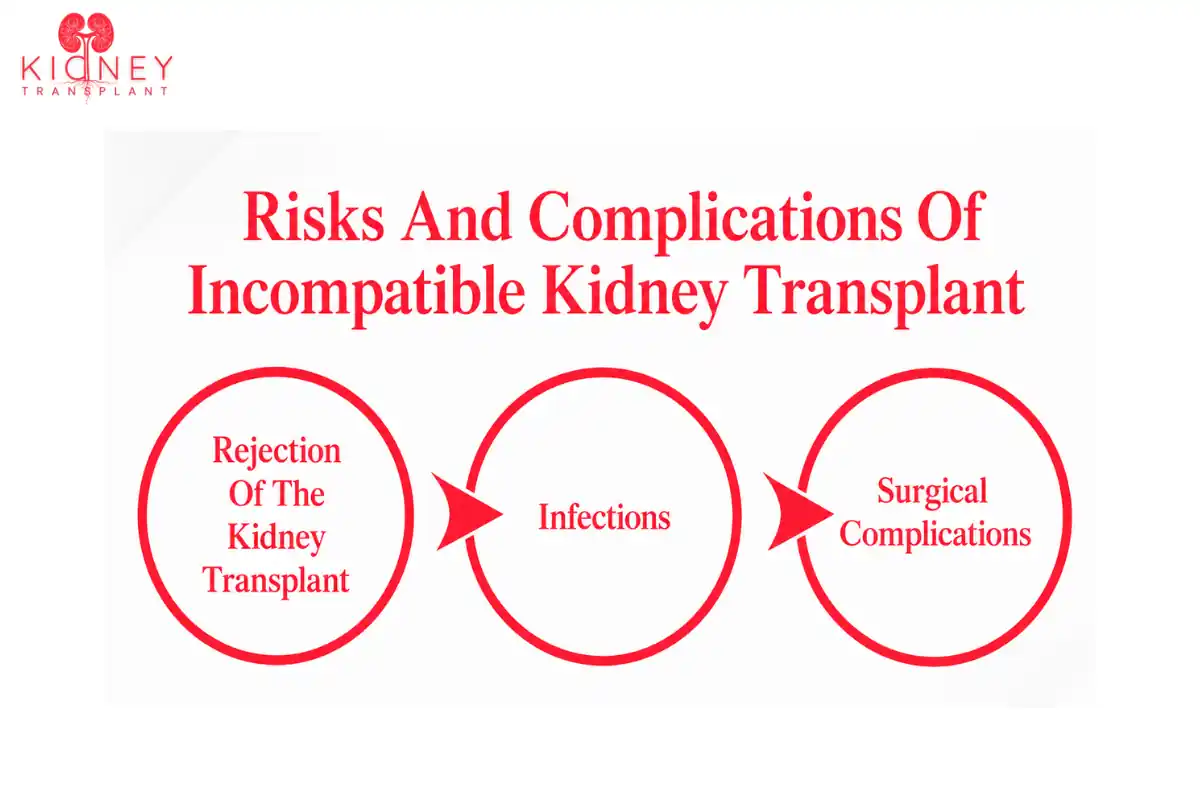
Every kidney transplant carries certain risks, and ABO incompatible transplantation involves a few additional considerations because of the extra immune preparation required before surgery. The good news is that these risks are well understood, and modern transplant teams use carefully designed protocols to reduce them as much as possible.

Early Risks

During the first weeks after transplantation, doctors monitor for:

  • Antibody Mediated Rejection, where the immune system attempts to attack the transplanted kidney.
  • Infections, which may occur because immunosuppressive medications temporarily reduce the body's natural defenses.
  • Bleeding or Blood Clots, as with any major surgical procedure.
  • Delayed Graft Function, where the transplanted kidney needs additional time before working efficiently.

Early detection allows many of these complications to be treated successfully before they significantly affect the transplanted kidney.

Long Term Risks

As recovery continues, the focus shifts toward preserving kidney function for many years.

Potential long term concerns include:

  • Chronic rejection.
  • High blood pressure.
  • Diabetes related to immunosuppressive therapy.
  • Medication side effects.
  • Cardiovascular disease.
  • Recurrence of the original kidney disease in selected patients.

These risks are not unique to ABO incompatible transplantation and are actively managed through regular medical follow up, medication adjustments, and healthy lifestyle choices. The goal is not simply to prevent complications but to help the transplanted kidney continue functioning successfully for as long as possible.

Living Well After ABO Incompatible

Receiving a kidney transplant is often described as a second chance—but protecting that second chance requires lifelong commitment. The same healthy habits that support compatible kidney transplants are equally important after an ABO incompatible transplant.

Make Medication Adherence a Daily Priority

Immunosuppressive medications remain the foundation of long term transplant success.

Patients should:

  • Take every dose exactly as prescribed.
  • Never stop medications without consulting the transplant team.
  • Inform doctors before taking any new prescription, over the counter medicine, or herbal supplement.
  • Attend scheduled blood tests to ensure medications remain at safe and effective levels.

Even missing a few doses can increase the risk of rejection.

Adopt Kidney Friendly Lifestyle Habits

Protecting the transplanted kidney also means protecting overall health.

Healthy daily practices include:

  • Eating a balanced, nutritious diet.
  • Staying physically active after medical clearance.
  • Maintaining a healthy weight.
  • Avoiding tobacco products.
  • Limiting alcohol intake.
  • Staying adequately hydrated according to medical advice.

These habits help reduce the risk of cardiovascular disease, diabetes, and other conditions that can affect long term transplant outcomes.

Never Skip Follow Up Care

Routine appointments allow transplant specialists to identify problems long before symptoms develop.

Regular follow up typically includes:

  • Blood and urine tests.
  • Blood pressure monitoring.
  • Assessment of kidney function.
  • Medication level monitoring.
  • Screening for infection and rejection.

Expert Insight

The greatest long term threat to a successful transplant is often not the surgery itself but inconsistent follow up or poor medication adherence. Patients who remain actively involved in their care give their transplanted kidney the best opportunity to function successfully for many years.

Common Myths About ABO Incompatible

As this procedure has become more common, several misconceptions continue to create unnecessary anxiety. Understanding the facts helps patients make informed decisions with confidence.

Myth Medical Reality
Different blood groups make transplantation impossible. Modern medical protocols now allow many patients with incompatible blood groups to undergo successful living donor transplantation.
Doctors change the recipient's blood group before surgery. Blood groups never change. Treatment temporarily reduces antibodies that would otherwise attack the donated kidney.
ABO incompatible transplantation is still experimental. It is now an established treatment in many experienced transplant centers worldwide.
Recovery is completely different from a regular kidney transplant. The recovery process is largely similar, although early monitoring is usually more intensive.
ABO incompatible transplants always have poor outcomes. With careful patient selection and expert management, outcomes today are excellent in many experienced centers.

The Patient Perspective

  • For many families, the greatest obstacle to transplantation is not finding someone willing to donate it is discovering that the donor's blood group is different. Patients often describe the moment they hear the words, "Your blood groups don't match," as deeply discouraging. After finally finding someone prepared to donate, it can feel as though every hope has disappeared in an instant. Yet for many, that is no longer the end of the story.
  • Learning about ABO incompatible transplantation often changes the conversation from "It isn't possible" to "Let's see if you're a suitable candidate." That change in perspective can be life changing.
  • Instead of returning to uncertainty, many patients move forward with renewed confidence, knowing that advances in transplant medicine have created possibilities that did not exist only a generation ago.
  • Not every patient will qualify, and not every transplant journey follows the same path. But for many families, ABO incompatible transplantation has transformed disappointment into opportunity allowing love, commitment, and generosity to remain stronger than a difference in blood groups.

Conclusion

An ABO incompatible kidney transplant is more than a medical innovation—it is a reminder that barriers once considered impossible can often be overcome through knowledge, preparation, and compassionate care. Today, a difference in blood group no longer automatically ends the possibility of living kidney donation. With careful evaluation, specialized treatments, and close monitoring, many patients can safely receive a kidney from someone they love, even when their blood types are different. The journey may require additional preparation and lifelong commitment, but the reward can be extraordinary: freedom from dialysis, improved quality of life, and the opportunity to share many more years with family and friends.

Perhaps the greatest lesson of ABO incompatible transplantation is that hope should never be defined by a laboratory result alone. Modern transplant medicine continues to prove that, with the right expertise and the right care, what once seemed impossible can become a life changing reality.

Frequently Asked Questions

Yes. Advances in transplant medicine now allow many patients with incompatible blood groups to successfully receive a living donor kidney transplant after specialized preparation.

When performed at experienced transplant centers with appropriate patient selection and careful monitoring, ABO incompatible kidney transplantation is considered a safe and effective treatment option for many patients.

Additional treatments are often required before transplantation to reduce antibodies. After surgery, immunosuppressive medications remain essential, although the exact regimen varies depending on each patient’s medical needs.

Modern treatment protocols have significantly improved outcomes, and many experienced centers now report success rates approaching those of compatible living donor kidney transplants.

No. Eligibility depends on several factors, including antibody levels, overall health, donor evaluation, and the transplant center’s assessment. Every patient requires an individualized evaluation.

Both approaches are valuable options. The best choice depends on the donor recipient pair, antibody levels, local transplant programs, and recommendations from the transplant team. Your transplant specialists will help determine the most appropriate approach for your situation.

Please select listing to show.

Read Next